Contact me immediately if you encounter problems!

All Categories

carbide ball end mill

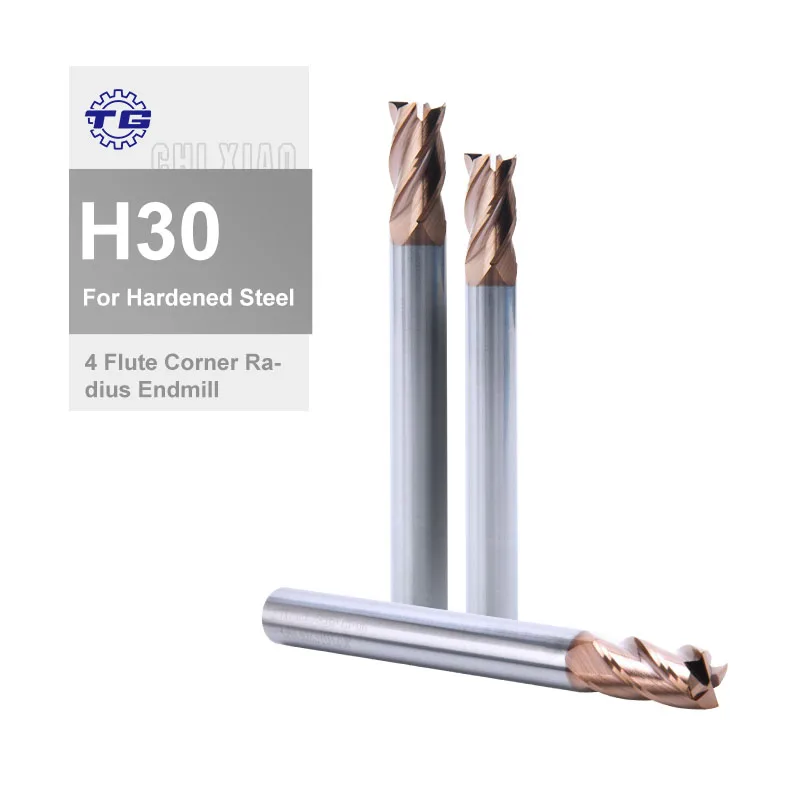
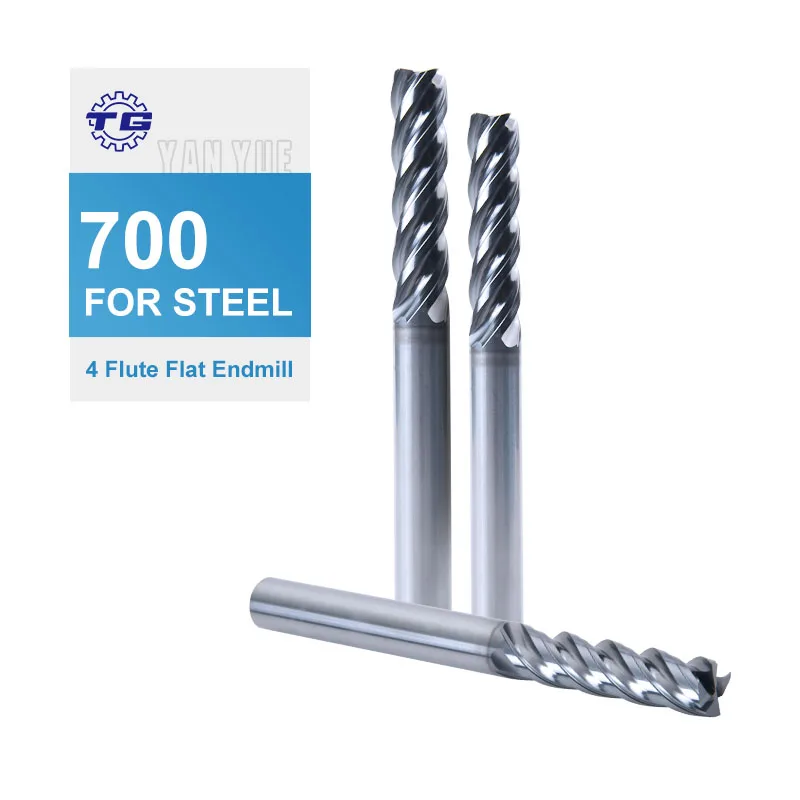
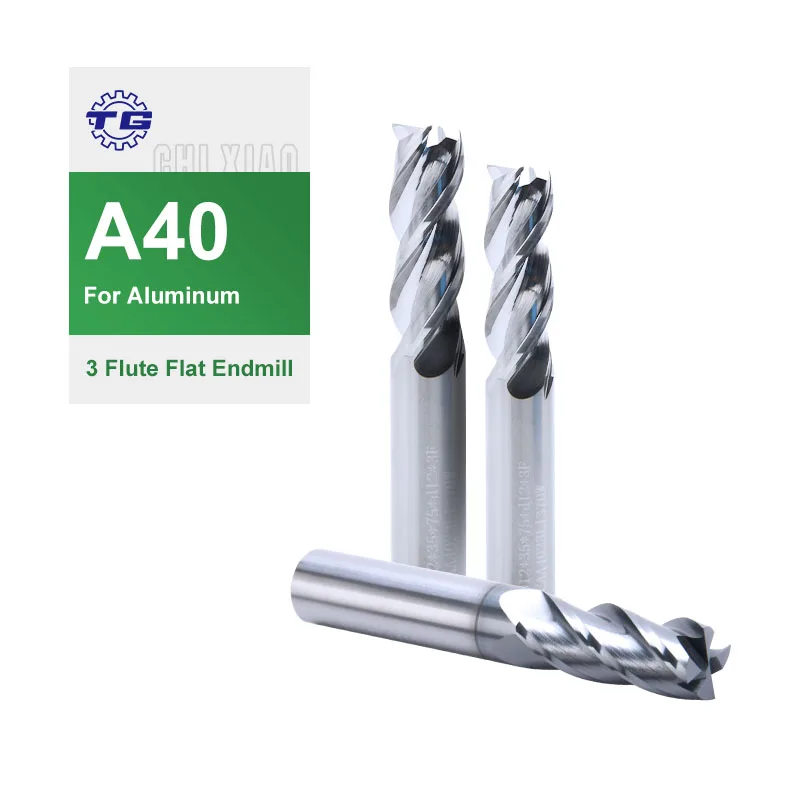
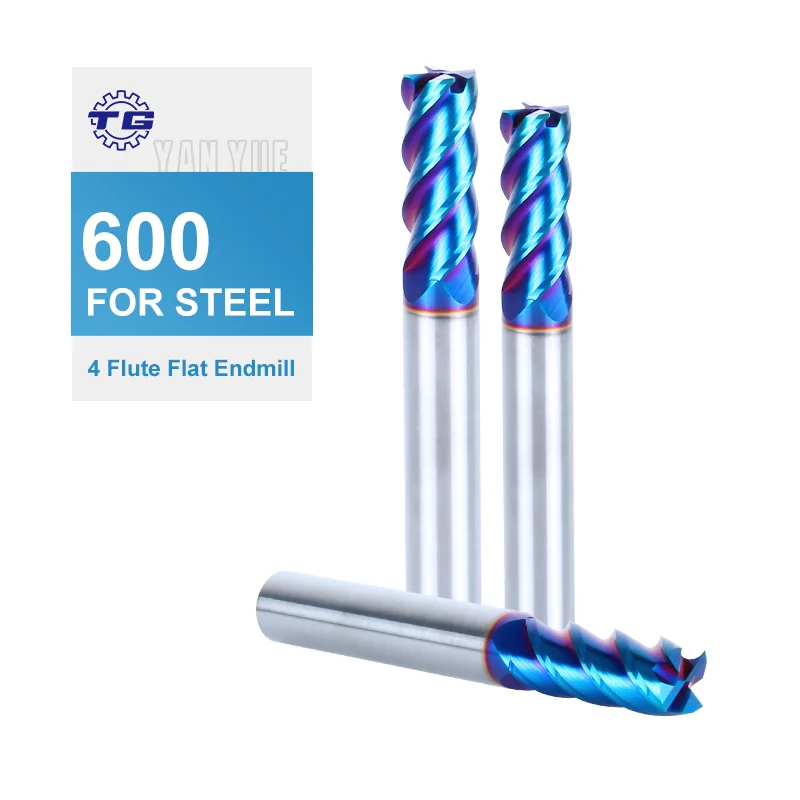
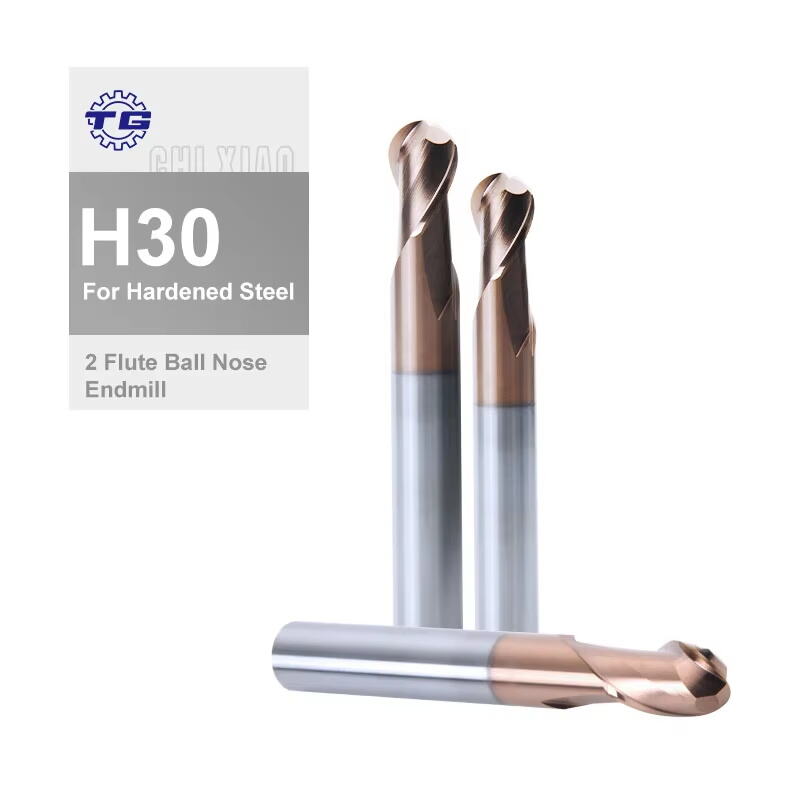
A carbide ball end mill represents a precision cutting tool designed with a hemispherical tip that allows machinists to create curved surfaces, contoured shapes, and complex three-dimensional profiles in various materials. This specialized milling cutter combines the hardness and wear resistance of carbide material with the versatility of a rounded cutting edge, making it an essential tool in modern manufacturing environments. The carbide ball end mill features multiple flutes that spiral around its cylindrical body, terminating in a perfectly rounded ball nose that enables smooth contouring operations. The carbide construction provides exceptional durability compared to high-speed steel alternatives, maintaining sharp cutting edges even when processing hardened materials. These tools excel at producing radiused corners, sculptured surfaces, and intricate cavity details that would be impossible to achieve with flat-end cutters. The technological features include advanced carbide substrates with refined grain structures, sophisticated coating options such as titanium aluminum nitride or diamond-like carbon, and precision-ground geometries that ensure consistent performance. Manufacturing processes employ CNC grinding technology to create exact ball radii ranging from tiny 0.5mm diameters to larger 20mm sizes, accommodating diverse machining requirements. Applications span aerospace component fabrication, automotive mold making, medical device manufacturing, jewelry production, and general metalworking operations. The carbide ball end mill proves particularly valuable in die and mold industries where complex curved surfaces require exceptional surface finish quality. Tool designers optimize flute counts, helix angles, and core diameters to balance cutting efficiency with tool strength, ensuring reliable performance across varying cutting conditions. Modern carbide ball end mills incorporate specialized edge preparations and variable helix designs that reduce vibration and improve chip evacuation during deep cavity machining. The combination of material science advancements and precision manufacturing techniques has transformed the carbide ball end mill into an indispensable tool for creating sophisticated parts that meet stringent dimensional tolerances and surface quality standards demanded by contemporary manufacturing sectors.

Popular Products

The carbide ball end mill delivers substantial practical benefits that directly impact your manufacturing productivity and cost efficiency. First, the exceptional hardness of carbide material means your cutting tools maintain their sharp edges significantly longer than traditional alternatives, reducing the frequency of tool changes and minimizing production interruptions. This extended tool life translates to lower tooling costs over time, as you purchase fewer replacement cutters and spend less time managing tool inventory. The superior wear resistance allows you to machine harder materials with confidence, expanding your capability to accept challenging projects that require processing tough alloys, hardened steels, or abrasive composites. When you use a carbide ball end mill, you achieve smoother surface finishes on curved profiles, often eliminating secondary finishing operations that consume valuable production time. This direct improvement in surface quality means parts move faster through your workflow, reducing lead times and increasing customer satisfaction. The rounded cutting geometry enables you to create complex three-dimensional shapes in single setups, consolidating multiple operations and reducing the handling time that accumulates costs. Your machining precision improves because carbide maintains dimensional stability under the heat generated during cutting, ensuring consistent part dimensions throughout production runs. The rigid carbide structure resists deflection better than softer tool materials, allowing you to achieve tighter tolerances on critical features without compensation adjustments. You gain operational flexibility because these tools perform effectively across a wide range of cutting parameters, accommodating both roughing operations that remove material quickly and finishing passes that deliver excellent surface quality. The heat resistance of carbide permits higher cutting speeds, enabling you to complete jobs faster and increase your machine utilization rates without sacrificing tool life. Modern coating technologies applied to carbide ball end mills further enhance performance by reducing friction, preventing material adhesion, and extending tool longevity even in demanding applications. Your programming becomes more efficient because the predictable performance characteristics of carbide ball end mills allow you to establish reliable cutting parameters that operators can replicate consistently. The reduced vibration tendencies of properly designed carbide tools contribute to better surface finishes and longer spindle bearing life, protecting your capital equipment investment. When you invest in quality carbide ball end mills, you reduce scrap rates because the tools maintain accuracy throughout their service life, minimizing the risk of producing out-of-specification parts. The versatility of these cutting tools means you can consolidate your tool inventory, stocking fewer specialized cutters while maintaining capability across diverse job requirements, simplifying procurement and storage management.

Practical Tips

How does high speed steel differ from carbon steel?

30

Dec

How does high speed steel differ from carbon steel?

Manufacturing and machining industries rely heavily on selecting the right steel type for specific applications, with high speed steel and carbon steel representing two of the most significant categories in industrial tooling. Understanding the funda...
View More
How to Choose the Right Milling Cutter for Your Project?

10

Feb

How to Choose the Right Milling Cutter for Your Project?

Selecting the appropriate milling cutter for your machining project is a critical decision that directly impacts production efficiency, surface finish quality, and overall manufacturing costs. Whether you're working with aluminum, steel, or exotic al...
View More
What Types of Milling Cutter Tools Are Best for Different Materials?

28

Feb

What Types of Milling Cutter Tools Are Best for Different Materials?

Modern manufacturing relies heavily on precision machining to create complex components across various industries. The selection of appropriate milling cutter tools forms the cornerstone of successful CNC operations, directly impacting surface finish...
View More
When should you use high speed steel cutting tools?

31

Mar

When should you use high speed steel cutting tools?

High speed steel cutting tools have revolutionized modern machining operations since their introduction in the early 1900s. These specialized alloys offer exceptional hardness, wear resistance, and heat tolerance that make them indispensable in vario...
View More

Get a Free Quote

Our representative will contact you soon.
Email
Mobile
Name
Company Name
Message
0/1000

carbide ball end mill

Exceptional Material Durability for Long-Term Performance

Exceptional Material Durability for Long-Term Performance

The carbide ball end mill construction utilizes tungsten carbide, an exceptionally hard material that fundamentally changes how long your cutting tools remain productive in demanding manufacturing environments. This advanced material combines tungsten and carbon in a matrix that achieves hardness levels approaching diamond while maintaining the toughness needed to withstand cutting forces without fracturing. When you examine the microscopic structure of quality carbide, you discover a fine, uniform grain distribution that provides consistent cutting performance across the entire tool geometry. This material advantage becomes particularly evident when machining hardened steels, stainless alloys, or exotic materials that rapidly dull conventional tooling. The carbide ball end mill resists the abrasive wear that occurs as chips slide across cutting surfaces, maintaining sharp edges that continue producing quality parts long after other tools would require replacement. Temperature resistance represents another critical performance factor, as carbide maintains its hardness at elevated temperatures generated during high-speed machining operations. While softer tool materials lose their cutting ability as heat softens the edge, carbide composition remains stable, allowing sustained cutting action without performance degradation. This thermal stability enables you to optimize cutting parameters for maximum productivity without fear of premature tool failure. The economic implications prove substantial when you calculate total tooling costs across production volumes. Although carbide ball end mills carry higher initial purchase prices compared to basic alternatives, the extended service life delivers lower cost per part produced, improving your operational profitability. Tool life extensions of three to ten times compared to high-speed steel equivalents are common, dramatically reducing the frequency of tool changes that interrupt production flow. Beyond simple longevity, the consistent performance throughout the tool life means parts machined at the beginning of the tool's service maintain the same quality as those produced near the end, ensuring uniform product quality across production runs. This predictability simplifies quality control processes and reduces the risk of producing non-conforming parts due to worn tooling. The rigidity of carbide construction minimizes deflection under cutting loads, particularly important when machining deep cavities or extended reach applications where tool deflection can cause dimensional inaccuracies or poor surface finish. Your confidence in accepting challenging projects increases when you know your carbide ball end mill tooling can reliably deliver results in difficult materials and complex geometries that would overwhelm lesser cutting tools.
Precision Ball Geometry for Superior Surface Quality

Precision Ball Geometry for Superior Surface Quality

The perfectly rounded tip geometry of a carbide ball end mill enables manufacturing capabilities that flat or square-end tools simply cannot achieve, opening opportunities to create sophisticated curved surfaces and contoured features with exceptional precision. This hemispherical cutting edge allows the tool to travel smoothly along complex three-dimensional paths, generating radiused profiles, sculptured surfaces, and blended transitions between features without leaving tool marks or discontinuities. When your application requires filleted corners, spherical cavities, or artistic surface contours, the ball end configuration provides the geometric foundation necessary to translate digital designs into physical reality. The precision grinding processes used to create the ball radius ensure concentricity and symmetry that directly translate to superior surface finishes on machined parts. Modern manufacturing techniques achieve ball radius accuracies within micrometers, ensuring that the cutting edge follows programmed tool paths precisely, reproducing CAD models with remarkable fidelity. This geometric precision becomes critically important in mold and die applications where surface quality directly impacts the appearance of molded products. A well-executed carbide ball end mill operation can achieve surface finishes that minimize or eliminate manual polishing operations, saving substantial finishing time and labor costs. The continuous cutting edge around the ball radius distributes cutting forces more evenly than discontinuous geometries, reducing vibration tendencies that can mar surface quality or damage delicate features. When you machine complex cavity shapes, the ball end geometry allows the tool to navigate tight radiused corners and blend smoothly between surfaces, creating seamless transitions that enhance both aesthetics and functionality. The tool path strategies enabled by ball end geometry include techniques like constant scallop height machining, where overlapping tool paths create controlled surface textures optimized for specific applications. Your programming flexibility increases because the rounded cutting edge forgives slight variations in tool engagement angle, maintaining cutting action across a range of approach angles without abrupt changes in cutting forces. In three-dimensional contouring applications, the carbide ball end mill allows you to machine complex organic shapes, from aerospace components with compound curves to artistic sculptures requiring flowing surfaces. The geometry proves particularly valuable in undercut machining situations where the ball nose can reach into recessed areas that remain inaccessible to other tool types. Surface finish quality depends not just on tool sharpness but also on how smoothly the cutting edge engages material, and the continuous curved geometry of a ball end mill provides inherently smooth cutting action that produces fine surface textures. When combining appropriate feed rates, spindle speeds, and step-over distances, you can achieve mirror-like finishes directly from the milling operation, eliminating downstream processes and accelerating part completion.
Versatile Coating Technologies for Enhanced Performance

Versatile Coating Technologies for Enhanced Performance

Advanced surface coating technologies applied to carbide ball end mills dramatically extend tool life and expand application capabilities, providing performance advantages that justify their position as premium cutting solutions in competitive manufacturing environments. These sophisticated coatings, deposited through physical vapor deposition or chemical vapor deposition processes, create thin protective layers that enhance the already impressive properties of the carbide substrate. Titanium aluminum nitride coatings, for example, provide exceptional heat resistance that allows the carbide ball end mill to operate at higher cutting speeds while maintaining edge integrity, directly increasing your productivity by shortening cycle times. The coating acts as a thermal barrier that prevents heat generated during cutting from reaching the carbide substrate, preserving material hardness and extending tool life even in demanding high-temperature applications. Diamond-like carbon coatings offer extremely low friction characteristics that reduce cutting forces and prevent material adhesion, particularly beneficial when machining aluminum alloys, copper, or other materials prone to built-up edge formation. This anti-stick property maintains clean cutting edges that produce consistent surface finishes without the performance degradation caused by material welding to the tool. Aluminum titanium nitride formulations provide excellent oxidation resistance at elevated temperatures, making them ideal for high-speed machining operations where tool surfaces reach extreme temperatures. The hardness enhancement provided by these coating systems increases abrasion resistance, extending tool life when machining abrasive materials like cast iron, composites, or materials with hard inclusions that rapidly wear uncoated tools. When you select coated carbide ball end mills, you gain the ability to optimize cutting parameters more aggressively, pushing feed rates and cutting speeds to levels that would quickly destroy uncoated alternatives. The performance improvements translate directly to economic benefits as you complete jobs faster, extend tool life, and reduce the total cost of machining operations. Multi-layer coating architectures combine different materials in engineered stacks that provide synergistic benefits, balancing hardness, toughness, and thermal properties to match specific application requirements. Color-coded coating systems help operators quickly identify tool types and applications, reducing setup errors and ensuring appropriate tool selection for each operation. The chemical inertness of quality coatings prevents reactive wear when machining materials that would otherwise chemically attack carbide surfaces, expanding your material processing capabilities. Coating technology continues advancing with nano-structured formulations that provide even greater hardness and wear resistance through engineered grain structures at the atomic scale. Your investment in coated carbide ball end mills pays dividends through reduced tooling consumption, decreased machine downtime for tool changes, and improved part quality consistency throughout production runs, making them essential components in efficient modern manufacturing operations.

carbide ball end mill-0
carbide ball end mill-1

Get a Free Quote

Our representative will contact you soon.
Email
Mobile
Name
Company Name
Message
0/1000