Contact me immediately if you encounter problems!

All Categories

carbide radius cutter

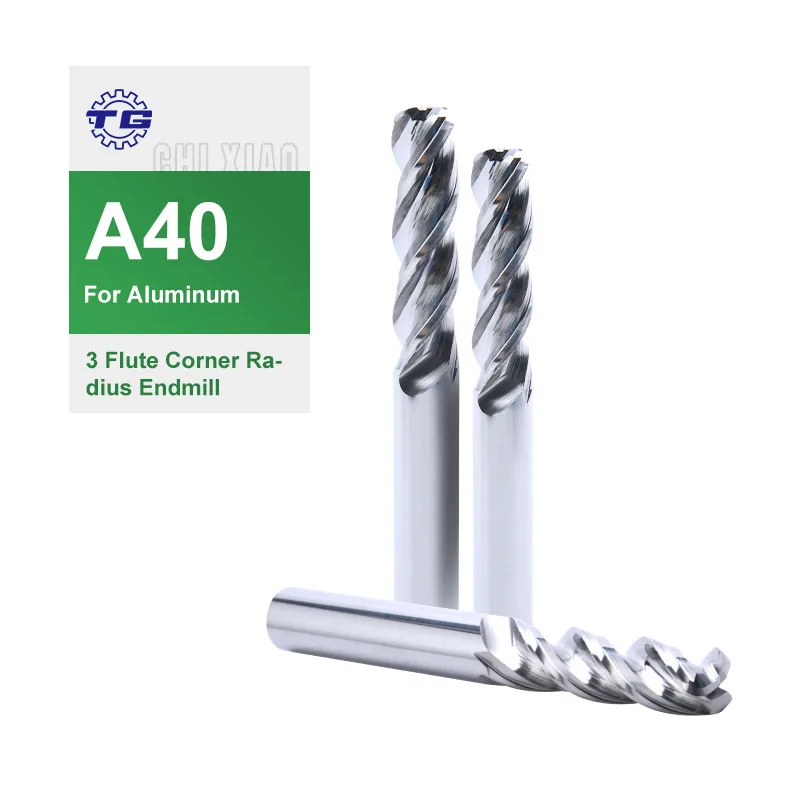
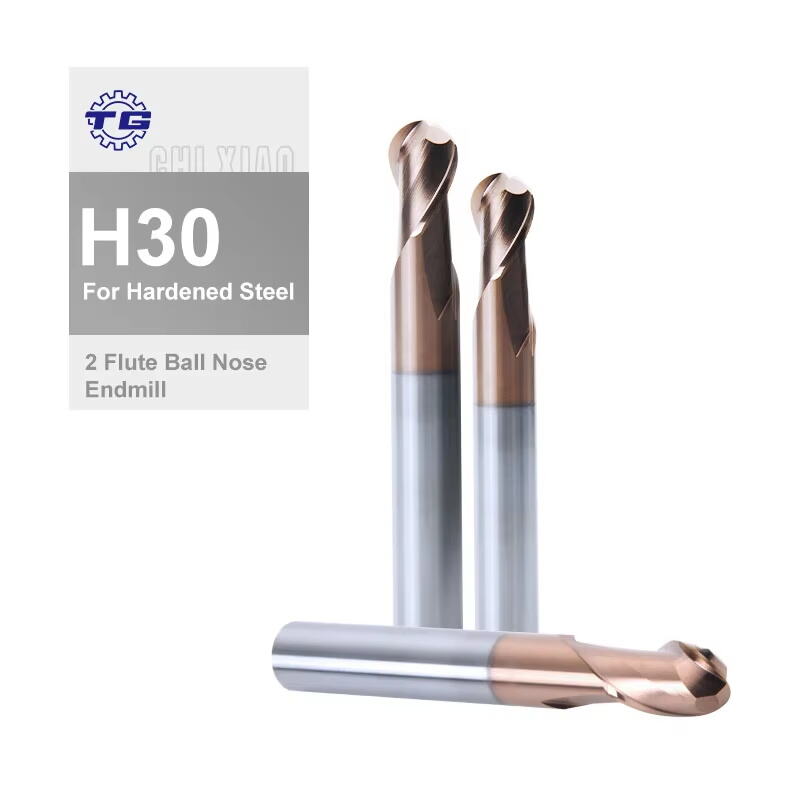
The carbide radius cutter represents a sophisticated cutting tool engineered for precision machining operations across diverse manufacturing environments. This specialized tool features rounded cutting edges manufactured from tungsten carbide, a material renowned for its exceptional hardness and wear resistance properties. The carbide radius cutter is specifically designed to create smooth, rounded profiles, fillets, and contoured surfaces on various workpiece materials including steel, aluminum, titanium, and exotic alloys. Its primary functions encompass finishing operations, deburring sharp edges, creating decorative profiles, and producing radiused corners that meet exact dimensional specifications. The technological features of this cutting tool include advanced carbide substrate compositions that maintain cutting edge integrity even under extreme thermal and mechanical stress. Modern carbide radius cutters incorporate multi-layer coatings such as titanium nitride, titanium carbonitride, or aluminum titanium nitride that significantly enhance surface hardness and reduce friction during cutting operations. The geometric design of the carbide radius cutter allows for consistent chip evacuation, minimizing heat buildup and extending tool longevity. These cutters are available in various radius sizes ranging from micro-radius configurations for intricate detail work to larger radius profiles for substantial edge breaking applications. The applications of carbide radius cutters span numerous industries including aerospace component manufacturing, automotive parts production, medical device fabrication, mold and die making, and general precision engineering. In aerospace applications, these tools create critical radiused features on turbine components and structural elements where stress concentration must be minimized. Automotive manufacturers utilize carbide radius cutters for transmission components, engine parts, and chassis elements requiring smooth transitions between surfaces. Medical device manufacturers depend on these precision tools to produce implants and surgical instruments with biocompatible surface finishes. The versatility of the carbide radius cutter makes it indispensable in both CNC machining centers and conventional milling operations, where operators require reliable performance and repeatable results across production runs.


New Products

The carbide radius cutter delivers substantial practical benefits that directly impact your manufacturing efficiency and product quality. First and foremost, these tools dramatically extend your operational lifespan compared to traditional high-speed steel cutters, meaning you spend less time changing tools and more time producing parts. This extended durability translates into lower tooling costs over time, as you purchase replacement cutters less frequently while maintaining consistent output quality. The superior hardness of carbide material allows these cutters to maintain sharp cutting edges through thousands of machining cycles, ensuring your finished parts meet specifications from the first piece to the last. You will notice improved surface finishes on your workpieces, reducing or eliminating secondary finishing operations that consume valuable production time and labor resources. The carbide radius cutter operates effectively at higher cutting speeds than conventional alternatives, enabling you to complete jobs faster and increase throughput without sacrificing precision. This speed advantage means you can take on more projects, meet tighter deadlines, and improve your competitive position in demanding markets. The enhanced wear resistance of carbide radius cutters maintains dimensional accuracy throughout extended production runs, giving you confidence that every part matches your quality standards. You will experience reduced downtime for tool changes and adjustments, keeping your machines productive and your operators focused on value-added activities rather than maintenance tasks. These cutters generate cleaner cuts with minimal burr formation, saving you post-processing effort and material waste. The thermal stability of carbide material means the tools perform consistently even in demanding high-temperature cutting environments, protecting your investment and ensuring predictable results. You gain versatility in material processing, as carbide radius cutters handle everything from soft aluminum to hardened steel with equal effectiveness. The precision ground cutting edges deliver repeatable performance across multiple setups, simplifying your process planning and quality control procedures. Your operators will appreciate the reduced cutting forces required when using carbide radius cutters, which minimizes machine wear and vibration while improving workplace safety. The advanced coating technologies applied to modern carbide radius cutters provide additional protection against chemical wear and built-up edge formation, further extending tool life in challenging applications. You benefit from reduced inventory requirements because these durable tools need replacement less often, freeing up capital for other business priorities. The consistent performance of carbide radius cutters simplifies your quality assurance processes, as dimensional variations between parts decrease significantly compared to less durable cutting tools.

Tips And Tricks

How does high speed steel differ from carbon steel?

30

Dec

How does high speed steel differ from carbon steel?

Manufacturing and machining industries rely heavily on selecting the right steel type for specific applications, with high speed steel and carbon steel representing two of the most significant categories in industrial tooling. Understanding the funda...
View More
Which Shapes of Carbide Inserts Are Best for Steel?

28

Feb

Which Shapes of Carbide Inserts Are Best for Steel?

When machining steel components, selecting the appropriate carbide inserts for steel becomes critical for achieving optimal performance, tool life, and surface finish quality. The geometry and shape of these cutting tools directly influence chip form...
View More
What Types of Milling Cutter Tools Are Best for Different Materials?

28

Feb

What Types of Milling Cutter Tools Are Best for Different Materials?

Modern manufacturing relies heavily on precision machining to create complex components across various industries. The selection of appropriate milling cutter tools forms the cornerstone of successful CNC operations, directly impacting surface finish...
View More
Why Are Carbide End Mills Better for Metal Cutting?

31

Mar

Why Are Carbide End Mills Better for Metal Cutting?

When it comes to precision metal cutting operations, the choice of cutting tool directly impacts productivity, surface finish quality, and overall manufacturing costs. Carbide end mills have emerged as the preferred solution for demanding metal cutti...
View More

Get a Free Quote

Our representative will contact you soon.
Email
Mobile
Name
Company Name
Message
0/1000

carbide radius cutter

Unmatched Durability for Maximum Production Value

Unmatched Durability for Maximum Production Value

The exceptional durability of the carbide radius cutter stands as its most compelling advantage for manufacturers seeking reliable long-term performance. Constructed from micrograin tungsten carbide substrates, these cutting tools resist wear mechanisms that rapidly degrade ordinary tooling materials. The molecular structure of carbide provides hardness levels approaching that of diamond, enabling the cutting edges to withstand abrasive contact with workpiece materials for extended periods without losing geometric integrity. This remarkable durability manifests in several practical ways that directly benefit your manufacturing operations. You will observe that carbide radius cutters maintain their original cutting edge sharpness through production runs that would completely exhaust multiple high-speed steel tools, reducing your per-part tooling cost substantially. The financial implications extend beyond simple replacement frequency, as consistent tool performance eliminates quality variations that occur when cutting edges deteriorate gradually. Your inspection costs decrease because parts machined throughout the tool life cycle maintain uniform dimensional characteristics and surface finish quality. The carbide radius cutter resists thermal degradation that causes softening and rapid failure in conventional tool materials, allowing sustained operation at elevated cutting speeds that improve productivity. Modern carbide grades incorporate specialized additives that enhance toughness alongside hardness, preventing the brittle fracture that historically limited carbide tool applications. This balanced property combination means your carbide radius cutter withstands interrupted cuts, variable feed rates, and other challenging conditions encountered in real-world production environments. The protective coatings applied to premium carbide radius cutters add another durability dimension by creating chemical barriers against reactive workpiece materials and coolants that would otherwise attack the substrate. These multilayer coatings also reduce friction at the tool-workpiece interface, decreasing heat generation and further extending operational life. The cumulative effect of these durability features transforms your manufacturing economics by reducing tooling expenditures, minimizing machine downtime, and stabilizing production schedules around predictable tool life expectations rather than unpredictable failures.
Precision Performance That Elevates Product Quality

Precision Performance That Elevates Product Quality

The carbide radius cutter delivers precision performance characteristics that directly elevate the quality of your finished products while simplifying manufacturing processes. The inherent rigidity of carbide material resists deflection under cutting forces that would bend or distort softer tool materials, ensuring that programmed dimensions translate accurately into physical features on your workpieces. This dimensional stability proves particularly valuable when creating radiused features where profile accuracy affects both aesthetic appearance and functional performance of finished components. Medical device manufacturers recognize this precision advantage when producing implants requiring exact contours for proper biological integration. Aerospace engineers depend on this accuracy when creating radiused transitions on structural components where stress concentration factors must remain within narrow tolerances. The sharp, cleanly defined cutting edges achievable through precision grinding of carbide material produce surface finishes that often eliminate downstream polishing or finishing operations entirely. You will observe that parts machined with carbide radius cutters exhibit consistent surface textures free from the torn or burnished characteristics common with dull or inappropriate tooling. This surface quality improvement reduces your manufacturing costs by eliminating secondary processes while potentially enabling premium pricing for superior finished products. The geometric stability of carbide radius cutters throughout their service life means your first production part and your thousandth production part exhibit virtually identical characteristics, simplifying statistical process control and reducing inspection sampling requirements. This consistency proves invaluable in regulated industries where documentation and traceability requirements demand proven process stability. The precision ground relief angles and rake geometries engineered into carbide radius cutters optimize cutting mechanics for specific material families, reducing cutting forces and vibration that compromise accuracy in less sophisticated tool designs. Your machine tools experience less wear and maintain their own accuracy longer when cutting forces remain controlled and balanced. The thermal stability of carbide material prevents the dimensional changes that occur when conventional tools expand and contract through heating and cooling cycles during operation. This temperature independence ensures that dimensions remain constant whether cutting the first pass of the day or operating continuously under demanding production conditions.
Versatile Application Capability Across Materials and Industries

Versatile Application Capability Across Materials and Industries

The versatile application capability of the carbide radius cutter makes it an indispensable tool across diverse manufacturing sectors and material types. Unlike specialized cutters designed for narrow application ranges, the carbide radius cutter adapts to varied machining challenges through its combination of material properties and geometric configurations. Manufacturers working with multiple material families appreciate the inventory simplification achieved by stocking carbide radius cutters that perform effectively across aluminum, steel, stainless steel, titanium, and exotic nickel alloys without requiring separate tool types for each material category. This versatility originates from the fundamental properties of tungsten carbide, which maintains hardness and cutting ability across the temperature ranges encountered when machining both easily cut and difficult materials. The carbide radius cutter transitions seamlessly from roughing operations that remove material quickly to finishing passes that create final surface characteristics, eliminating tool changes and reducing cycle times. Job shops serving varied customer bases particularly value this operational flexibility, as it enables rapid changeovers between different projects without extensive tool preparation. The range of available radius sizes accommodates everything from tiny edge breaks measuring fractions of a millimeter to substantial blending radii spanning several millimeters, providing geometric flexibility that matches diverse design requirements. Automotive transmission manufacturers use carbide radius cutters to create the precise gear tooth profiles and bearing surfaces that ensure quiet, efficient power transfer. Mold makers depend on these tools to produce the complex contoured surfaces and blended transitions that define injection molded part aesthetics and functionality. The carbide radius cutter performs equally well in both ferrous and non-ferrous materials, adapting through appropriate speed and feed selections rather than requiring different tool materials or geometries. This material versatility extends to challenging modern alloys including hardened tool steels, precipitation hardened stainless steels, and age-hardened titanium alloys that rapidly wear conventional cutting tools. Your programming flexibility increases because carbide radius cutters tolerate varied cutting strategies including climb milling, conventional milling, and adaptive toolpath approaches that optimize efficiency for specific geometric features. The coating options available on premium carbide radius cutters allow you to further customize performance for specific applications, with oxidation-resistant coatings for high-temperature alloys and low-friction coatings for adhesive materials like aluminum.
carbide radius cutter-0
carbide radius cutter-1

Get a Free Quote

Our representative will contact you soon.
Email
Mobile
Name
Company Name
Message
0/1000