carbide tipped milling cutters
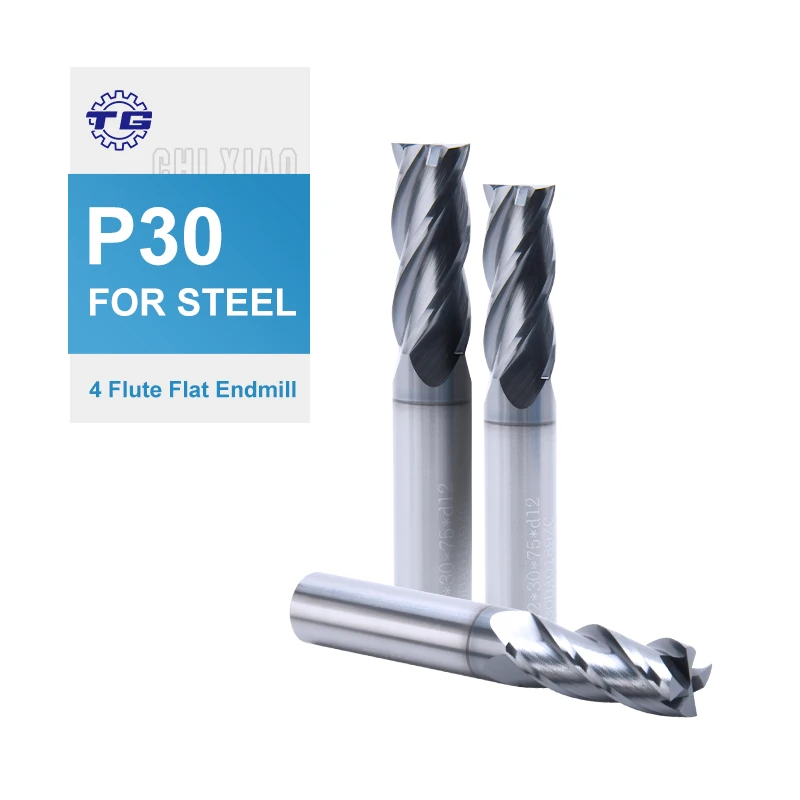
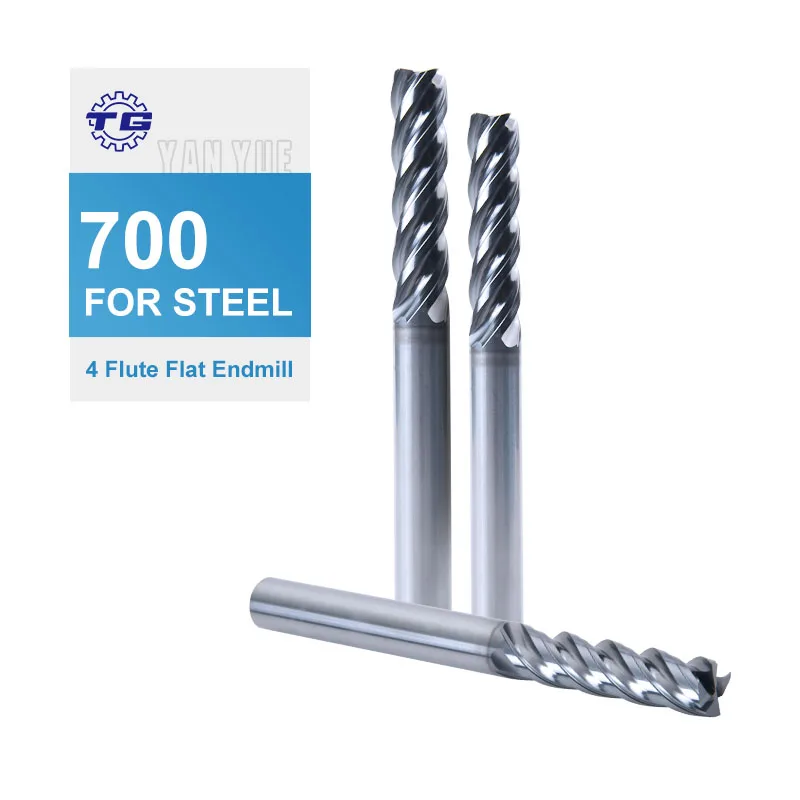
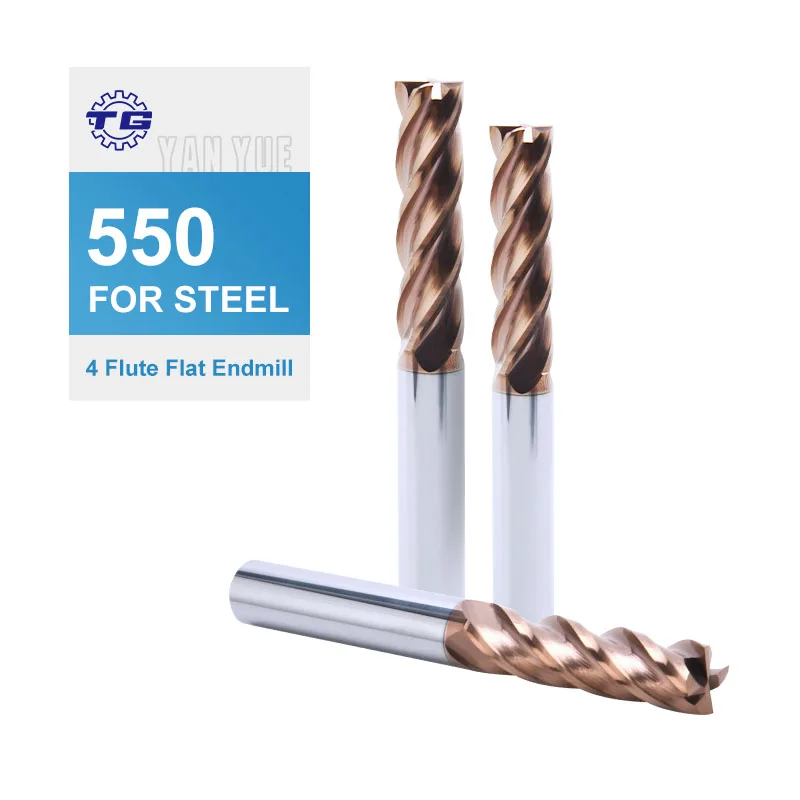
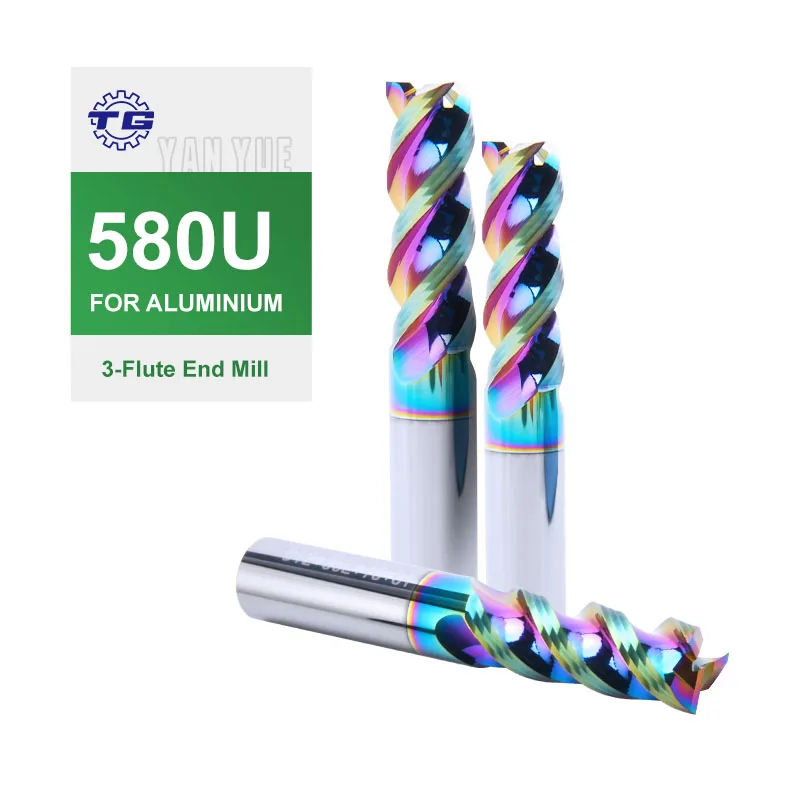
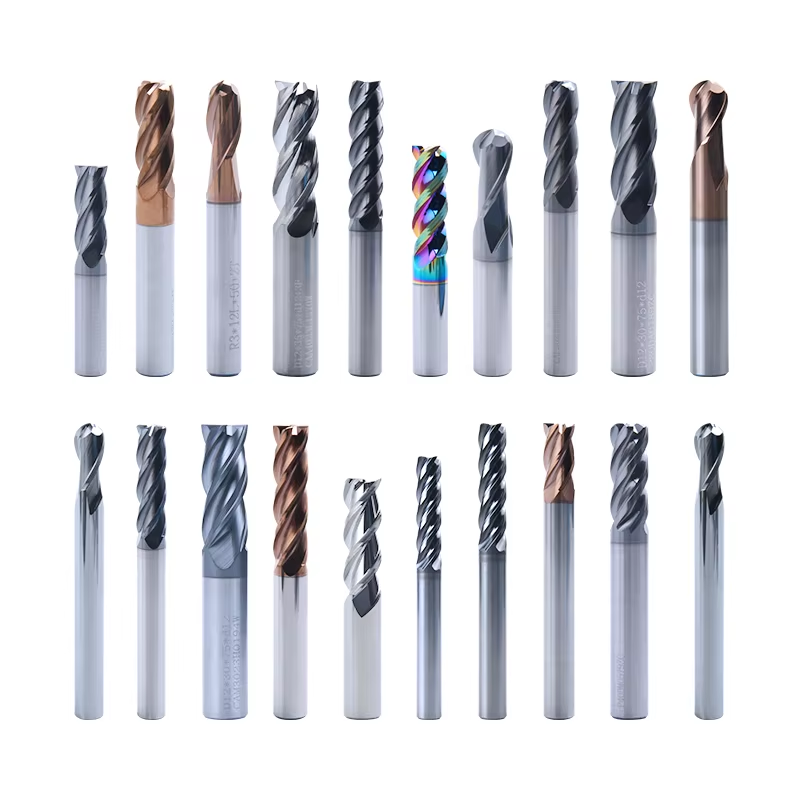
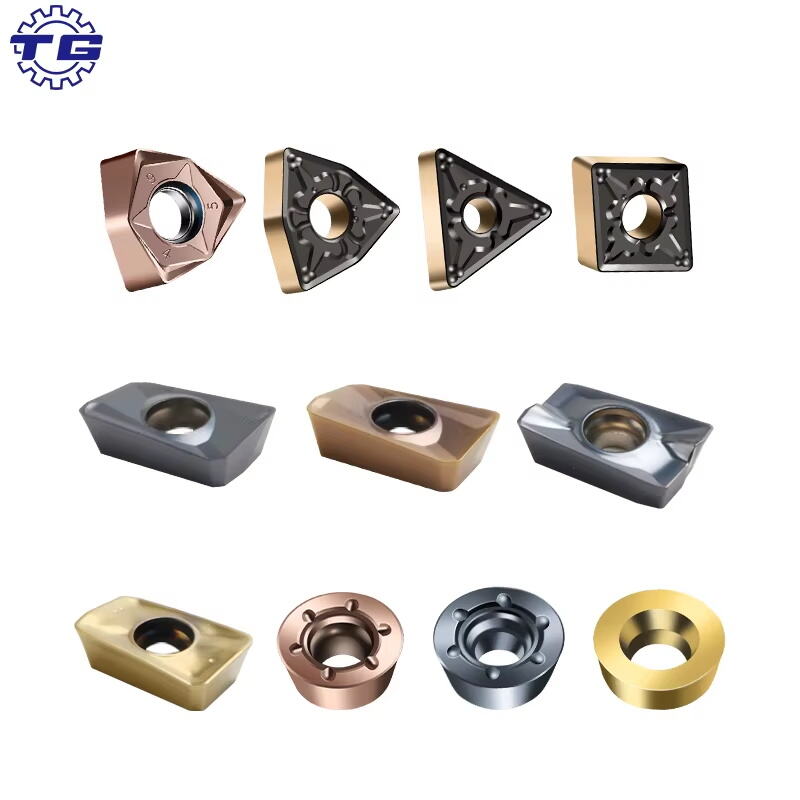
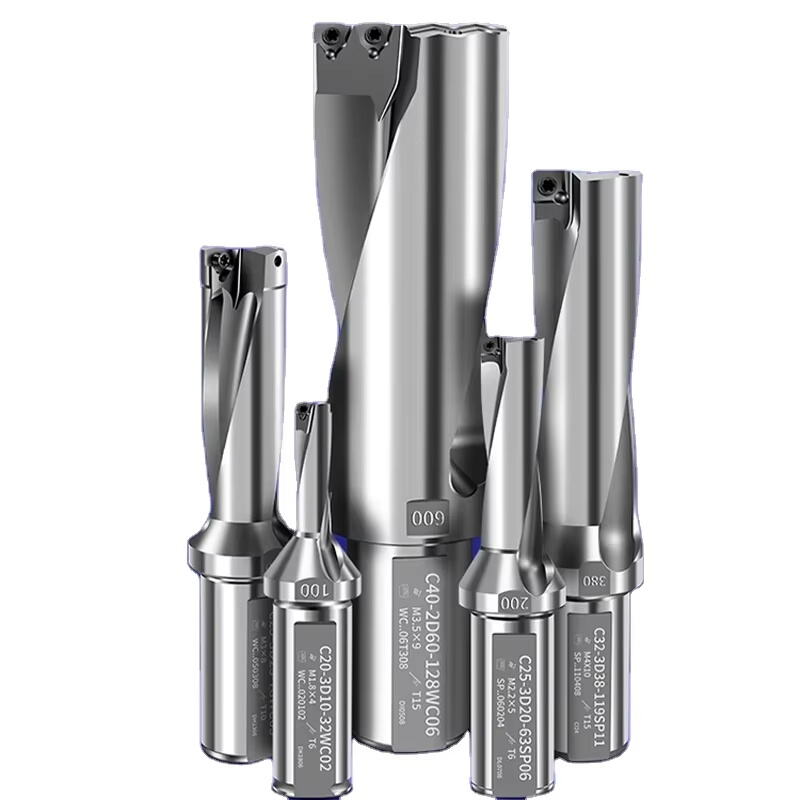
Carbide tipped milling cutters represent a significant advancement in metalworking and machining technology, offering superior performance for a wide range of industrial applications. These precision cutting tools feature hardened steel bodies with brazed carbide tips that deliver exceptional cutting capabilities and extended tool life. The fundamental purpose of carbide tipped milling cutters is to remove material from workpieces through rotary cutting action, creating precise shapes, slots, contours, and finished surfaces on metals, plastics, and composite materials. The technological foundation of these tools lies in the strategic combination of two materials: a tough, resilient steel shank that provides structural integrity and shock absorption, paired with ultra-hard carbide cutting edges that maintain sharpness even under extreme conditions. Carbide tipped milling cutters excel in operations requiring consistent accuracy and high material removal rates. Their design accommodates various milling operations including face milling, slot cutting, profiling, contouring, and general machining tasks. Manufacturing facilities rely on these cutters for production efficiency, as they withstand higher cutting speeds and feed rates compared to traditional high-speed steel alternatives. The carbide tips contain tungsten carbide particles bonded with cobalt, creating a material hardness that approaches diamond on the Mohs scale. This exceptional hardness translates directly into extended periods between tool changes and consistent dimensional accuracy throughout production runs. Industries such as automotive manufacturing, aerospace component production, general fabrication, mold making, and metalworking shops depend on carbide tipped milling cutters for their reliability and performance. The versatility of these tools spans multiple materials including aluminum, steel, stainless steel, cast iron, brass, bronze, and various engineering plastics. Modern carbide tipped milling cutters incorporate advanced geometries, including optimized rake angles, clearance angles, and chip breaker designs that enhance cutting efficiency while reducing cutting forces and heat generation during operation.

 EN
EN