Contact me immediately if you encounter problems!

All Categories

cemented carbide rod

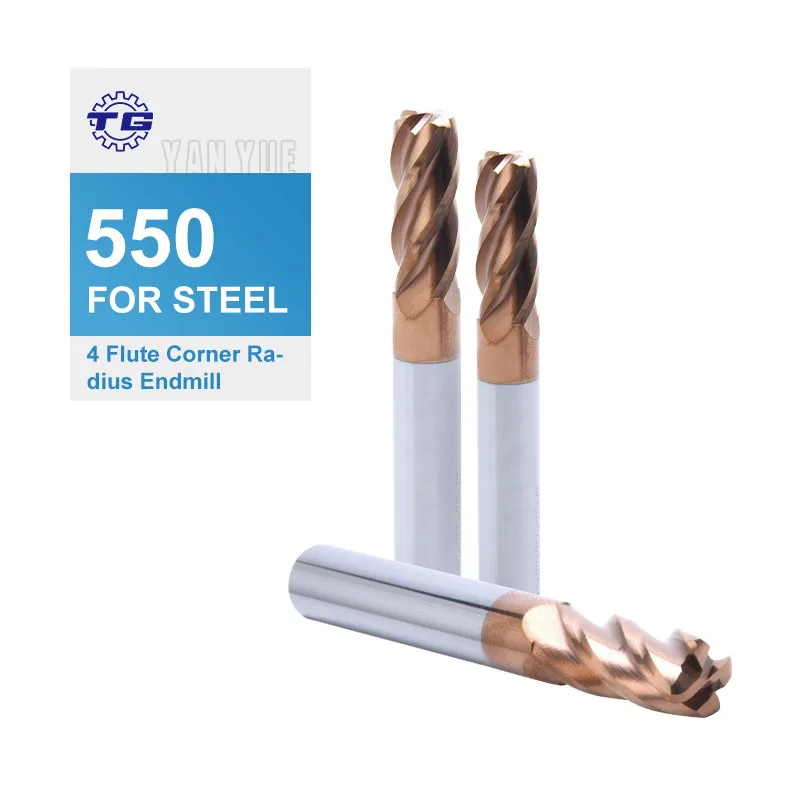
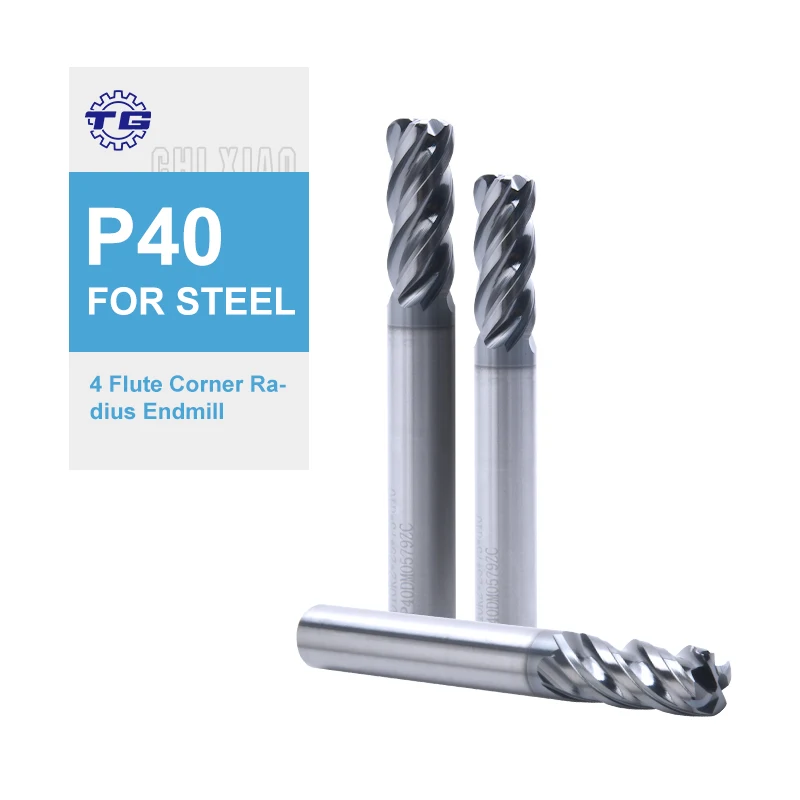
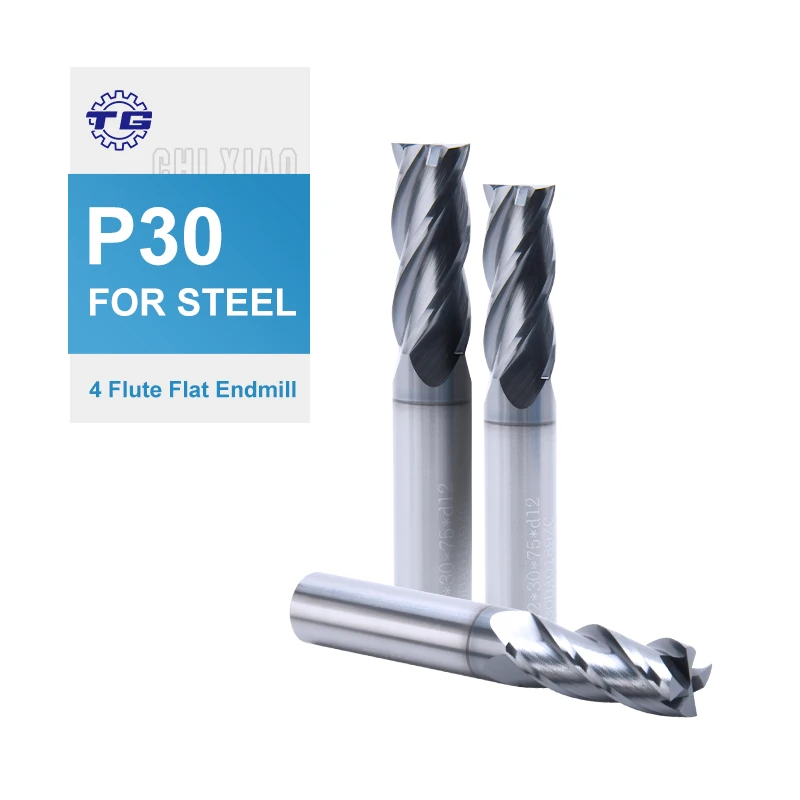
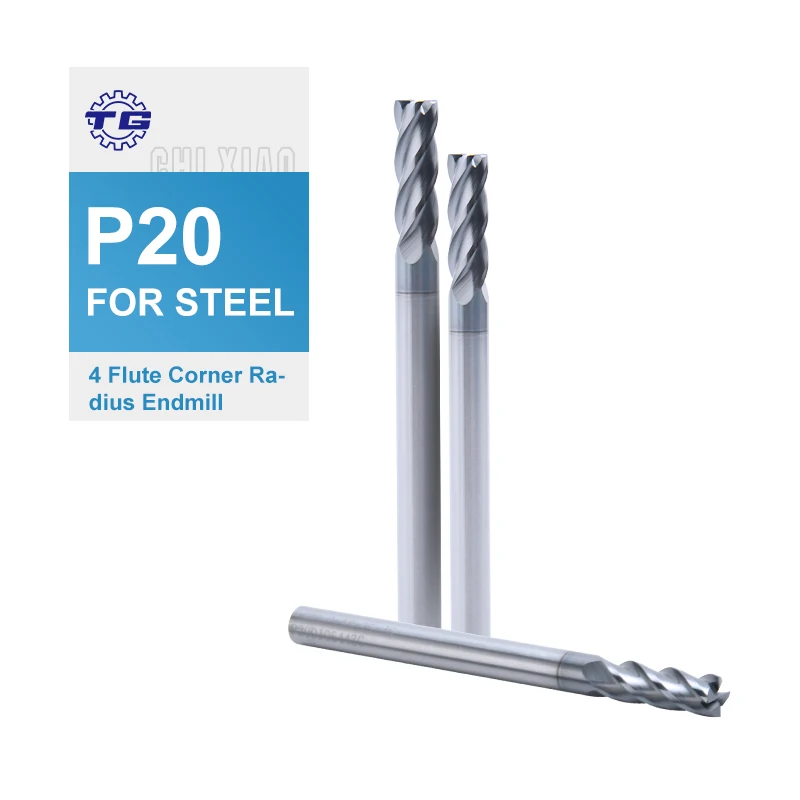
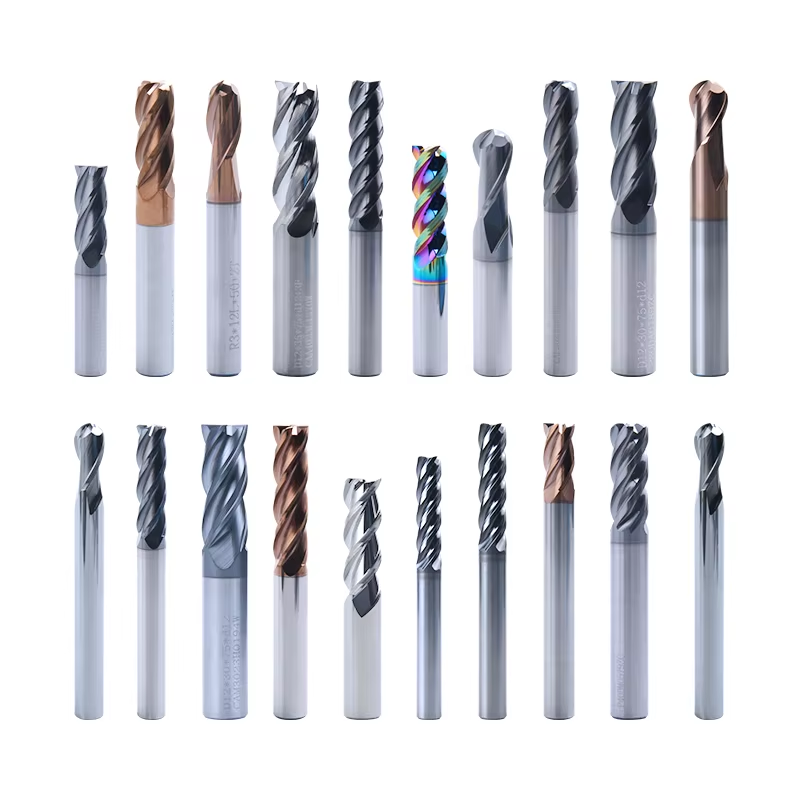
The cemented carbide rod represents a pinnacle of modern material engineering, combining exceptional hardness with remarkable toughness to serve diverse industrial manufacturing needs. This specialized rod is manufactured through a sophisticated powder metallurgy process, where tungsten carbide particles are bonded together with metallic cobalt or nickel binders under extreme pressure and temperature conditions. The result is a composite material that exhibits superior wear resistance, heat resistance, and mechanical strength compared to conventional steel alternatives. The primary functions of the cemented carbide rod include serving as raw material for cutting tool production, precision machining components, wear-resistant parts, and specialized industrial applications where durability is paramount. Its technological features encompass a microstructure that balances hardness with fracture toughness, allowing it to withstand both abrasive wear and impact loads without premature failure. The manufacturing process ensures uniform grain distribution throughout the rod, providing consistent performance characteristics across its entire length. Available in various grades and dimensions, the cemented carbide rod can be customized to meet specific application requirements, with different cobalt content ratios affecting the final properties. Higher cobalt content generally increases toughness while slightly reducing hardness, making it suitable for interrupted cutting operations. Lower cobalt grades offer maximum hardness for continuous cutting applications. The rod finds extensive applications in metalworking industries, particularly in producing end mills, drills, reamers, and other rotary cutting tools. Beyond cutting applications, it serves in manufacturing dies, punches, nozzles, and wear components for mining, oil drilling, and construction equipment. The material's ability to maintain its properties at elevated temperatures makes it invaluable for high-speed machining operations where conventional materials would quickly degrade. With its proven track record across multiple industries, the cemented carbide rod continues to be the material of choice for manufacturers seeking reliable, long-lasting performance in demanding operational environments.


New Product Releases

Choosing a cemented carbide rod delivers numerous practical benefits that directly impact your manufacturing efficiency and bottom line. The most immediate advantage is its exceptional longevity, as these rods outlast traditional steel alternatives by factors of ten or more in abrasive environments. This extended service life translates to fewer tool changes, reduced downtime, and lower overall operating costs despite the higher initial investment. Your production teams will spend less time replacing worn components and more time maintaining consistent output levels. The material's superior hardness allows for faster machining speeds without sacrificing surface finish quality, enabling you to increase throughput while meeting stringent quality standards. This speed advantage becomes particularly valuable in high-volume production scenarios where every second of cycle time reduction multiplies across thousands of parts. Another significant benefit is dimensional stability, as the cemented carbide rod maintains tight tolerances even under thermal stress and mechanical loads. This stability ensures your finished tools produce parts within specification throughout their entire service life, reducing scrap rates and rework expenses. The rod's heat resistance permits aggressive cutting parameters that would destroy conventional materials, opening possibilities for single-pass operations that previously required multiple steps. You will also appreciate the versatility these rods provide, as the same base material can be ground, machined with specialized equipment, and coated to create tools for diverse applications ranging from soft plastics to hardened steels. The predictable wear patterns of cemented carbide enable better production planning, as you can accurately forecast replacement schedules and maintain optimal inventory levels. Environmental benefits include reduced material waste due to longer tool life and decreased energy consumption from more efficient machining operations. The rod's resistance to chemical corrosion makes it suitable for applications involving cutting fluids, coolants, and other process chemicals that would degrade lesser materials. Manufacturing flexibility improves as well, since a single rod type can often address multiple applications through different grinding configurations. The consistent quality achieved through modern powder metallurgy processes means less variability between batches, helping you maintain uniform production standards. Additionally, the cemented carbide rod supports lean manufacturing initiatives by reducing the frequency of tool changeovers and associated setup times. Your workforce safety improves when tools break less frequently, eliminating dangerous projectile hazards and unexpected equipment failures. The material's proven performance record provides confidence when quoting delivery schedules to customers, knowing your tools will perform reliably throughout production runs. Investment in cemented carbide rod technology positions your operation competitively by enabling capabilities that customers increasingly expect as industry standards continue rising.

Practical Tips

How do different drill bit materials affect performance?

30

Dec

How do different drill bit materials affect performance?

Understanding the relationship between drill bit materials and their performance characteristics is crucial for professionals working in manufacturing, construction, and metalworking industries. The material composition of a drill bit directly influe...
View More
Why Do Milling Cutters Break and How to Prevent It?

10

Feb

Why Do Milling Cutters Break and How to Prevent It?

Manufacturing precision relies heavily on the performance and reliability of cutting tools, with the milling cutter serving as one of the most critical components in modern machining operations. Despite their robust design and engineering excellence,...
View More
How to Choose the Right Milling Cutter for Your Project?

10

Feb

How to Choose the Right Milling Cutter for Your Project?

Selecting the appropriate milling cutter for your machining project is a critical decision that directly impacts production efficiency, surface finish quality, and overall manufacturing costs. Whether you're working with aluminum, steel, or exotic al...
View More
What are the main uses of tungsten carbide?

28

Feb

What are the main uses of tungsten carbide?

Tungsten carbide represents one of the most versatile and durable materials in modern industrial applications, combining exceptional hardness with remarkable wear resistance. This compound material, formed by combining tungsten and carbon atoms in eq...
View More

Get a Free Quote

Our representative will contact you soon.
Email
Mobile
Name
Company Name
Message
0/1000

cemented carbide rod

Unmatched Wear Resistance for Extended Tool Life

Unmatched Wear Resistance for Extended Tool Life

The cemented carbide rod stands apart from competing materials through its extraordinary resistance to abrasive and adhesive wear mechanisms that quickly destroy conventional tooling. This wear resistance stems from the fundamental material composition, where extremely hard tungsten carbide particles form a continuous skeleton structure throughout the rod. These carbide grains, ranking between 8.5 and 9 on the Mohs hardness scale, provide the primary defense against abrasion from workpiece materials. The metallic binder phase, typically cobalt, holds these carbide particles together while contributing toughness that prevents brittle fracture. This dual-phase microstructure creates a synergistic effect where the hard carbide resists wear while the ductile binder absorbs impact energy. In practical applications, tools manufactured from cemented carbide rod routinely achieve service lives ten to fifty times longer than high-speed steel equivalents when machining abrasive materials like cast iron, composites, or hardened alloys. This longevity advantage directly reduces your per-part tooling costs despite the premium price of the raw material. The economic benefit becomes even more pronounced in automated manufacturing environments where unplanned tool failures disrupt production schedules and require operator intervention. With cemented carbide rod-based tools, you can confidently program extended unmanned machining cycles, knowing the tools will maintain their cutting edges throughout the operation. The wear resistance also ensures consistent part dimensions across the tool's service life, as the cutting edges degrade gradually rather than catastrophically. This predictability enables tighter process control and reduces the statistical variation in your manufactured parts. Furthermore, the material's resistance to crater wear on the rake face and flank wear on the clearance face means tools maintain their geometry longer, preserving chip evacuation characteristics and cutting forces throughout their useful life. The thermal stability of the carbide particles prevents softening at the elevated temperatures generated during high-speed machining, maintaining hardness even when cutting edges reach several hundred degrees. This hot hardness capability separates cemented carbide from tool steels that lose their temper and rapidly wear once critical temperatures are exceeded. For manufacturers facing competitive pressure to reduce costs while improving quality, the wear resistance of cemented carbide rod provides a proven solution that delivers measurable returns on investment through reduced tooling consumption and increased production uptime.
Superior Hardness Enabling Higher Productivity

Superior Hardness Enabling Higher Productivity

The impressive hardness characteristics of the cemented carbide rod unlock productivity improvements that transform manufacturing economics and competitive positioning. With typical hardness values ranging from 87 to 93 HRA depending on composition, these rods enable cutting tools that maintain sharp edges under conditions that would immediately dull lesser materials. This hardness advantage permits substantially higher cutting speeds, often two to five times faster than what high-speed steel tools can sustain. The productivity implications are profound, as cycle time reductions directly multiply across every part produced, enabling the same equipment to generate significantly higher output volumes. When you implement tools made from cemented carbide rod, machining operations that previously required multiple roughing and finishing passes can often be consolidated into single-pass operations, eliminating setups and reducing handling time. The material's hardness also supports smaller nose radii and sharper cutting edges, improving surface finish quality and dimensional accuracy while simultaneously reducing cutting forces. Lower cutting forces mean less deflection in the tool and workpiece, enabling tighter tolerances and better geometric control. This combination of speed and precision proves particularly valuable in industries like aerospace and medical device manufacturing where both productivity and quality are non-negotiable requirements. The cemented carbide rod's hardness remains stable across its working temperature range, preventing the thermal softening that limits other materials. As cutting speeds increase and frictional heating intensifies, conventional tool materials lose hardness and rapidly wear, but cemented carbide maintains its structural integrity and cutting ability. This thermal stability expands your process window, giving operators greater flexibility to optimize cutting parameters for different materials and geometries. The hardness also enables effective machining of difficult materials that wear other tools prohibitively fast, including heat-resistant superalloys, hardened tool steels, and abrasive composites that are increasingly common in modern manufacturing. Your ability to efficiently process these challenging materials opens new market opportunities and allows you to accept jobs that competitors cannot economically produce. Additionally, the cemented carbide rod's hardness supports the use of advanced coating technologies that further enhance performance. Modern PVD and CVD coatings adhere best to hard substrates, and the coating-substrate hardness differential affects wear patterns and coating longevity. The hard carbide substrate provides ideal support for these coatings, maximizing their effectiveness and extending tool life even further. The productivity gains from cemented carbide rod-based tools also reduce your facility's carbon footprint per part produced, as more components are manufactured with the same energy input and equipment utilization improves.
Exceptional Toughness Preventing Catastrophic Failures

Exceptional Toughness Preventing Catastrophic Failures

While hardness often receives primary attention, the toughness properties of the cemented carbide rod prove equally critical for reliable performance in demanding applications. Toughness represents the material's ability to absorb energy and plastically deform without fracturing, a characteristic essential for surviving interrupted cuts, vibration, and impact loads common in real-world machining environments. The cemented carbide rod achieves this toughness through careful control of the metallic binder content and grain size distribution during manufacturing. The cobalt or nickel binder phase acts as a shock absorber within the carbide skeleton, providing ductility that prevents crack propagation when tools encounter sudden loads or thermal shocks. This toughness prevents the catastrophic brittle fractures that end tool life prematurely and create safety hazards in production environments. When tools made from cemented carbide rod do eventually fail, they typically exhibit gradual wear rather than sudden breakage, providing visual warning signs that allow scheduled replacement before complete failure occurs. This predictable failure mode supports preventive maintenance strategies and avoids the costly consequences of unexpected tool breakage, including scrapped workpieces, damaged equipment, and production delays. The material's toughness becomes particularly important in milling operations where tools repeatedly enter and exit the cut, experiencing cyclic loading that can initiate fatigue cracks in brittle materials. Cemented carbide rod-based end mills and face mills successfully handle these interrupted cutting conditions that would quickly fracture more brittle alternatives. The toughness also enables tool designs with complex geometries including deep flutes, thin webs, and intricate chip breaker patterns that optimize performance but would be impossible in materials lacking adequate fracture resistance. For drilling applications, toughness prevents the tip fractures and chipping that commonly occur when breaking through workpiece exit surfaces or encountering hard inclusions within castings and forgings. The cemented carbide rod's balanced properties allow drill manufacturers to optimize point geometries for chip evacuation and cutting efficiency without compromising structural integrity. In threading and grooving operations where tools work in confined spaces with limited support, toughness prevents the edge chipping and fractures that plague rigid, brittle materials. Your operation benefits from reduced scrap and rework when tools survive contact with unexpected hard spots, scale, or interrupted surfaces that occur in real production scenarios. The toughness properties can be tailored by adjusting carbide grain size and binder content, allowing grade selection optimized for specific applications. Finer grain structures generally provide higher hardness with somewhat reduced toughness, ideal for finishing operations on stable machine tools. Coarser grain grades with higher binder content offer maximum toughness for roughing operations and applications involving vibration or interrupted cutting. This grade flexibility ensures you can specify the optimal balance of properties for each application rather than accepting a one-size-fits-all compromise.
cemented carbide rod-0
cemented carbide rod-1

Get a Free Quote

Our representative will contact you soon.
Email
Mobile
Name
Company Name
Message
0/1000