Contact me immediately if you encounter problems!

All Categories

carbide bar

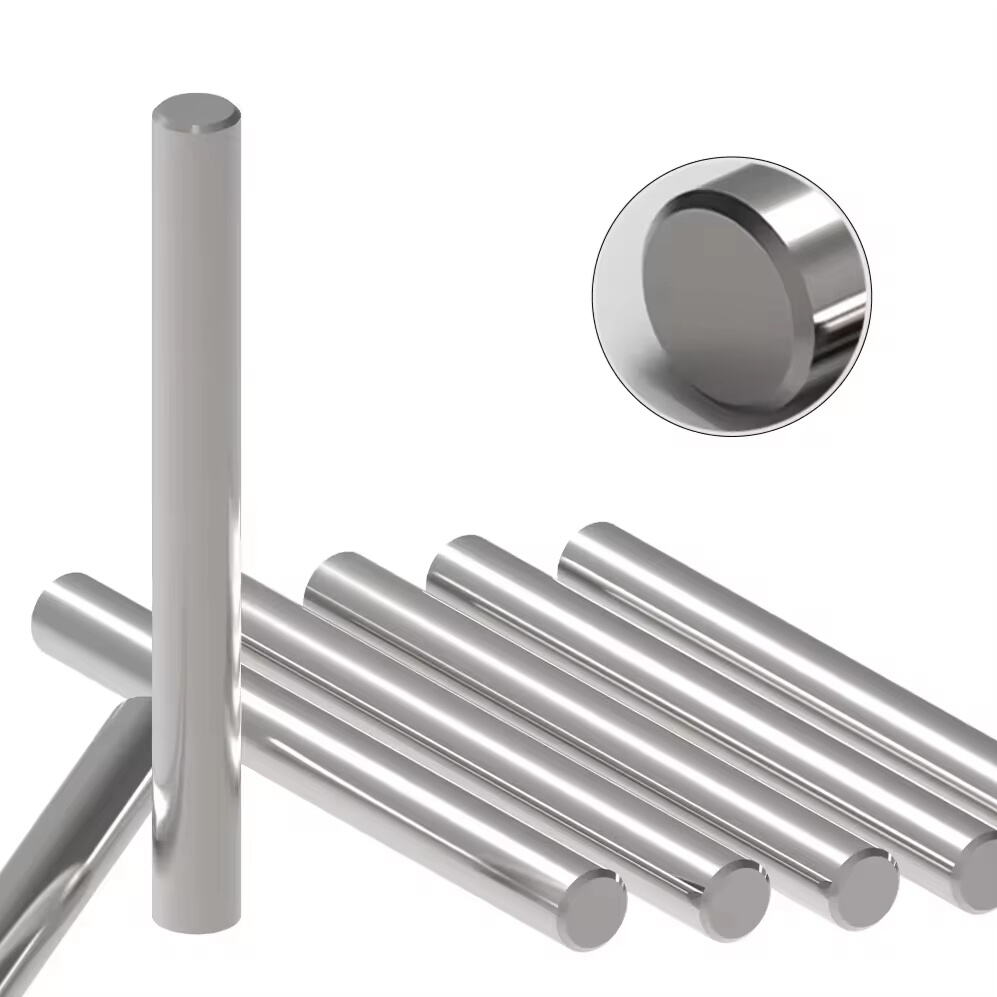
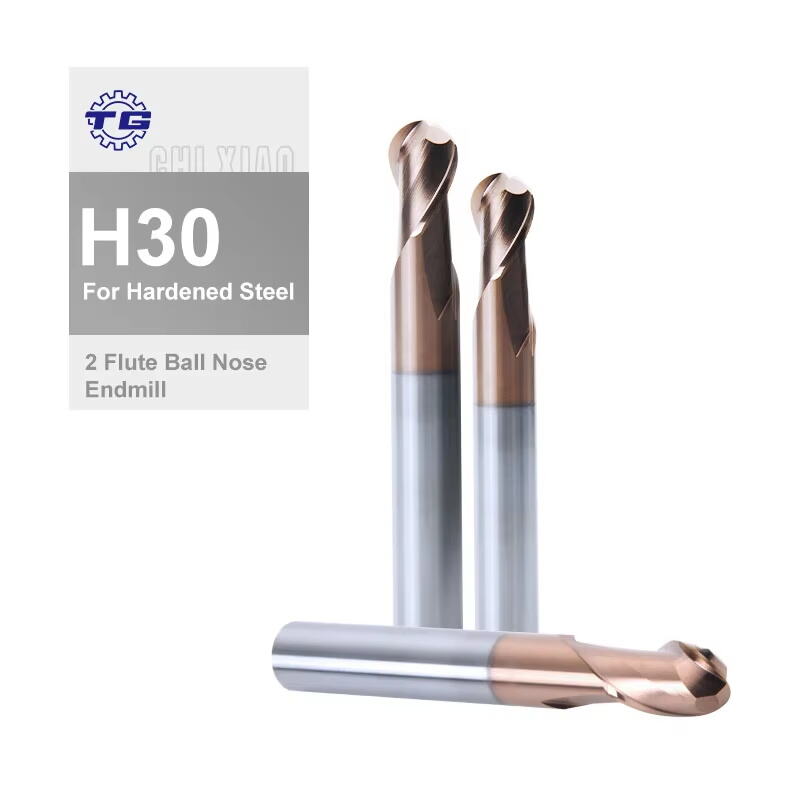
A carbide bar represents a fundamental component in modern manufacturing and industrial applications, serving as a solid rod manufactured from tungsten carbide material. This exceptional material combines tungsten and carbon through advanced powder metallurgy processes to create bars with outstanding hardness and durability. The carbide bar stands as an essential solution for producing cutting tools, wear parts, and precision components across numerous industries. Manufacturing facilities rely on these bars to create drills, end mills, reamers, and specialized cutting instruments that demand superior performance under extreme conditions. The production process involves mixing tungsten carbide powder with metallic binders, typically cobalt, then pressing the mixture into bar shapes before sintering at temperatures exceeding 1400 degrees Celsius. This sophisticated manufacturing method ensures uniform density and consistent mechanical properties throughout each carbide bar. The resulting product exhibits remarkable resistance to wear, maintains sharp edges during extended use, and performs reliably in high-temperature environments. Industries ranging from aerospace to automotive depend on carbide bar products for their ability to machine hardened steels, exotic alloys, and abrasive materials that would quickly destroy conventional tool materials. The technological advancement in carbide bar production has enabled manufacturers to offer various grades tailored to specific applications, with different grain sizes and binder content ratios optimizing performance for particular machining operations. Modern carbide bar specifications include straight cylindrical forms, precision ground surfaces, and tight dimensional tolerances that facilitate efficient tool manufacturing. These bars serve as raw material for creating custom tools through grinding, electrical discharge machining, and other precision fabrication methods, making them indispensable in contemporary metalworking operations.

New Product Recommendations

Choosing a carbide bar for your manufacturing needs delivers multiple practical benefits that directly impact your production efficiency and bottom line. First, these bars provide exceptional longevity compared to traditional high-speed steel alternatives, lasting up to fifty times longer in demanding cutting applications. This extended service life means you spend less time changing tools and more time producing parts, directly increasing your productivity and reducing downtime costs. The superior hardness of each carbide bar enables it to maintain sharp cutting edges even when working with tough materials like stainless steel, titanium, or hardened alloys. You gain the ability to machine at higher speeds and feeds, completing jobs faster while achieving better surface finishes on your workpieces. The heat resistance inherent in carbide bar construction allows cutting operations to proceed at elevated temperatures without softening or dulling, meaning your tools maintain their effectiveness throughout extended production runs. Cost efficiency becomes apparent when you calculate the total ownership expenses, as the initial investment in carbide bar tooling pays dividends through reduced replacement frequency and improved machining capabilities. Your facility benefits from decreased inventory requirements since fewer replacement tools need to be kept on hand, freeing up storage space and reducing capital tied up in spare tooling. The dimensional stability of carbide bar products ensures consistent performance and predictable tool life, helping you plan maintenance schedules and budget more accurately. You experience improved part quality because carbide bar tools maintain their geometry longer, producing parts within specification for extended periods without adjustment. The versatility of these bars supports diverse applications from roughing to finishing operations, allowing you to standardize on one material platform across multiple machining processes. Environmental benefits emerge from reduced waste generation, as longer tool life means fewer discarded cutting implements entering waste streams. Your operators appreciate the reliability of carbide bar tooling, as consistent performance reduces troubleshooting time and allows them to focus on value-added activities rather than constant tool management. The availability of various grades lets you match specific carbide bar characteristics to your exact application requirements, optimizing performance for whether you need maximum toughness, finest edge sharpness, or best heat resistance for your particular manufacturing challenges.

Practical Tips

What is high speed steel and how does it work?

30

Dec

What is high speed steel and how does it work?

High speed steel represents one of the most significant innovations in metallurgy and machining technology. This specialized alloy has revolutionized manufacturing processes across countless industries, enabling precision cutting operations at speeds...
View More
When should you use carbide vs HSS end mill cutters?

10

Feb

When should you use carbide vs HSS end mill cutters?

Selecting the right cutting tool for machining operations is crucial for achieving optimal performance, surface finish, and tool longevity. The choice between carbide and high-speed steel (HSS) end mill cutters significantly impacts manufacturing eff...
View More
What industries rely most on high-speed steel tools?

31

Mar

What industries rely most on high-speed steel tools?

High-speed steel tools have become indispensable across numerous industrial sectors due to their exceptional hardness, heat resistance, and cutting performance. These specialized cutting implements maintain their sharpness and structural integrity ev...
View More
What are the differences between high-speed steel and carbide tools?

31

Mar

What are the differences between high-speed steel and carbide tools?

Manufacturing professionals constantly face critical decisions about cutting tool selection, with material choice being perhaps the most fundamental consideration. The choice between high-speed steel and carbide tools directly impacts machining perfo...
View More

Get a Free Quote

Our representative will contact you soon.
Email
Mobile
Name
Company Name
Message
0/1000

carbide bar

Unmatched Durability and Wear Resistance for Extended Tool Life

Unmatched Durability and Wear Resistance for Extended Tool Life

The primary distinguishing characteristic of any carbide bar lies in its extraordinary resistance to wear and abrasion, a property that transforms manufacturing economics and operational efficiency. When you select a carbide bar for tool production, you invest in material science that delivers hardness levels reaching 90 HRA on the Rockwell scale, substantially exceeding what conventional tool materials can achieve. This exceptional hardness translates directly into tools that resist the grinding forces encountered during metal removal operations, maintaining their cutting geometry through thousands of parts where standard materials would fail. The wear resistance stems from the tungsten carbide crystalline structure, where incredibly hard carbide particles suspended in a metallic binder matrix create a composite material that combines hardness with sufficient toughness to resist fracture. Manufacturing facilities implementing carbide bar tooling report dramatic reductions in tool replacement frequency, with some applications showing tool life improvements of thirty to fifty times compared to high-speed steel alternatives. This extended durability means your production lines experience fewer interruptions for tool changes, maintaining consistent output and meeting delivery schedules more reliably. The economic impact extends beyond simple replacement cost savings, as reduced tool changes decrease machine downtime, lower labor costs associated with tool management, and minimize the risk of scrapped parts from worn tooling. Your quality assurance processes benefit because carbide bar tools maintain dimensional accuracy longer, producing parts within tolerance for extended periods and reducing the frequency of in-process inspections and adjustments. The wear resistance proves particularly valuable when machining abrasive materials like composites, cast iron with hard inclusions, or alloys containing ceramic particles that rapidly destroy conventional cutting tools. In these demanding applications, a carbide bar derived tool may represent the only economically viable solution, enabling you to accept jobs and manufacture products that would otherwise be impractical. The predictable wear patterns of carbide bar tooling also support implementation of preventive maintenance strategies, allowing you to schedule tool changes during planned downtime rather than experiencing unexpected failures during production runs.
Superior Heat Resistance Enabling High-Performance Machining Operations

Superior Heat Resistance Enabling High-Performance Machining Operations

Temperature management represents a critical challenge in metalworking operations, and the carbide bar excels in this demanding environment through its remarkable ability to maintain hardness and structural integrity at elevated temperatures. While conventional tool steels begin softening at temperatures around 200 degrees Celsius, a properly formulated carbide bar retains its hardness and cutting ability at temperatures exceeding 800 degrees Celsius, opening possibilities for aggressive machining parameters that dramatically improve productivity. This heat resistance allows you to operate at cutting speeds two to three times higher than what high-speed steel tooling can sustain, directly reducing cycle times and increasing the number of parts you produce per shift. The thermal stability of carbide bar material means the cutting edge maintains its geometry even as friction and plastic deformation generate intense heat at the tool-workpiece interface. Your manufacturing operations benefit from this stability through consistent chip formation, predictable cutting forces, and reliable surface finish quality throughout the tool life. The ability to machine at higher speeds without coolant flooding becomes possible with carbide bar tooling, reducing fluid costs and environmental concerns while improving chip evacuation and operator visibility of the cutting process. Applications involving interrupted cuts, where tools repeatedly enter and exit the workpiece, particularly benefit from carbide bar heat resistance as the thermal cycling would cause conventional materials to develop cracks and fail prematurely. Your facility gains competitive advantages when you can offer faster turnaround times enabled by the higher material removal rates that carbide bar tooling supports. The reduced heat sensitivity also proves valuable in precision applications where thermal expansion could compromise dimensional accuracy, as carbide bar tools remain more dimensionally stable under varying thermal loads. Industries manufacturing aerospace components, automotive engine parts, and medical devices rely heavily on this thermal performance to achieve the tight tolerances and surface quality specifications their products demand. The heat resistance combines synergistically with the wear resistance, as many wear mechanisms accelerate at elevated temperatures, meaning the thermal stability of carbide bar material provides compounding benefits for tool longevity and performance consistency throughout demanding production environments.
Precision Manufacturing Capabilities Supporting Custom Tool Production

Precision Manufacturing Capabilities Supporting Custom Tool Production

The versatility of carbide bar products extends beyond material properties to encompass the manufacturing possibilities these bars enable for creating customized cutting tools and specialized components. When you purchase a carbide bar, you acquire raw material that supports numerous fabrication methods including precision grinding, wire electrical discharge machining, laser cutting, and even modern additive manufacturing techniques for carbide materials. This fabrication flexibility allows tool manufacturers and end users with in-house tool rooms to create exactly the cutting tool geometry required for specific applications, rather than settling for standard catalog offerings that may compromise performance. The consistent material properties throughout each carbide bar ensure that tools manufactured from different sections of the same bar, or even different bars from the same production lot, deliver equivalent performance characteristics. This consistency proves essential for manufacturing environments requiring multiple identical tools for gang milling operations or where tool standardization across multiple machines improves inventory management and operator training. The availability of carbide bar stock in various diameters, from small rods suitable for micro-tools to large bars for heavy-duty applications, means you can select the most economical size that minimizes material waste during tool fabrication. Modern carbide bar grades offer optimized combinations of hardness, toughness, and wear resistance tailored to specific application categories, whether you need maximum crater resistance for steel machining, best edge toughness for interrupted cuts, or finest grain size for ultra-sharp cutting edges on finishing tools. Your engineering team can specify the exact carbide bar grade matching your application requirements, then design custom tool geometries that optimize chip evacuation, cutting forces, and tool life for your specific workpiece materials and machining conditions. The precision ground surfaces available on premium carbide bar products reduce the amount of material removal required during tool fabrication, lowering manufacturing costs and accelerating delivery times for custom tooling. Complex geometries including helical flutes, variable helix angles, and specialized cutting edge preparations become achievable when starting with quality carbide bar material that machines predictably and maintains dimensional stability throughout the fabrication process. This customization capability proves particularly valuable for manufacturers producing specialized products where standard tooling simply cannot achieve the required results, enabling innovation and competitive differentiation through superior manufacturing capabilities.

carbide bar-0
carbide bar-1

Get a Free Quote

Our representative will contact you soon.
Email
Mobile
Name
Company Name
Message
0/1000