Contact me immediately if you encounter problems!

All Categories

carbide steel rod

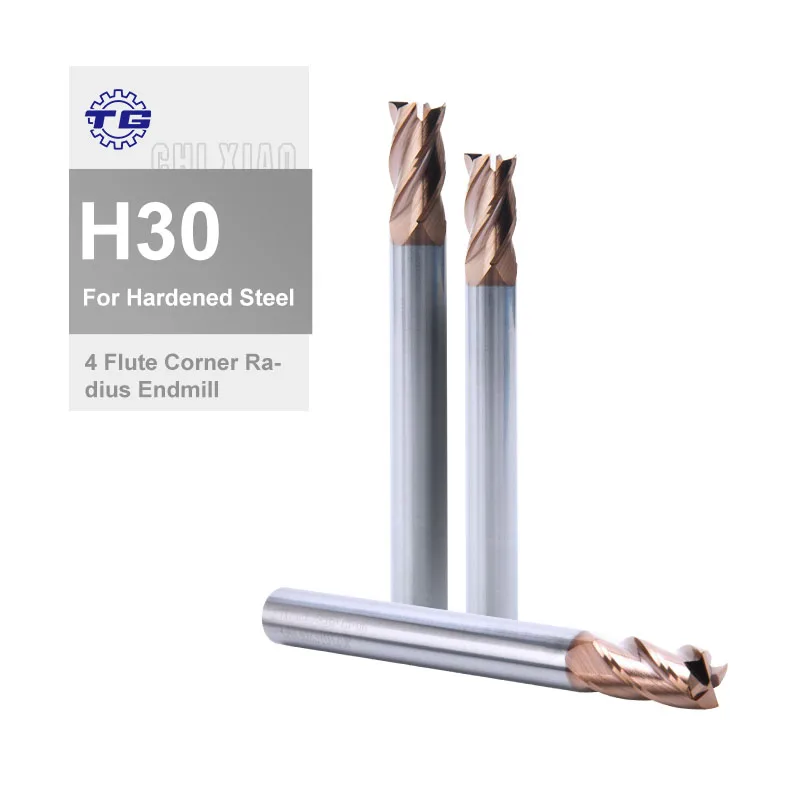
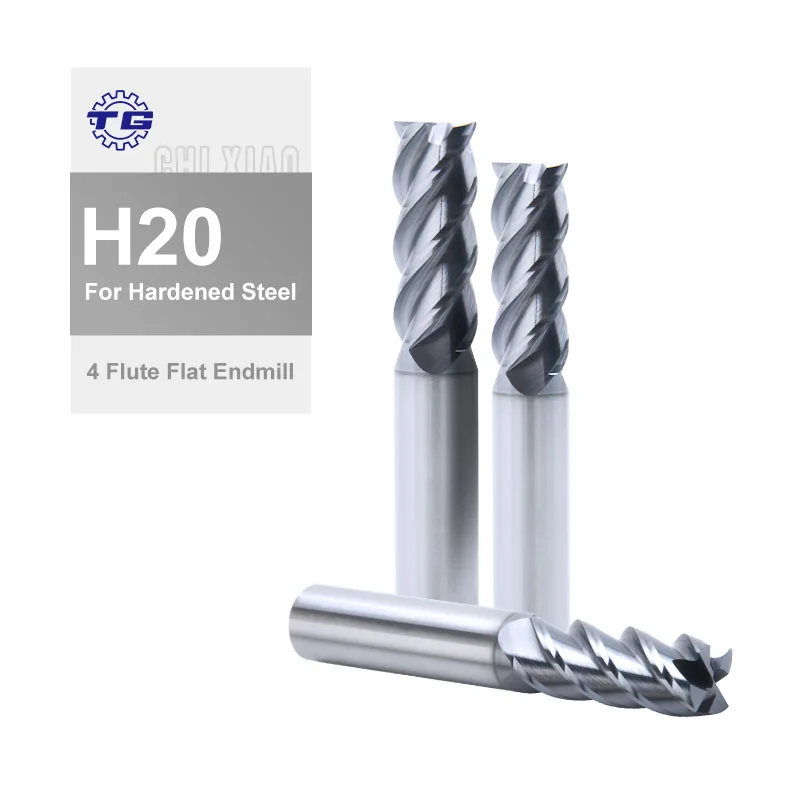
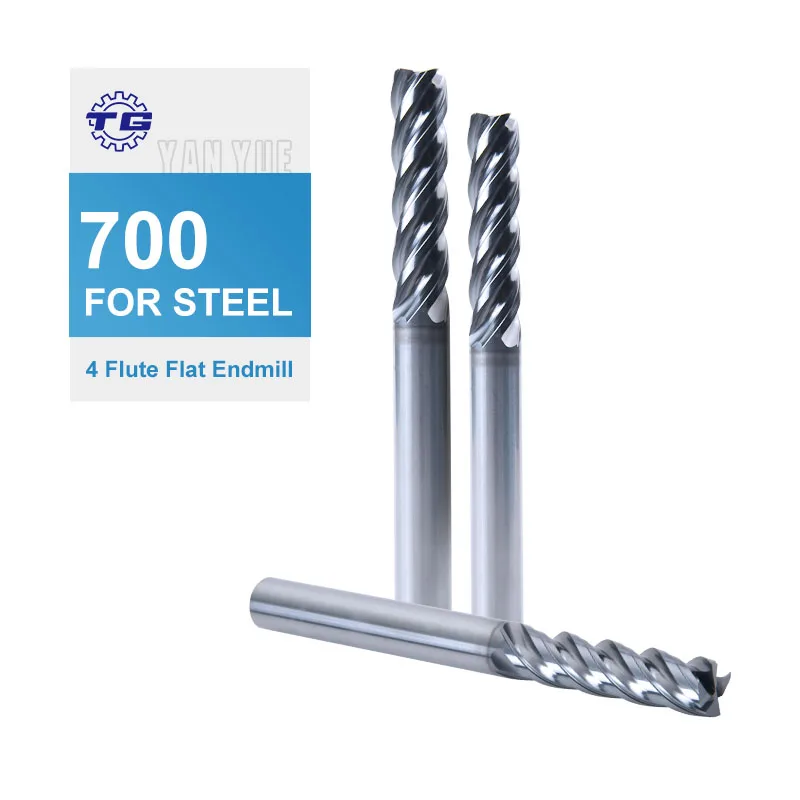
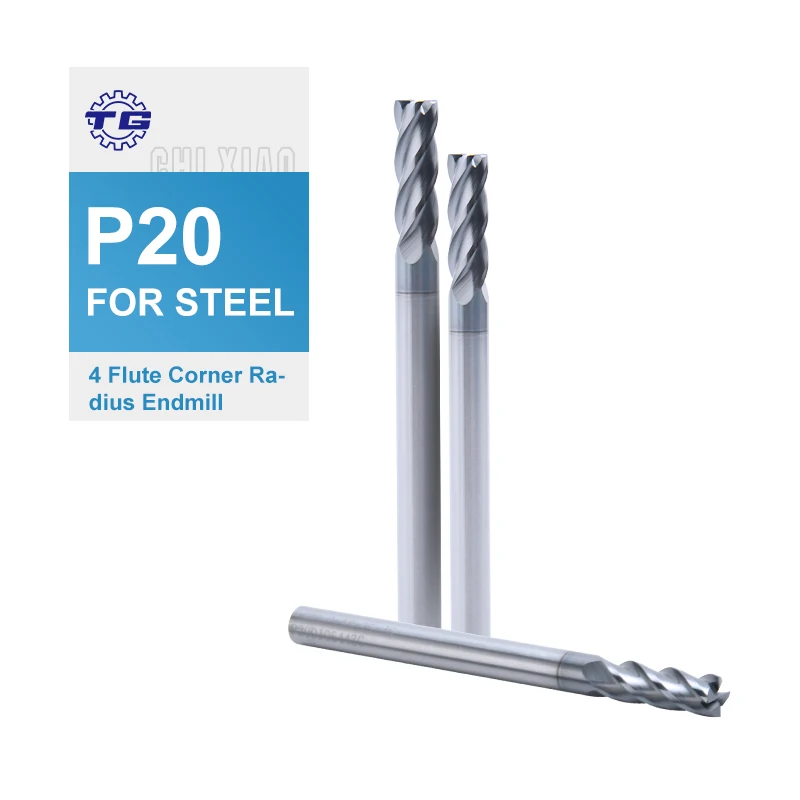
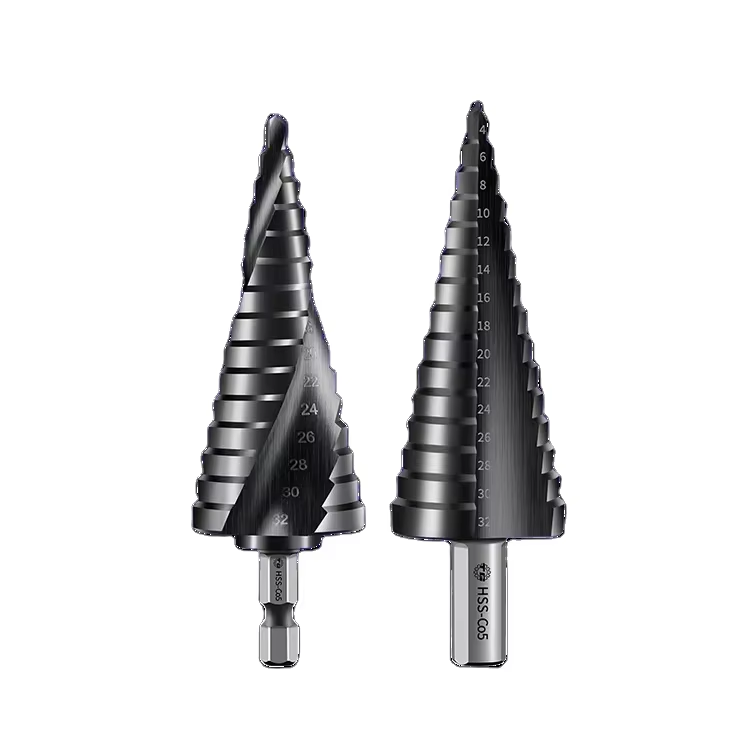
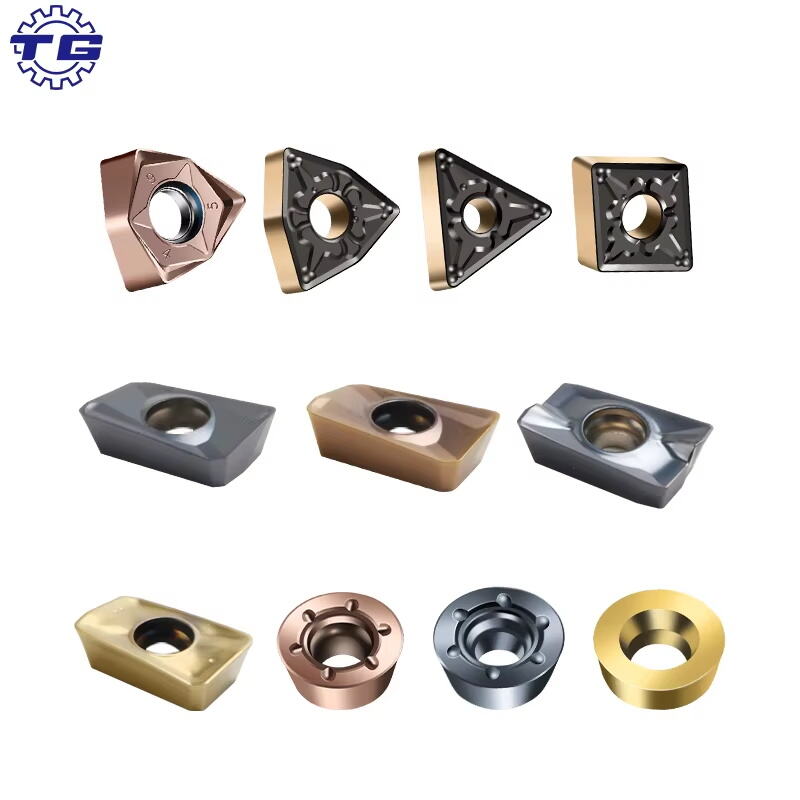
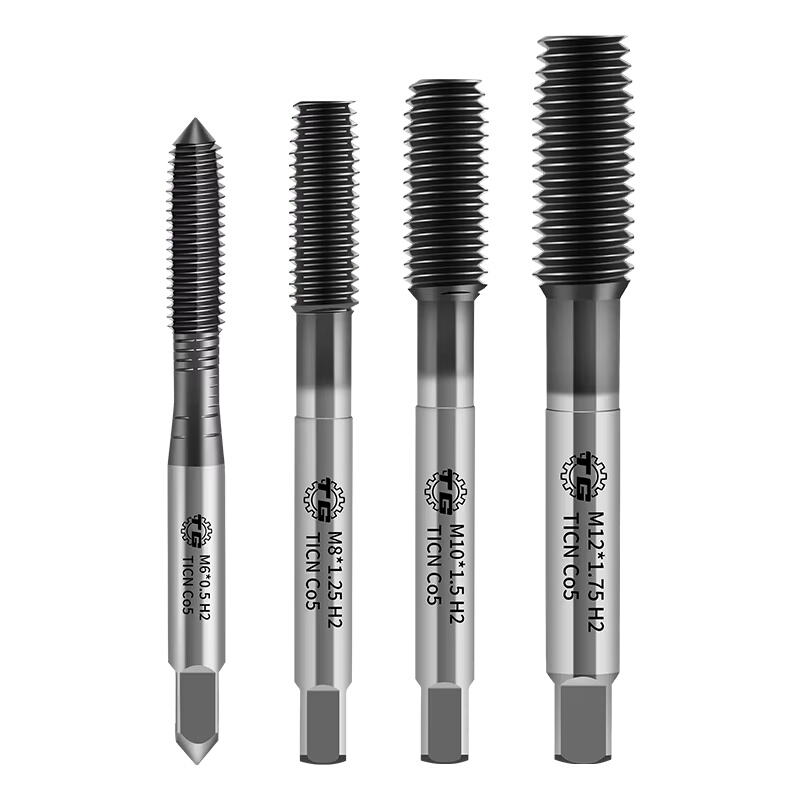
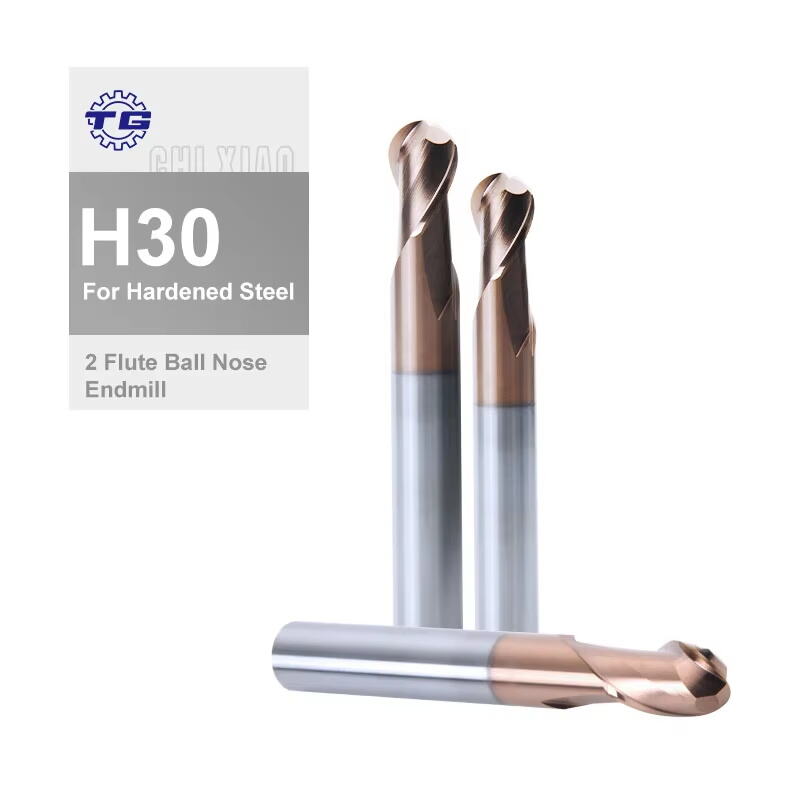
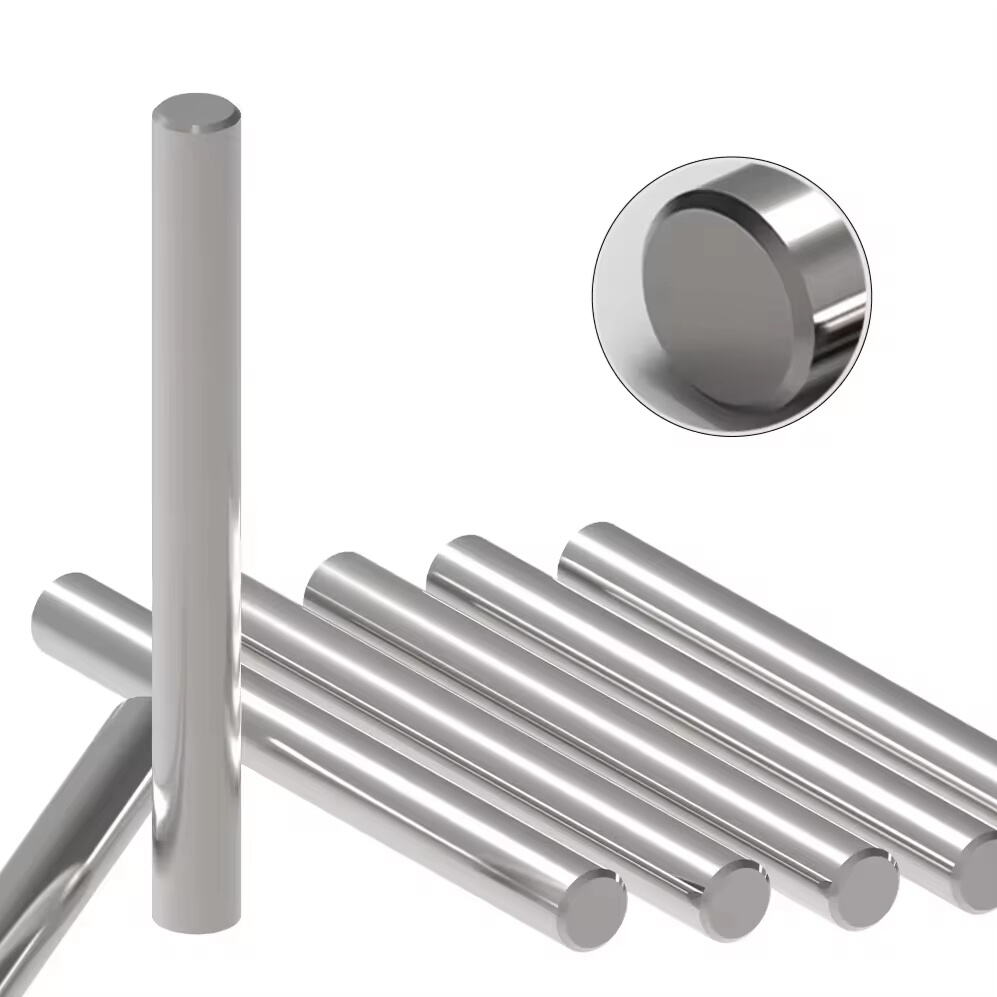
The carbide steel rod represents a remarkable achievement in modern materials engineering, combining the hardness of carbide compounds with the structural integrity of steel to create a versatile tool that serves countless industrial applications. This advanced material solution has become indispensable across manufacturing, construction, and precision engineering sectors worldwide. A carbide steel rod is fundamentally a composite material where tungsten carbide particles are either bonded to or integrated within a steel matrix, resulting in a product that exhibits exceptional wear resistance, superior hardness, and remarkable durability under extreme conditions. The main functions of this innovative material include serving as cutting tools, drill bits, wear-resistant components, and structural elements in high-stress environments. The technological features that distinguish the carbide steel rod from conventional materials are numerous and significant. The manufacturing process involves powder metallurgy techniques or coating methods that ensure uniform distribution of carbide particles throughout the steel substrate, creating a homogeneous structure with predictable performance characteristics. This carbide steel rod maintains its hardness even at elevated temperatures, making it suitable for high-speed machining operations where friction generates substantial heat. The material exhibits minimal thermal expansion, ensuring dimensional stability during temperature fluctuations. Applications for the carbide steel rod span diverse industries, from automotive manufacturing where it machines engine components, to aerospace engineering where precision and reliability are paramount. Construction companies utilize these rods for drilling through concrete and rock formations, while woodworking professionals depend on them for cutting dense hardwoods. The medical device industry employs carbide steel rod technology in surgical instruments that require both sharpness and biocompatibility. Mining operations rely on these robust materials for extraction equipment that must withstand abrasive conditions continuously. The versatility of the carbide steel rod makes it an essential component in modern industrial processes, delivering consistent performance that directly translates to improved productivity and reduced operational costs for businesses across all sectors.

New Product Recommendations

When businesses invest in carbide steel rod technology, they unlock a comprehensive range of practical benefits that directly impact their bottom line and operational efficiency. The foremost advantage lies in the extraordinary longevity these rods provide compared to traditional steel alternatives. A typical carbide steel rod lasts between five to twenty times longer than standard steel tools, dramatically reducing replacement frequency and associated downtime costs. This extended service life means fewer interruptions to production schedules and lower inventory requirements for spare components. The superior hardness of the carbide steel rod enables it to maintain sharp cutting edges for extended periods, ensuring consistent quality in finished products without frequent tool changes or adjustments. Manufacturing facilities appreciate how this material reduces labor costs associated with tool maintenance, as workers spend less time replacing worn components and more time on productive tasks. The carbide steel rod delivers exceptional performance in high-speed operations where conventional materials would fail quickly due to heat buildup and wear. This capability allows businesses to increase production speeds without sacrificing quality or tool life, directly boosting output and profitability. Another significant advantage is the precision that carbide steel rod technology affords in machining operations. The material's resistance to deformation under stress ensures that dimensional tolerances remain tight throughout the tool's lifespan, critical for industries where specifications must be met consistently. Companies working with hard materials like stainless steel, titanium, or hardened alloys find that carbide steel rod tools are often the only viable solution for efficient processing. The versatility of these rods means businesses can standardize on fewer tool types while handling a broader range of materials and applications, simplifying inventory management and reducing capital tied up in specialized equipment. Cost efficiency becomes apparent when calculating total ownership expenses rather than just initial purchase price. While the carbide steel rod may cost more upfront than conventional alternatives, the extended lifespan, reduced downtime, lower maintenance requirements, and improved productivity create substantial savings over time. Environmental benefits also deserve consideration, as longer-lasting tools generate less waste and require fewer resources for manufacturing replacements. The carbide steel rod performs reliably across temperature extremes, from freezing conditions in outdoor construction to the intense heat of metalworking operations, providing consistent results regardless of environmental challenges. Businesses also benefit from the material's resistance to corrosion and chemical degradation, making it suitable for harsh environments where other materials would deteriorate rapidly. The reduced vibration during cutting operations with carbide steel rod tools leads to smoother finishes, less operator fatigue, and improved workplace safety.

Latest News

Which drill bit type works best for concrete projects?

30

Dec

Which drill bit type works best for concrete projects?

Selecting the right drill bit for concrete projects can make the difference between a successful installation and a frustrating experience filled with broken tools and damaged materials. Concrete drilling requires specialized equipment designed to ha...
View More
How to Choose the Right Milling Cutter for Your Project?

10

Feb

How to Choose the Right Milling Cutter for Your Project?

Selecting the appropriate milling cutter for your machining project is a critical decision that directly impacts production efficiency, surface finish quality, and overall manufacturing costs. Whether you're working with aluminum, steel, or exotic al...
View More
When should you use carbide vs HSS end mill cutters?

10

Feb

When should you use carbide vs HSS end mill cutters?

Selecting the right cutting tool for machining operations is crucial for achieving optimal performance, surface finish, and tool longevity. The choice between carbide and high-speed steel (HSS) end mill cutters significantly impacts manufacturing eff...
View More
What industries rely most on high-speed steel tools?

31

Mar

What industries rely most on high-speed steel tools?

High-speed steel tools have become indispensable across numerous industrial sectors due to their exceptional hardness, heat resistance, and cutting performance. These specialized cutting implements maintain their sharpness and structural integrity ev...
View More

Get a Free Quote

Our representative will contact you soon.
Email
Mobile
Name
Company Name
Message
0/1000

carbide steel rod

Unmatched Durability That Transforms Operational Economics

Unmatched Durability That Transforms Operational Economics

The exceptional durability of the carbide steel rod fundamentally changes the economic equation for industrial operations, delivering value that extends far beyond simple tool longevity. This remarkable characteristic stems from the unique molecular structure where tungsten carbide particles, among the hardest materials known to science, are uniformly distributed throughout the steel matrix. The result is a composite material that resists wear mechanisms that rapidly degrade conventional steel tools. When a carbide steel rod encounters abrasive materials, the carbide particles bear the brunt of the contact, protecting the underlying steel structure and maintaining the tool's integrity over thousands of cycles. This durability translates directly to measurable business advantages that financial managers and operations directors can quantify. Facilities that switch to carbide steel rod technology typically document tool replacement reductions of eighty to ninety-five percent compared to their previous standard steel inventory. These savings cascade through the organization, reducing procurement workload, minimizing storage requirements, and freeing capital for other investments. The consistency of performance throughout the carbide steel rod's extended lifespan eliminates the quality variations that occur as conventional tools wear, ensuring that the first part produced meets the same specifications as the ten-thousandth part. This reliability proves invaluable in industries with stringent quality requirements and zero-defect mandates. Maintenance teams appreciate how the durability of carbide steel rod components reduces emergency repairs and unplanned downtime, allowing for predictable maintenance scheduling that aligns with production demands. The material's resistance to impact damage means that even in demanding applications involving shock loads and vibration, the carbide steel rod maintains structural integrity where other materials would crack or chip. Long-term durability also contributes to sustainability initiatives, as fewer replacement tools mean reduced raw material consumption, lower energy expenditure in manufacturing, and decreased transportation environmental impact. Organizations committed to reducing their carbon footprint find that carbide steel rod adoption aligns with environmental goals while simultaneously improving operational performance, creating a compelling business case that satisfies both financial and corporate responsibility objectives.
Superior Heat Resistance Enabling High-Performance Applications

Superior Heat Resistance Enabling High-Performance Applications

The outstanding heat resistance of the carbide steel rod opens possibilities for high-performance applications that would be impossible with traditional materials, representing a technological advantage that directly enables productivity improvements and process innovations. While conventional steel tools begin losing hardness at temperatures around four hundred degrees Celsius, the carbide steel rod maintains its structural properties and cutting ability at temperatures exceeding one thousand degrees Celsius. This thermal stability results from the strong chemical bonds within the tungsten carbide crystal structure, which resist the atomic-level disruptions that cause other materials to soften under heat. For manufacturers, this heat resistance translates to the ability to run machinery at higher speeds and feeds, dramatically increasing production rates without compromising tool life or part quality. High-speed machining operations generate substantial frictional heat at the cutting interface, and the carbide steel rod's ability to withstand these temperatures without degradation allows cutting speeds two to five times faster than possible with standard tools. The productivity gains from this capability are transformative, enabling manufacturers to complete jobs in fractions of the time previously required, accepting more orders, and improving competitiveness in time-sensitive markets. The heat resistance of the carbide steel rod also eliminates or reduces the need for coolant in many applications, simplifying operations, reducing consumable costs, and addressing environmental concerns associated with coolant disposal. Dry machining with carbide steel rod tools has become increasingly popular as manufacturers seek to reduce fluid management complexity while maintaining excellent results. Applications involving intermittent cutting, where tools experience repeated thermal cycling as they enter and exit the workpiece, particularly benefit from carbide steel rod technology because the material resists the thermal shock that causes cracking in conventional tools. Industries working with difficult-to-machine materials like Inconel, titanium alloys, and hardened steels depend on the heat resistance of carbide steel rod cutting tools as these materials generate extreme temperatures that would quickly destroy standard tooling. The aerospace and energy sectors, where such exotic materials are common, have standardized on carbide steel rod technology specifically because of its thermal performance characteristics that make otherwise impossible manufacturing processes routine and economical.

Exceptional Precision for Critical Tolerance Applications

Exceptional Precision for Critical Tolerance Applications

The precision capabilities of the carbide steel rod make it indispensable for applications where dimensional accuracy determines product functionality, quality, and safety. This precision advantage derives from multiple material properties working synergistically to deliver consistent, predictable results. The extreme hardness of the carbide steel rod means minimal deflection under cutting forces, a critical factor when machining to tight tolerances where even microscopic tool bending would produce out-of-specification parts. The material's low thermal expansion coefficient ensures that dimensional changes due to temperature variations remain negligible, maintaining accuracy even as operating temperatures fluctuate during production runs. Manufacturing facilities producing components for medical devices, aerospace assemblies, or precision instruments depend on the carbide steel rod's ability to hold tolerances measured in microns across thousands of parts. This consistency eliminates the need for frequent tool offset adjustments that interrupt production flow and introduce opportunities for human error. Quality control departments document significant reductions in rejection rates when operations transition to carbide steel rod tooling, as the dimensional stability and wear resistance ensure that process capability indices remain well within acceptable ranges throughout extended production runs. The fine grain structure achievable with modern carbide steel rod manufacturing techniques enables incredibly sharp cutting edges that produce superior surface finishes, often eliminating secondary finishing operations and their associated costs. Components machined with carbide steel rod tools frequently meet specifications directly off the machine, reducing touch labor and accelerating throughput. The precision of carbide steel rod cutting tools also enables lights-out manufacturing, where automated systems run unattended during nights and weekends, confident that dimensional accuracy will be maintained without operator intervention. This capability multiplies effective production capacity without corresponding increases in labor costs, a compelling advantage in competitive markets. Precision grinding operations benefit particularly from carbide steel rod technology, as the material resists the microscopic edge breakdown that compromises surface finish quality with conventional abrasives. The combination of hardness, thermal stability, and structural uniformity makes the carbide steel rod the material of choice when precision is non-negotiable and quality standards demand nothing less than excellence in every dimension and every part produced.
carbide steel rod-0
carbide steel rod-1

Get a Free Quote

Our representative will contact you soon.
Email
Mobile
Name
Company Name
Message
0/1000