Versatile Applications Across Multiple Industries
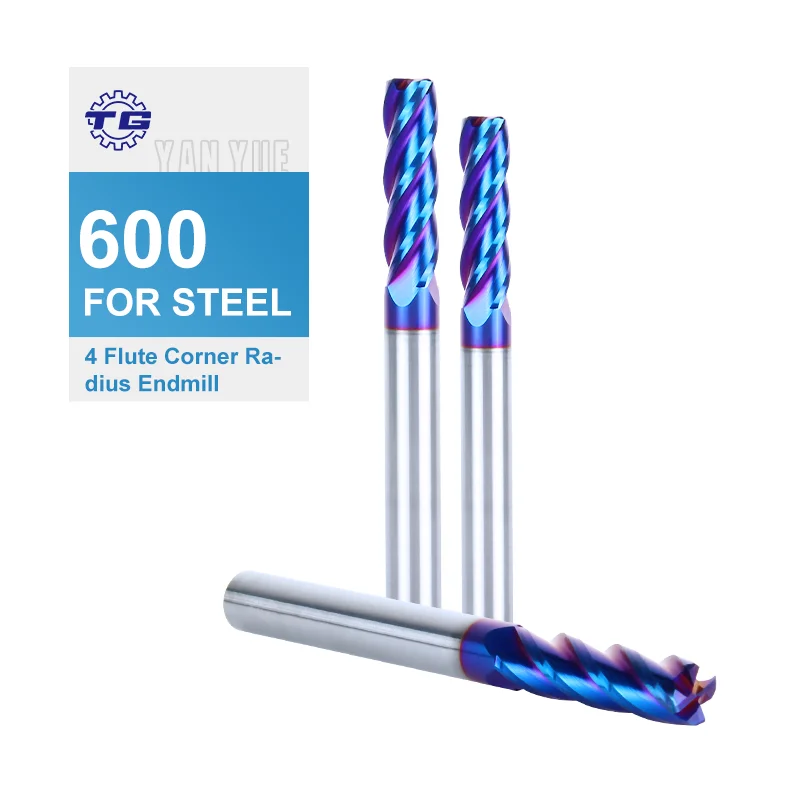
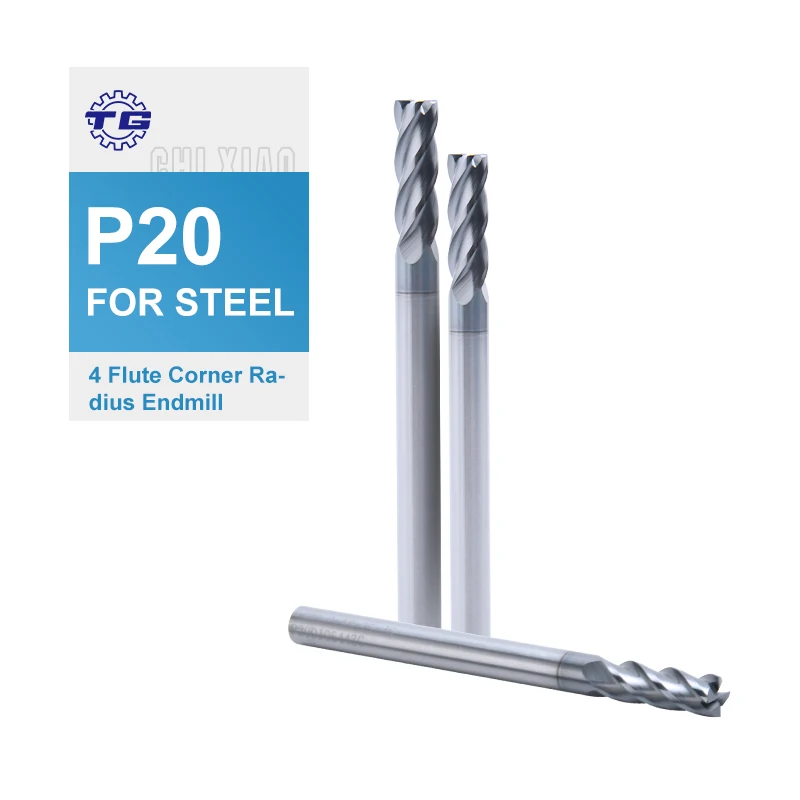
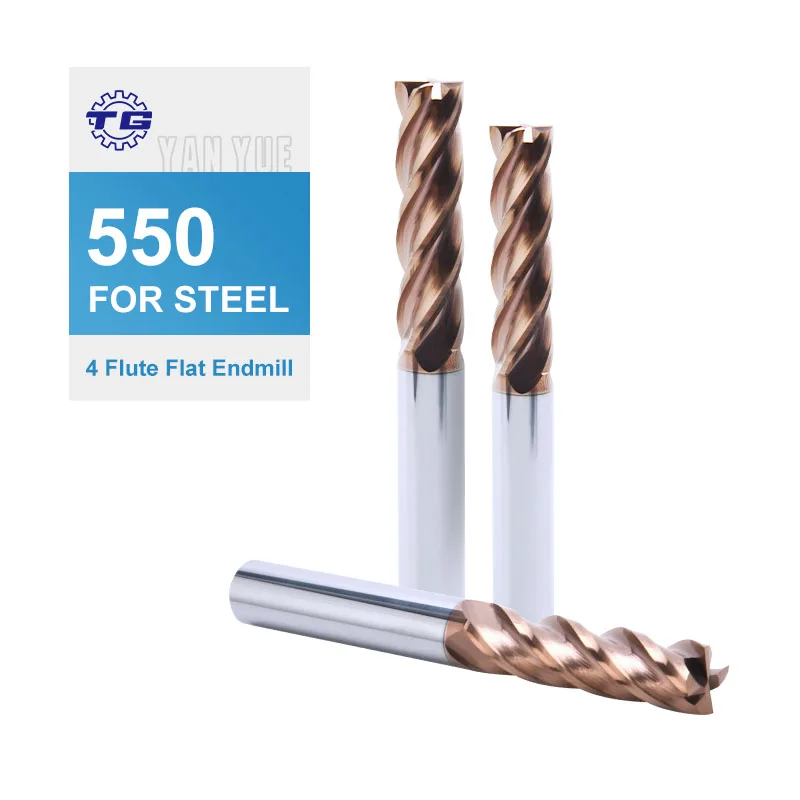
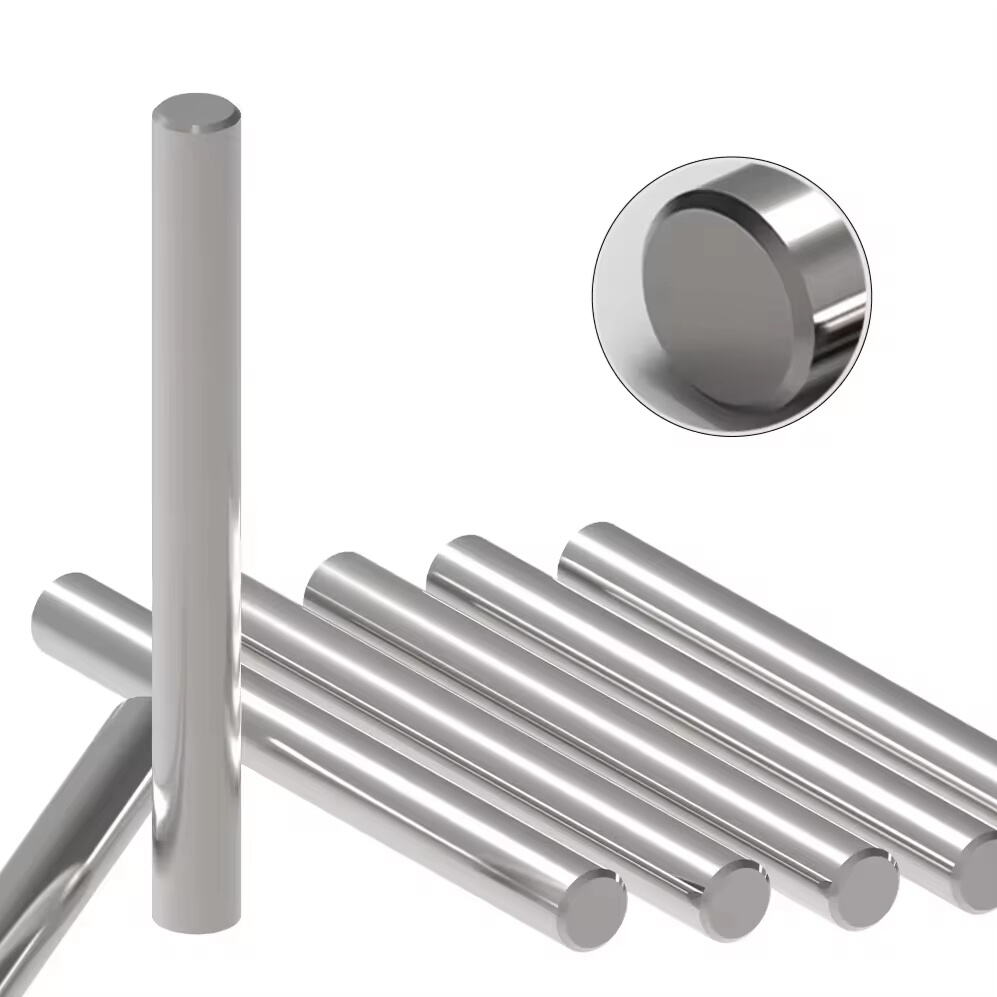
The versatility of carbide rod blanks enables their utilization across an remarkably diverse range of industrial sectors, each benefiting from the unique combination of properties these materials provide. In aerospace manufacturing, where component tolerances are measured in ten-thousandths of an inch and material costs for titanium alloys and nickel-based superalloys run into hundreds of dollars per pound, tools manufactured from carbide rod blanks justify their premium pricing through their ability to machine these difficult materials efficiently while maintaining the dimensional precision required for safety-critical components. Aircraft engine turbine blades, landing gear components, and structural elements all require cutting tools that can handle the work-hardening characteristics and high-temperature strength of aerospace alloys, demands that carbide tooling meets consistently. The automotive industry consumes vast quantities of tools derived from carbide rod blanks for manufacturing engine blocks, transmission components, brake system parts, and suspension elements, with production volumes measured in millions of units annually requiring tooling that maintains specifications across extended production runs without performance degradation. Medical device manufacturing presents unique challenges including extremely small feature sizes, biocompatible material requirements, and absolute cleanliness standards that prohibit contamination from tool wear particles, making the stable performance of carbide tooling essential for producing surgical instruments, orthopedic implants, and minimally invasive device components. Electronics manufacturing relies on micro-diameter drills and mills made from carbide rod blanks for creating printed circuit boards with increasingly dense via patterns, machining miniature connector components, and producing the intricate mold details required for plastic enclosures and bezels. Mold and die making represents another significant application area where carbide tools must reproduce complex three-dimensional surfaces with optical-quality finishes while removing substantial volumes of hardened tool steel, a combination of requirements that only carbide tooling can satisfy economically. General metalworking shops serving diverse customer bases stock tools manufactured from carbide rod blanks because these versatile implements can transition from machining aluminum aerospace components to cutting stainless steel food processing equipment to drilling cast iron automotive castings without requiring specialized tooling for each material family. The oil and gas industry uses carbide drilling components manufactured from rod blanks for earth-boring applications where abrasive rock formations and high drilling pressures would rapidly destroy conventional drill bit materials. Woodworking and composite material machining also benefit from carbide tooling, as the material's wear resistance proves valuable when cutting abrasive fiber-reinforced plastics, particle boards containing embedded adhesives, and engineered lumber products. This broad applicability means that manufacturers investing in carbide rod blank inventory or the tooling produced from these blanks gain flexibility to pursue opportunities across multiple market segments without maintaining separate tool systems for different applications, simplifying inventory management while ensuring capability to meet diverse customer requirements with proven, reliable cutting solutions.

 EN
EN