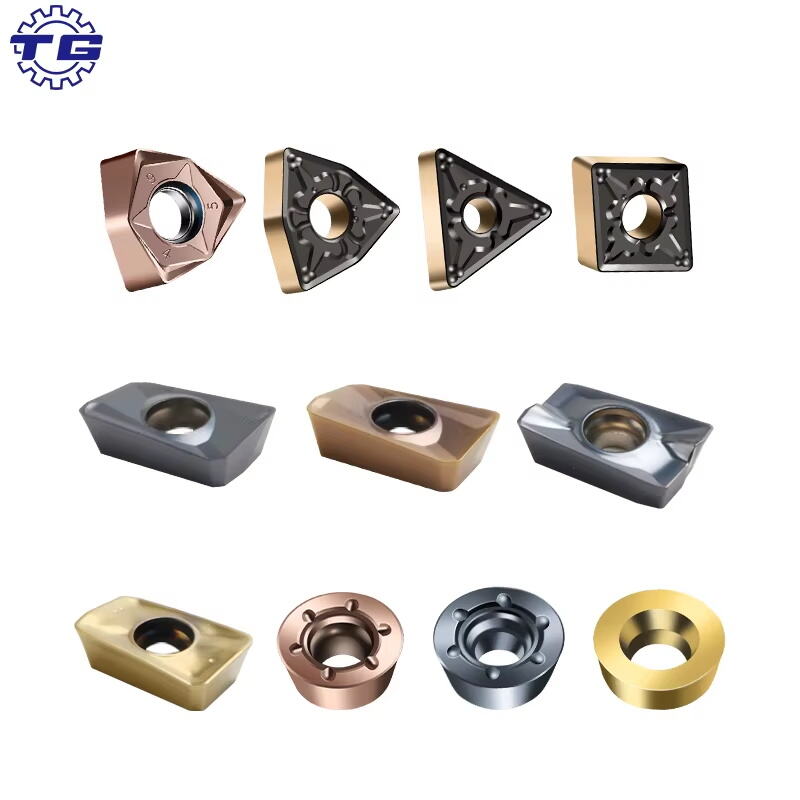
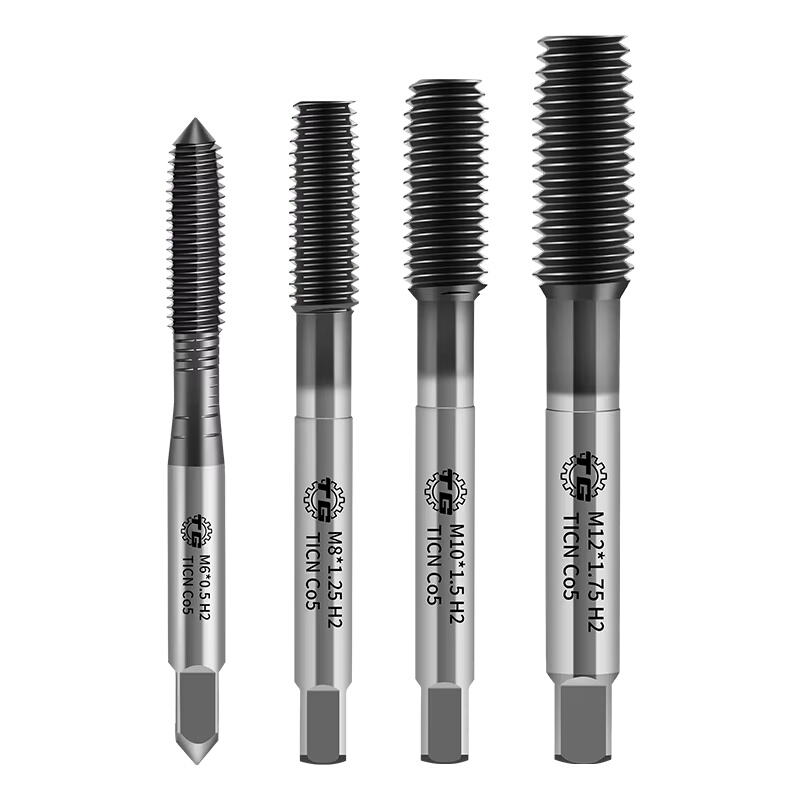
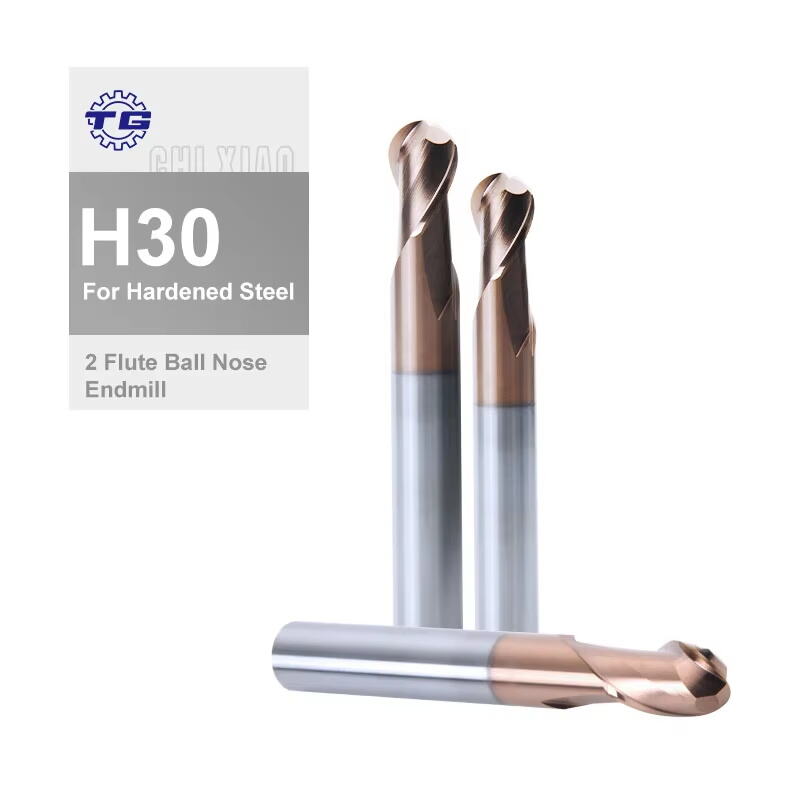
Contact me immediately if you encounter problems!

All Categories

tungsten carbide rod

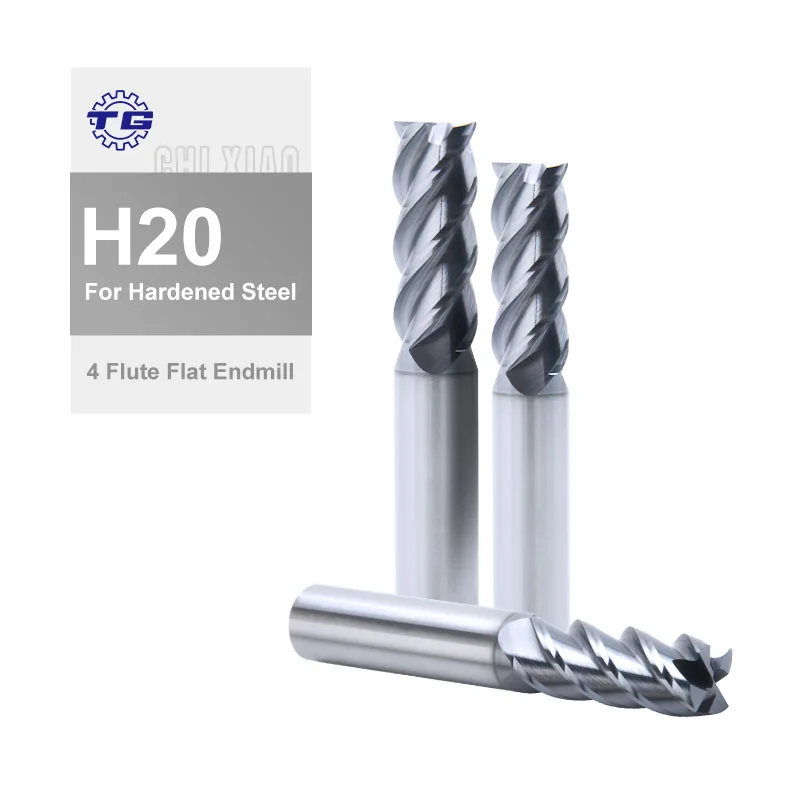
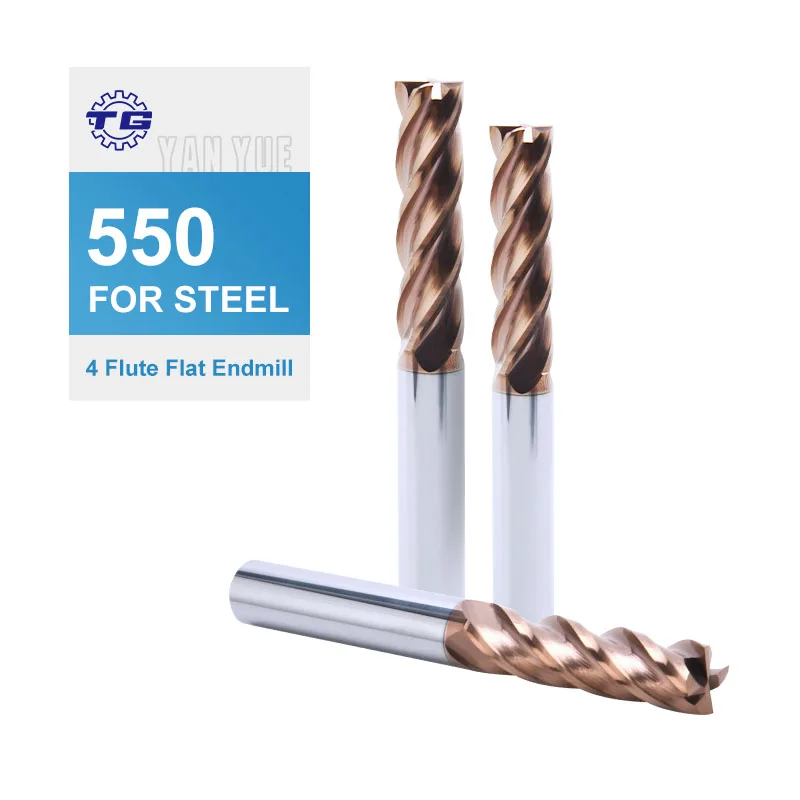
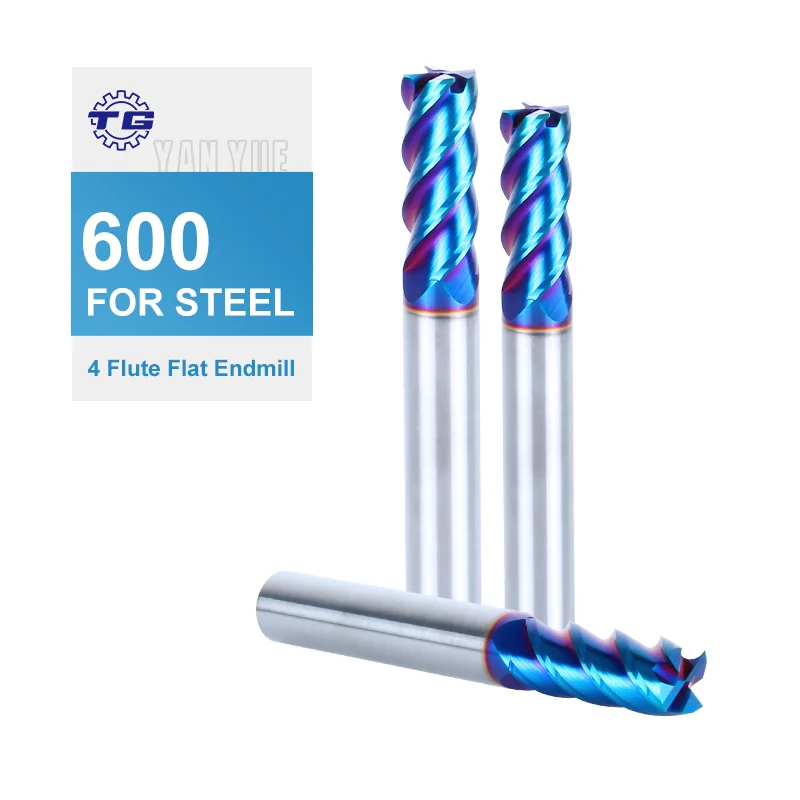
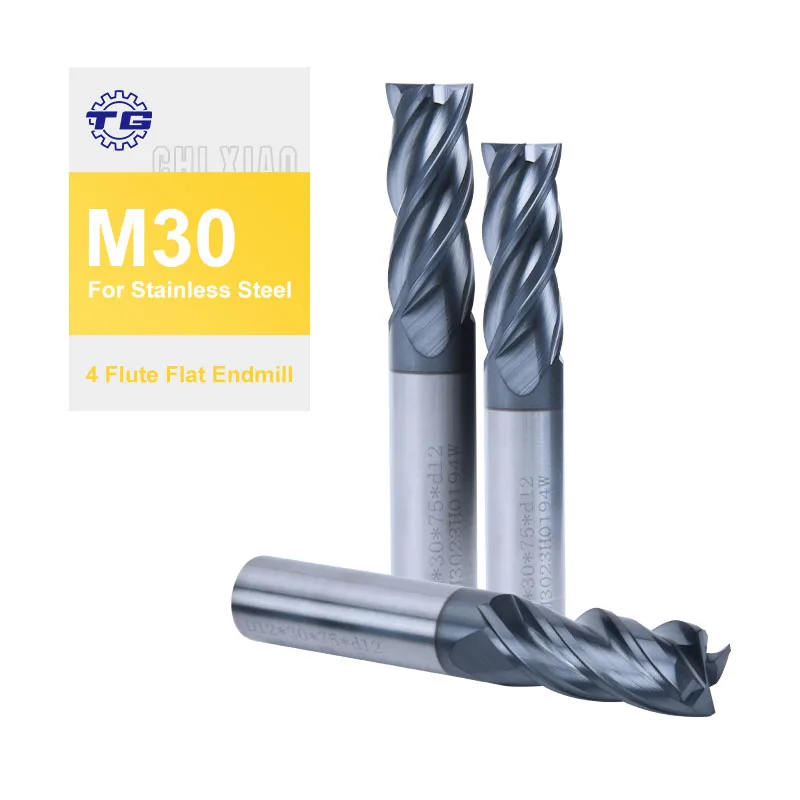
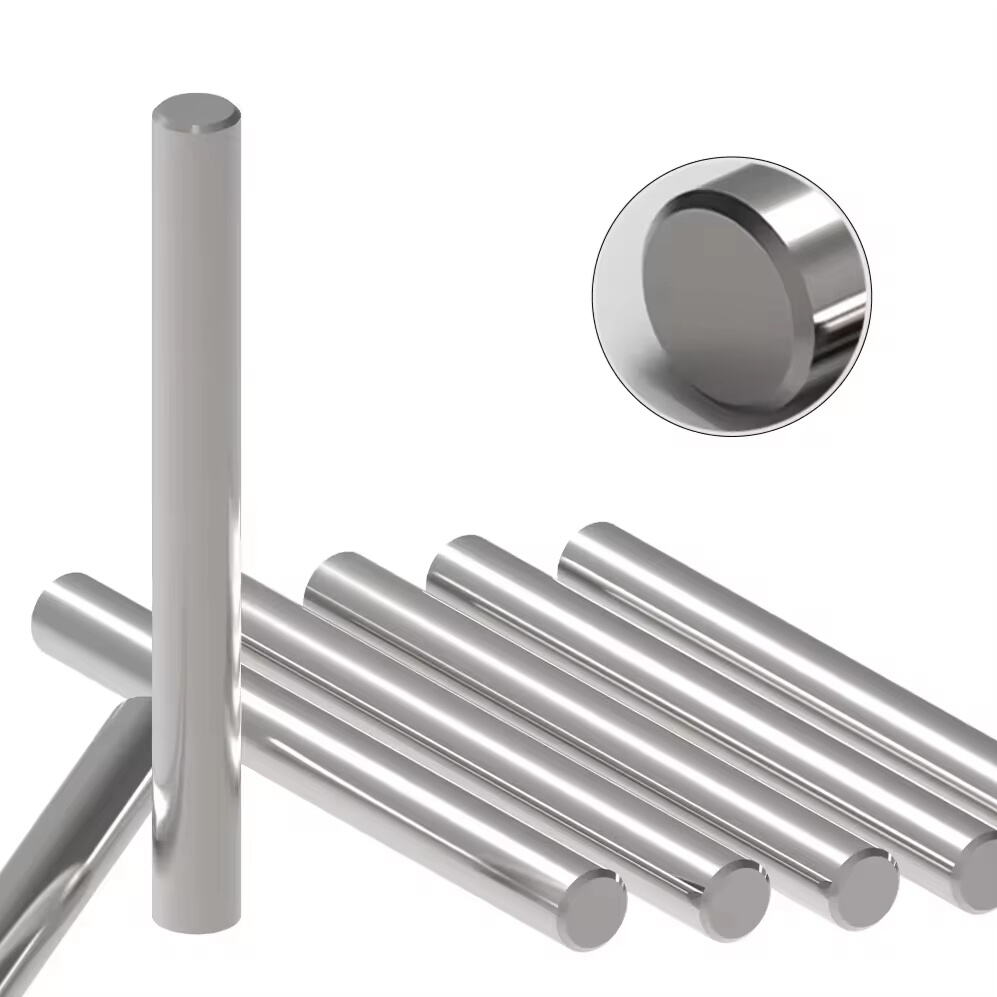
Tungsten carbide rod represents a premium engineered material that combines exceptional hardness with remarkable durability, making it an indispensable component across numerous industrial sectors. This sophisticated composite material consists of tungsten carbide particles bonded together with metallic binders, typically cobalt, through an intricate sintering process that creates a uniform, dense structure. The resulting product exhibits extraordinary resistance to wear, heat, and deformation, positioning it as a superior choice for demanding applications where conventional materials fail to deliver adequate performance. The manufacturing process involves carefully mixing ultra-fine tungsten carbide powder with binding agents, pressing the mixture into rod shapes, and sintering at extremely high temperatures to achieve optimal density and structural integrity. These rods come in various grades, each tailored to specific applications based on grain size, binder content, and additional alloying elements. The technological sophistication behind tungsten carbide rod production ensures consistent quality, predictable performance, and extended service life in challenging operational environments. Industries ranging from metalworking and mining to aerospace and medical device manufacturing rely on these rods for creating precision tools, cutting implements, wear parts, and specialized components. The versatility of tungsten carbide rod extends to applications requiring dimensional stability under extreme conditions, including high-temperature environments where thermal expansion must be minimized. Its resistance to chemical corrosion makes it suitable for processes involving aggressive substances, while its electrical conductivity properties enable use in electrical discharge machining applications. The material's compressive strength far exceeds that of hardened steel, allowing manufacturers to design more compact, efficient tooling solutions. From end mills and drills to punches and nozzles, tungsten carbide rod serves as the foundation for countless industrial tools that shape modern manufacturing capabilities and enable precision production across global supply chains.


Popular Products

Choosing tungsten carbide rod for your manufacturing needs delivers tangible benefits that directly impact your operational efficiency and bottom line. First and foremost, the exceptional wear resistance means your tools and components last significantly longer than alternatives made from high-speed steel or other conventional materials. This extended lifespan translates into fewer tool changes, reduced downtime, and lower replacement costs over time, allowing your production lines to maintain consistent output without frequent interruptions for equipment maintenance. The superior hardness of this material enables you to maintain sharp cutting edges for extended periods, ensuring consistent product quality and dimensional accuracy throughout production runs. Your machining operations benefit from higher cutting speeds and feed rates, which directly increase productivity and throughput without compromising precision or surface finish quality. The thermal stability of tungsten carbide rod means it maintains its structural integrity and mechanical properties even when exposed to the intense heat generated during high-speed machining operations, preventing premature tool failure and costly workpiece damage. You gain the ability to machine harder materials that would quickly destroy conventional tooling, expanding your manufacturing capabilities and allowing you to take on more challenging projects that competitors cannot handle efficiently. The dimensional stability ensures that components maintain tight tolerances throughout their service life, reducing reject rates and rework requirements that eat into profit margins. When you invest in tungsten carbide rod-based tooling, you reduce your overall cost per part produced, despite higher initial investment, because the extended tool life and improved performance deliver substantial savings across thousands of production cycles. The material resists deformation under heavy loads, making it ideal for forming operations where dimensional accuracy cannot be compromised. Your maintenance teams appreciate the reliability, as predictable tool wear patterns allow for better planning and inventory management. The versatility means you can standardize on one material platform for multiple applications, simplifying your supply chain and reducing inventory complexity. Environmental benefits emerge from reduced material consumption and waste generation, as longer-lasting tools mean fewer discarded components entering waste streams. The consistent performance eliminates quality variations that plague operations using materials with unpredictable wear characteristics, giving you greater confidence in meeting customer specifications batch after batch. Production planners benefit from more accurate scheduling, as the predictable tool life allows for precise timing of tool changes during planned maintenance windows rather than emergency stoppages that disrupt production flow and delivery commitments.

Latest News

How to extend the lifespan of high-speed steel cutting tools?

20

Jan

How to extend the lifespan of high-speed steel cutting tools?

Modern manufacturing industries demand exceptional accuracy and efficiency in their machining operations, making steel precision cutting tools an indispensable component of successful production processes. These specialized instruments represent the ...
View More
When should you use carbide vs HSS end mill cutters?

10

Feb

When should you use carbide vs HSS end mill cutters?

Selecting the right cutting tool for machining operations is crucial for achieving optimal performance, surface finish, and tool longevity. The choice between carbide and high-speed steel (HSS) end mill cutters significantly impacts manufacturing eff...
View More
Why Are Carbide End Mills Better for Metal Cutting?

31

Mar

Why Are Carbide End Mills Better for Metal Cutting?

When it comes to precision metal cutting operations, the choice of cutting tool directly impacts productivity, surface finish quality, and overall manufacturing costs. Carbide end mills have emerged as the preferred solution for demanding metal cutti...
View More
What Safety Measures Are Essential in Holemaking Operations?

31

Mar

What Safety Measures Are Essential in Holemaking Operations?

Holemaking operations represent one of the most fundamental yet potentially hazardous processes in manufacturing environments. These operations involve creating precise holes in various materials using drilling, reaming, boring, and related machining...
View More

Get a Free Quote

Our representative will contact you soon.
Email
Mobile
Name
Company Name
Message
0/1000

tungsten carbide rod

Unmatched Hardness and Wear Resistance for Extended Tool Life

Unmatched Hardness and Wear Resistance for Extended Tool Life

The tungsten carbide rod stands as the premier solution when your operations demand tools that withstand the most punishing wear conditions imaginable. With a hardness rating reaching 90 HRA on the Rockwell scale, this material approaches diamond-like properties, enabling it to maintain sharp edges and precise dimensions even after machining thousands of parts. This extraordinary hardness stems from the tungsten carbide crystalline structure, where carbon atoms occupy the spaces between tungsten atoms, creating incredibly strong atomic bonds that resist deformation and fracture. When you deploy tungsten carbide rod-based tooling in your production environment, you immediately notice the dramatic reduction in tool replacement frequency compared to high-speed steel alternatives that might require changes every few hours under similar conditions. The wear resistance proves particularly valuable in applications involving abrasive materials like composites, ceramics, hardened steels, and cast iron, where conventional tooling experiences rapid deterioration that compromises both productivity and part quality. Manufacturing operations processing materials with Rockwell hardness exceeding 40 HRC find that tungsten carbide rod provides the only economically viable tooling solution, as softer materials simply cannot maintain dimensional accuracy for meaningful production quantities. The microstructure of properly manufactured tungsten carbide rod features uniform grain distribution and minimal porosity, ensuring consistent wear patterns that allow predictable tool life calculations and optimal replacement scheduling. This predictability transforms maintenance planning from reactive crisis management into proactive optimization, enabling your team to schedule tool changes during planned downtime rather than responding to unexpected failures that halt production and jeopardize delivery commitments. The economic impact extends beyond direct replacement costs, as extended tool life reduces the labor hours your skilled technicians spend changing tools, freeing them for higher-value activities that improve overall equipment effectiveness. Quality managers appreciate how the wear resistance maintains dimensional consistency throughout extended production runs, eliminating the gradual dimensional drift that occurs with softer tooling materials and necessitates frequent offset adjustments or mid-run tool changes that interrupt flow and create opportunities for errors. The superior wear characteristics prove especially critical in automated manufacturing environments where unattended operation requires absolute reliability, as unexpected tool failure can result in significant scrap generation before operators detect and correct the problem.
Exceptional Thermal Stability for High-Performance Machining

Exceptional Thermal Stability for High-Performance Machining

The thermal properties of tungsten carbide rod revolutionize high-speed machining operations by maintaining structural integrity and mechanical performance at temperatures that would cause conventional materials to soften, deform, or catastrophically fail. During aggressive cutting operations, the friction between tool and workpiece generates intense localized heat that can exceed 1000 degrees Celsius at the cutting edge, creating an extreme environment that tests material limits. Tungsten carbide rod retains its hardness and strength at these elevated temperatures, preventing the thermal softening that causes rapid wear acceleration in high-speed steel tools once temperatures surpass critical thresholds. This thermal stability enables you to push cutting parameters beyond conventional limits, increasing spindle speeds and feed rates to achieve higher material removal rates that directly boost productivity and reduce cycle times. Manufacturing operations focused on efficiency optimization find that tungsten carbide rod-based tooling allows 50 to 300 percent higher cutting speeds compared to alternatives, translating into dramatic reductions in per-part machining time and corresponding increases in machine utilization and throughput. The low thermal expansion coefficient ensures that tungsten carbide rod maintains dimensional stability even as temperatures fluctuate during machining cycles, preventing the thermal growth that causes tolerance problems and requires frequent machine recalibration when using materials with higher expansion rates. This dimensional stability proves particularly crucial in precision applications where tolerances measured in microns cannot accommodate thermal expansion effects that introduce variability and unpredictability into the manufacturing process. The thermal conductivity properties facilitate efficient heat dissipation away from the cutting edge, preventing heat accumulation that accelerates wear and prevents the formation of destructive thermal gradients that create internal stresses leading to premature tool failure through cracking or chipping. Your production teams gain the flexibility to machine difficult materials like titanium alloys, nickel-based superalloys, and hardened tool steels that generate exceptional heat during cutting, applications where conventional tooling experiences rapid thermal degradation that makes economical production impossible. The consistent performance across temperature ranges simplifies process development, as engineers can establish cutting parameters confident that thermal effects will not compromise tool performance or part quality as production progresses. Quality control benefits from the thermal stability, as consistent tool dimensions throughout temperature cycles eliminate a significant source of dimensional variation that complicates statistical process control efforts and increases the risk of producing out-of-specification parts.
Superior Versatility Across Diverse Manufacturing Applications

Superior Versatility Across Diverse Manufacturing Applications

The tungsten carbide rod serves as a foundational material for an remarkably broad spectrum of manufacturing applications, delivering consistent performance across industries and processes that would typically require multiple specialized material solutions. Tool and die makers rely on tungsten carbide rod for creating precision punches, dies, and forming tools that withstand millions of cycles in stamping operations producing everything from automotive body panels to electronic device housings, where the combination of wear resistance and compressive strength prevents the dimensional changes that would compromise part quality. Woodworking operations utilize tungsten carbide rod-tipped router bits and saw blades that maintain sharp edges through extended production runs processing abrasive materials like particleboard and medium-density fiberboard that would quickly dull conventional tooling, enabling furniture manufacturers and construction material producers to achieve consistent surface finishes and dimensional accuracy. The mining and drilling industries depend on tungsten carbide rod for manufacturing drill bits, percussion tools, and wear parts that penetrate rock formations and handle abrasive slurries, applications where the combination of hardness, toughness, and erosion resistance proves essential for economical operation in demanding underground environments. Medical device manufacturers machine surgical instruments and orthopedic implants using tungsten carbide rod-based cutting tools that deliver the surface finish quality and dimensional precision required for components that will be implanted in human bodies, where material consistency and reliability cannot be compromised. The electronics industry employs tungsten carbide rod in manufacturing printed circuit board drills that create thousands of tiny holes with diameters measured in fractions of a millimeter, applications demanding exceptional runout characteristics and wear resistance to maintain hole quality and position accuracy throughout production. Aerospace manufacturers processing advanced materials like carbon fiber composites and titanium alloys specify tungsten carbide rod tooling for its ability to machine these challenging materials without the delamination, fiber pullout, or excessive tool wear that compromises component integrity and increases production costs. The metalworking sector utilizes tungsten carbide rod for end mills, drills, reamers, and inserts that handle everything from soft aluminum alloys to hardened die steels, providing versatility that allows shops to standardize on one tooling material platform and reduce inventory complexity. Injection molding operations incorporate tungsten carbide rod components in nozzles and wear surfaces that handle abrasive-filled polymers and glass-reinforced compounds at elevated temperatures and pressures, environments where conventional materials experience rapid erosion that necessitates frequent costly maintenance interventions.
tungsten carbide rod-0
tungsten carbide rod-1

Get a Free Quote

Our representative will contact you soon.
Email
Mobile
Name
Company Name
Message
0/1000