Contact me immediately if you encounter problems!

All Categories

carbide cutting rods

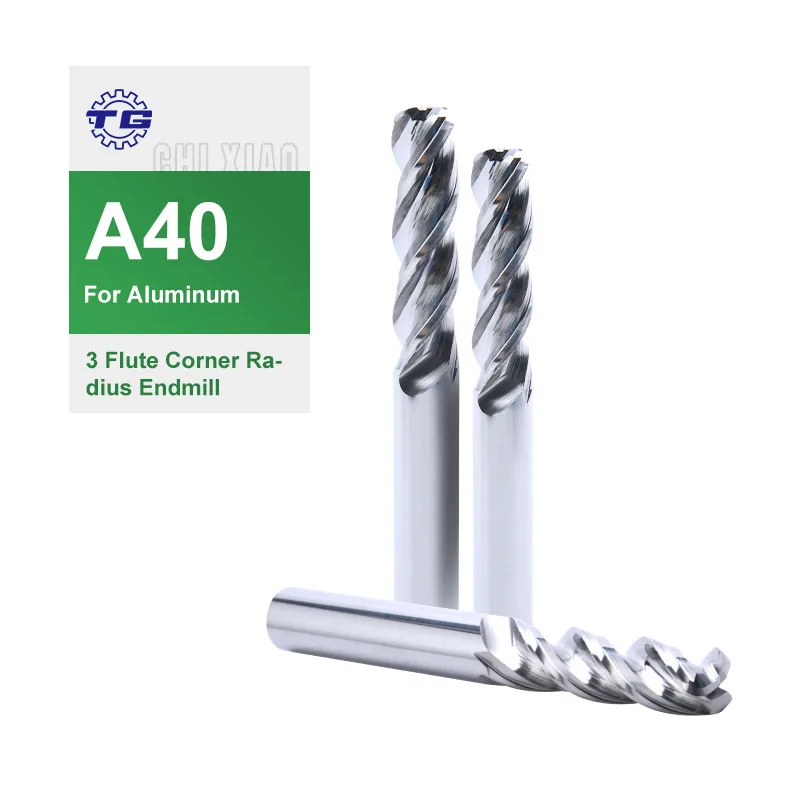
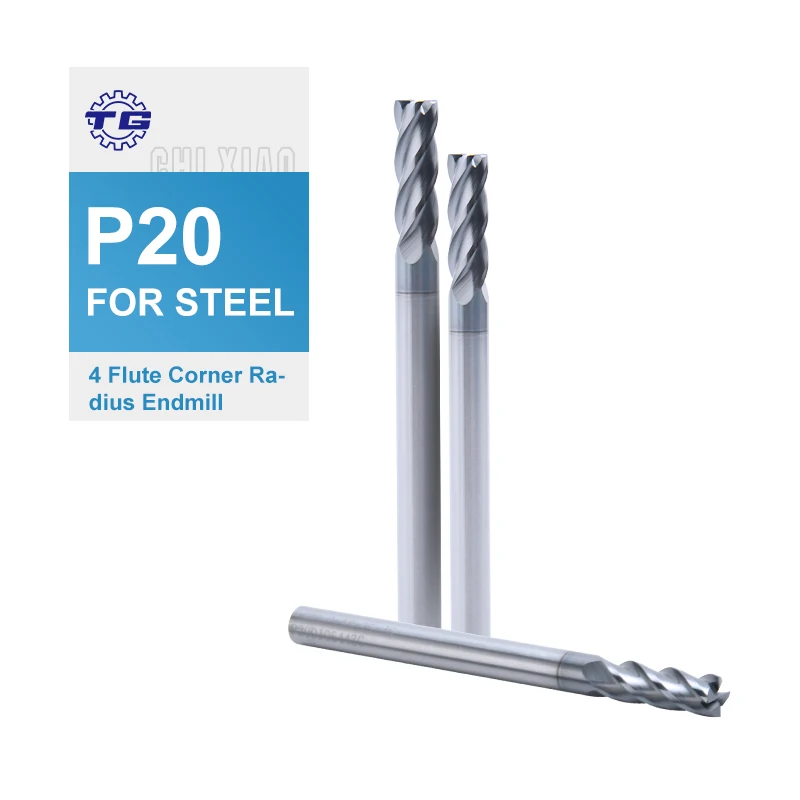
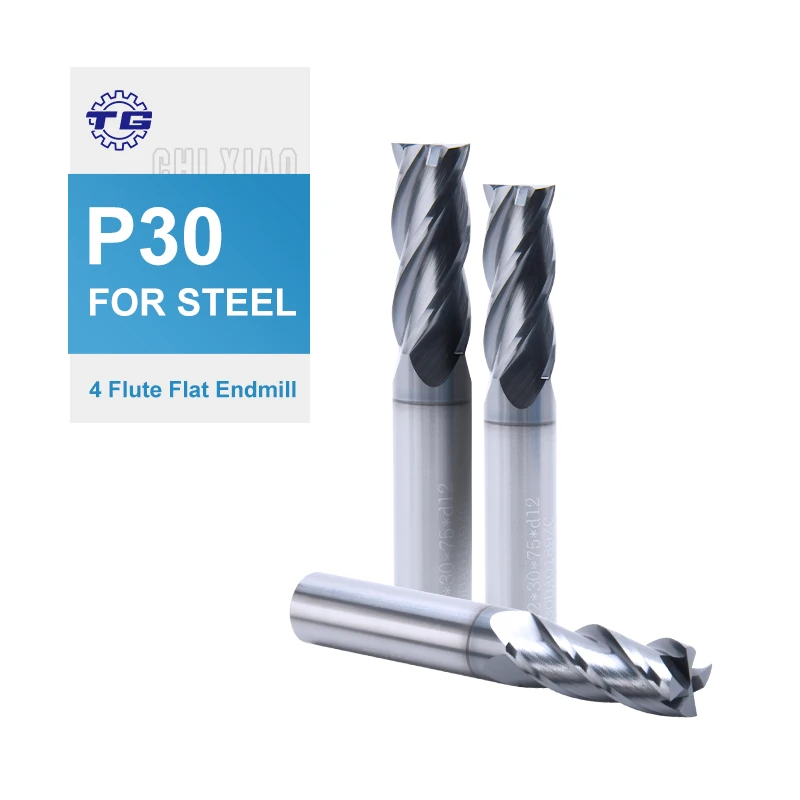
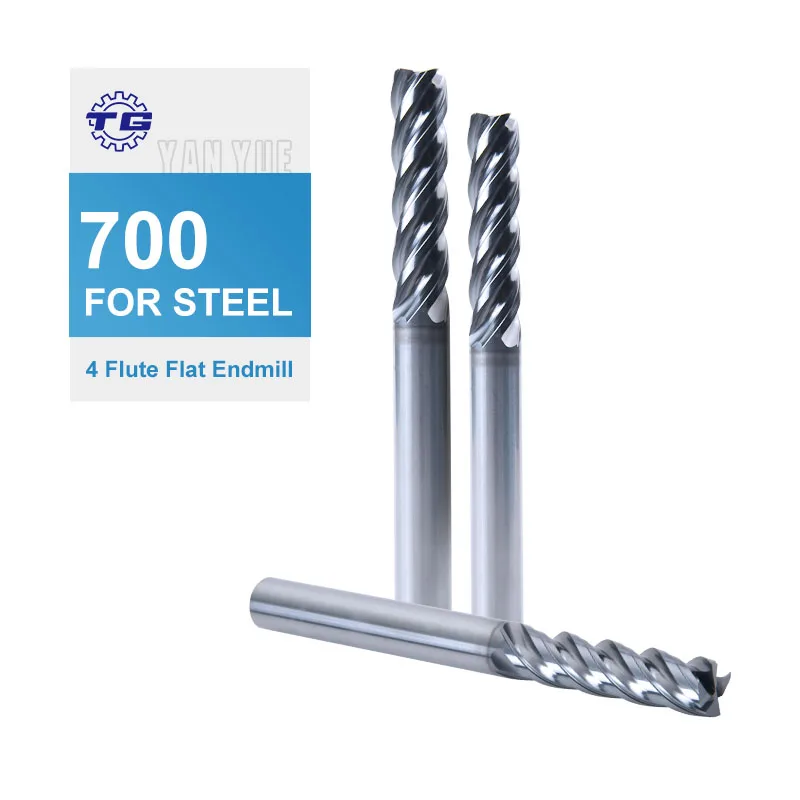
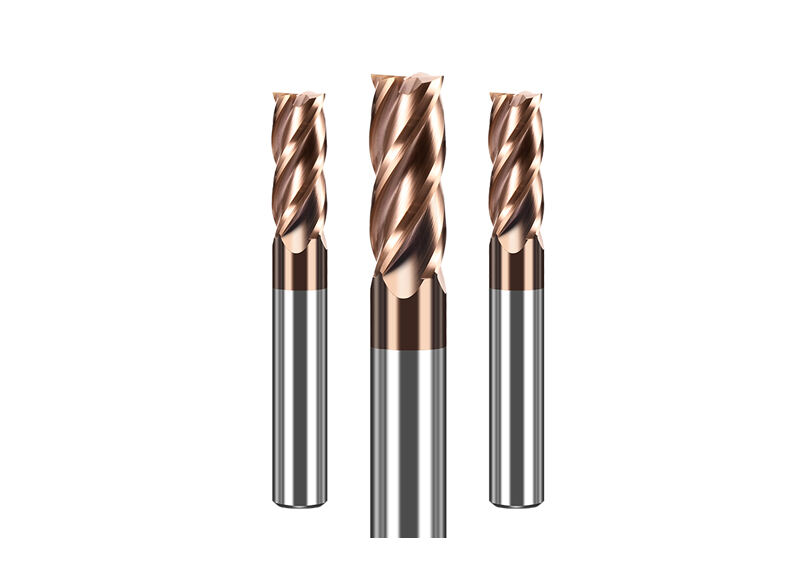
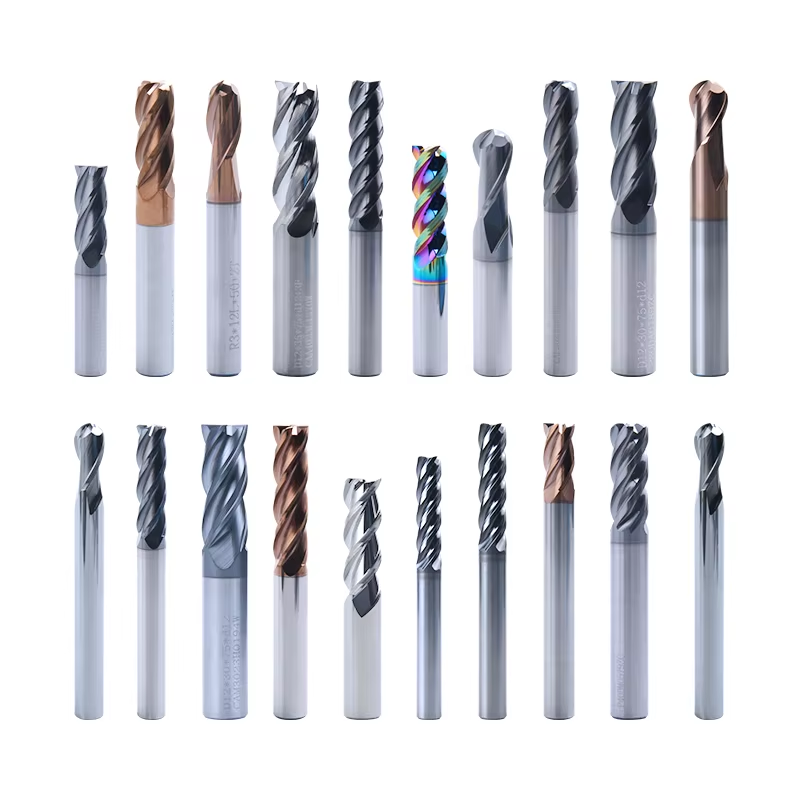
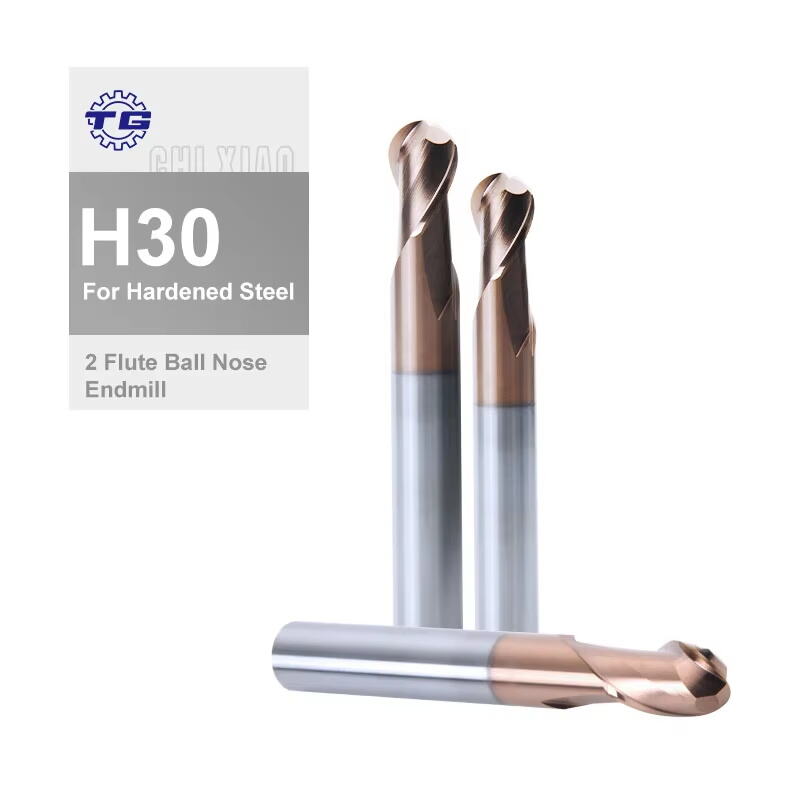
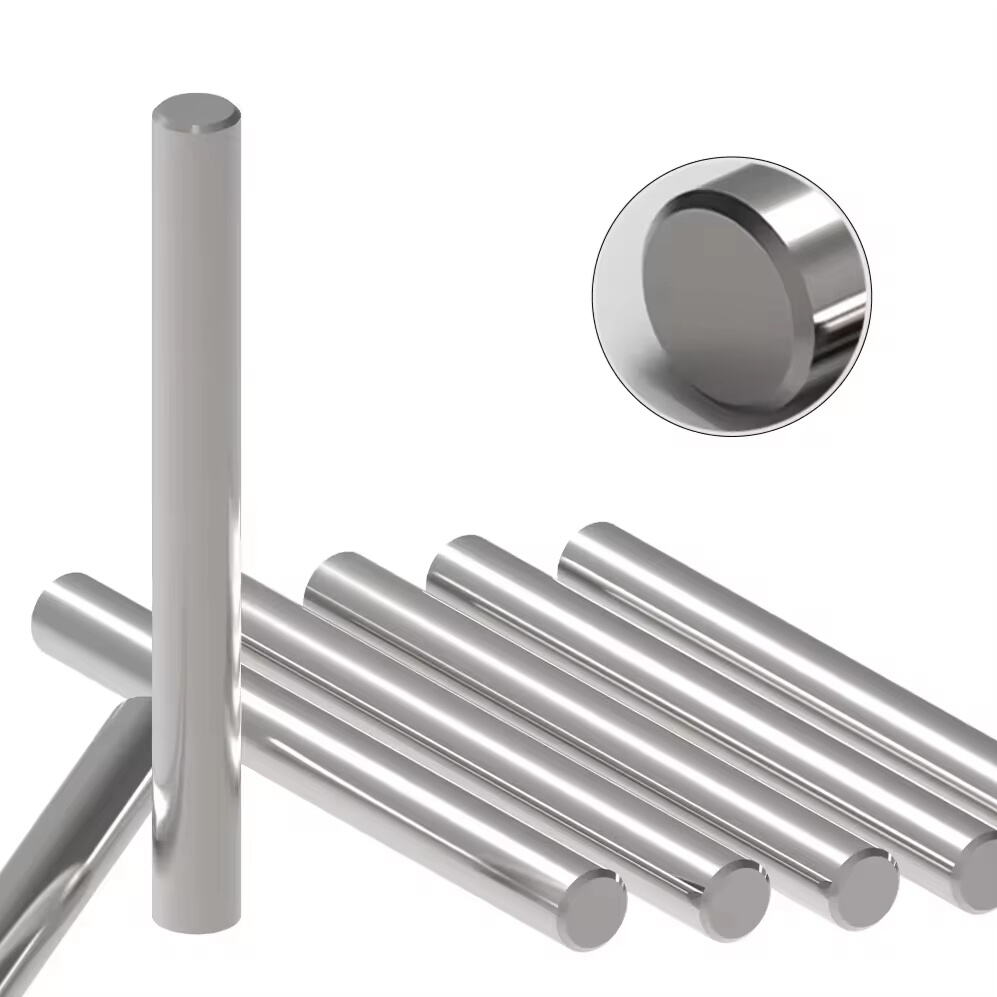
Carbide cutting rods represent a breakthrough in precision machining technology, offering manufacturers and machinists superior performance in demanding cutting operations. These specialized tools are manufactured from tungsten carbide, a compound known for its exceptional hardness and wear resistance properties. Carbide cutting rods serve as the foundation for creating custom cutting tools, including end mills, drills, reamers, and specialized form tools that meet specific production requirements. The primary function of carbide cutting rods is to provide a reliable blank material that can be ground and shaped into precision cutting instruments for metalworking, woodworking, and composite material processing. These rods come in various diameters and lengths to accommodate different manufacturing needs, making them versatile solutions for both large-scale production facilities and small custom tool shops. The technological features of carbide cutting rods include their uniform grain structure, which ensures consistent performance throughout the tool's lifespan. Advanced sintering processes during manufacturing create a dense material structure that resists chipping and maintains sharp cutting edges even under extreme conditions. Many carbide cutting rods incorporate cobalt binders in varying percentages, allowing manufacturers to balance hardness with toughness based on specific application requirements. The applications for carbide cutting rods span numerous industries, including aerospace, automotive, medical device manufacturing, mold making, and general machining operations. These rods enable the production of tools capable of machining hardened steels, stainless alloys, titanium, and other difficult-to-cut materials that would quickly wear down conventional high-speed steel tools. Tool manufacturers rely on carbide cutting rods to create specialized geometries and coatings that optimize chip evacuation, reduce cutting forces, and extend tool life. The versatility of carbide cutting rods makes them indispensable for modern manufacturing environments where precision, efficiency, and cost-effectiveness are paramount considerations for maintaining competitive advantages in global markets.


New Products

Choosing carbide cutting rods for your tool manufacturing needs delivers substantial practical benefits that directly impact your bottom line and operational efficiency. First and foremost, these rods offer exceptional durability that translates into longer tool life compared to traditional materials. Your cutting tools will maintain their sharp edges far longer, meaning fewer tool changes during production runs. This extended lifespan reduces downtime, keeps your machines running productively, and lowers your overall tooling costs significantly over time. The superior hardness of carbide cutting rods allows your tools to handle higher cutting speeds and feed rates, which means you can complete jobs faster without sacrificing quality. This speed advantage helps you meet tight deadlines, take on more projects, and increase your production capacity without investing in additional equipment. Your operators will appreciate how carbide tools maintain dimensional accuracy throughout their working life, ensuring consistent part quality from the first piece to the last. The heat resistance properties of carbide cutting rods provide another crucial advantage for your operations. These materials withstand the intense temperatures generated during high-speed machining without softening or deforming. This thermal stability means your tools perform reliably even in the most demanding applications, reducing unexpected failures that can disrupt production schedules and damage expensive workpieces. You will find that carbide cutting rods excel when machining abrasive materials that would quickly destroy softer tool materials. The wear resistance prevents rapid deterioration, maintaining precise dimensions and surface finishes throughout extended production runs. This consistency eliminates the need for frequent tool adjustments and reduces scrap rates, protecting your profit margins on every job. The versatility of carbide cutting rods enables you to create custom tools tailored to your specific needs. Whether you require unique geometries for specialized applications or standard configurations for general machining, these rods provide the foundation for tools that perfectly match your requirements. This customization capability gives you flexibility that off-the-shelf tools simply cannot match. Cost efficiency represents another compelling advantage when you consider the total picture. While the initial investment in carbide cutting rods may be higher than conventional materials, the extended tool life, increased productivity, reduced downtime, and lower replacement frequency create substantial savings over time. Your cost per part decreases, making your operations more competitive and profitable in the long run.

Tips And Tricks

What is high speed steel and how does it work?

30

Dec

What is high speed steel and how does it work?

High speed steel represents one of the most significant innovations in metallurgy and machining technology. This specialized alloy has revolutionized manufacturing processes across countless industries, enabling precision cutting operations at speeds...
View More
How do different drill bit materials affect performance?

30

Dec

How do different drill bit materials affect performance?

Understanding the relationship between drill bit materials and their performance characteristics is crucial for professionals working in manufacturing, construction, and metalworking industries. The material composition of a drill bit directly influe...
View More
How to extend the lifespan of high-speed steel cutting tools?

20

Jan

How to extend the lifespan of high-speed steel cutting tools?

Modern manufacturing industries demand exceptional accuracy and efficiency in their machining operations, making steel precision cutting tools an indispensable component of successful production processes. These specialized instruments represent the ...
View More
Why Advanced Holemaking Methods Improve Product Quality

31

Mar

Why Advanced Holemaking Methods Improve Product Quality

Manufacturing precision directly correlates with product quality, and nowhere is this relationship more evident than in holemaking operations. Advanced holemaking methods represent a significant evolution from traditional drilling techniques, offerin...
View More

Get a Free Quote

Our representative will contact you soon.
Email
Mobile
Name
Company Name
Message
0/1000

carbide cutting rods

Unmatched Material Hardness for Superior Cutting Performance

Unmatched Material Hardness for Superior Cutting Performance

The exceptional hardness of carbide cutting rods sets them apart as the premier choice for demanding machining applications where performance cannot be compromised. This hardness, typically ranging from 89 to 93 HRA on the Rockwell scale, exceeds virtually all other tool materials available in the market today. This superior hardness directly translates into practical benefits that manufacturers experience daily in their operations. When you use tools made from carbide cutting rods, you gain the ability to machine materials that would be impossible or impractical with softer tool materials. Hardened steels, exotic alloys, and abrasive composites that destroy conventional tools become manageable when you employ carbide solutions. This capability opens new business opportunities, allowing you to take on challenging projects that competitors cannot handle efficiently. The hardness factor also enables your tools to maintain their cutting edge geometry far longer than alternatives. Sharp cutting edges reduce cutting forces, minimize heat generation, and produce superior surface finishes on your workpieces. This edge retention means your operators spend less time adjusting offsets, changing tools, and inspecting parts for dimensional accuracy. The production process becomes smoother and more predictable, reducing stress on your team and improving overall job satisfaction. Another critical aspect of this hardness advantage involves the ability to use higher cutting parameters. Your machines can operate at increased speeds and feeds, removing material more quickly while maintaining precision. This productivity boost means you complete jobs faster, shorten lead times for customers, and increase throughput without capital investment in additional equipment. The economic impact of this advantage compounds over time as you process more parts with fewer resources. The hardness of carbide cutting rods also contributes to better chip control during machining operations. Properly designed tools maintain their geometry, creating consistent chip formation that evacuates efficiently from the cutting zone. This reliable chip control prevents built-up edge formation, reduces the risk of tool breakage, and protects your workpiece surfaces from damage. Your operators will notice fewer interrupted cuts and smoother machining processes that require less intervention and troubleshooting.
Exceptional Thermal Stability for Consistent Performance

Exceptional Thermal Stability for Consistent Performance

The thermal stability of carbide cutting rods provides critical advantages in modern machining environments where cutting speeds continue to increase and production demands intensify. This characteristic refers to the material's ability to maintain its structural integrity, hardness, and cutting edge sharpness even when exposed to the extreme temperatures generated during high-speed metalworking operations. Understanding this benefit helps you appreciate why carbide cutting rods have become the standard for precision manufacturing worldwide. During cutting operations, friction between the tool and workpiece generates substantial heat that can exceed temperatures of one thousand degrees in the cutting zone. Materials that lack thermal stability will soften, deform, or experience accelerated wear under these conditions, leading to dimensional inaccuracies, poor surface finishes, and premature tool failure. Carbide cutting rods resist these thermal effects, maintaining their properties and performance even in the most challenging thermal environments. This stability allows your tools to operate reliably at the high cutting speeds that modern manufacturing demands. This thermal advantage translates into practical benefits for your production operations. Your tools maintain consistent dimensions throughout their working life, ensuring that parts machined at the beginning of a production run match those produced at the end. This consistency eliminates the need for constant monitoring and adjustment, reducing operator workload and minimizing the risk of producing out-of-tolerance parts that must be scrapped or reworked. The cost savings from reduced scrap alone can be substantial, particularly when working with expensive materials or complex parts that represent significant invested machining time. The heat resistance of carbide cutting rods also enables dry or minimum quantity lubrication machining strategies that reduce coolant costs and environmental impact. Because these tools can withstand higher temperatures without degradation, you can often reduce or eliminate coolant usage, simplifying your operations and reducing disposal costs associated with cutting fluids. This capability aligns with modern sustainability initiatives while delivering tangible economic benefits. Furthermore, the thermal stability contributes to extended tool life by preventing the thermal fatigue and cracking that can occur when tools experience repeated heating and cooling cycles. Your investment in carbide cutting rods pays dividends through tools that last longer and perform more reliably throughout their service life.
Versatile Customization Options for Specialized Applications

Versatile Customization Options for Specialized Applications

The versatility and customization potential of carbide cutting rods represent a significant strategic advantage for manufacturers seeking to optimize their machining processes and differentiate their capabilities in competitive markets. Unlike pre-manufactured cutting tools with fixed geometries and specifications, carbide cutting rods serve as blank canvases that skilled tool manufacturers can transform into precisely engineered solutions tailored to specific applications, materials, and production requirements. This flexibility creates opportunities for innovation and process optimization that generic tools simply cannot provide. When you work with carbide cutting rods, you gain access to virtually unlimited geometric possibilities. Tool designers can create custom flute configurations, specialized rake angles, unique relief geometries, and application-specific features that address the particular challenges of your machining operations. This customization extends to diameter, length, core thickness, and every other dimensional aspect of the finished tool. Whether you need a tool to reach into deep cavities, machine complex contours, or accommodate specific fixturing constraints, carbide cutting rods provide the foundation for creating exactly what your application demands. The material composition options available in carbide cutting rods further enhance this versatility. Different grades feature varying ratios of tungsten carbide to cobalt binder, creating a spectrum of properties that can be matched to specific applications. Fine-grain carbides offer maximum hardness and wear resistance for finishing operations and abrasive materials, while coarser grain structures with higher cobalt content provide enhanced toughness for interrupted cuts and demanding roughing applications. This material selection capability allows you to optimize tool performance for each unique situation in your facility. Customization also extends to surface treatments and coatings that can be applied to tools manufactured from carbide cutting rods. Physical vapor deposition coatings, chemical vapor deposition treatments, and other advanced surface modifications can be specified to further enhance wear resistance, reduce friction, or provide specific thermal properties. These coating options allow you to fine-tune tool performance for particular materials or cutting conditions, extracting maximum productivity from your manufacturing operations. The ability to create custom tools from carbide cutting rods provides significant competitive advantages. You can develop proprietary tooling solutions that optimize your unique processes, creating efficiency advantages that competitors using standard tools cannot match. This capability supports continuous improvement initiatives and allows your engineering team to innovate and refine manufacturing methods over time.
carbide cutting rods-0
carbide cutting rods-1

Get a Free Quote

Our representative will contact you soon.
Email
Mobile
Name
Company Name
Message
0/1000