solid carbide rod
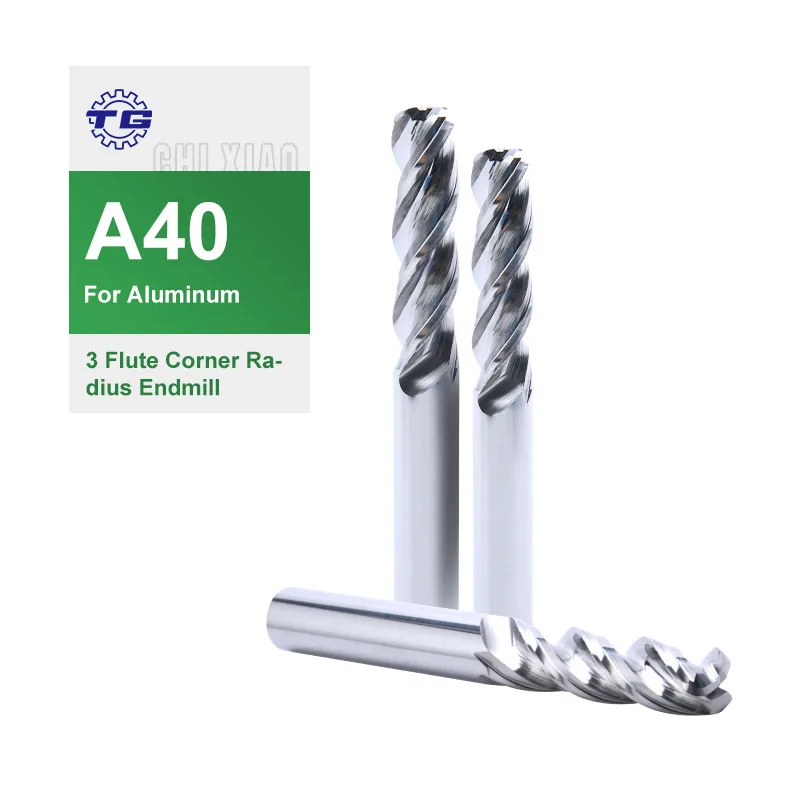
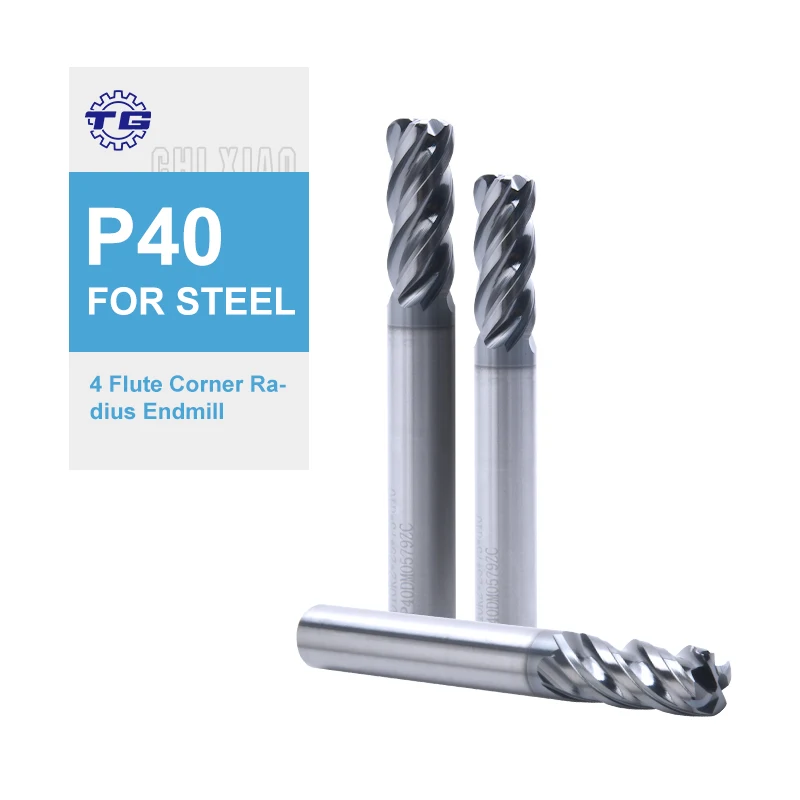
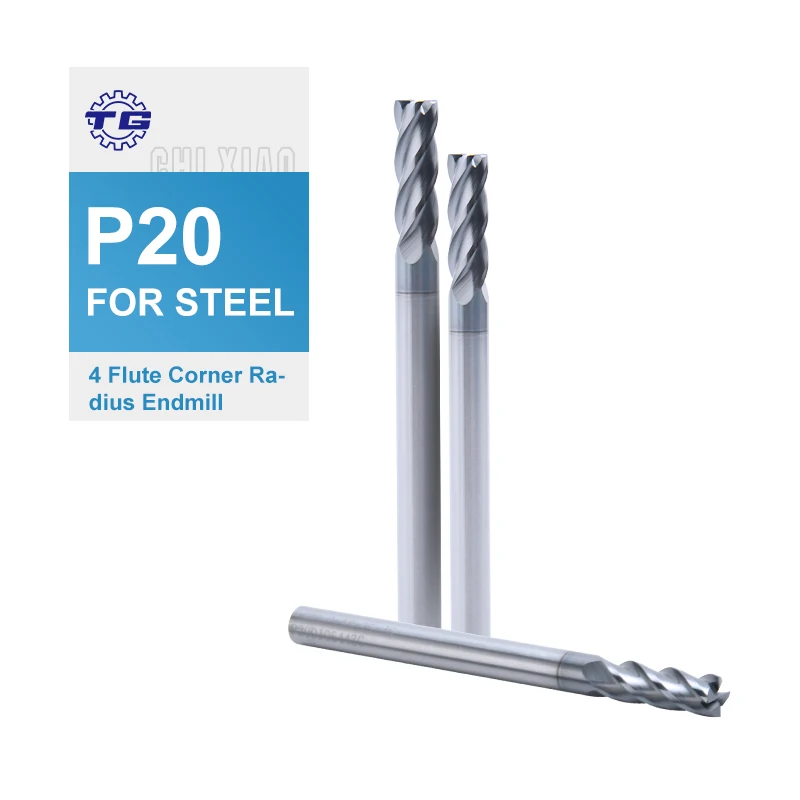
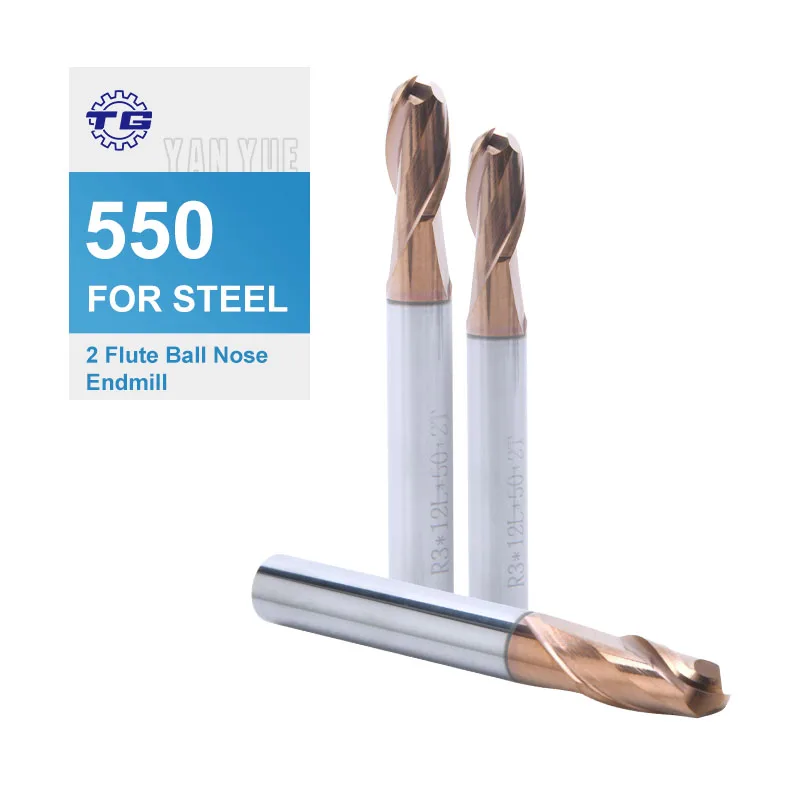
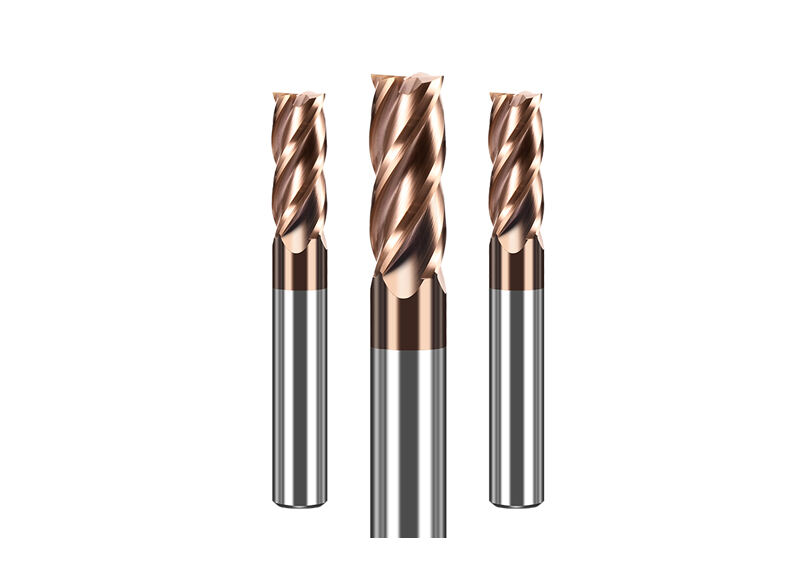
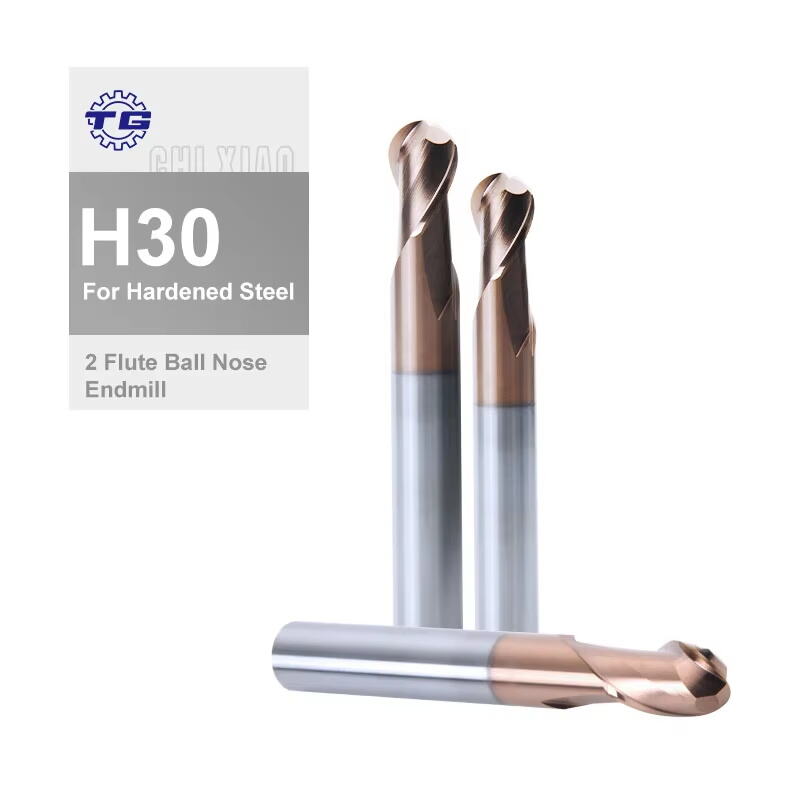
A solid carbide rod represents a fundamental component in modern manufacturing and machining operations, serving as the primary material for producing cutting tools, drilling bits, end mills, and various precision instruments. Manufactured from tungsten carbide powder combined with cobalt binder through a sophisticated sintering process, the solid carbide rod delivers exceptional hardness and wear resistance that surpasses conventional steel alternatives. These cylindrical blanks are produced in various diameters and lengths to accommodate diverse manufacturing requirements across multiple industries. The solid carbide rod exhibits superior material properties including high compression strength, excellent thermal stability, and remarkable resistance to deformation under extreme operating conditions. Manufacturing facilities utilize these rods as raw material stock for creating specialized tooling solutions tailored to specific cutting applications. The composition typically consists of 90-94 percent tungsten carbide particles bonded with 6-10 percent metallic cobalt, creating a material matrix that combines extreme hardness with adequate toughness. Advanced production techniques ensure uniform grain structure throughout each solid carbide rod, eliminating internal defects and maintaining consistent mechanical properties. The technological sophistication behind solid carbide rod production involves precise control of powder metallurgy processes, including mixing, pressing, and sintering at temperatures exceeding 1400 degrees Celsius. This careful manufacturing approach results in a finished product with exceptional dimensional accuracy and surface quality. Applications span automotive manufacturing, aerospace component production, medical device fabrication, electronics assembly, and general metalworking operations. Tool manufacturers rely on solid carbide rod stock to create custom cutting solutions that meet demanding performance specifications while maintaining cost-effectiveness through extended tool life and reduced replacement frequency.

 EN
EN