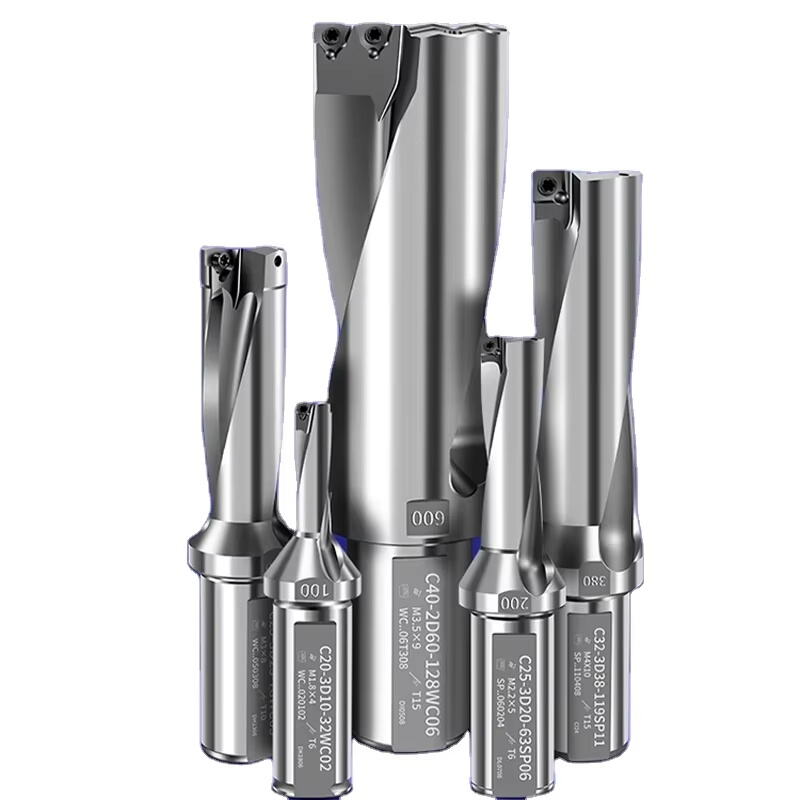
Exceptional Versatility Across Diverse Applications
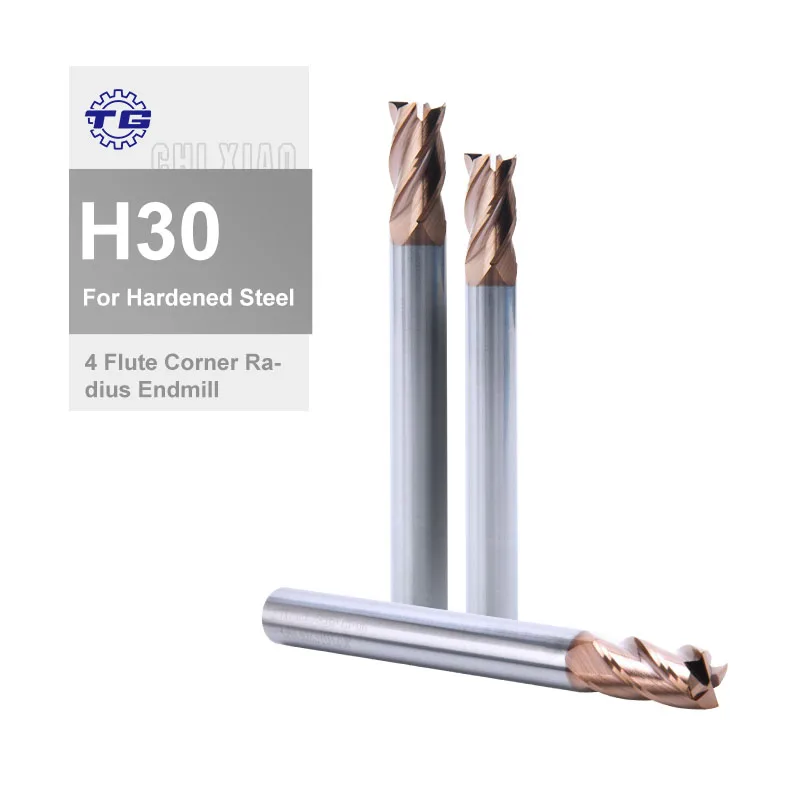
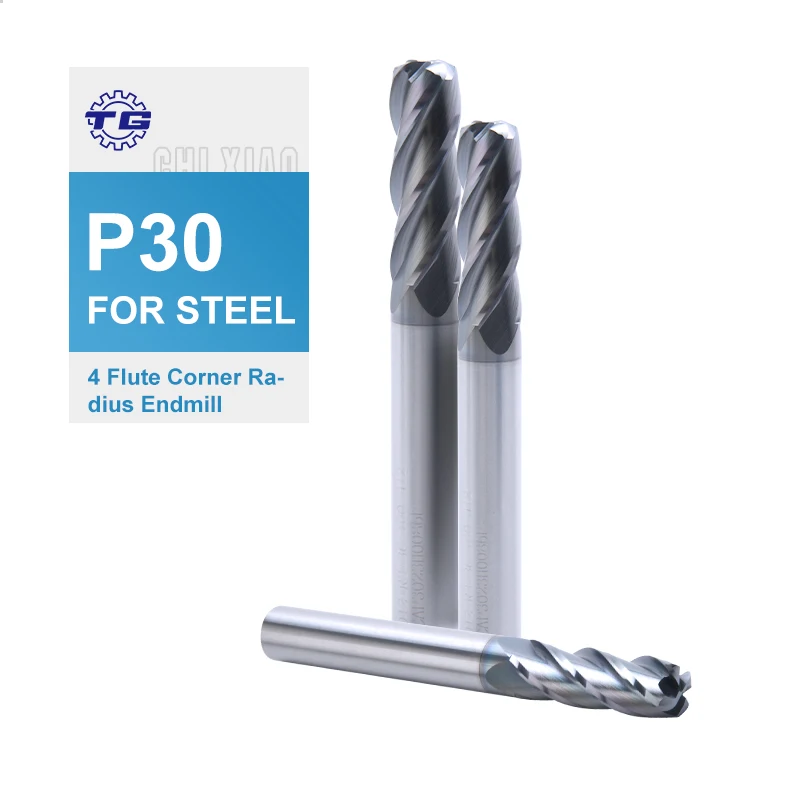
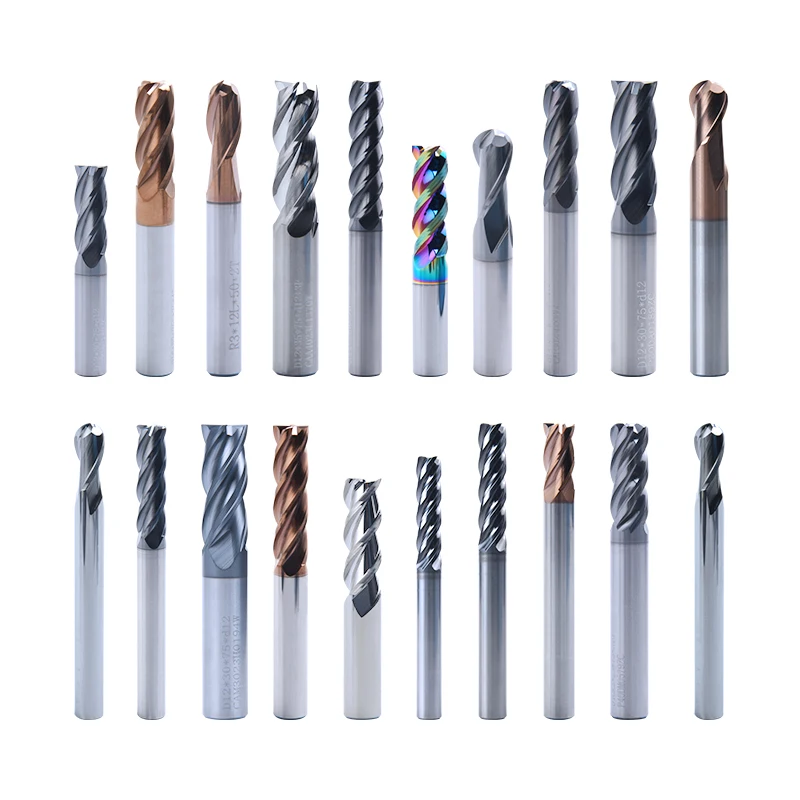
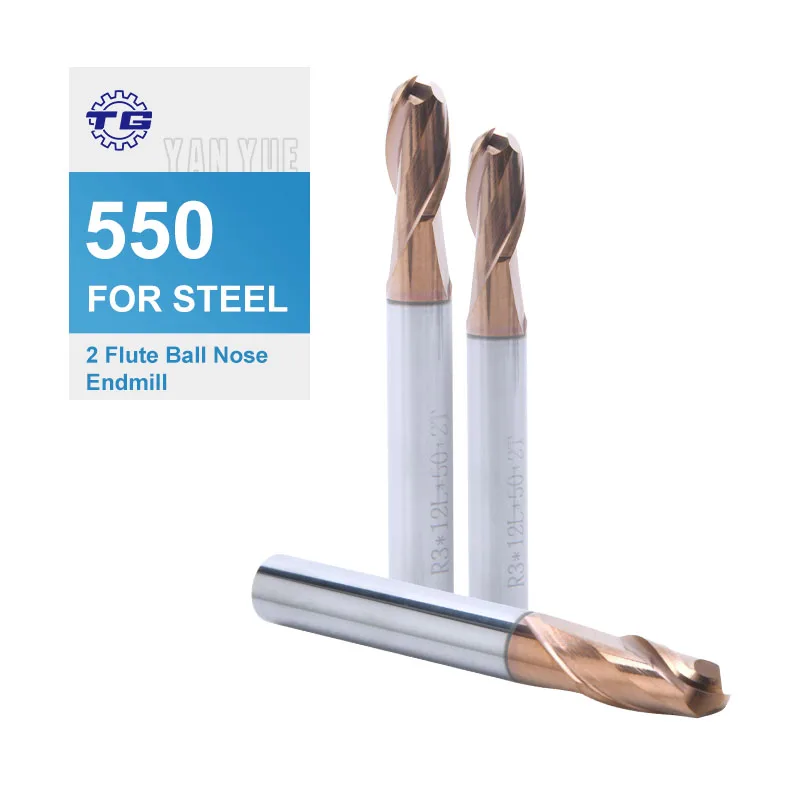
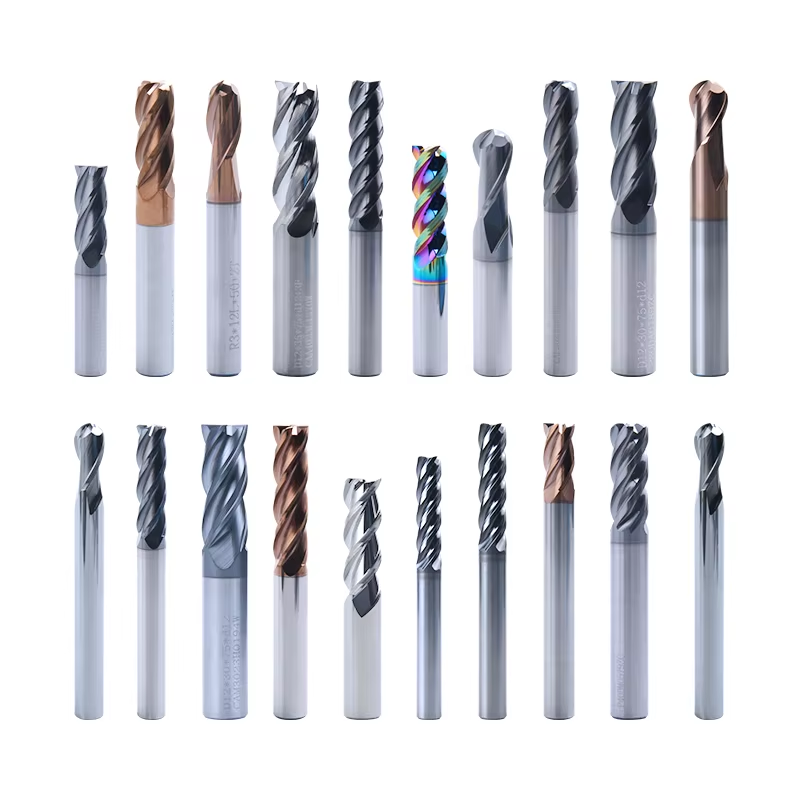
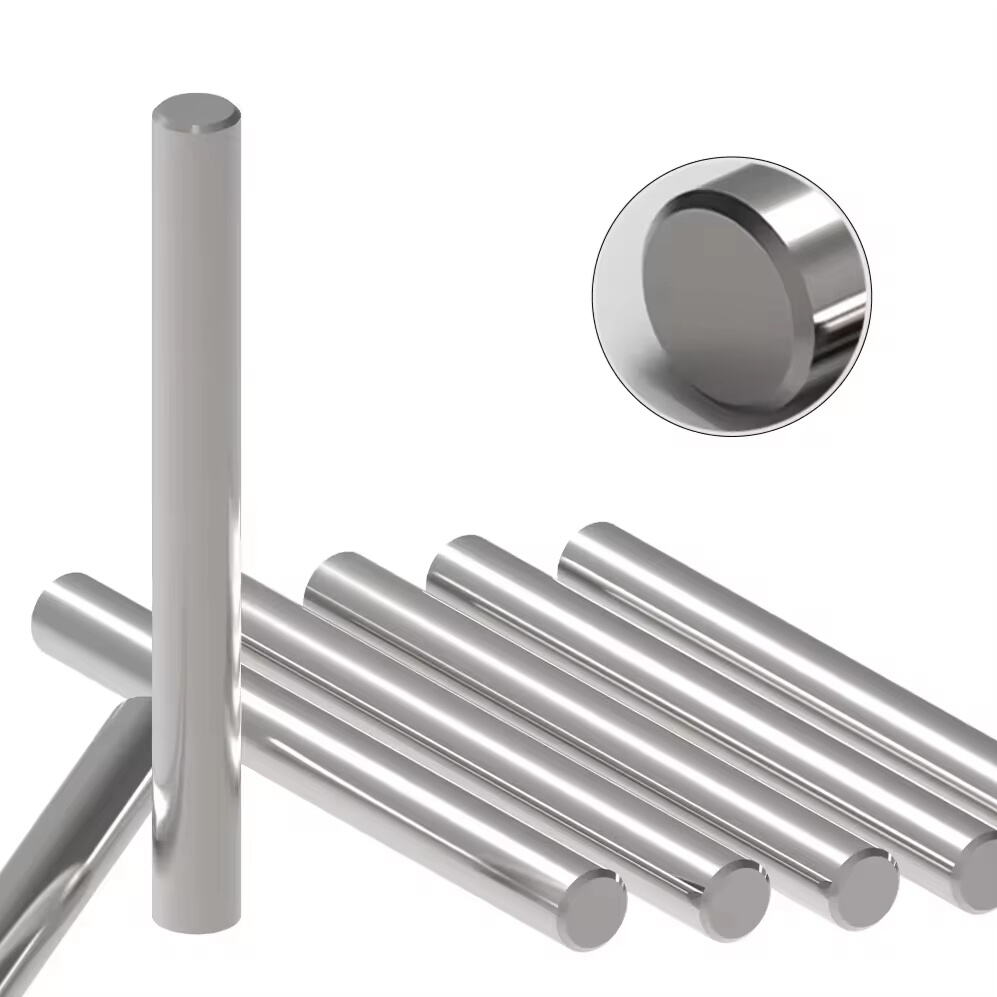
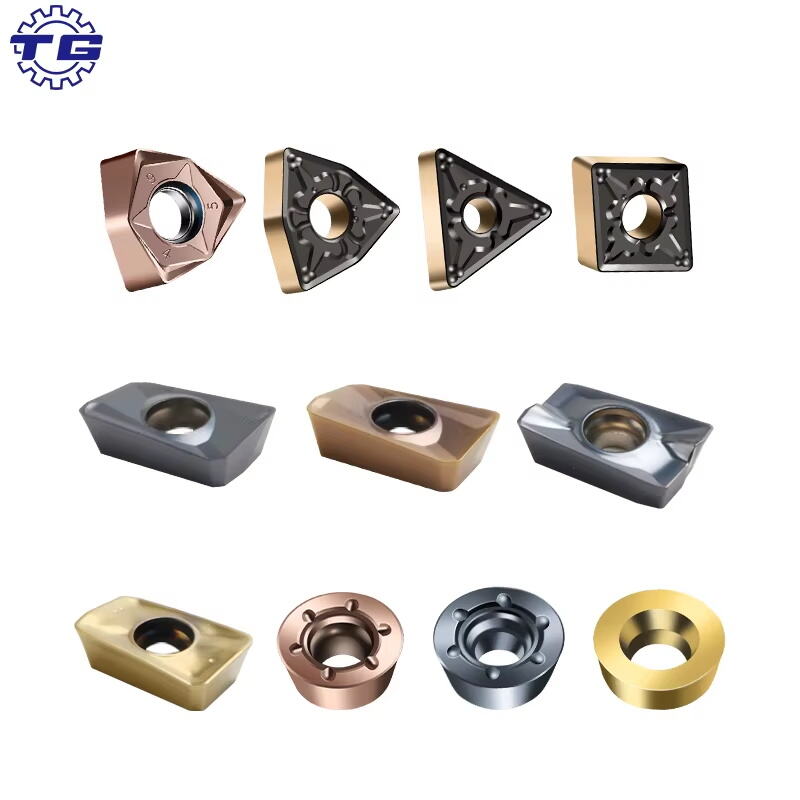
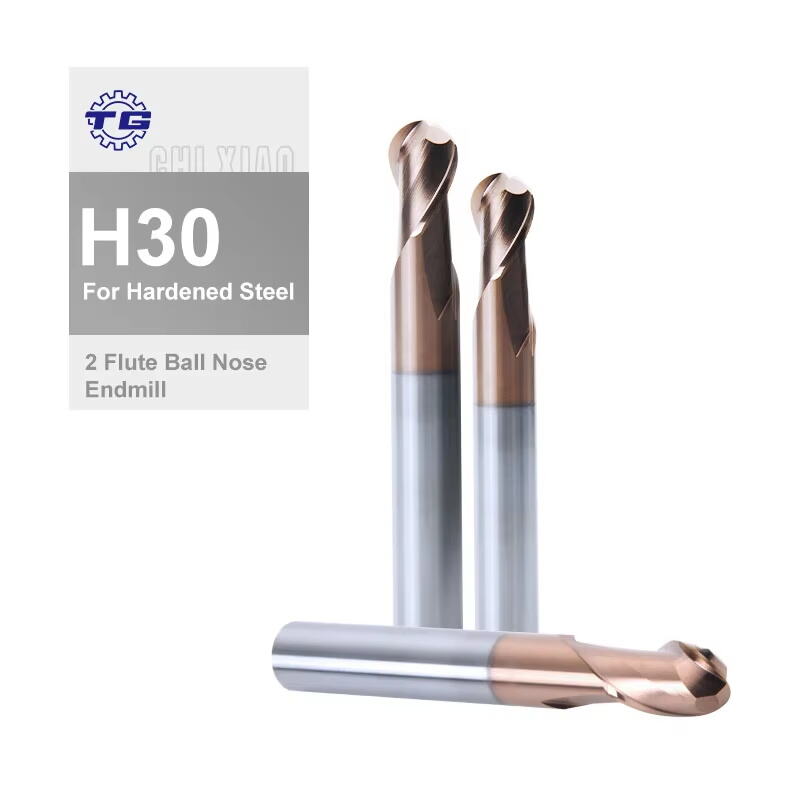
The remarkable versatility of tungsten carbide bar makes it an invaluable material across an extraordinarily wide range of industries and applications, from precision medical device manufacturing to heavy industrial mining operations. This adaptability stems from the ability to engineer different grades with varying properties by adjusting factors such as carbide grain size, binder composition, and binder content during manufacturing. The resulting spectrum of available grades means you can select a tungsten carbide bar optimized specifically for your application requirements, whether you prioritize maximum hardness, greatest toughness, best corrosion resistance, or an optimal balance of properties. In metalworking applications, tungsten carbide bar serves as the foundation for creating virtually every type of cutting tool imaginable. Manufacturers fabricate end mills, drills, reamers, boring bars, and specialized form tools from these bars, each designed to excel in specific machining operations. The material machines readily using specialized grinding equipment, allowing tool manufacturers to create complex geometries with tight tolerances and precise edge preparations. Beyond cutting tools, tungsten carbide bar finds extensive use in wear part applications where components must resist abrasion, erosion, or impact throughout extended service lives. Manufacturing industries employ guides, dies, and forming tools made from this material to process wire, tube, and sheet materials without excessive wear that would compromise product dimensions. The mining and construction sectors utilize tungsten carbide bar in drill bits, cutting picks, and wear plates that must withstand constant contact with rock and abrasive soils. Woodworking operations depend on tungsten carbide bar for saw tips, router bits, and planer knives that maintain sharpness despite the presence of silica and other abrasive contaminants in wood products. The material even serves specialized roles in non-cutting applications such as gauge blocks, precision measuring instruments, and components requiring exceptional dimensional stability across temperature variations. Medical device manufacturers appreciate how tungsten carbide bar can be processed into surgical instruments that maintain sharp edges throughout sterilization cycles and extended surgical procedures. The electronics industry uses precision tools made from tungsten carbide bar to process circuit boards and delicate components where tool wear would compromise microscopic features. This universal applicability means that expertise and equipment for working with tungsten carbide bar prove valuable across diverse manufacturing operations, making it a worthwhile investment for facilities serving multiple markets or planning to expand their capabilities into new product areas.

 EN
EN