Outstanding Heat Resistance Enabling High-Performance Operations
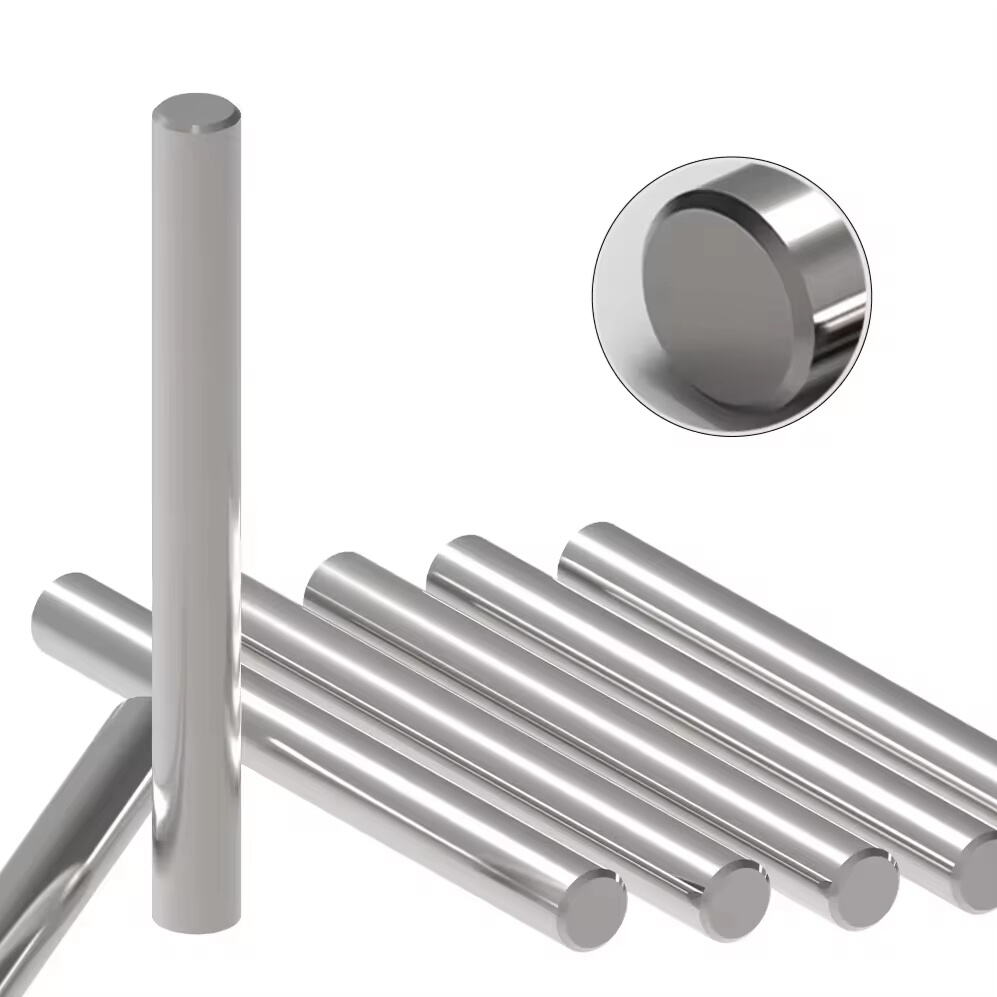
The thermal properties of the carbide round bar deliver critical advantages that expand your manufacturing capabilities and improve process efficiency in ways that conventional materials simply cannot match. Unlike steel-based tools that soften and lose their cutting ability when temperatures rise during operation, the carbide round bar maintains its hardness and structural integrity at elevated temperatures approaching 1000 degrees Celsius. This heat resistance stems from the strong chemical bonds between tungsten and carbon atoms, which require tremendous thermal energy to disrupt. When you machine materials using tools made from a carbide round bar, the friction and deformation at the cutting edge generates substantial heat, yet the carbide structure remains stable and continues performing effectively. This thermal stability enables several practical advantages in your operations. First, you can run machines at significantly higher cutting speeds compared to traditional tooling, which directly increases your production output without sacrificing quality. The carbide round bar tools handle the increased heat generation from faster operations, whereas steel alternatives would fail rapidly under the same conditions. Second, the heat resistance of the carbide round bar supports dry machining processes where cutting fluids are minimized or eliminated entirely. Traditional manufacturing relied heavily on coolants to manage heat and extend tool life, but these fluids add costs for purchase, application systems, disposal, and environmental compliance. Tools fabricated from a carbide round bar often perform adequately without coolants or with minimal lubrication, reducing these expenses while creating a cleaner, safer work environment. The environmental benefits extend beyond the shop floor as eliminating coolant disposal reduces your facility's ecological footprint. Third, when machining materials that work-harden during cutting such as stainless steels and nickel alloys, the heat resistance of the carbide round bar proves essential. These difficult materials generate extreme temperatures at the tool-workpiece interface, and only materials like carbide round bar can withstand these conditions while maintaining a functional cutting edge. The thermal properties also contribute to dimensional stability in finished tools and components. Materials that expand significantly with temperature changes create problems in precision applications where tight tolerances matter. The carbide round bar exhibits a low coefficient of thermal expansion, meaning it maintains its size and shape across temperature variations. This stability ensures that gauges, dies, and precision tools made from carbide round bar deliver accurate results regardless of shop temperature fluctuations or heat generated during use. For manufacturers pursuing continuous improvement and lean principles, the heat resistance of the carbide round bar enables process optimization that reduces cycle times, increases machine utilization, and improves competitiveness in demanding markets.

 EN
EN