
 EN
EN
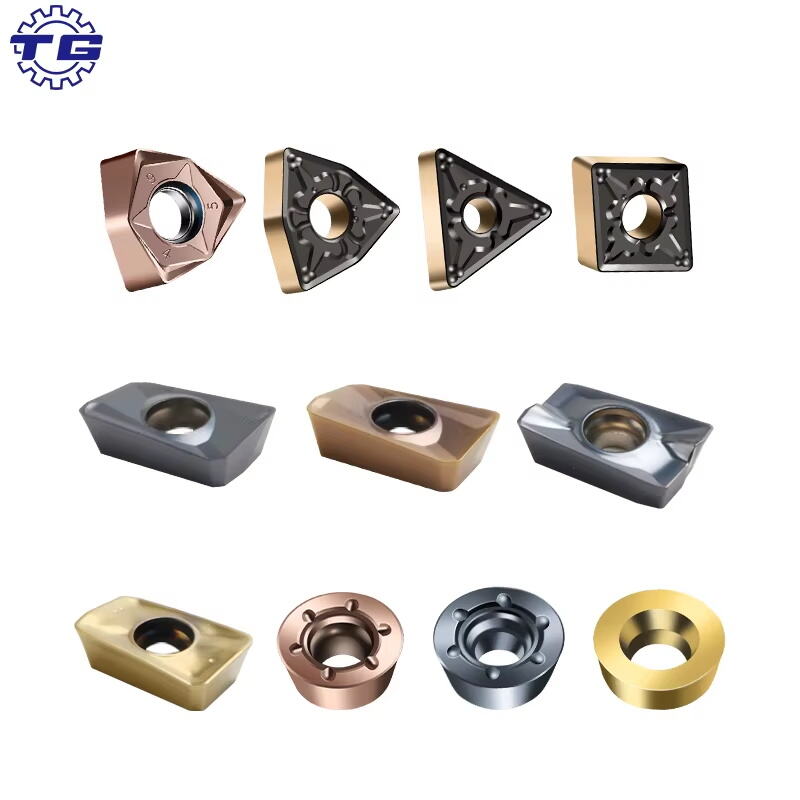
High speed steel cutting tools have revolutionized modern machining operations since their introduction in the early 1900s. These specialized alloys offer exceptional hardness, wear resistance, and heat tolerance that make them indispensable in various manufacturing applications. Understanding when to deploy high speed steel tooling can significantly impact production efficiency, surface finish quality, and overall machining economics. The versatility of high speed steel makes it suitable for both general-purpose machining and specialized operations where other materials might fail.
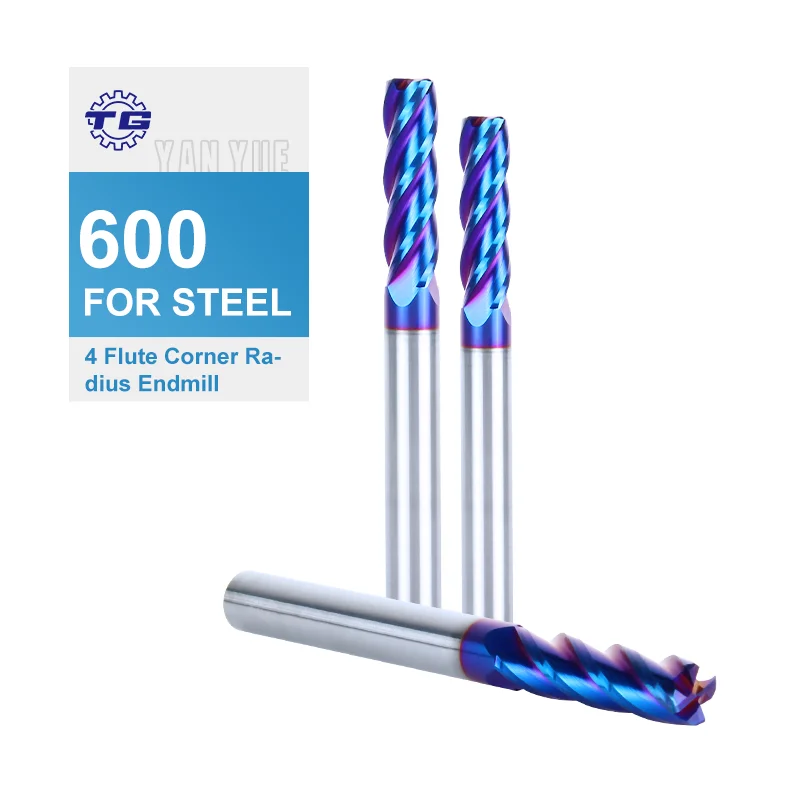
Understanding High Speed Steel Composition and Properties
Chemical Composition and Alloying Elements
High speed steel derives its exceptional properties from a carefully balanced combination of alloying elements that work synergistically to enhance cutting performance. The base composition typically includes tungsten, molybdenum, vanadium, chromium, and cobalt in varying percentages. Tungsten and molybdenum provide the primary hardness and wear resistance characteristics, while vanadium contributes to grain refinement and secondary hardening. Chromium enhances corrosion resistance and hardenability, ensuring that high speed steel maintains its cutting edge geometry even under demanding conditions.
The most common grades of high speed steel include M1, M2, M7, and T1 series, each optimized for specific applications and performance requirements. M2 grade represents the most widely used variant, offering an excellent balance of toughness, wear resistance, and cost-effectiveness. The molybdenum-based M series grades generally provide better impact resistance compared to tungsten-heavy T series grades, making them suitable for interrupted cutting operations where shock loads are common.
Heat Treatment and Hardening Characteristics
The exceptional performance of high speed steel stems from its unique heat treatment response and ability to maintain hardness at elevated temperatures. Unlike carbon tool steels that lose their hardness rapidly above 200°C, high speed steel retains cutting performance at temperatures exceeding 600°C. This hot hardness characteristic enables aggressive cutting parameters and higher material removal rates without compromising tool life.
Secondary hardening occurs during tempering, where fine carbide precipitates form throughout the matrix structure. These carbides provide the micro-support necessary for maintaining sharp cutting edges while distributing wear evenly across the tool surface. The heat treatment process typically involves austenitizing at temperatures between 1200-1300°C, followed by quenching and multiple tempering cycles to achieve optimal hardness and toughness balance.
Optimal Applications for High Speed Steel Tooling
Material Compatibility and Workpiece Considerations
High speed steel cutting tools excel when machining materials with moderate to high strength characteristics, including alloy steels, stainless steels, cast irons, and non-ferrous metals. The superior toughness of high speed steel makes it particularly effective for machining interrupted surfaces, rough castings, and workpieces with varying hardness zones. When working with materials that generate significant cutting forces or thermal shock, high speed steel provides the resilience necessary to prevent catastrophic tool failure.
Stainless steel machining represents one of the most challenging applications where high speed steel demonstrates clear advantages over carbide alternatives. The work-hardening tendency of austenitic stainless steels can cause carbide tools to chip or fracture, while high speed steel maintains its cutting ability through superior edge toughness. Similarly, cast iron machining benefits from high speed steel's ability to handle the abrasive nature of graphite inclusions without experiencing premature edge wear.
Machine Tool Compatibility and Setup Requirements
The selection of high speed steel cutting tools often depends on machine tool capabilities and setup rigidity rather than workpiece material alone. Older machine tools with limited spindle power, poor vibration damping, or excessive tool overhang benefit significantly from high speed steel's forgiving nature. Unlike carbide tools that require precise setup conditions and rigid machine configurations, high speed steel performs reliably even in less-than-optimal machining environments.
Manual machining operations and small-batch production runs frequently favor high speed steel due to its ability to withstand operator variability in feeds, speeds, and cutting techniques. The gradual wear characteristics of high speed steel provide operators with visual and tactile feedback about tool condition, enabling timely tool changes before workpiece quality deterioration occurs. This predictable wear pattern makes high speed steel particularly valuable in job shop environments where machining conditions vary significantly between operations.
Performance Advantages in Specific Machining Operations
Threading and Form Cutting Applications
Threading operations represent one of the most demanding applications for cutting tools, requiring exceptional edge stability and precise dimensional control. High speed steel threading tools maintain their sharp cutting edges longer than carbide alternatives, particularly when cutting coarse threads or working with materials that generate significant cutting forces. The superior toughness prevents thread form distortion under load, ensuring consistent thread geometry throughout the cutting cycle.
Form cutting operations, including gear cutting, spline machining, and complex profile generation, benefit from high speed steel's ability to maintain intricate edge geometries under varying load conditions. The predictable wear patterns enable form tools to maintain dimensional accuracy longer, reducing the frequency of tool replacement and subsequent machine setup time. High speed steel form tools can be resharpened multiple times while maintaining original geometry, providing significant cost advantages over disposable carbide inserts.
Drilling and Reaming Operations
Deep hole drilling applications showcase high speed steel's superior performance in challenging machining environments where tool breakage can result in costly workpiece scrapping. The exceptional toughness of high speed steel drill bits enables them to withstand the torsional stresses and thermal cycling inherent in deep hole operations. Unlike carbide drills that can fracture suddenly under shock loads, high speed steel provides progressive failure modes that allow operators to detect problems before catastrophic tool failure occurs.
Reaming operations require tools that can maintain precise dimensional control while removing minimal material. High speed steel reamers excel in these applications due to their ability to maintain sharp cutting edges and precise geometry throughout extended cutting cycles. The superior surface finish achieved with high speed steel reamers often eliminates subsequent finishing operations, improving overall production efficiency and reducing manufacturing costs.
Economic Considerations and Tool Life Optimization
Initial Investment and Operational Costs
High speed steel cutting tools typically require lower initial investment compared to premium carbide or ceramic alternatives, making them attractive for cost-sensitive applications and budget-constrained operations. The ability to resharpen high speed steel tools multiple times extends their useful life significantly, often resulting in lower cost-per-part than disposable carbide inserts. This economic advantage becomes particularly pronounced in low-volume production runs where tool changeover costs represent a significant portion of total manufacturing expenses.
Tool inventory management becomes simplified when standardizing on high speed steel cutting tools due to their versatility across multiple materials and operations. A single high speed steel end mill can often replace several specialized carbide tools, reducing inventory carrying costs and simplifying tool selection procedures. The longer tool life and predictable wear patterns enable more accurate production planning and reduce the risk of unexpected tool shortages during critical production runs.
Resharpening and Reconditioning Capabilities
The resharpening capability of high speed steel represents one of its most significant economic advantages, particularly for complex geometries and specialty tools. High speed steel cutting tools can typically be resharpened 10-15 times while maintaining original performance characteristics, provided proper grinding techniques and heat control measures are employed. This reconditioning capability enables manufacturers to maintain cutting tool performance standards while minimizing disposal waste and environmental impact.
Custom tool geometries and specialized applications often favor high speed steel due to the relative ease of modification and regrinding compared to carbide alternatives. Tool rooms and maintenance departments can efficiently modify high speed steel tools to accommodate changing production requirements without requiring specialized equipment or extensive training. This flexibility proves invaluable in prototype development and short-run production scenarios where standard tool geometries may not provide optimal results.
Cutting Parameter Optimization and Best Practices
Speed and Feed Rate Selection
Optimizing cutting parameters for high speed steel tools requires balancing material removal rates with tool life expectations to achieve maximum economic benefit. Surface speeds for high speed steel typically range from 50-150 feet per minute, depending on workpiece material hardness and machining operation type. Higher speeds generate excessive heat that can lead to rapid tool wear, while excessively low speeds may cause work hardening in certain materials and result in poor surface finish quality.
Feed rate selection significantly impacts chip formation and cutting forces, directly affecting both tool life and workpiece quality. Optimal feed rates for high speed steel cutting tools generally fall within the range of 0.005-0.020 inches per revolution, adjusted based on tool diameter and material properties. Insufficient feed rates can cause rubbing and work hardening, while excessive feed rates may overload the cutting edge and cause premature tool failure through chipping or fracture.
Coolant Selection and Application Methods
Proper coolant selection and application techniques can extend high speed steel tool life by 200-300% while improving surface finish quality and dimensional accuracy. Soluble oil coolants provide excellent lubrication properties that reduce friction and prevent built-up edge formation on high speed steel cutting tools. The cooling effect helps maintain cutting edge hardness while flushing chips away from the cutting zone to prevent recutting and work hardening.
Flood coolant application typically provides the best results for high speed steel machining operations, ensuring adequate heat removal and chip evacuation. Mist coolant systems can be effective for lighter duty applications but may not provide sufficient cooling for aggressive material removal operations. Dry machining with high speed steel is possible in certain applications but generally results in reduced tool life and may require more frequent tool changes to maintain acceptable surface finish standards.
FAQ
What materials work best with high speed steel cutting tools?
High speed steel cutting tools perform exceptionally well with alloy steels, stainless steels, cast irons, aluminum alloys, and most non-ferrous metals. They are particularly effective for materials that generate high cutting forces or have varying hardness zones, such as forgings and castings. Stainless steel machining represents one of the ideal applications where high speed steel outperforms carbide due to superior edge toughness and resistance to chipping.
How do cutting speeds for high speed steel compare to carbide tools?
High speed steel cutting tools typically operate at surface speeds 3-5 times lower than carbide tools, usually ranging from 50-150 feet per minute depending on the material being machined. While this results in lower material removal rates, the superior toughness and longer tool life often compensate for the reduced speeds, especially in applications with interrupted cuts or less rigid machine setups.
Can high speed steel tools be resharpened and how many times?
Yes, high speed steel tools can be resharpened multiple times, typically 10-15 regrind cycles while maintaining original performance characteristics. This capability provides significant cost advantages over disposable carbide inserts, particularly for complex geometries and specialty tools. Proper grinding techniques and heat control during resharpening are essential to preserve the tool's metallurgical properties and cutting performance.
What are the main disadvantages of high speed steel compared to carbide?
The primary disadvantages of high speed steel include lower cutting speeds, reduced material removal rates, and limited performance in high-temperature applications compared to carbide tools. High speed steel also has lower hardness than carbide, which can result in faster wear when machining extremely abrasive materials. However, these limitations are often offset by superior toughness, lower cost, and better performance in challenging machining conditions where carbide tools might fail catastrophically.