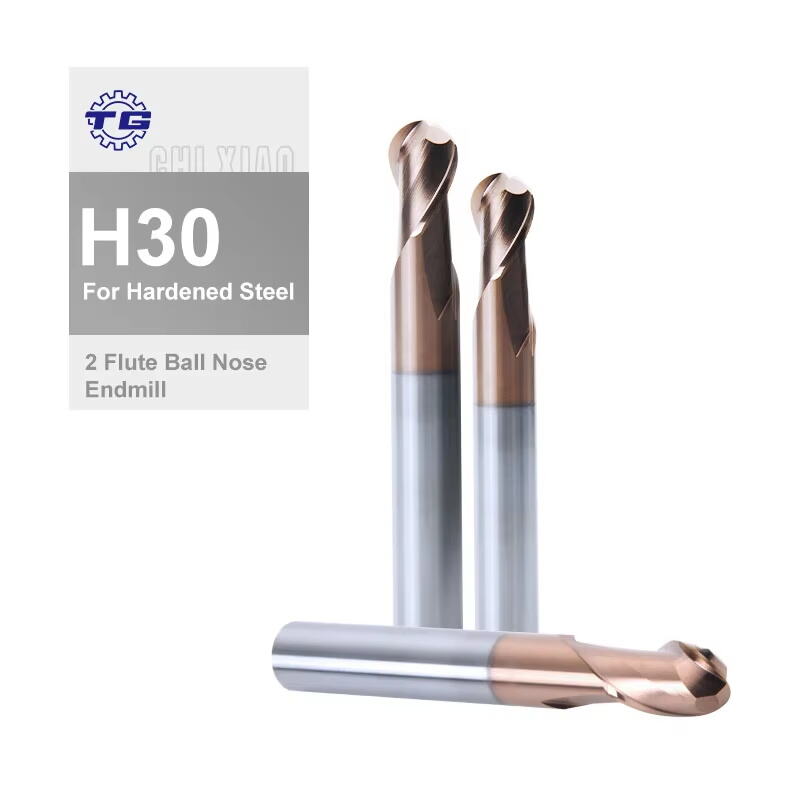
carbide milling tools
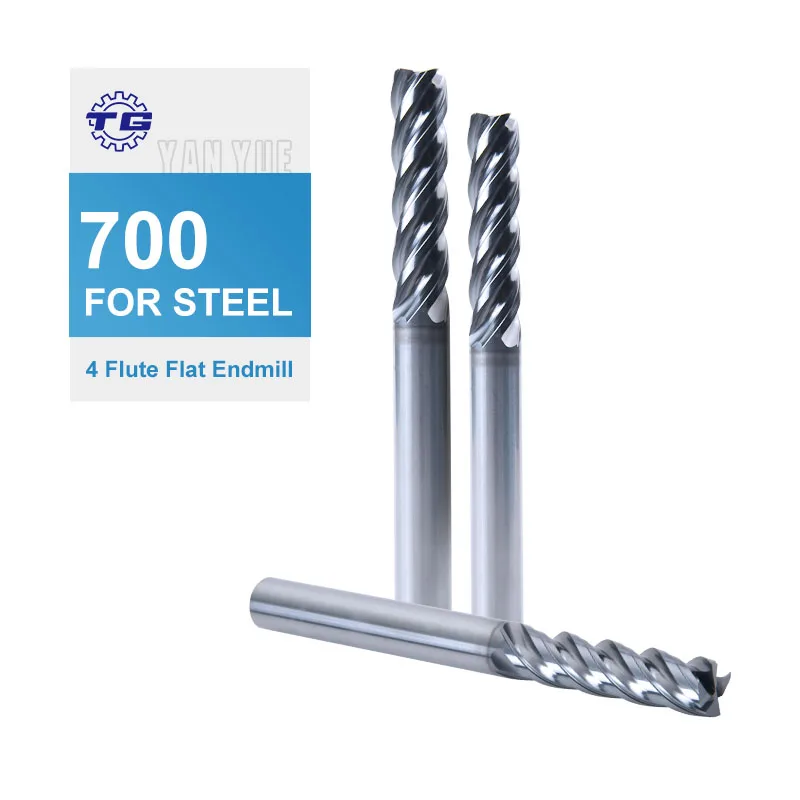
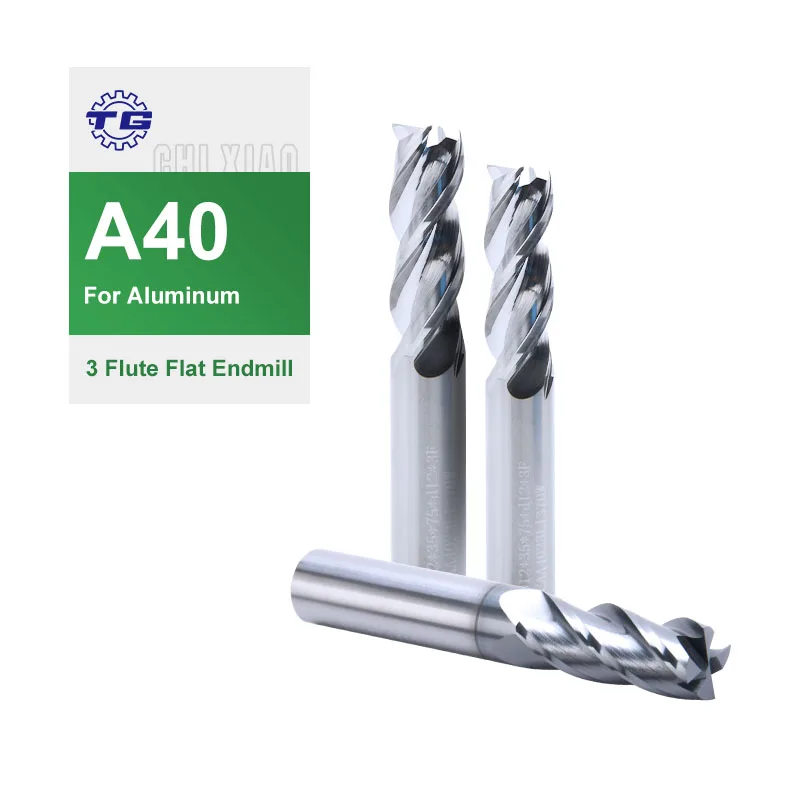
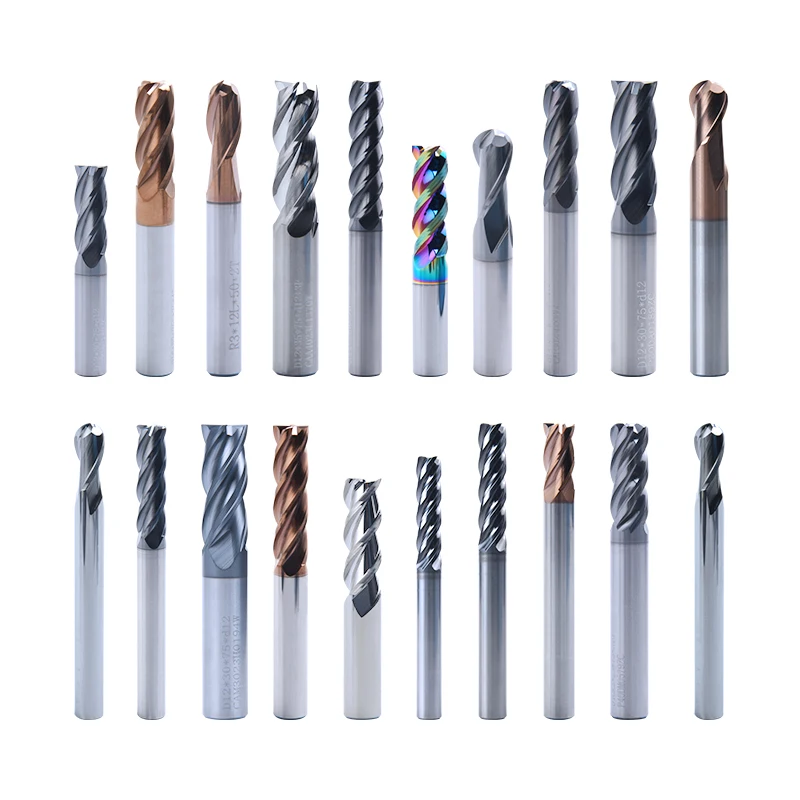
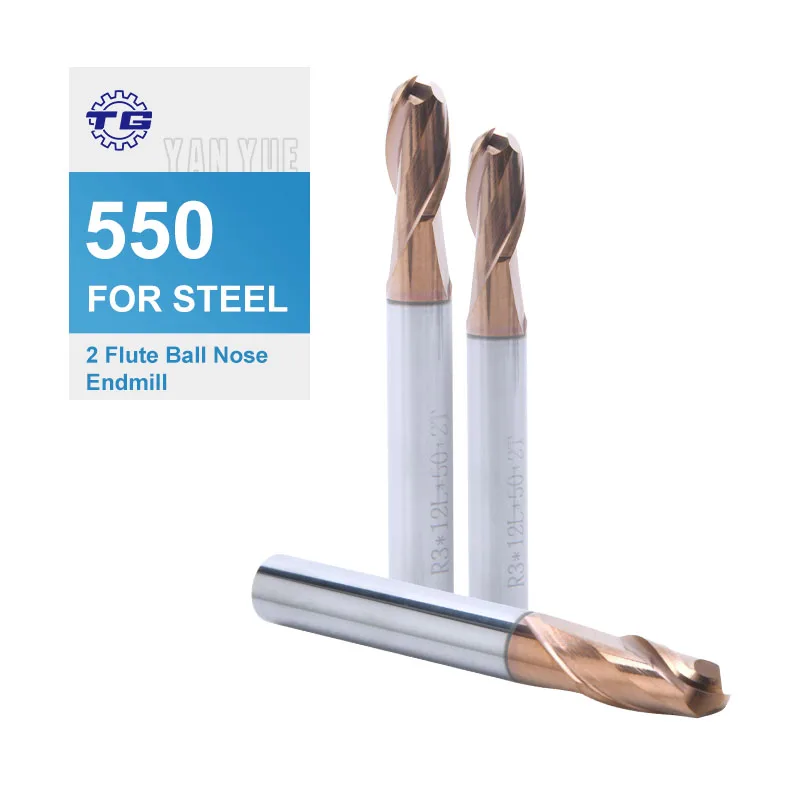
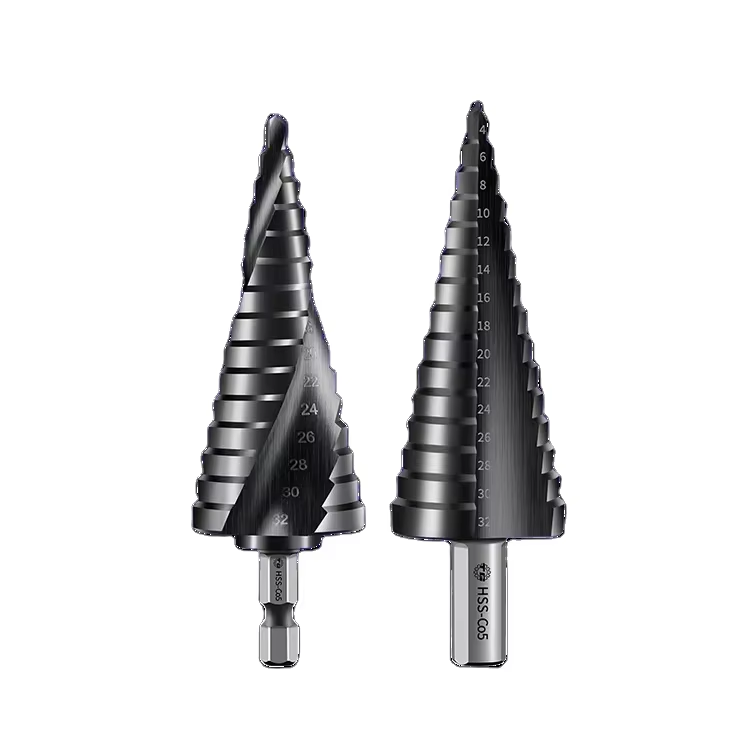
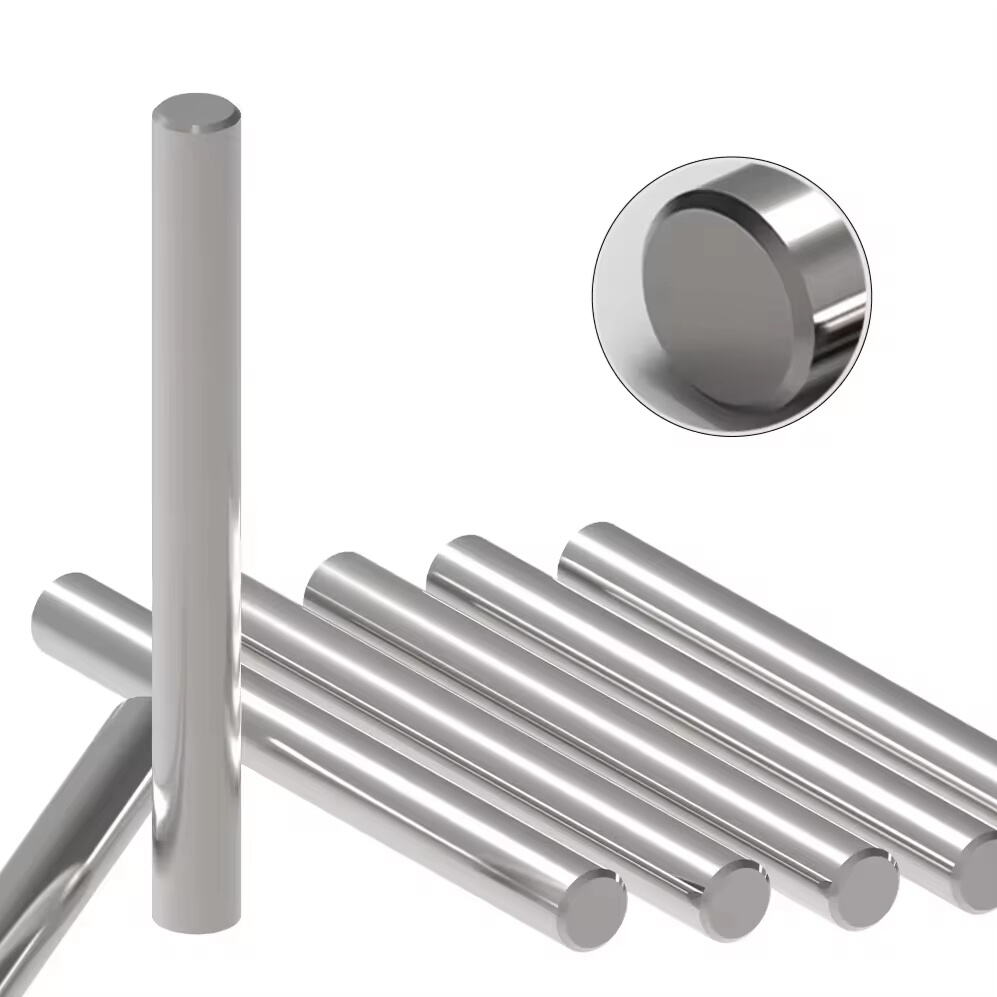
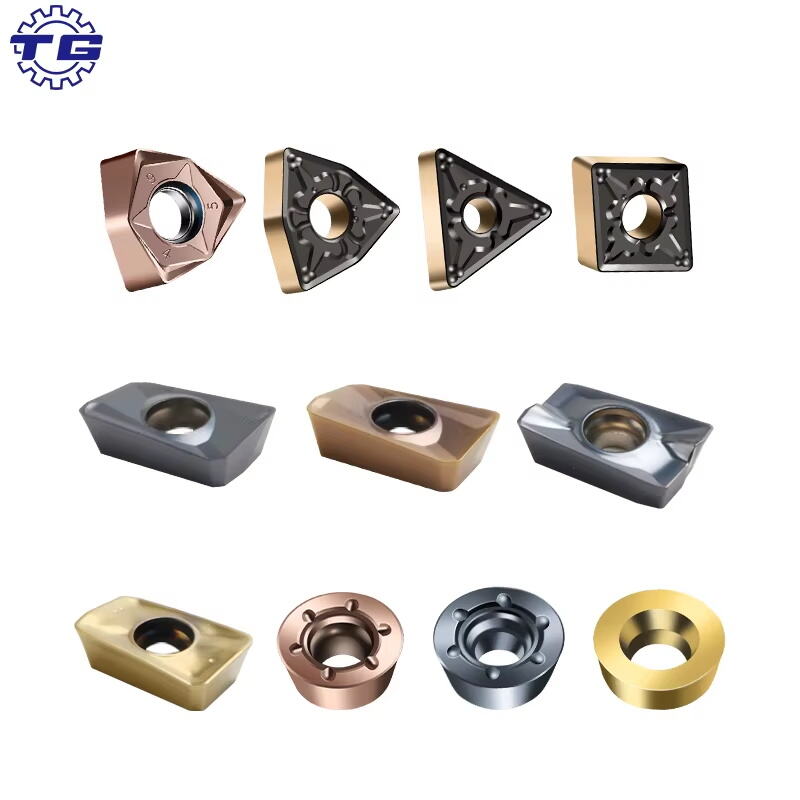
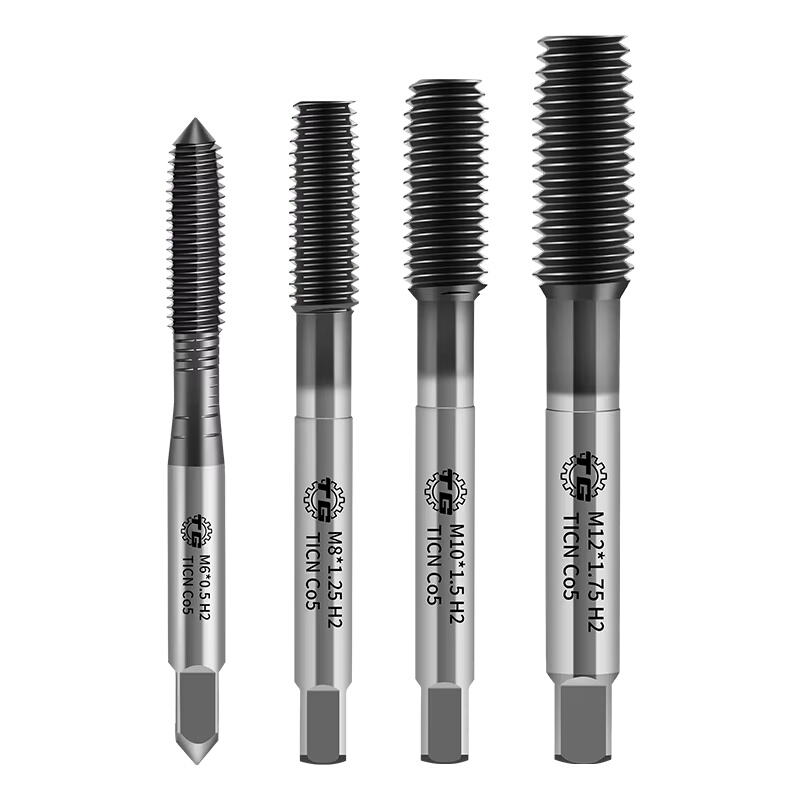
Carbide milling tools represent a significant advancement in precision machining technology, offering manufacturers and machinists superior performance across diverse industrial applications. These cutting instruments are engineered from tungsten carbide, a compound renowned for its exceptional hardness and wear resistance properties. Carbide milling tools have become indispensable in modern manufacturing environments where precision, efficiency, and consistency are paramount. The main functions of carbide milling tools include material removal from workpieces, creating intricate shapes and contours, producing smooth surface finishes, and executing precise dimensional cuts across various materials including steel, aluminum, titanium, and exotic alloys. The technological features that distinguish carbide milling tools from conventional cutting implements include their remarkable heat resistance, which allows them to maintain cutting edge integrity even at elevated temperatures generated during high-speed machining operations. The molecular structure of tungsten carbide provides these tools with hardness ratings that significantly exceed high-speed steel alternatives, enabling longer tool life and reduced replacement frequency. Advanced coating technologies such as titanium nitride, titanium carbonitride, and aluminum titanium nitride further enhance the performance characteristics of carbide milling tools by reducing friction, preventing material adhesion, and extending operational longevity. Applications for carbide milling tools span numerous industries including aerospace manufacturing, automotive production, medical device fabrication, electronics manufacturing, and general metalworking operations. These tools excel in both roughing operations where substantial material removal is required and finishing procedures demanding exceptional surface quality. The versatility of carbide milling tools makes them suitable for milling flat surfaces, creating slots and keyways, drilling operations, contouring complex geometries, and producing threaded features. Manufacturing facilities utilize carbide milling tools in computer numerical control machines, manual milling machines, and multi-axis machining centers to achieve tight tolerances and repeatable results that meet stringent quality standards across production runs.

 EN
EN