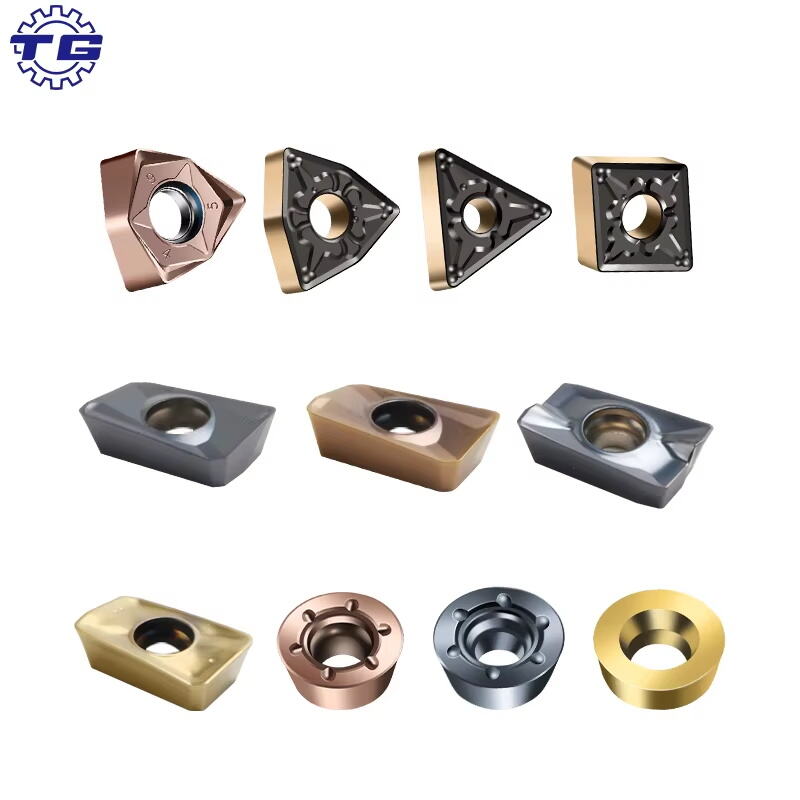
carbide milling bits
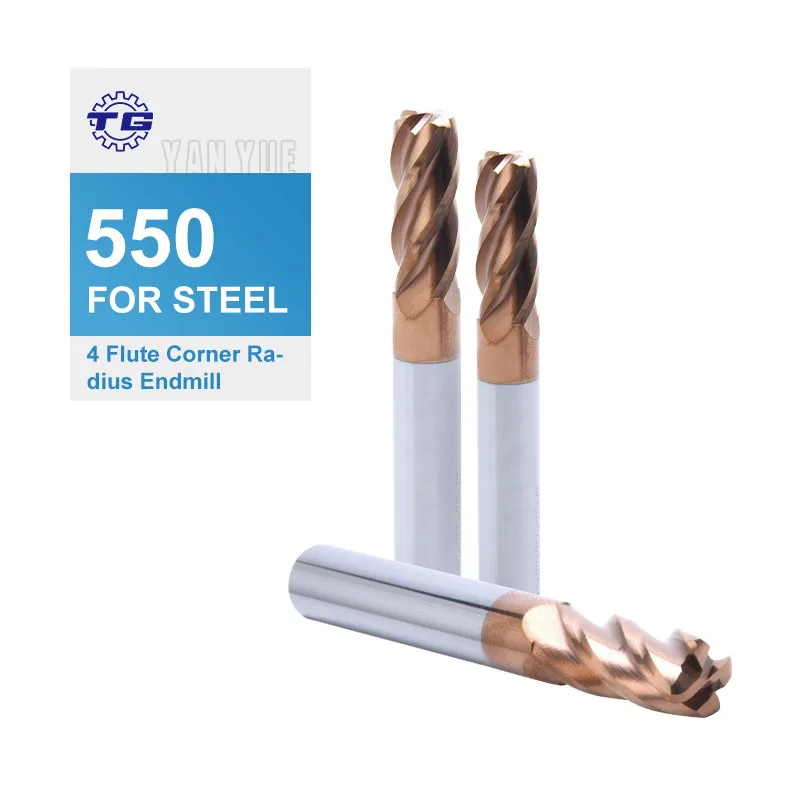
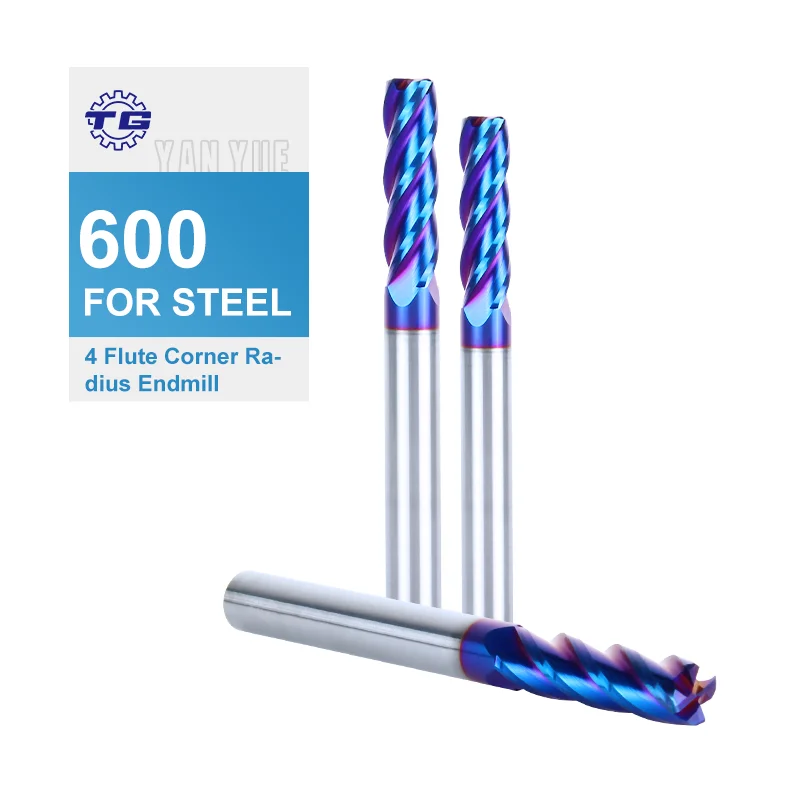
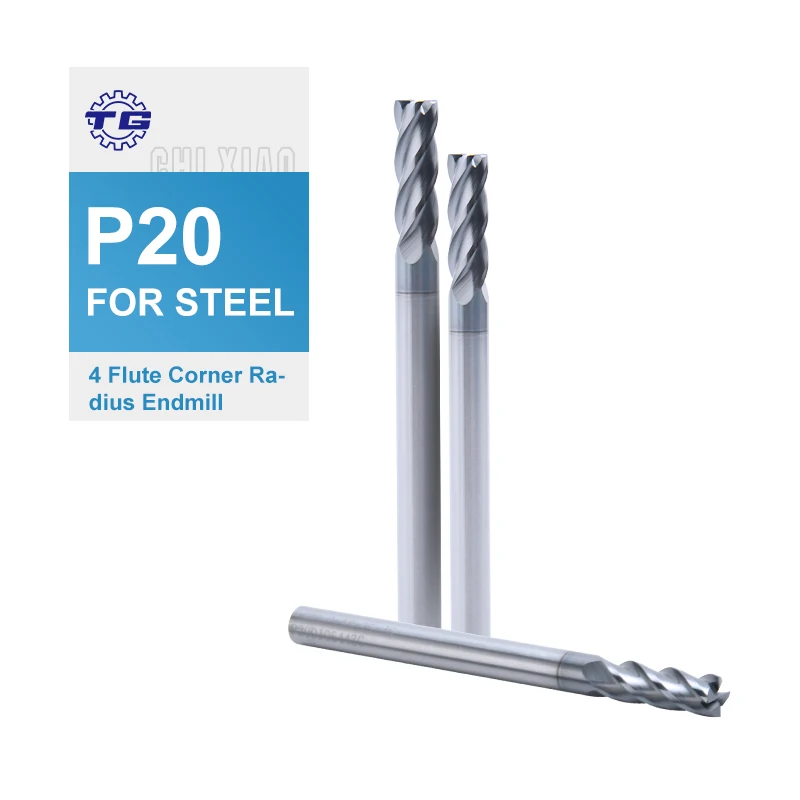
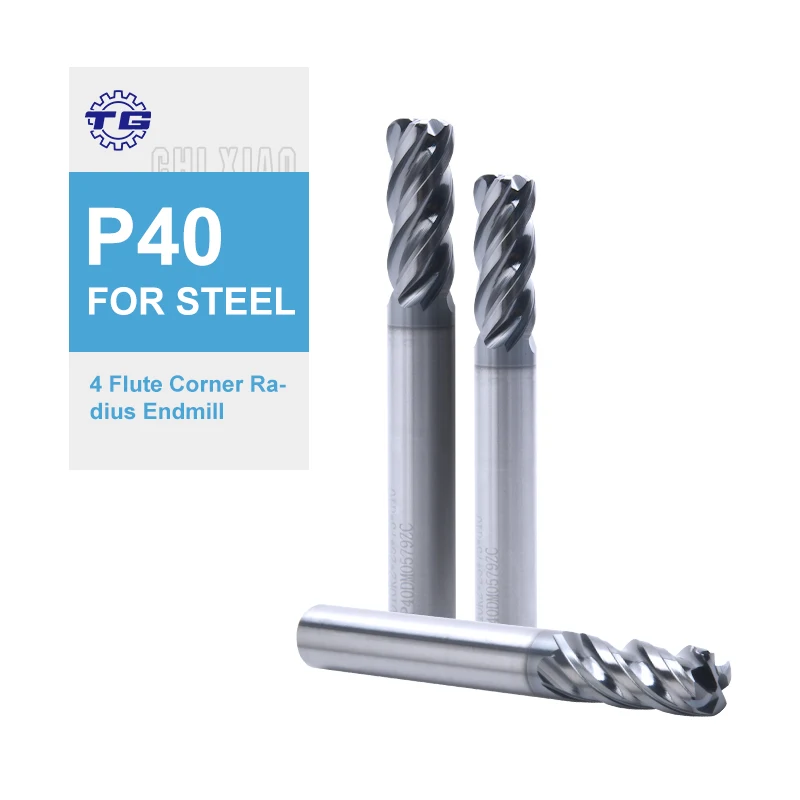
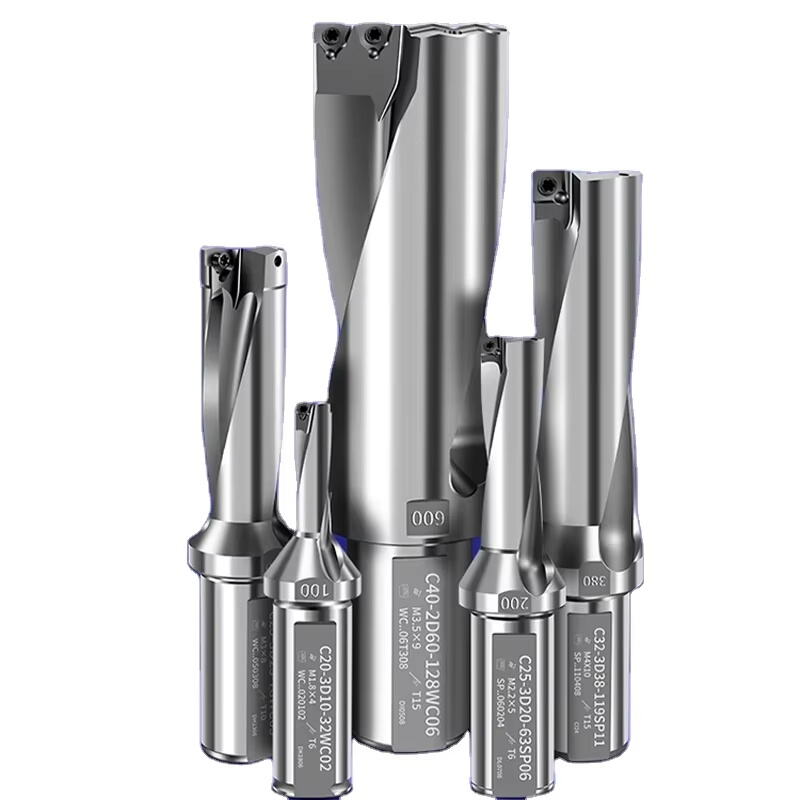
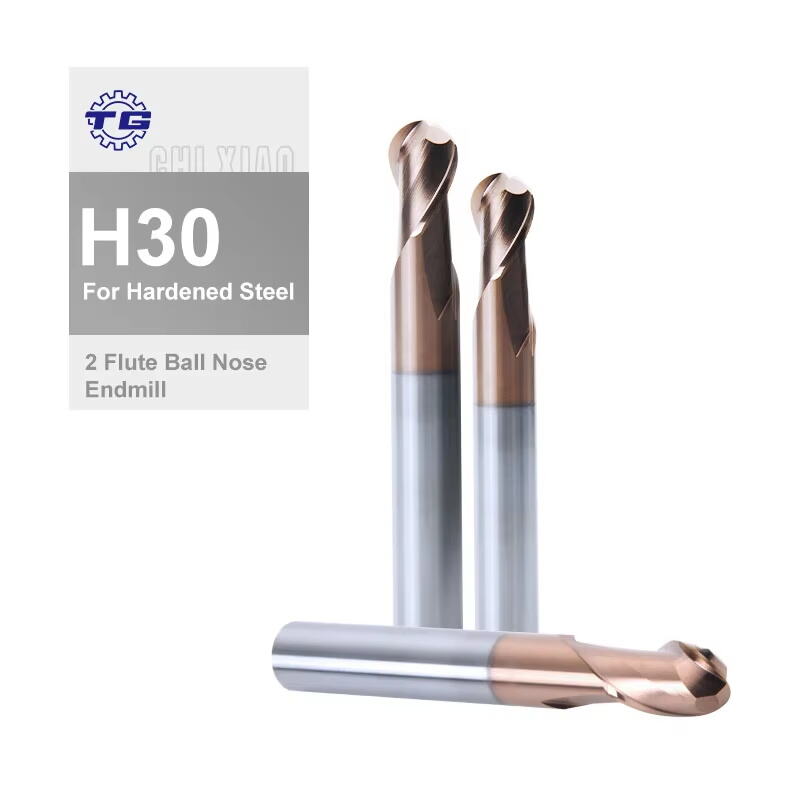
Carbide milling bits represent a revolutionary advancement in cutting tool technology, designed to deliver exceptional performance across diverse machining operations. These specialized cutting tools are manufactured from tungsten carbide, an incredibly hard material that combines tungsten and carbon particles through a sintering process. The resulting carbide milling bits offer superior hardness, wear resistance, and heat tolerance compared to traditional high-speed steel alternatives. The main functions of carbide milling bits encompass precision material removal, shaping complex geometries, creating smooth surface finishes, and executing various milling operations including face milling, slot cutting, contouring, and profiling. These tools excel in both rough cutting applications where rapid material removal is essential and finish machining where dimensional accuracy and surface quality are paramount. The technological features of carbide milling bits include multiple flute designs that optimize chip evacuation, specialized coatings such as titanium nitride or titanium aluminum nitride that enhance performance and extend tool life, and precisely engineered cutting edge geometries that reduce cutting forces while maintaining stability. Modern carbide milling bits incorporate advanced micro-grain carbide substrates that provide an ideal balance between hardness and toughness, preventing premature failure while maintaining sharp cutting edges. Applications for carbide milling bits span numerous industries including aerospace manufacturing, automotive production, mold and die fabrication, medical device manufacturing, and general engineering workshops. These versatile tools effectively machine a wide range of materials from soft aluminum alloys to hardened steels, stainless steel, cast iron, exotic alloys, and even composite materials. Whether performing high-speed machining operations on CNC equipment or conventional milling machine work, carbide milling bits consistently deliver reliable results, making them indispensable tools for modern manufacturing facilities seeking to optimize productivity, maintain tight tolerances, and achieve superior surface finishes across their machining operations.

 EN
EN