
 EN
EN
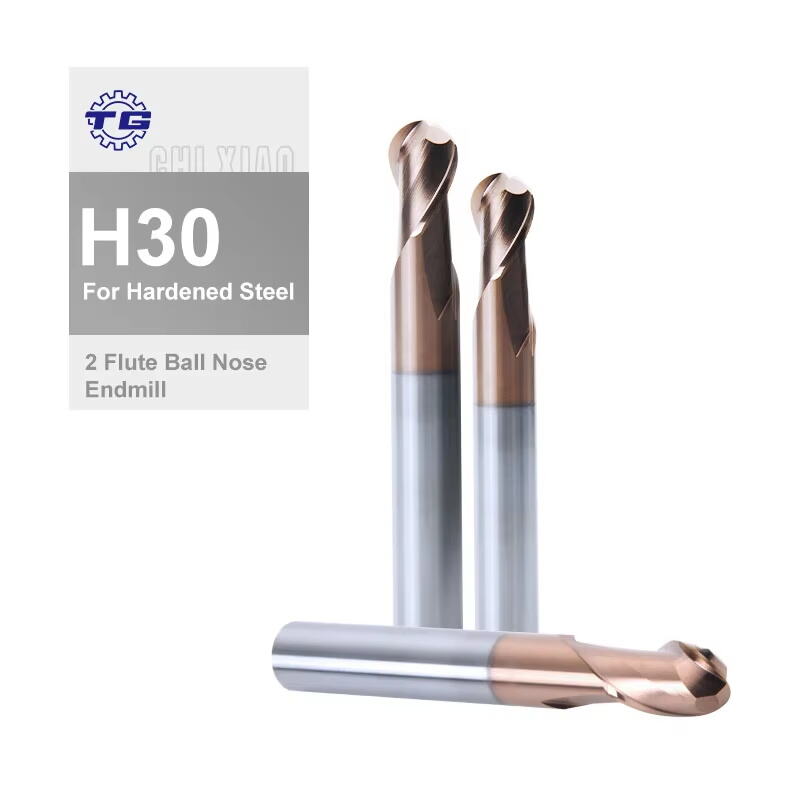
Selecting the appropriate drill bit size is crucial for achieving precise holes, maintaining material integrity, and ensuring project success across various applications. Whether you're working with wood, metal, plastic, or composite materials, understanding the relationship between drill bit dimensions and your specific requirements will significantly impact the quality of your finished work. The right drill bit choice depends on multiple factors including material type, hole diameter requirements, depth specifications, and the drilling equipment being used.
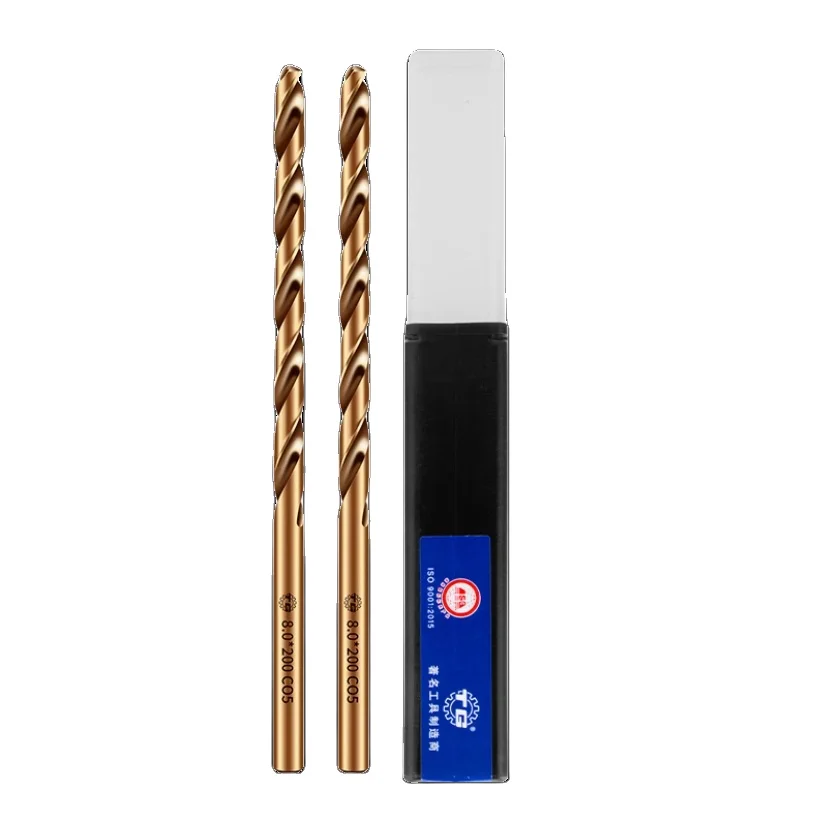
Professional contractors, DIY enthusiasts, and manufacturing professionals must consider various technical aspects when selecting drill bit sizes to ensure optimal performance. The diameter, length, and geometry of each drill bit directly influence cutting efficiency, hole accuracy, and tool longevity. Understanding these fundamental principles enables users to make informed decisions that reduce material waste, minimize rework, and achieve consistent results across different project types.
Understanding Drill Bit Sizing Systems
Standard Measurement Units
Drill bit sizes are commonly expressed in fractional inches, decimal inches, millimeters, and wire gauge numbers depending on the application and geographic region. In North America, fractional measurements like 1/8", 1/4", and 3/8" are standard for general purpose drilling, while metric measurements dominate in international manufacturing environments. Each sizing system offers specific advantages for different applications, with fractional sizes providing intuitive scaling for woodworking projects and metric measurements offering precise increments for engineering applications.
Wire gauge sizing, primarily used for small diameter bits, follows a reverse numerical system where larger numbers indicate smaller diameters. This system originated from the wire manufacturing industry and remains prevalent for precision drilling operations requiring holes smaller than 1/4 inch. Understanding these different measurement systems prevents confusion when selecting the appropriate drill bit for specific hole requirements and ensures compatibility with existing hardware specifications.
Conversion Between Systems
Converting between different drill bit sizing systems requires understanding the mathematical relationships and using appropriate conversion charts or calculators. A standard 1/4" drill bit equals 6.35mm in metric measurement, while a #7 wire gauge bit corresponds to 0.201" or approximately 5.1mm. These conversions become essential when working with international project specifications or when substituting one drill bit type for another during material procurement challenges.
Professional drilling operations often maintain comprehensive conversion charts that include fractional, decimal, metric, and wire gauge equivalents to streamline bit selection processes. Digital calipers and precision measuring tools help verify actual drill bit dimensions, as manufacturing tolerances can introduce slight variations from nominal specifications. Accurate measurement and conversion ensure proper fit with fasteners, dowels, and other hardware components that require precise hole dimensions.
Material-Specific Size Selection
Wood Drilling Applications
Selecting the correct drill bit size for wood applications depends on the wood species, grain direction, and intended fastener type. Softwoods like pine and cedar typically require smaller pilot holes compared to hardwoods such as oak or maple, which demand more aggressive cutting action and precise sizing to prevent splitting. The drill bit diameter should match the screw thread's minor diameter for optimal holding power while avoiding material damage around the hole perimeter.
Woodworking projects involving dowel joints require precise hole dimensions that accommodate the dowel diameter with minimal clearance. A standard 1/4" dowel typically requires a 1/4" or slightly smaller drill bit to ensure tight fit and strong joint integrity. Counter-boring operations for screw heads demand stepped drilling techniques using multiple drill bit sizes to create the appropriate recess depth and diameter for flush screw installation.
Metal Drilling Requirements
Metal drilling applications require careful consideration of material hardness, thickness, and thermal properties when selecting drill bit sizes. Stainless steel, aluminum, and carbon steel each present unique challenges that influence optimal bit selection and drilling parameters. The drill bit must maintain sharp cutting edges while dissipating heat effectively to prevent material work hardening or bit dulling during the drilling process.
Thin sheet metal applications often require step drilling techniques using progressively larger drill bit sizes to prevent material distortion and achieve clean hole edges. Starting with a small pilot hole and gradually enlarging to the final dimension reduces cutting forces and minimizes burr formation. Thicker metal sections may accommodate direct drilling with the final size drill bit, provided adequate cutting fluid application and appropriate feed rates maintain optimal cutting conditions.
Application-Based Sizing Guidelines
Fastener Compatibility
Matching drill bit sizes to specific fastener requirements ensures proper mechanical connection and optimal load transfer characteristics. Machine screws, wood screws, and self-tapping fasteners each require different hole preparation approaches based on their thread geometry and installation method. The drill bit diameter should provide adequate thread engagement while maintaining material strength around the fastener hole.
Clearance holes for bolts and machine screws typically require drill bit sizes that exceed the fastener diameter by 1/32" to 1/16" depending on the application tolerance requirements. This clearance accommodates thermal expansion, assembly tolerances, and potential misalignment during installation. Threaded holes for machine screws require precise tap drill sizing that removes appropriate material volume while preserving sufficient thread engagement for the specified load capacity.
Specialized Drilling Operations
Precision manufacturing operations often require specialized drill bit sizes that fall between standard increments to achieve specific engineering tolerances. Custom applications may demand reaming operations following initial drilling to achieve final hole dimensions within tight tolerance bands. The initial drill bit size should remove most material while leaving sufficient stock for the reaming operation to achieve the final surface finish and dimensional accuracy.
Deep hole drilling applications require careful consideration of drill bit length, rigidity, and chip evacuation capabilities when selecting appropriate sizes. Longer drill bit lengths may necessitate smaller diameters to maintain adequate stiffness and prevent deflection during drilling operations. Chip evacuation becomes increasingly critical as hole depth increases, potentially requiring specialized drill bit geometries or modified drilling techniques to maintain cutting performance.
Technical Considerations for Size Selection
Cutting Speed and Feed Rate Relationships
The relationship between drill bit size and optimal cutting parameters significantly influences drilling performance, tool life, and hole quality. Larger diameter drill bits typically require slower rotational speeds but higher feed rates to maintain efficient material removal and prevent excessive heat generation. Understanding these relationships enables operators to optimize drilling parameters for different drill bit sizes and material combinations.
Surface cutting speed calculations based on drill bit diameter help determine appropriate spindle speeds for different materials and drilling conditions. A 1/2" drill bit operating at the same RPM as a 1/4" drill bit experiences twice the surface cutting speed, potentially leading to premature tool wear or material burning. Adjusting rotational speed inversely with drill bit diameter maintains consistent cutting conditions and optimizes performance across various size ranges.
Chip Evacuation and Hole Quality
Proper chip evacuation becomes increasingly important as drill bit size increases, particularly in deep hole applications where chip packing can cause tool breakage or poor hole quality. Larger diameter drill bits generate greater chip volumes that require adequate clearance and removal mechanisms to prevent cutting interference. Intermittent drilling techniques, peck drilling cycles, and adequate cutting fluid application help maintain clean cutting conditions.
Hole quality considerations include surface finish, dimensional accuracy, and edge condition, all of which relate to appropriate drill bit size selection for the intended application. Oversized drill bit selection may result in excessive material removal and reduced fastener holding power, while undersized bits can cause binding, overheating, and premature tool failure. Balancing these factors requires understanding the specific requirements of each drilling application and selecting accordingly.
Common Sizing Mistakes and Solutions
Avoiding Undersized Selection
Selecting undersized drill bits represents one of the most common errors in drilling operations, leading to increased cutting forces, excessive heat generation, and premature tool failure. Undersized bits must remove more material per revolution, creating higher stress concentrations and reducing cutting efficiency. This situation often occurs when operators attempt to use available drill bit sizes rather than procuring the correct diameter for the specific application.
The consequences of undersized drill bit selection extend beyond tool life considerations to include poor hole quality, material damage, and potential safety hazards. Excessive cutting forces can cause drill bit breakage, particularly in harder materials where the additional stress exceeds tool capabilities. Implementing proper size selection procedures and maintaining adequate drill bit inventory helps prevent these issues and ensures consistent drilling performance across various applications.
Oversizing Complications
Oversized drill bit selection creates different challenges including reduced fastener holding power, increased material waste, and potential structural weakness around hole locations. When drill bit diameter exceeds optimal specifications, the resulting oversized holes may require additional hardware or repair techniques to achieve proper mechanical connections. This situation commonly occurs in repair applications where original hole dimensions have been compromised or when inexact size substitutions are made.
Correcting oversized hole problems often requires specialized techniques such as threaded inserts, dowel plugging, or welding repair depending on the material and application requirements. Prevention through accurate size selection and verification represents a more efficient approach than post-drilling corrections. Maintaining detailed drill bit size charts and verification procedures helps ensure appropriate selection for each specific application requirement.
Advanced Selection Techniques
Progressive Sizing Methods
Progressive drilling techniques utilize multiple drill bit sizes in sequence to achieve final hole dimensions while minimizing cutting forces and improving hole quality. This approach proves particularly valuable when drilling large diameter holes in tough materials or when equipment power limitations restrict single-pass drilling operations. Starting with smaller pilot holes and progressively enlarging reduces stress on both the drill bit and workpiece material.
Step drilling sequences typically begin with pilot holes approximately 1/8" to 1/4" smaller than the final dimension, followed by intermediate sizes that remove material in controlled increments. Each successive drill bit removes a manageable amount of material while maintaining cutting edge sharpness and preventing excessive heat buildup. This methodology extends tool life, improves hole accuracy, and reduces the likelihood of workpiece damage during drilling operations.
Precision Measurement Techniques
Accurate hole size verification requires precision measurement techniques that account for manufacturing tolerances and application requirements. Digital calipers, pin gauges, and coordinate measuring machines provide different levels of measurement accuracy depending on the precision requirements of the specific application. Understanding measurement uncertainty and tolerance stack-up helps ensure that drill bit selection meets final assembly requirements.
Go/no-go gauges offer efficient quality control methods for production environments where multiple holes require consistent sizing verification. These specialized tools provide quick pass/fail assessment without requiring detailed dimensional measurement for each hole. Implementing appropriate measurement and verification procedures ensures that drill bit size selection translates into acceptable final hole dimensions across varying production conditions and material properties.
FAQ
What factors determine the correct drill bit size for my project
The correct drill bit size depends on several key factors including the material being drilled, the type of fastener or hardware being installed, the required hole tolerance, and the specific application requirements. For fastener applications, you'll need to consider whether you're creating pilot holes, clearance holes, or tap holes, as each requires different sizing approaches. Material properties such as hardness, thickness, and brittleness also influence optimal drill bit selection, with harder materials often requiring different sizing strategies compared to softer materials.
How do I convert between different drill bit sizing systems
Converting between fractional, decimal, metric, and wire gauge drill bit sizes requires reference charts or conversion calculators that provide accurate equivalents. For example, a 1/4" fractional drill bit equals 0.250" in decimal form and 6.35mm in metric measurement. Wire gauge sizes follow a reverse numbering system where larger numbers indicate smaller diameters. Many manufacturers provide comprehensive conversion charts, and digital calipers can verify actual drill bit dimensions when precise measurements are required for critical applications.
What happens if I use the wrong drill bit size
Using incorrect drill bit sizes can lead to various problems depending on whether the bit is too large or too small for the application. Undersized drill bits create excessive cutting forces, generate excessive heat, and may break during operation, while also producing poor hole quality and potentially damaging the workpiece. Oversized drill bits result in loose-fitting fasteners, reduced holding power, and may compromise structural integrity. Both situations can require costly rework and may necessitate specialized repair techniques to achieve proper functionality.
Should I use different drill bit sizes for different materials
Yes, different materials often require specific drill bit size considerations based on their unique properties and drilling characteristics. Soft materials like wood may require slightly smaller pilot holes to prevent splitting, while hard materials like stainless steel benefit from precise sizing to minimize work hardening. Thin sheet materials often require step drilling with progressively larger sizes to prevent distortion, whereas thick sections may accommodate direct drilling with the final size. Understanding material-specific requirements helps optimize drill bit selection for each application type and ensures successful drilling outcomes.