Contact me immediately if you encounter problems!

All Categories

carbide insert end mill

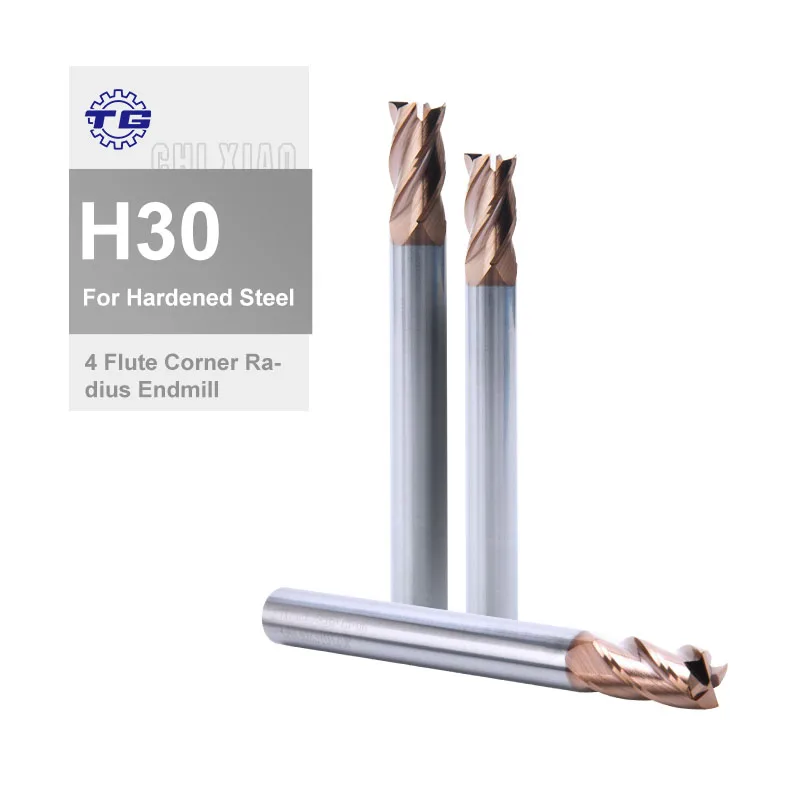
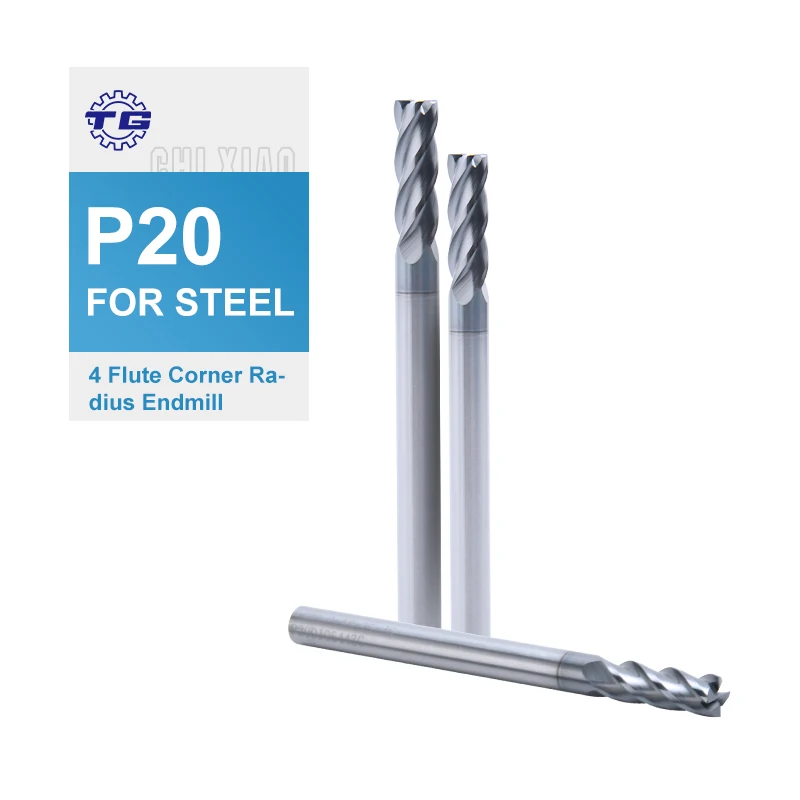
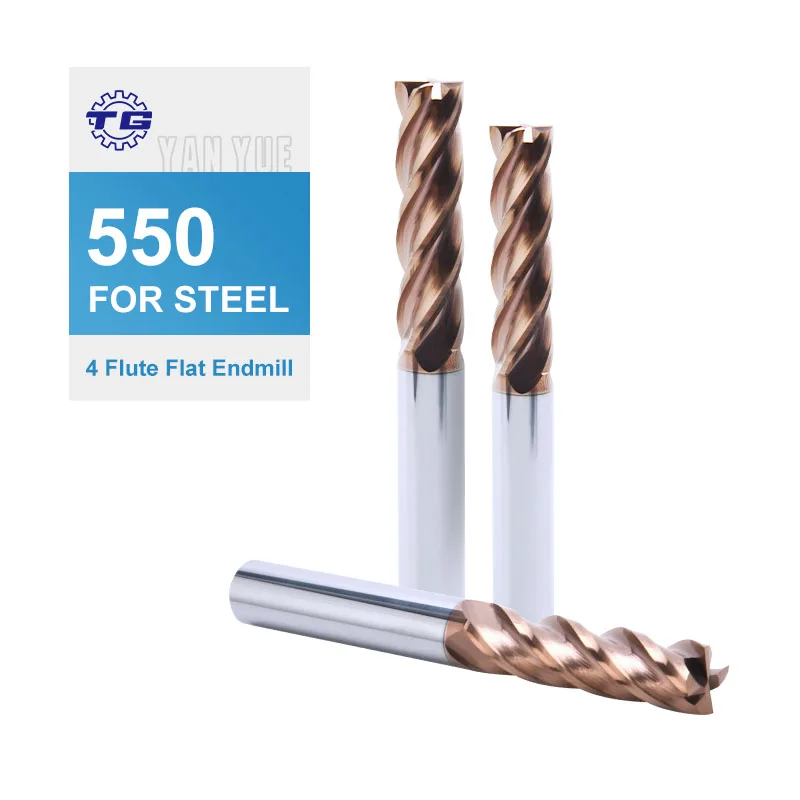
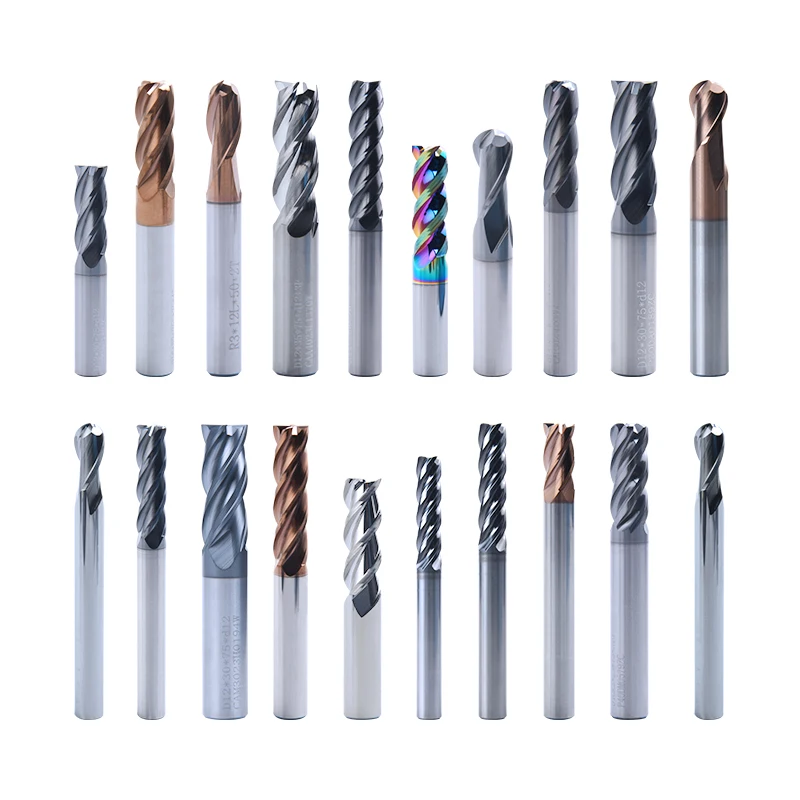
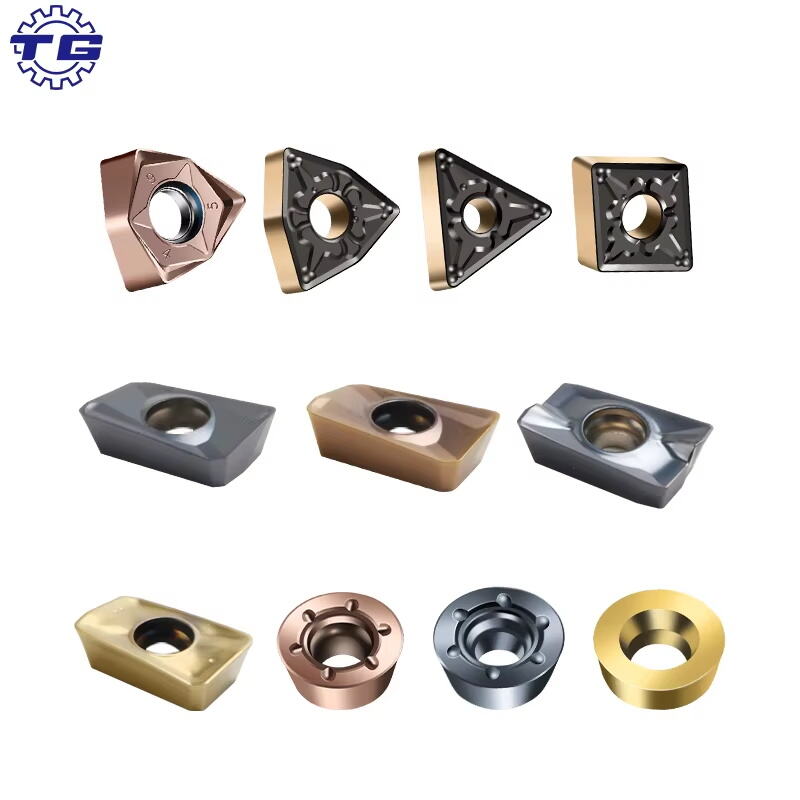
The carbide insert end mill represents a revolutionary advancement in modern machining technology, combining the exceptional hardness of carbide materials with the versatility of replaceable cutting inserts. This cutting tool features a robust steel body designed to hold precision-ground carbide inserts securely in place, allowing manufacturers to achieve superior cutting performance across diverse materials and applications. Unlike traditional solid carbide end mills, the carbide insert end mill offers economical benefits through its replaceable insert system, eliminating the need to purchase entirely new tools when cutting edges become worn. The main functions of this innovative tool include milling, profiling, slotting, and contouring operations on various workpiece materials ranging from soft aluminum alloys to hardened steel components. Technological features encompass advanced insert geometries that optimize chip evacuation, specialized coatings that enhance wear resistance and reduce friction, and precision-engineered insert pockets that ensure repeatable accuracy during insert indexing or replacement. The carbide insert end mill delivers exceptional dimensional stability during heavy cutting operations, maintaining tight tolerances even under demanding machining conditions. Applications span numerous industries including aerospace manufacturing, automotive production, mold and die fabrication, general metalworking, and precision component manufacturing. The modular design philosophy behind the carbide insert end mill enables operators to quickly adapt to different materials and cutting conditions by simply changing inserts rather than replacing entire tool assemblies. This capability significantly reduces tooling inventory requirements while maximizing machine uptime. Furthermore, the carbide insert end mill accommodates various insert shapes such as square, round, and octagonal configurations, each optimized for specific machining scenarios. The tool body itself features precision-ground mounting surfaces that guarantee consistent insert positioning, while robust clamping mechanisms ensure inserts remain securely fastened during high-speed operations and interrupted cuts. Modern carbide insert end mill designs incorporate coolant delivery systems that direct cutting fluid precisely to the cutting zone, enhancing chip removal and extending tool life substantially.


New Product Recommendations

Choosing a carbide insert end mill delivers substantial cost savings for manufacturing operations of all sizes. You eliminate the expense of purchasing complete replacement tools because worn cutting edges can be refreshed simply by rotating or replacing individual inserts. This economical approach reduces your tooling budget dramatically while maintaining consistent cutting performance throughout production runs. The insert replacement process takes mere seconds, minimizing machine downtime and keeping your production schedule on track. You gain immediate productivity improvements because operators spend less time changing tools and more time producing parts. The carbide insert end mill excels in versatility, handling multiple materials without requiring specialized tooling for each application. You can machine aluminum, steel, stainless steel, cast iron, and exotic alloys using the same tool body by selecting appropriate insert grades and geometries. This flexibility streamlines your tooling inventory and simplifies tool management across your facility. The predictable tool life characteristics of carbide inserts enable precise cost-per-part calculations, helping you quote jobs accurately and maintain profitability. You benefit from consistent surface finishes and dimensional accuracy because each new cutting edge performs identically to the previous one, eliminating variables that affect part quality. The robust construction of the carbide insert end mill withstands demanding cutting conditions that would quickly destroy solid carbide tools. You achieve higher metal removal rates because the tool body provides superior rigidity and vibration dampening compared to conventional end mills. The insert clamping system distributes cutting forces evenly, preventing insert breakage even during aggressive machining operations. You experience extended operational reliability because the tool body remains serviceable for years, requiring only periodic insert replacement to maintain peak performance. The carbide insert end mill reduces environmental impact by generating less waste compared to solid tools that must be discarded entirely when worn. You contribute to sustainable manufacturing practices while lowering disposal costs associated with worn cutting tools. Training new operators becomes easier because insert indexing procedures are straightforward and require minimal technical expertise. You reduce the learning curve for machinists transitioning to carbide insert end mill technology, accelerating their productivity and confidence. The standardized insert formats used in carbide insert end mills ensure compatibility across multiple tool manufacturers, giving you sourcing flexibility and preventing vendor lock-in situations that limit your purchasing options.

Tips And Tricks

When should you use carbide vs HSS end mill cutters?

10

Feb

When should you use carbide vs HSS end mill cutters?

Selecting the right cutting tool for machining operations is crucial for achieving optimal performance, surface finish, and tool longevity. The choice between carbide and high-speed steel (HSS) end mill cutters significantly impacts manufacturing eff...
View More
Why Endmills Are Crucial in CNC Milling Operations

28

Feb

Why Endmills Are Crucial in CNC Milling Operations

CNC milling operations form the backbone of modern manufacturing, transforming raw materials into precision components that power industries worldwide. At the heart of these sophisticated machining processes lie endmills, cutting tools that define th...
View More
What are the main uses of tungsten carbide?

28

Feb

What are the main uses of tungsten carbide?

Tungsten carbide represents one of the most versatile and durable materials in modern industrial applications, combining exceptional hardness with remarkable wear resistance. This compound material, formed by combining tungsten and carbon atoms in eq...
View More
When should you use high speed steel cutting tools?

31

Mar

When should you use high speed steel cutting tools?

High speed steel cutting tools have revolutionized modern machining operations since their introduction in the early 1900s. These specialized alloys offer exceptional hardness, wear resistance, and heat tolerance that make them indispensable in vario...
View More

Get a Free Quote

Our representative will contact you soon.
Email
Mobile
Name
Company Name
Message
0/1000

carbide insert end mill

Revolutionary Cost Efficiency Through Insert Replacement Technology

Revolutionary Cost Efficiency Through Insert Replacement Technology

The carbide insert end mill transforms the economics of machining operations by implementing a revolutionary replaceable insert system that dramatically reduces long-term tooling expenditures. Traditional solid carbide end mills require complete replacement when cutting edges wear out, creating substantial recurring costs that strain manufacturing budgets. The carbide insert end mill eliminates this financial burden by featuring a durable tool body that accepts precision-manufactured inserts, allowing you to replace only the worn cutting edges rather than discarding the entire assembly. Each insert typically provides multiple cutting edges through indexing, multiplying the effective tool life by four, six, or even eight times depending on insert geometry. When one edge dulls, operators simply loosen the clamping mechanism, rotate the insert to expose a fresh edge, and resume machining within seconds. This rapid changeover capability minimizes production interruptions and maximizes machine utilization rates across your facility. The economic advantages extend beyond initial purchase price considerations because the carbide insert end mill delivers predictable performance throughout its service life. You can accurately forecast tooling costs based on established insert life data, enabling precise job costing and competitive pricing strategies. The tool body itself withstands years of continuous service, amortizing its initial investment across thousands of machining operations. Furthermore, maintaining a smaller inventory of tool bodies while stocking various insert grades and geometries optimizes storage space and capital allocation. The carbide insert end mill supports lean manufacturing initiatives by reducing waste and promoting resource efficiency. Worn inserts occupy minimal disposal volume compared to complete solid carbide tools, lowering environmental impact and waste management expenses. The standardized insert formats facilitate bulk purchasing arrangements that yield volume discounts from suppliers, further enhancing cost savings. Manufacturers operating multiple machining centers benefit from tooling standardization because identical carbide insert end mill bodies can accommodate different insert specifications for varying applications, reducing complexity in tool management systems and simplifying operator training requirements across departments.
Unmatched Versatility Across Materials and Machining Operations

Unmatched Versatility Across Materials and Machining Operations

The carbide insert end mill delivers exceptional versatility that enables manufacturers to tackle diverse machining challenges using a single tool platform adaptable to multiple materials and cutting conditions. This remarkable flexibility stems from the wide selection of insert grades, geometries, and coating technologies available for carbide insert end mill systems. You can optimize cutting performance for specific workpiece materials by selecting inserts engineered with appropriate substrate compositions and surface treatments. Aluminum machining benefits from sharp cutting edges and polished rake faces that prevent material adhesion, while hardened steel applications require tough substrates with wear-resistant coatings that withstand extreme cutting temperatures. The carbide insert end mill accommodates these varying requirements without necessitating different tool bodies, streamlining your tooling approach and reducing capital investment. Insert geometry selection further enhances versatility by matching cutting edge configurations to specific operations. Positive rake angles reduce cutting forces for finishing applications requiring superior surface quality, while negative rake geometries provide robust cutting edges for heavy roughing operations removing large material volumes. Round insert designs excel in ramping and helical interpolation movements, whereas square inserts optimize slot milling and profiling tasks. The carbide insert end mill supports these varied geometries interchangeably, transforming a single tool into a multipurpose machining solution. Coating technologies expand application ranges by enhancing insert performance characteristics. Titanium aluminum nitride coatings provide oxidation resistance for high-speed machining, while diamond-like carbon coatings reduce friction in aluminum applications. The carbide insert end mill accepts coated and uncoated inserts equally, allowing you to balance performance requirements against cost considerations for each specific job. This adaptability proves invaluable in job shop environments where workpiece materials and machining requirements change frequently. The carbide insert end mill eliminates time-consuming tool changes between different operations, maintaining productivity while delivering consistent quality across varied applications. Manufacturers benefit from simplified setup procedures because standardized carbide insert end mill bodies interface uniformly with machine tool holders, reducing changeover complexity and potential setup errors that compromise part accuracy or damage equipment.
Superior Performance and Reliability in Demanding Manufacturing Environments

Superior Performance and Reliability in Demanding Manufacturing Environments

The carbide insert end mill achieves outstanding performance levels in challenging production environments where conventional cutting tools fail to deliver acceptable results. This superior capability originates from sophisticated engineering that optimizes every aspect of tool design for maximum cutting efficiency and operational reliability. The tool body construction employs high-strength steel alloys precision-machined to exacting tolerances, providing exceptional rigidity that minimizes deflection during heavy cutting operations. This structural integrity proves critical when machining hardened materials or taking deep cuts that generate substantial cutting forces. The carbide insert end mill maintains dimensional accuracy throughout extended production runs because the rigid body resists vibration and chatter that degrade surface finish quality and accelerate tool wear. Insert pocket geometry receives meticulous attention during manufacturing to ensure perfect seating and secure clamping of cutting inserts. Precision-ground mounting surfaces guarantee consistent insert positioning, maintaining tight tolerances on finished parts across multiple insert changes. The clamping mechanism distributes securing forces evenly across insert contact areas, preventing stress concentrations that could cause insert fracture during interrupted cuts or sudden load variations. The carbide insert end mill incorporates advanced chip evacuation features that prevent chip packing in flute spaces, a common problem that causes tool breakage and surface finish defects. Optimized flute designs guide chips away from the cutting zone efficiently, while coolant delivery passages direct high-pressure fluid streams precisely where needed to flush chips and reduce cutting temperatures. These thermal management capabilities extend insert life significantly by preventing heat-related wear mechanisms that rapidly degrade cutting edge integrity. The carbide insert end mill demonstrates exceptional repeatability, producing identical results across multiple setups and tool changes. This consistency proves invaluable for high-volume production requiring tight statistical process control, where dimensional variations must remain within narrow specification limits. Operators trust the carbide insert end mill to deliver predictable performance shift after shift, reducing scrap rates and inspection requirements. The robust design withstands accidental impacts and mishandling that would destroy more delicate cutting tools, providing reliability in real-world manufacturing environments where perfect conditions rarely exist.
carbide insert end mill-0
carbide insert end mill-1

Get a Free Quote

Our representative will contact you soon.
Email
Mobile
Name
Company Name
Message
0/1000