Contact me immediately if you encounter problems!

All Categories

tungsten carbide composite rod

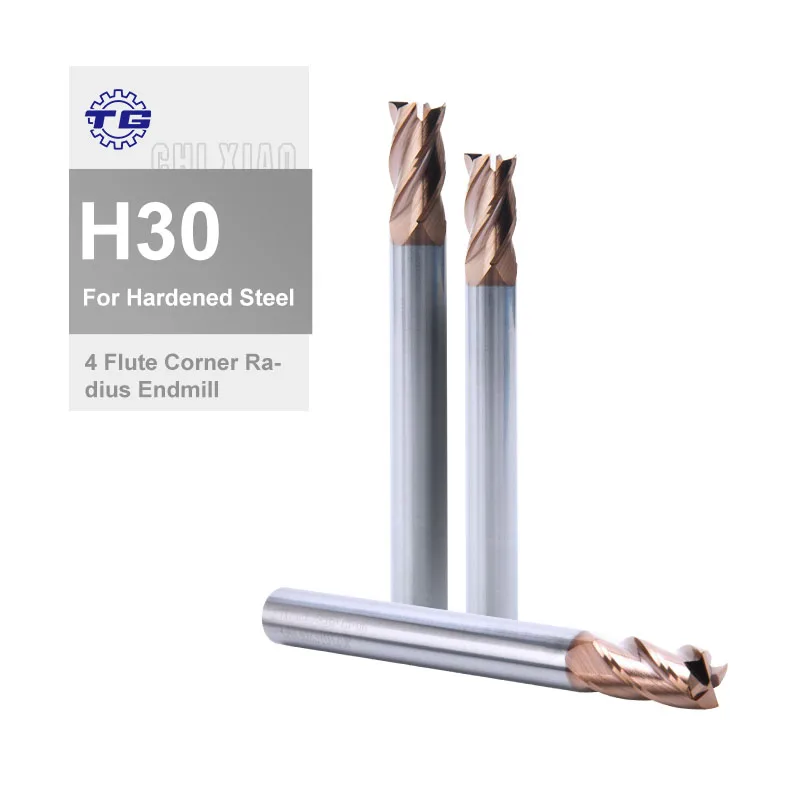
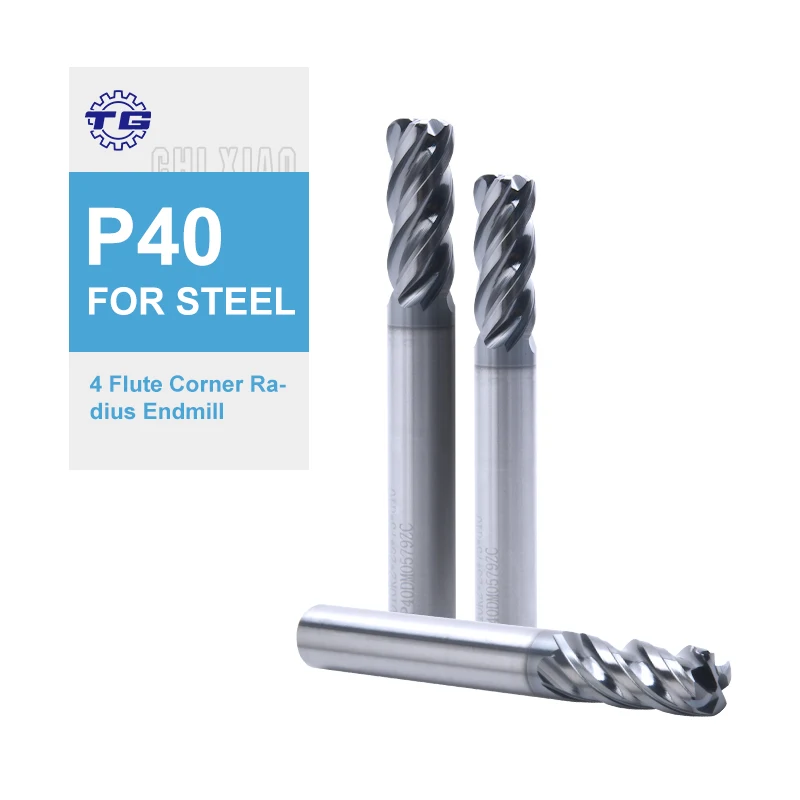
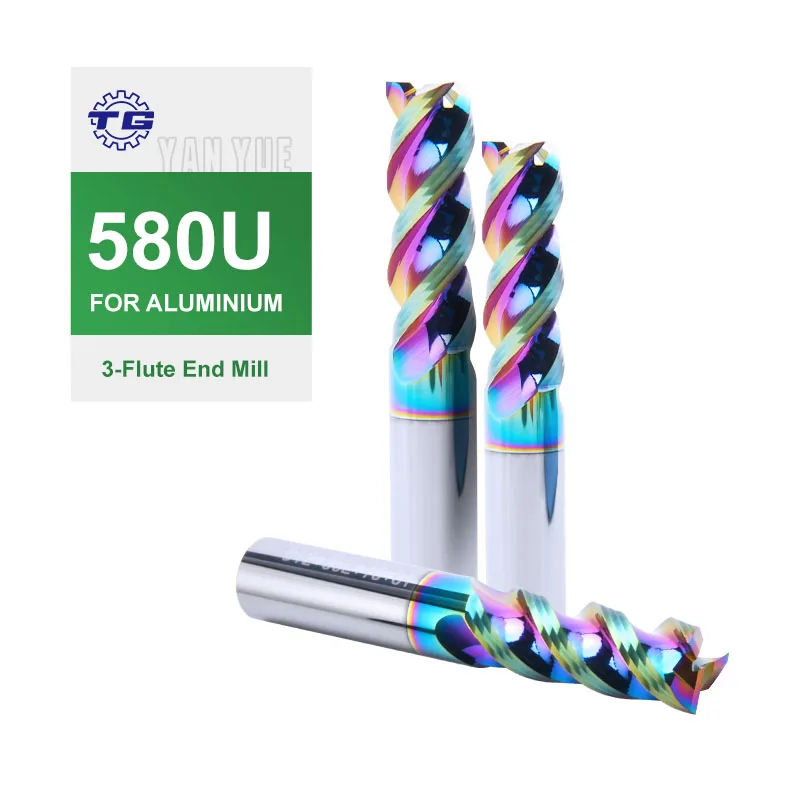
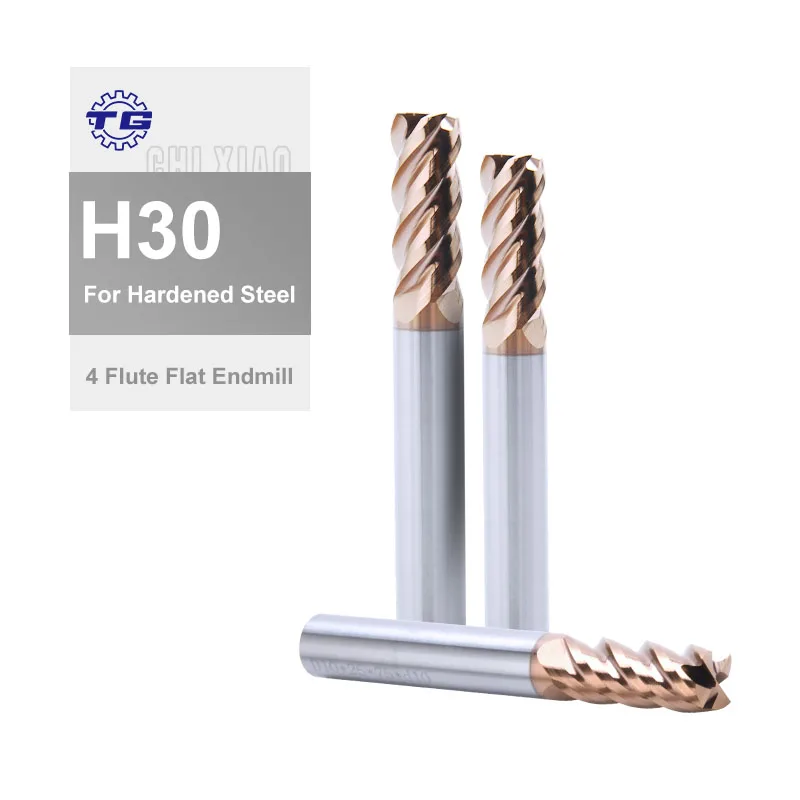
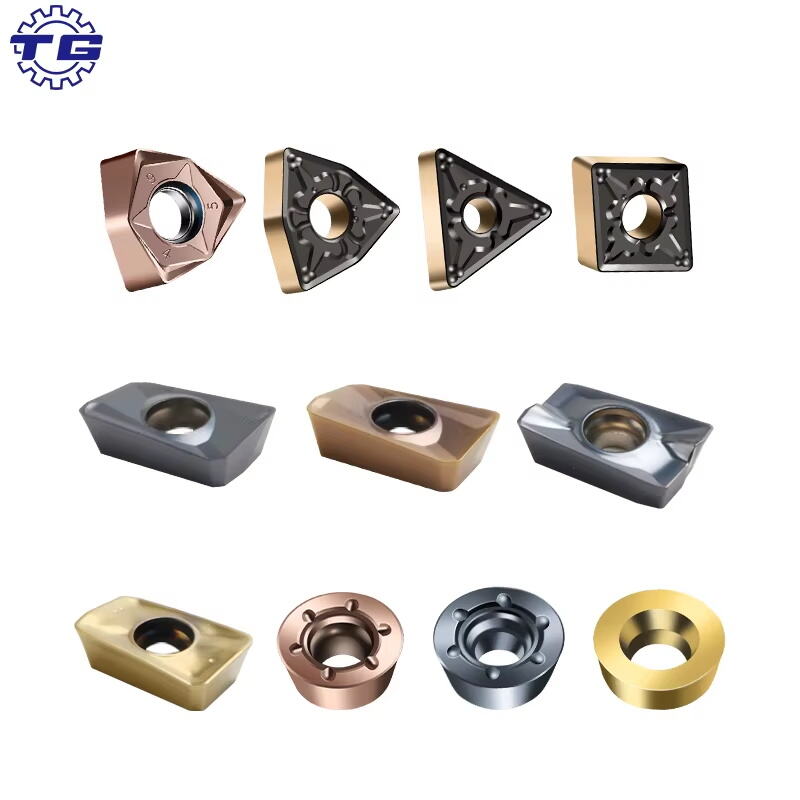
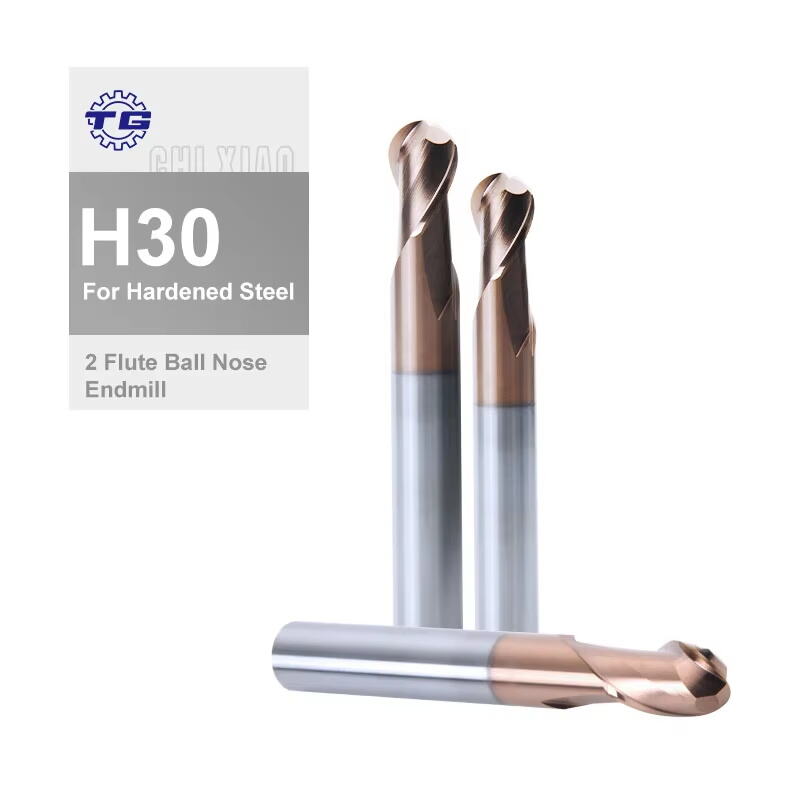
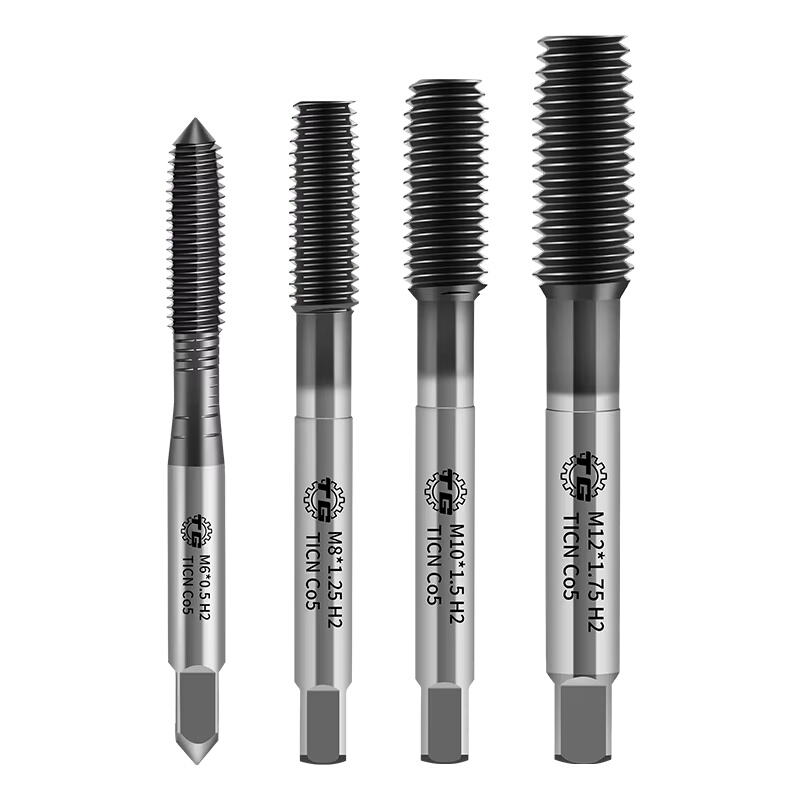
The tungsten carbide composite rod represents a breakthrough in material engineering, combining exceptional hardness with remarkable durability to meet demanding industrial applications. This advanced composite material consists of tungsten carbide particles evenly distributed within a metallic binder matrix, typically cobalt or nickel, creating a structure that delivers superior performance in extreme conditions. The manufacturing process involves precise powder metallurgy techniques, where ultra-fine tungsten carbide powders are blended with binding agents and then sintered at high temperatures to form a dense, uniform rod structure. The tungsten carbide composite rod serves multiple essential functions across various industries, primarily as a cutting tool material, wear-resistant component, and precision machining element. Its exceptional hardness rating, typically ranging from 87 to 93 HRA on the Rockwell scale, makes it ideal for operations requiring extended tool life and consistent performance. The composite rod maintains structural integrity even at elevated temperatures, with heat resistance capabilities extending up to 800 degrees Celsius in many formulations. Technological features include a carefully controlled grain size distribution that optimizes both toughness and wear resistance, ensuring the material can withstand impact forces while maintaining sharp cutting edges. The composite structure allows for customization of properties by adjusting the ratio of tungsten carbide to binder material, enabling manufacturers to tailor the rod specifications to specific application requirements. Applications span numerous sectors including metalworking, mining, construction, oil and gas exploration, and woodworking industries. In metalworking operations, the tungsten carbide composite rod serves as the foundation for end mills, drills, and turning tools that machine hardened steels and exotic alloys. Mining operations utilize these rods in drill bits and cutting picks that penetrate rock formations efficiently. The construction industry benefits from tungsten carbide composite rod integration in demolition tools and concrete drilling equipment, while oil and gas companies depend on these materials for downhole drilling components that must endure abrasive formations and high pressures.

Popular Products

Choosing a tungsten carbide composite rod delivers substantial practical benefits that directly impact your operational efficiency and bottom line. First and foremost, the incredible wear resistance translates to significantly extended tool life compared to conventional steel alternatives, meaning you replace tools less frequently and reduce downtime for tool changes. This durability benefit alone can cut your tooling costs by up to seventy percent over the operational lifespan, providing immediate return on investment. The superior hardness allows your tools to maintain sharp cutting edges much longer, ensuring consistent quality in your finished products and reducing the need for frequent adjustments or quality control interventions. Your operators will appreciate how the tungsten carbide composite rod performs reliably under demanding conditions, maintaining dimensional accuracy even after thousands of cutting cycles. The heat resistance property means your tools can operate at higher speeds without degradation, allowing you to increase production rates without sacrificing quality or tool integrity. This speed capability translates directly into higher throughput and improved manufacturing efficiency for your operations. The composite rod structure provides better shock absorption than pure carbide materials, reducing the risk of catastrophic tool failure and protecting both your equipment and operators from unexpected breakage. You gain predictable tool performance that enables better production planning and inventory management, as replacement schedules become more consistent and foreseeable. The versatility of the tungsten carbide composite rod means you can use the same material platform across multiple applications, simplifying your procurement process and reducing inventory complexity. Your maintenance teams benefit from standardized tooling options that streamline spare parts management and reduce training requirements. The material performs exceptionally well in both dry and wet machining environments, giving you flexibility in choosing optimal cutting conditions for different operations. Energy efficiency improves because the sharp, durable cutting edges require less force to remove material, reducing power consumption and extending the life of your machine tools. The environmental benefits include reduced waste generation from fewer discarded tools and lower resource consumption through extended operational life. Your quality control processes become simpler as the tungsten carbide composite rod delivers consistent performance characteristics throughout its service life, minimizing variations in finished product dimensions. The cost predictability helps with budget planning, as the higher initial investment in tungsten carbide composite rod tooling is offset by dramatically lower replacement frequency and reduced operational disruptions.

Latest News

How to extend the lifespan of high-speed steel cutting tools?

20

Jan

How to extend the lifespan of high-speed steel cutting tools?

Modern manufacturing industries demand exceptional accuracy and efficiency in their machining operations, making steel precision cutting tools an indispensable component of successful production processes. These specialized instruments represent the ...
View More
How to Choose the Right Milling Cutter for Your Project?

10

Feb

How to Choose the Right Milling Cutter for Your Project?

Selecting the appropriate milling cutter for your machining project is a critical decision that directly impacts production efficiency, surface finish quality, and overall manufacturing costs. Whether you're working with aluminum, steel, or exotic al...
View More
When should you use high speed steel cutting tools?

31

Mar

When should you use high speed steel cutting tools?

High speed steel cutting tools have revolutionized modern machining operations since their introduction in the early 1900s. These specialized alloys offer exceptional hardness, wear resistance, and heat tolerance that make them indispensable in vario...
View More
Why Advanced Holemaking Methods Improve Product Quality

31

Mar

Why Advanced Holemaking Methods Improve Product Quality

Manufacturing precision directly correlates with product quality, and nowhere is this relationship more evident than in holemaking operations. Advanced holemaking methods represent a significant evolution from traditional drilling techniques, offerin...
View More

Get a Free Quote

Our representative will contact you soon.
Email
Mobile
Name
Company Name
Message
0/1000

tungsten carbide composite rod

Exceptional Durability and Extended Service Life

Exceptional Durability and Extended Service Life

The tungsten carbide composite rod stands out in the marketplace primarily due to its extraordinary durability characteristics that fundamentally transform operational economics for industrial users. This exceptional durability stems from the unique microstructure where tungsten carbide particles, among the hardest materials known to science, are suspended within a tough metallic binder that provides impact resistance and prevents brittle fracture. The combination creates a synergistic effect where the composite material exhibits properties superior to either constituent material alone. In practical terms, this means your tungsten carbide composite rod tools can operate continuously for extended periods without significant degradation, often lasting ten to twenty times longer than comparable high-speed steel tools in similar applications. The extended service life directly reduces your operational costs by minimizing the frequency of tool replacements, which not only saves on material expenses but also dramatically cuts downtime associated with tool changes. Production managers particularly value this benefit because it enables longer uninterrupted production runs, improving overall equipment effectiveness and allowing better utilization of capital equipment. The durability advantage becomes even more pronounced in abrasive applications where conventional materials fail rapidly. When machining materials like hardened steels, cast iron, or abrasive composites, the tungsten carbide composite rod maintains its cutting geometry and dimensional accuracy far longer than alternatives, ensuring consistent part quality throughout extended production runs. This consistency eliminates the quality variations that often occur as conventional tools wear, reducing scrap rates and improving first-pass yield. Maintenance planning becomes more predictable with tungsten carbide composite rod tooling because the wear patterns are gradual and consistent rather than sudden and catastrophic. Your maintenance teams can implement condition-based monitoring strategies that optimize tool replacement timing, extracting maximum value from each tool while avoiding unexpected failures that disrupt production schedules. The durability extends beyond just wear resistance to include excellent corrosion resistance in many formulations, allowing the tungsten carbide composite rod to perform reliably in challenging environments including those with cutting fluids, chemical exposure, or moisture. This multi-faceted durability makes the tungsten carbide composite rod an investment that pays dividends through reduced total cost of ownership and improved operational reliability.
Superior Performance at High Operating Speeds

Superior Performance at High Operating Speeds

Modern manufacturing demands continuously push toward higher productivity, and the tungsten carbide composite rod delivers the performance characteristics necessary to meet these aggressive production goals through its exceptional behavior at elevated operating speeds. The material's inherent thermal stability allows cutting tools made from tungsten carbide composite rod to maintain their mechanical properties even when interface temperatures exceed six hundred degrees Celsius, a condition that would cause rapid degradation in conventional tool materials. This thermal stability is crucial because cutting operations generate substantial heat at the tool-workpiece interface, and materials that soften or oxidize at high temperatures quickly lose their effectiveness. With a tungsten carbide composite rod tool, you can increase spindle speeds and feed rates substantially compared to traditional tooling, directly boosting your production output without requiring additional machine tools or floor space. The increased speed capability translates into shorter cycle times for each part, allowing you to produce more units per shift and improve your return on manufacturing assets. The thermal conductivity of the tungsten carbide composite rod helps dissipate heat away from the cutting edge, preventing localized hot spots that can trigger premature tool failure or workpiece damage. This heat management capability is particularly valuable in operations where cutting fluid application is limited or impossible, enabling effective dry machining that eliminates coolant costs and environmental disposal concerns. Quality benefits accompany the speed advantages because the tungsten carbide composite rod maintains dimensional stability even under thermal cycling, ensuring that parts produced at the beginning of a production run match those produced hours later. This dimensional consistency reduces variation in your manufacturing process, tightening tolerances and improving the capability indices that matter to quality-conscious customers. The high-speed performance of tungsten carbide composite rod tools also enables you to adopt advanced machining strategies like high-speed machining and high-efficiency milling that were previously impractical with conventional tooling materials. These advanced techniques can reduce machining times by fifty percent or more in suitable applications, representing a competitive advantage in industries where time-to-market and production flexibility are critical success factors. Operators benefit from the reduced vibration and chatter that often accompany tungsten carbide composite rod tooling at high speeds, as the material's stiffness and damping properties contribute to stable cutting conditions that produce better surface finishes and extend tool life even further.
Versatile Customization for Specific Application Requirements

Versatile Customization for Specific Application Requirements

The tungsten carbide composite rod offers remarkable flexibility in property customization, allowing manufacturers to optimize material characteristics for specific application demands rather than accepting compromise solutions with standard materials. This customization capability stems from the composite nature of the material, where adjusting the carbide grain size, binder composition, and volumetric ratio of constituents produces predictable changes in performance characteristics. Fine-grain tungsten carbide composite rod formulations deliver maximum hardness and wear resistance for finishing operations and precision applications where surface quality is paramount, while coarser grain structures provide enhanced toughness for interrupted cuts and impact-prone applications like milling or drilling in difficult materials. The binder material selection offers another dimension of customization, with cobalt binders providing excellent general-purpose performance, while nickel or iron-based binders offer improved corrosion resistance for applications involving reactive materials or aggressive environments. This customization extends to the physical dimensions and geometries available, as tungsten carbide composite rod can be manufactured in various diameters, lengths, and even complex cross-sectional shapes to suit specific tooling requirements. Manufacturers can specify surface treatments and coatings that further enhance the tungsten carbide composite rod performance for targeted applications, including titanium nitride, titanium carbonitride, or aluminum oxide coatings that reduce friction, increase hardness, or improve chemical resistance. The ability to tailor properties means you avoid the common situation of over-engineering solutions with materials that exceed requirements in some properties while falling short in others, optimizing your cost-performance ratio. Application engineers working with tungsten carbide composite rod suppliers can specify exact property profiles that match their operational conditions, whether that involves prioritizing toughness for heavy interrupted cuts, maximizing wear resistance for continuous abrasive operations, or balancing multiple properties for versatile general machining. This customization capability provides a significant competitive advantage because you can optimize tooling performance for your specific production requirements rather than adapting your processes to accommodate tooling limitations. The versatility extends across industries, with tungsten carbide composite rod formulations developed specifically for metalcutting differing from those optimized for mining, woodworking, or forming applications, each tuned to deliver maximum performance in its intended environment. Economic benefits follow from this customization capability because you pay only for the properties you need rather than accepting overqualified materials with costs that exceed your requirements, while still achieving optimal performance in your actual operating conditions.

tungsten carbide composite rod-0
tungsten carbide composite rod-1

Get a Free Quote

Our representative will contact you soon.
Email
Mobile
Name
Company Name
Message
0/1000