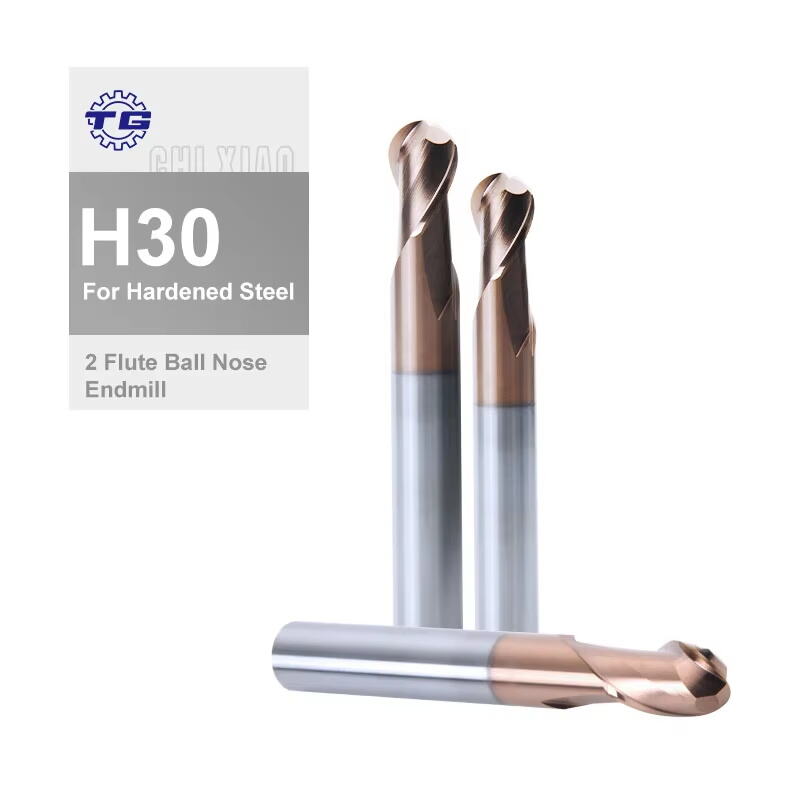
indexable milling inserts
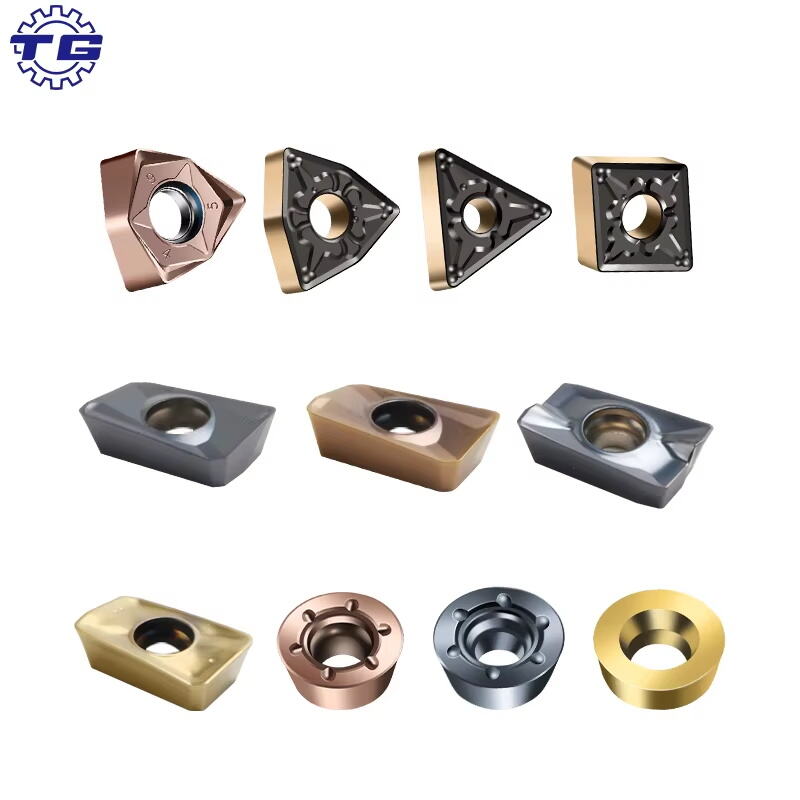
Indexable milling inserts represent a revolutionary advancement in modern machining technology, offering manufacturers and machinists a cost-effective and efficient solution for various milling operations. These precision-engineered cutting tools feature replaceable carbide or ceramic tips that can be rotated or flipped to present fresh cutting edges, eliminating the need to replace the entire tool body when wear occurs. The fundamental design consists of geometrically shaped inserts that securely mount into specially designed tool holders through mechanical clamping systems, ensuring stability during high-speed operations. The main functions of indexable milling inserts include face milling, shoulder milling, slot cutting, profiling, and general-purpose material removal across diverse workpiece materials. These inserts excel in machining steel, stainless steel, cast iron, aluminum, titanium, and exotic alloys used in aerospace, automotive, and manufacturing industries. Technological features include advanced substrate materials like tungsten carbide with various coating options such as TiN, TiCN, TiAlN, and diamond coatings that enhance wear resistance, reduce friction, and extend tool life significantly. The geometric design incorporates precise cutting edge angles, chip breaker patterns, and clearance angles optimized for specific applications and materials. Modern indexable milling inserts utilize sophisticated manufacturing processes including powder metallurgy, sintering, grinding, and coating deposition technologies that ensure consistent quality and performance. Applications span across production environments from high-volume manufacturing lines to job shops performing custom machining work. These inserts enable operations ranging from roughing cuts that remove large amounts of material quickly to finishing passes that achieve tight tolerances and superior surface finishes. The versatility of indexable milling inserts makes them indispensable in creating complex components for industries including medical device manufacturing, energy sector equipment, mold and die production, and general engineering applications where precision and productivity are paramount requirements for competitive manufacturing operations.

 EN
EN