indexable milling
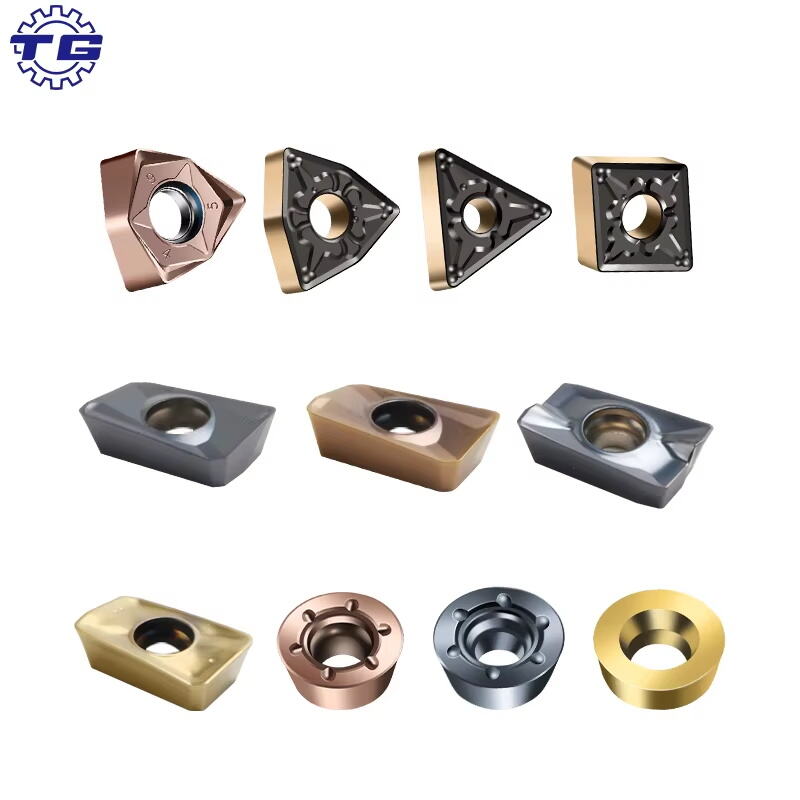
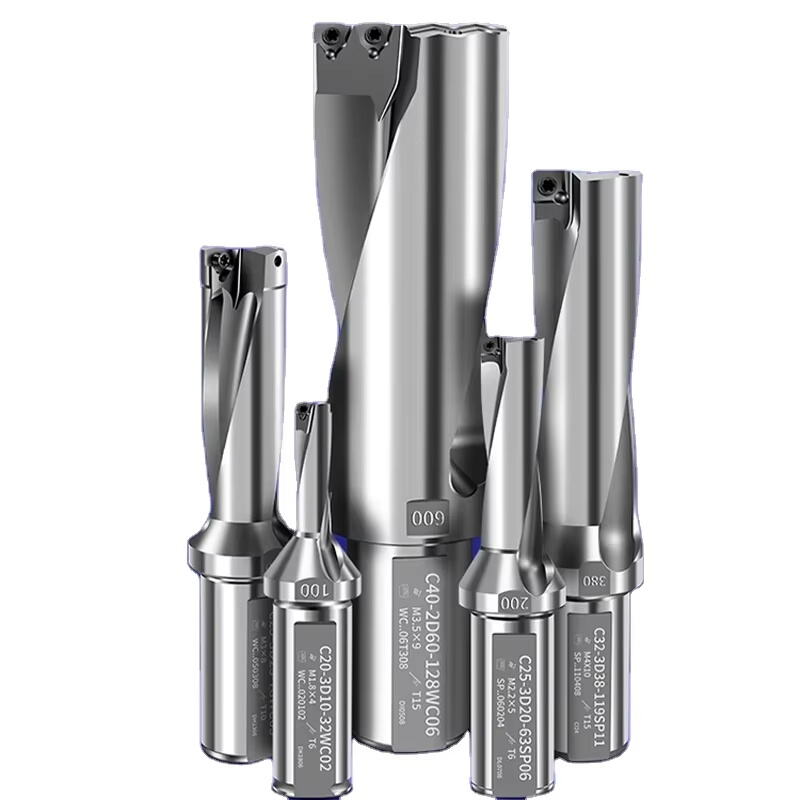
Indexable milling represents a revolutionary approach to material removal in modern manufacturing operations. This cutting technology utilizes replaceable carbide inserts that mount securely onto a reusable tool body, creating an efficient and economical machining solution. The indexable milling system functions by allowing operators to rotate or flip cutting inserts to fresh edges when one becomes worn, eliminating the need for complete tool replacement. This design philosophy transforms traditional milling practices by separating the cutting edge from the tool holder, resulting in significant cost savings and reduced machine downtime. The technological foundation of indexable milling rests on precision-engineered insert seats that guarantee accurate positioning and secure clamping of each insert. Modern indexable milling tools incorporate advanced geometries, specialized coatings, and optimized chip breakers that enhance cutting performance across various materials. These tools excel in operations ranging from face milling and shoulder milling to slotting and profiling applications. Manufacturing facilities employ indexable milling for producing flat surfaces, steps, grooves, and complex contours in components spanning automotive, aerospace, energy, and general engineering sectors. The versatility of indexable milling extends to processing materials including steel, stainless steel, cast iron, aluminum, titanium, and exotic alloys. Insert grades and geometries can be selected specifically for each material type and cutting condition, ensuring optimal performance. The indexable milling approach delivers consistent dimensional accuracy and surface finish quality throughout extended production runs. Tool bodies constructed from high-strength steel provide rigidity and stability during aggressive cutting operations. Quick-change insert systems enable rapid tooling adjustments on the production floor, supporting lean manufacturing initiatives and minimizing non-productive time. This technology has become indispensable for competitive manufacturing operations seeking to maximize productivity while controlling operational costs.

 EN
EN