Contact me immediately if you encounter problems!

All Categories

cemented carbide inserts

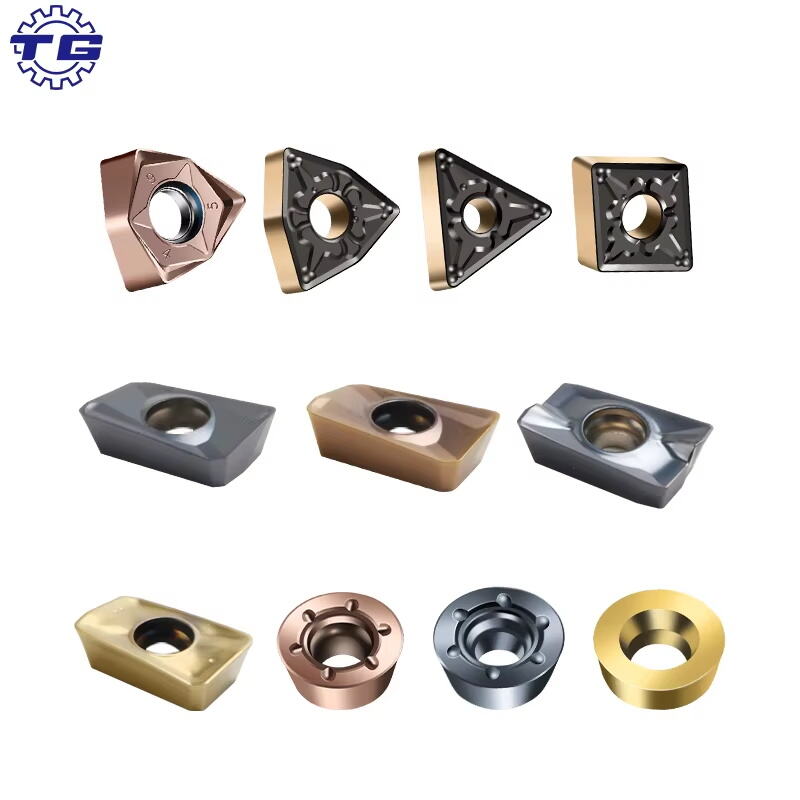
Cemented carbide inserts represent a revolutionary advancement in metal cutting technology, offering manufacturers unparalleled precision and efficiency in machining operations. These sophisticated cutting tools consist of tungsten carbide particles bonded together with metallic cobalt through a sintering process, creating an exceptionally hard and wear-resistant material. The main functions of cemented carbide inserts include removing material from workpieces during turning, milling, drilling, and threading operations across various manufacturing sectors. Their technological features encompass superior hardness ratings that exceed traditional high-speed steel tools, excellent thermal stability that maintains cutting edge integrity at elevated temperatures, and remarkable resistance to abrasive wear. Modern cemented carbide inserts incorporate advanced coating technologies such as titanium nitride, titanium carbonitride, and aluminum oxide layers that further enhance performance characteristics. These coatings reduce friction, prevent built-up edge formation, and extend tool life significantly. The geometric designs of cemented carbide inserts vary widely to accommodate different machining requirements, featuring positive and negative rake angles, chip breaker patterns, and specialized edge preparations. Applications span automotive component manufacturing, aerospace part production, energy sector machining, medical device fabrication, and general engineering workshops. Cemented carbide inserts excel in processing difficult materials including hardened steels, stainless alloys, cast iron, non-ferrous metals, and high-temperature alloys that challenge conventional tooling. The indexable nature of these inserts provides economic advantages, allowing operators to rotate cutting edges multiple times before replacement becomes necessary. Manufacturing facilities benefit from reduced downtime, consistent part quality, improved surface finishes, and enhanced productivity rates when implementing cemented carbide insert technology in their machining operations.


New Products

The practical benefits of cemented carbide inserts transform everyday machining challenges into streamlined production processes. First, these cutting tools deliver exceptional durability that directly translates to fewer tool changes during production runs. Your operators spend more time producing parts and less time interrupting workflows to replace worn cutting edges. This continuity maintains consistent quality standards while reducing labor costs associated with frequent tool maintenance. Second, the superior heat resistance allows higher cutting speeds without degrading tool performance. You can accelerate production schedules, meet tighter deadlines, and increase throughput without sacrificing precision or surface finish quality. Third, the versatility of cemented carbide inserts means fewer inventory items to manage. A single insert geometry with multiple grades can handle various materials and cutting conditions, simplifying your tooling procurement and storage requirements. Fourth, the predictable wear patterns enable reliable tool life calculations. You can schedule preventive maintenance accurately, avoid unexpected failures during critical production runs, and optimize replacement intervals for maximum economic efficiency. Fifth, improved chip control features built into modern cemented carbide inserts protect both the workpiece and machine tool from damage. Efficient chip evacuation prevents scratching, reduces heat buildup, and maintains dimensional accuracy throughout extended cutting operations. Sixth, the environmental advantages matter increasingly to responsible manufacturers. Longer tool life means less waste disposal, reduced raw material consumption, and lower overall environmental impact compared to conventional tooling options. Seventh, consistent performance across production batches ensures quality control compliance. Your parts maintain tight tolerances from the first piece to the last, reducing scrap rates and rework expenses. Eighth, compatibility with modern CNC machining centers maximizes automation potential. Reliable tool performance enables lights-out manufacturing, unmanned shifts, and optimized machine utilization rates. Ninth, total cost analysis reveals significant savings despite higher initial purchase prices. When calculating cost per part rather than cost per tool, cemented carbide inserts demonstrate superior economic value through extended service life and enhanced productivity. Finally, technical support from reputable suppliers helps optimize cutting parameters, troubleshoot performance issues, and continuously improve your machining processes for competitive advantage.

Tips And Tricks

Which Shapes of Carbide Inserts Are Best for Steel?

28

Feb

Which Shapes of Carbide Inserts Are Best for Steel?

When machining steel components, selecting the appropriate carbide inserts for steel becomes critical for achieving optimal performance, tool life, and surface finish quality. The geometry and shape of these cutting tools directly influence chip form...
View More
How CNC Tools Improve Accuracy in Precision Manufacturing

28

Feb

How CNC Tools Improve Accuracy in Precision Manufacturing

Precision manufacturing has revolutionized modern industry by delivering components with unprecedented accuracy and consistency. At the heart of this technological advancement lies the sophisticated world of CNC tools, which have transformed how manu...
View More
Why Endmills Are Crucial in CNC Milling Operations

28

Feb

Why Endmills Are Crucial in CNC Milling Operations

CNC milling operations form the backbone of modern manufacturing, transforming raw materials into precision components that power industries worldwide. At the heart of these sophisticated machining processes lie endmills, cutting tools that define th...
View More
What Safety Measures Are Essential in Holemaking Operations?

31

Mar

What Safety Measures Are Essential in Holemaking Operations?

Holemaking operations represent one of the most fundamental yet potentially hazardous processes in manufacturing environments. These operations involve creating precise holes in various materials using drilling, reaming, boring, and related machining...
View More

Get a Free Quote

Our representative will contact you soon.
Email
Mobile
Name
Company Name
Message
0/1000

cemented carbide inserts

Extended Tool Life Reduces Production Costs

Extended Tool Life Reduces Production Costs

One of the most compelling advantages of cemented carbide inserts involves their extraordinary longevity under demanding machining conditions. The fundamental composition combining tungsten carbide particles with cobalt binder creates a material structure that resists wear mechanisms far more effectively than alternative cutting tool materials. This extended service life directly impacts your bottom line through multiple economic pathways. When cemented carbide inserts remain sharp and functional throughout extended production runs, your facility eliminates frequent interruptions for tool replacement. Each tool change requires machine stoppage, operator intervention, edge inspection, and careful reinstallation to maintain precision tolerances. These cumulative interruptions consume productive hours that could otherwise generate revenue through part production. Additionally, the consistency of cemented carbide inserts throughout their service life maintains dimensional accuracy from initial cuts to final operations before replacement. Your quality control processes benefit from predictable performance that keeps measurements within specification ranges, reducing scrap rates and costly rework requirements. The hardness characteristics inherent to cemented carbide inserts enable cutting operations on difficult materials that quickly destroy conventional tooling. Hardened steels, abrasive cast irons, and challenging aerospace alloys become manageable materials rather than problematic obstacles. Manufacturing facilities processing these demanding materials discover that cemented carbide inserts provide the only economically viable solution for maintaining production schedules. Furthermore, the thermal stability of these cutting tools allows sustained performance at elevated temperatures generated during high-speed machining. While competing materials soften and deform under thermal stress, cemented carbide inserts maintain edge sharpness and geometric integrity. This thermal resilience enables aggressive cutting parameters that accelerate production cycles without compromising tool reliability. The investment in premium cemented carbide inserts pays dividends through reduced per-part costs, improved resource utilization, and enhanced competitive positioning in price-sensitive markets.
Superior Surface Finish Quality Enhances Product Value

Superior Surface Finish Quality Enhances Product Value

The surface finish quality achieved with cemented carbide inserts represents a critical advantage for manufacturers pursuing premium market positioning. The exceptionally sharp cutting edges possible with properly manufactured cemented carbide inserts create smooth surface textures that often eliminate secondary finishing operations. This capability reduces production steps, shortens lead times, and lowers manufacturing costs while improving product aesthetics and functional performance. The relationship between surface finish and component functionality extends beyond mere appearance. Critical applications in aerospace, medical devices, and precision instruments require specific surface roughness parameters to ensure proper operation, longevity, and safety compliance. Cemented carbide inserts reliably achieve these demanding surface specifications through controlled material removal that minimizes subsurface damage, residual stress, and microstructural alterations. The geometric precision built into modern cemented carbide inserts includes carefully engineered edge preparations, precise honing techniques, and sophisticated chip breaker designs. These features work synergistically to control cutting forces, minimize vibration, and produce consistent surface characteristics across entire production batches. Manufacturers struggling with surface finish variations, chatter marks, or excessive tool marks discover dramatic improvements when transitioning to properly selected cemented carbide inserts. The advanced coating technologies applied to premium cemented carbide inserts further enhance surface finish capabilities. These thin-film coatings reduce friction between the tool and workpiece material, preventing adhesion that causes built-up edge formation and resulting surface irregularities. Lower friction also reduces heat generation, protecting both the cutting tool and workpiece from thermal damage that degrades surface quality. For manufacturers serving industries with stringent quality requirements, the surface finish consistency provided by cemented carbide inserts becomes a competitive differentiator. Your ability to deliver parts meeting tight surface specifications without secondary operations provides pricing advantages, faster delivery schedules, and enhanced customer satisfaction that builds long-term business relationships and repeat orders.
Versatile Material Compatibility Simplifies Manufacturing Operations

Versatile Material Compatibility Simplifies Manufacturing Operations

The remarkable versatility of cemented carbide inserts across diverse material types and machining applications delivers strategic advantages for modern manufacturing facilities. Unlike specialized cutting tools designed for narrow material ranges, properly selected cemented carbide inserts handle ferrous and non-ferrous materials, soft and hardened conditions, and continuous and interrupted cutting scenarios. This broad capability simplifies tooling inventory management, reduces procurement complexity, and accelerates setup procedures when transitioning between different production jobs. Manufacturing operations processing varied materials throughout production schedules benefit enormously from cemented carbide insert adaptability. A single insert geometry with appropriate grade selection machines aluminum components during morning shifts, transitions to stainless steel parts after lunch, and handles cast iron workpieces during evening production without requiring completely different tooling systems. This flexibility reduces capital investment in specialized tools while maintaining optimal performance across material families. The grade selection available within cemented carbide insert families provides tailored solutions for specific challenges. Fine-grain carbides excel in finishing operations requiring sharp edges and superior surface quality. Medium-grain compositions balance wear resistance with toughness for general-purpose applications. Coarse-grain structures withstand shock loading and interrupted cuts in roughing operations. Manufacturers working with knowledgeable suppliers identify optimal grade selections that maximize performance for their specific material combinations and cutting conditions. The coating variety available on cemented carbide inserts extends versatility further by addressing material-specific challenges. Aluminum oxide coatings provide chemical stability and crater wear resistance for steel machining at elevated temperatures. Titanium-based coatings reduce friction and prevent edge buildup when processing sticky materials like stainless steels and titanium alloys. Diamond coatings enable extended tool life when machining highly abrasive materials including composites, graphite, and aluminum-silicon alloys. Advanced manufacturers recognize that cemented carbide insert versatility translates to operational agility in responding to changing customer demands, material availability fluctuations, and design modifications requiring different material selections. Your facility maintains production continuity and competitive responsiveness through tooling systems that adapt readily to evolving manufacturing requirements without extensive retooling investments or prolonged learning curves.
cemented carbide inserts-0
cemented carbide inserts-1

Get a Free Quote

Our representative will contact you soon.
Email
Mobile
Name
Company Name
Message
0/1000