Contact me immediately if you encounter problems!

All Categories

carbide cutter inserts

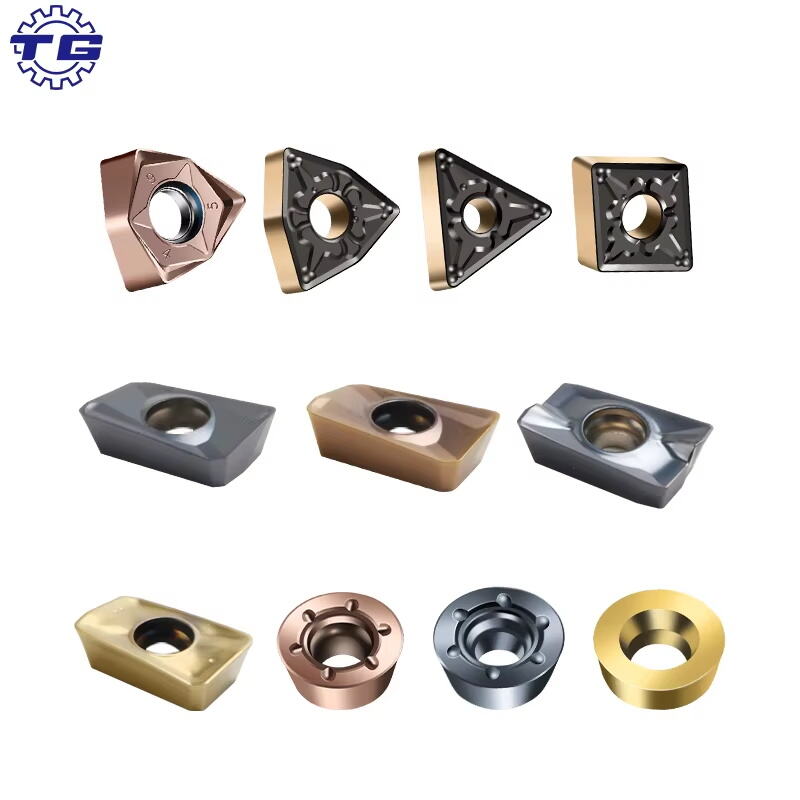
Carbide cutter inserts represent a revolutionary advancement in modern machining technology, offering exceptional performance for metalworking operations across diverse industrial applications. These precision-engineered cutting tools are manufactured from tungsten carbide, a compound known for its extraordinary hardness and heat resistance properties. Carbide cutter inserts are designed as replaceable cutting edges that can be mounted onto various tool holders, providing a cost-effective and efficient solution for turning, milling, boring, and threading operations. The main function of these inserts is to remove material from workpieces with precision and consistency, creating desired shapes and surface finishes in manufacturing processes. These cutting tools feature advanced geometries that optimize chip formation and evacuation, reducing cutting forces and improving overall machining efficiency. The technological features of carbide cutter inserts include specialized coatings such as titanium nitride, titanium carbonitride, and aluminum oxide, which significantly enhance wear resistance and extend tool life. Modern carbide cutter inserts incorporate innovative chip breaker designs that control chip flow during cutting operations, preventing chip entanglement and ensuring smooth machining processes. These inserts are available in various shapes including triangular, square, round, diamond, and trigon configurations, each optimized for specific machining applications and workpiece materials. The applications of these cutting tools span across automotive manufacturing, aerospace component production, general engineering workshops, oil and gas equipment fabrication, and medical device manufacturing. Carbide cutter inserts excel in machining hardened steels, stainless steels, cast iron, non-ferrous metals, and exotic alloys that demand superior cutting performance. The indexable design allows operators to rotate or flip the insert to utilize fresh cutting edges, maximizing material utilization and reducing tooling costs significantly compared to solid carbide tools.

New Product Releases

Carbide cutter inserts deliver remarkable cost savings for manufacturing operations by offering multiple cutting edges on a single insert, allowing you to use each edge until worn before replacement. This indexable feature means you can rotate the insert to access fresh cutting edges, extending the useful life of each insert and reducing your overall tooling expenses substantially. The superior hardness of carbide material enables these inserts to maintain sharp cutting edges even under extreme machining conditions, resulting in consistent part quality and dimensional accuracy throughout extended production runs. You will experience significantly faster machining speeds when using these inserts compared to traditional high-speed steel tools, directly increasing your production output and reducing cycle times for improved profitability. The exceptional heat resistance of carbide cutter inserts allows them to withstand the intense temperatures generated during high-speed cutting operations without softening or deforming, maintaining cutting performance where other materials would fail. These inserts require minimal setup time because the quick-change mounting system enables rapid tool changes between operations, reducing machine downtime and keeping your production lines running efficiently. The predictable wear patterns of carbide cutter inserts allow you to schedule tool changes proactively, preventing unexpected tool failures that could damage workpieces or cause costly production delays. You gain versatility in your machining operations because these inserts are available in numerous grades and geometries, allowing you to select the optimal configuration for each specific material and cutting condition. The standardized mounting systems for carbide cutter inserts mean you can maintain a smaller inventory of tool holders while stocking various insert types, simplifying your tool management and reducing capital investment in tooling. Modern coating technologies applied to these inserts provide enhanced lubricity that reduces friction between the cutting edge and workpiece, lowering cutting forces and reducing power consumption during machining operations. You will notice improved surface finishes on your machined parts because the sharp, stable cutting edges of carbide inserts produce cleaner cuts with less tearing or material deformation. The environmental benefits of using carbide cutter inserts include reduced material waste because the insert body can often be recycled after the cutting edges are exhausted, supporting your sustainability initiatives while maintaining operational efficiency.

Latest News

When should you use high speed steel cutting tools?

31

Mar

When should you use high speed steel cutting tools?

High speed steel cutting tools have revolutionized modern machining operations since their introduction in the early 1900s. These specialized alloys offer exceptional hardness, wear resistance, and heat tolerance that make them indispensable in vario...
View More
What industries rely most on high-speed steel tools?

31

Mar

What industries rely most on high-speed steel tools?

High-speed steel tools have become indispensable across numerous industrial sectors due to their exceptional hardness, heat resistance, and cutting performance. These specialized cutting implements maintain their sharpness and structural integrity ev...
View More
Why Are Carbide End Mills Better for Metal Cutting?

31

Mar

Why Are Carbide End Mills Better for Metal Cutting?

When it comes to precision metal cutting operations, the choice of cutting tool directly impacts productivity, surface finish quality, and overall manufacturing costs. Carbide end mills have emerged as the preferred solution for demanding metal cutti...
View More
What Safety Measures Are Essential in Holemaking Operations?

31

Mar

What Safety Measures Are Essential in Holemaking Operations?

Holemaking operations represent one of the most fundamental yet potentially hazardous processes in manufacturing environments. These operations involve creating precise holes in various materials using drilling, reaming, boring, and related machining...
View More

Get a Free Quote

Our representative will contact you soon.
Email
Mobile
Name
Company Name
Message
0/1000

carbide cutter inserts

Extended Tool Life Through Advanced Coating Technology

Extended Tool Life Through Advanced Coating Technology

Carbide cutter inserts incorporate state-of-the-art coating technologies that fundamentally transform their performance characteristics and operational longevity in demanding machining environments. These specialized surface treatments create protective barriers that shield the carbide substrate from the extreme conditions encountered during metal cutting operations. The most common coating systems include Physical Vapor Deposition and Chemical Vapor Deposition processes that apply ultra-thin layers of ceramic compounds to the insert surface. Titanium nitride coatings provide a golden-colored finish that offers excellent wear resistance and reduced friction, making these carbide cutter inserts ideal for general-purpose machining applications across various materials. Titanium carbonitride coatings deliver enhanced hardness compared to basic titanium nitride, extending tool life when machining abrasive materials or operating at higher cutting speeds. Aluminum oxide coatings excel in high-temperature applications, providing thermal barriers that protect the cutting edge during operations that generate significant heat. Multi-layer coating systems combine different materials to leverage the complementary properties of each layer, creating carbide cutter inserts that offer balanced performance across multiple cutting parameters. These advanced coatings reduce the coefficient of friction between the cutting edge and workpiece material, decreasing cutting forces and power requirements while simultaneously reducing heat generation at the cutting interface. The lower operating temperatures resulting from coated inserts help prevent thermal damage to both the tool and workpiece, maintaining dimensional accuracy and surface finish quality. Coated carbide cutter inserts can operate at cutting speeds up to fifty percent higher than uncoated alternatives, dramatically increasing material removal rates and production efficiency. The enhanced wear resistance provided by these coatings means you can complete more parts per cutting edge, reducing the frequency of tool changes and minimizing production interruptions. The coating technology also improves chip evacuation by reducing the tendency of chips to weld to the cutting edge, maintaining consistent cutting performance throughout the tool life and preventing built-up edge formation that can compromise surface quality.
Precision Geometry for Superior Chip Control

Precision Geometry for Superior Chip Control

The geometric design of carbide cutter inserts represents a critical factor in achieving optimal machining performance, with each feature carefully engineered to control chip formation and direct chip flow away from the cutting zone. Modern carbide cutter inserts feature sophisticated chip breaker geometries that are specifically designed to curl and fracture chips into manageable segments, preventing the formation of long, stringy chips that can entangle around the cutting tool or workpiece. These chip breaker designs incorporate precisely calculated angles, radii, and land widths that work together to impose controlled deformation on the chip as it forms, causing it to break predictably at optimal lengths. The rake angle of carbide cutter inserts determines the direction and magnitude of cutting forces, with positive rake angles reducing cutting pressure and power requirements while negative rake angles provide stronger cutting edges for interrupted cuts and rough machining. Relief angles prevent the flank surface of the insert from rubbing against the newly machined workpiece surface, reducing friction, heat generation, and the potential for work hardening in difficult-to-machine materials. The cutting edge radius, sometimes called the hone or edge preparation, strengthens the cutting edge against chipping while maintaining sharpness for clean material separation. Carbide cutter inserts designed for finishing operations feature sharp cutting edges with minimal radius to produce superior surface finishes, while inserts intended for roughing applications incorporate larger edge radii for enhanced durability under heavy cutting loads. The clearance angles on these inserts provide space for chips to escape from the cutting zone without interference, maintaining visibility of the cutting area and preventing chip re-cutting that can degrade surface finish. Specialized geometries for specific materials ensure that carbide cutter inserts deliver optimal performance whether you are machining aluminum alloys that require sharp, polished rake faces or hardened steels that demand robust edge preparations. The indexable design allows manufacturers to create multiple cutting edges on a single insert body, with each edge featuring identical geometry to ensure consistent performance throughout the insert life. Advanced computational modeling during the design phase optimizes these geometric features to balance competing requirements such as edge strength, sharpness, chip control, and cutting force reduction for superior overall performance.
Versatile Grade Selection for Material-Specific Performance

Versatile Grade Selection for Material-Specific Performance

Carbide cutter inserts are manufactured in an extensive range of grades that are specifically formulated to optimize performance when machining particular workpiece materials under defined cutting conditions. The grade of a carbide insert refers to its specific composition, including the ratio of tungsten carbide to cobalt binder, the carbide grain size, and any additional carbide phases or metallic additions incorporated during manufacturing. Grades with higher cobalt content offer increased toughness and resistance to fracture, making these carbide cutter inserts suitable for interrupted cutting applications, rough machining operations, and situations where vibration or chatter may occur. Conversely, grades with lower cobalt percentages provide enhanced hardness and wear resistance, extending tool life in continuous cutting applications and finish machining operations where edge retention is paramount. Fine-grained carbide grades feature smaller carbide particles that create sharper, more durable cutting edges capable of producing superior surface finishes, while coarser grain structures offer improved thermal shock resistance for applications involving intermittent cutting or temperature fluctuations. Manufacturers designate carbide cutter inserts into application categories typically identified by color codes or alphanumeric systems that indicate the intended workpiece materials, with blue grades optimized for steel machining, yellow grades for stainless steels, green grades for cast iron, and red grades for non-ferrous materials. Substrate modifications through the addition of elements like tantalum carbide, titanium carbide, or niobium carbide alter the properties of carbide cutter inserts to enhance specific performance characteristics such as crater wear resistance, thermal conductivity, or chemical stability. The selection of appropriate grades enables you to match the insert properties precisely to your machining requirements, balancing tool life, cutting speed, feed rate, and surface finish to optimize overall productivity and part quality. Modern carbide cutter insert suppliers provide comprehensive technical documentation and selection guides that help you identify the optimal grade for your specific application based on workpiece material, cutting parameters, and desired outcomes. The wide variety of available grades means you can fine-tune your cutting tool selection to achieve the best possible performance in each unique machining scenario, whether you are producing high-volume automotive components, precision aerospace parts, or custom fabrications. Understanding the relationship between carbide grades and machining performance empowers you to make informed decisions that reduce costs, improve quality, and enhance the competitiveness of your manufacturing operations through strategic tool selection and application optimization.

carbide cutter inserts-0
carbide cutter inserts-1

Get a Free Quote

Our representative will contact you soon.
Email
Mobile
Name
Company Name
Message
0/1000