Contact me immediately if you encounter problems!

All Categories

insert carbide tool

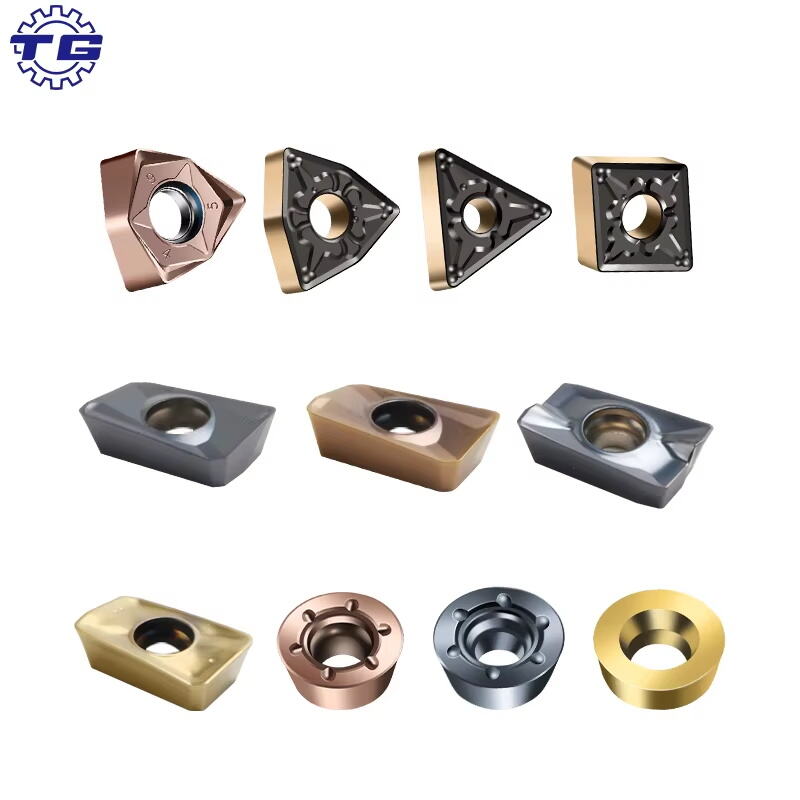
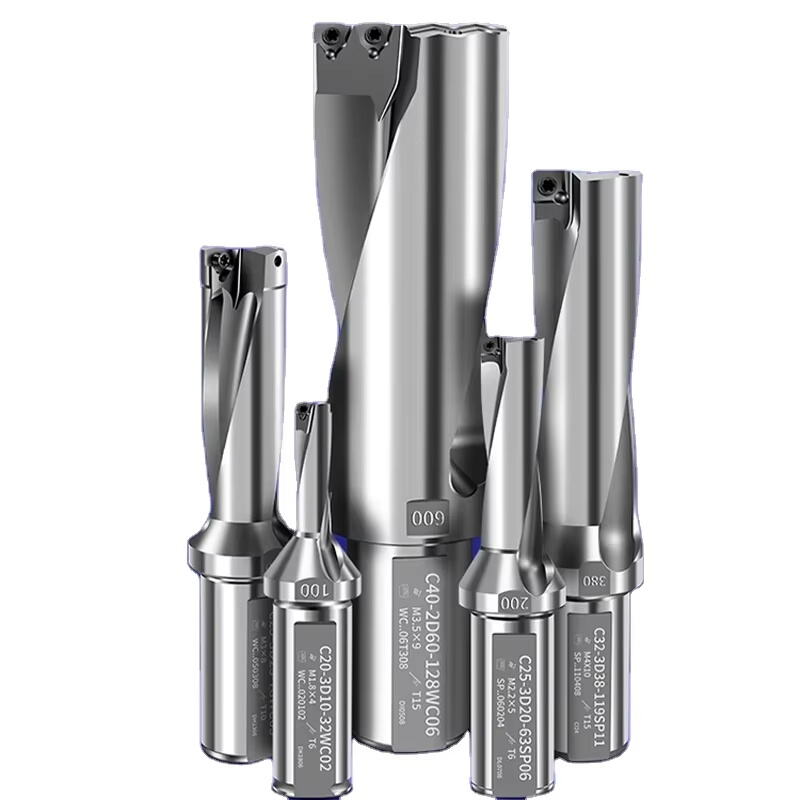
The insert carbide tool represents a revolutionary advancement in modern machining technology, designed to deliver exceptional performance across diverse manufacturing operations. This specialized cutting instrument features replaceable carbide inserts that can be quickly exchanged when worn, eliminating the need for complete tool replacement and significantly reducing operational costs. The insert carbide tool consists of a durable tool holder body and precision-engineered carbide cutting inserts that lock securely into position, creating a robust cutting system capable of handling demanding metalworking applications. The main functions of this innovative tool include precision turning, milling, boring, threading, and grooving operations on various materials ranging from soft aluminum to hardened steel alloys. The technological features distinguishing the insert carbide tool include advanced geometric designs that optimize chip evacuation, specialized coatings that extend tool life by reducing friction and heat buildup, and standardized mounting systems ensuring perfect repeatability during insert changes. Manufacturers utilize sophisticated grinding processes to create precise cutting edges with tight tolerances, ensuring consistent surface finishes and dimensional accuracy throughout production runs. The insert carbide tool finds widespread applications in automotive manufacturing, aerospace component production, oil and gas equipment fabrication, medical device manufacturing, and general metalworking shops. These tools excel in high-volume production environments where consistency, reliability, and cost-effectiveness are paramount considerations. The modular design philosophy behind the insert carbide tool enables operators to maintain extensive cutting capabilities while minimizing inventory requirements, as a single tool holder can accommodate multiple insert geometries and grades tailored to specific workpiece materials and cutting conditions. This versatility makes the insert carbide tool an indispensable asset for modern machine shops seeking to optimize productivity while maintaining strict quality standards across varied production requirements.

Popular Products

The insert carbide tool delivers numerous practical benefits that directly impact your bottom line and production efficiency. First and foremost, these tools dramatically reduce your tooling expenses because you only replace the small carbide insert rather than discarding an entire cutting tool when the edge becomes dull. This economical approach can cut your annual tooling budget by up to seventy percent compared to traditional solid carbide or high-speed steel tools. The quick-change capability of the insert carbide tool minimizes machine downtime, allowing operators to swap worn inserts in seconds without removing the tool holder from the machine spindle. This rapid changeover feature keeps your production lines running smoothly and maximizes your equipment utilization rates. The superior hardness and heat resistance of carbide material enables significantly faster cutting speeds than conventional tool materials, boosting your production throughput and reducing cycle times for each manufactured component. You will notice immediate improvements in surface finish quality because the precision-ground cutting edges of carbide inserts maintain their sharpness far longer than other tool materials, ensuring consistent part quality throughout extended production runs. The insert carbide tool performs reliably across a broad temperature range, maintaining dimensional stability even when cutting generates substantial heat, which translates to better dimensional accuracy and fewer rejected parts. These tools require minimal maintenance beyond periodic insert replacement, freeing your skilled workers to focus on value-added activities rather than tool sharpening and reconditioning tasks. The standardized designs of modern carbide inserts mean you can source replacement cutting edges from multiple suppliers, preventing vendor lock-in and promoting competitive pricing. Environmental benefits also factor into the advantages, as the recyclable nature of carbide inserts supports sustainable manufacturing practices by reducing waste generation. Your operators will appreciate the improved safety aspects, since fresh cutting edges reduce the likelihood of workpiece slippage or tool breakage that could cause accidents. The predictable wear patterns of the insert carbide tool enable you to implement systematic tool management programs, scheduling insert changes based on actual cutting time rather than reactive responses to tool failure. This proactive approach eliminates unexpected production interruptions and helps you maintain delivery commitments to customers with confidence.

Tips And Tricks

How to extend the lifespan of high-speed steel cutting tools?

20

Jan

How to extend the lifespan of high-speed steel cutting tools?

Modern manufacturing industries demand exceptional accuracy and efficiency in their machining operations, making steel precision cutting tools an indispensable component of successful production processes. These specialized instruments represent the ...
View More
Why Do Milling Cutters Break and How to Prevent It?

10

Feb

Why Do Milling Cutters Break and How to Prevent It?

Manufacturing precision relies heavily on the performance and reliability of cutting tools, with the milling cutter serving as one of the most critical components in modern machining operations. Despite their robust design and engineering excellence,...
View More
Why Endmills Are Crucial in CNC Milling Operations

28

Feb

Why Endmills Are Crucial in CNC Milling Operations

CNC milling operations form the backbone of modern manufacturing, transforming raw materials into precision components that power industries worldwide. At the heart of these sophisticated machining processes lie endmills, cutting tools that define th...
View More
What are the differences between high-speed steel and carbide tools?

31

Mar

What are the differences between high-speed steel and carbide tools?

Manufacturing professionals constantly face critical decisions about cutting tool selection, with material choice being perhaps the most fundamental consideration. The choice between high-speed steel and carbide tools directly impacts machining perfo...
View More

Get a Free Quote

Our representative will contact you soon.
Email
Mobile
Name
Company Name
Message
0/1000

insert carbide tool

Exceptional Cost Efficiency Through Replaceable Insert Technology

Exceptional Cost Efficiency Through Replaceable Insert Technology

The insert carbide tool revolutionizes cost management in machining operations by introducing a replaceable insert system that fundamentally changes how manufacturers approach tooling expenses. Traditional cutting tools require complete replacement when the cutting edge dulls, forcing shops to discard substantial amounts of perfectly functional tool material along with the worn cutting edge. This wasteful approach creates unnecessary expenses that accumulate rapidly in high-volume production environments. The insert carbide tool eliminates this inefficiency by separating the cutting edge from the tool holder, allowing operators to replace only the small carbide insert when wear occurs. The economic advantages extend beyond simple material savings, as the tool holder bodies constructed from high-quality steel or specialized alloys provide decades of reliable service with proper care. Manufacturing facilities implementing the insert carbide tool typically experience tooling cost reductions ranging from sixty to seventy-five percent compared to their previous expenditures on solid cutting tools. The standardized insert geometries available in the market create competitive pricing dynamics, as multiple manufacturers produce compatible inserts that fit common tool holder designs. This competitive marketplace ensures you receive fair pricing while maintaining access to premium quality cutting edges. The inventory management benefits prove equally compelling, since stocking a variety of insert geometries and grades requires far less storage space and capital investment than maintaining equivalent capabilities with solid tools. A single tool holder can accommodate numerous insert styles, enabling your facility to handle diverse cutting operations without purchasing separate dedicated tools for each application. The predictable consumption rates of carbide inserts facilitate accurate budgeting and purchasing planning, eliminating surprise expenses that disrupt financial forecasts. The insert carbide tool also reduces indirect costs associated with tool management, as simplified inventory systems require less administrative oversight and tracking effort. Your purchasing department benefits from streamlined procurement processes, consolidating orders with fewer suppliers while maintaining comprehensive cutting capabilities. The rapid insert exchange capability minimizes production interruptions, translating directly to improved machine utilization rates and higher overall equipment effectiveness scores that drive profitability throughout your operation.
Superior Cutting Performance and Extended Tool Life

Superior Cutting Performance and Extended Tool Life

The insert carbide tool delivers unmatched cutting performance that transforms machining productivity through advanced material science and precision engineering. Carbide comprises extremely hard tungsten carbide particles bonded in a cobalt matrix, creating a material substantially harder than high-speed steel while maintaining sufficient toughness to withstand interrupted cutting forces. This unique combination of properties enables the insert carbide tool to operate at cutting speeds three to five times faster than traditional tool materials, dramatically reducing cycle times and increasing throughput capacity without additional capital equipment investment. The elevated hardness of carbide inserts maintains sharp cutting edges far longer than conventional materials, with typical tool life improvements ranging from five to twenty times depending on the specific application and workpiece material. Modern insert manufacturers apply sophisticated coating technologies including titanium nitride, titanium carbonitride, and aluminum oxide layers that further enhance performance by reducing friction, minimizing heat generation, and preventing chemical reactions between the cutting edge and workpiece material. These advanced coatings extend tool life by an additional fifty to three hundred percent while enabling even higher cutting speeds that accelerate production rates. The precision grinding processes used to manufacture carbide inserts produce cutting edges with micron-level accuracy and ultra-smooth surface finishes that directly transfer to the machined workpiece. This precision translates to superior part quality with reduced surface roughness values and tighter dimensional tolerances that may eliminate secondary finishing operations entirely. The thermal stability of the insert carbide tool proves essential in demanding applications, as carbide maintains its hardness at temperatures exceeding one thousand degrees Celsius where other tool materials soften and fail. This heat resistance enables aggressive cutting parameters that maximize material removal rates while maintaining dimensional accuracy throughout extended production runs. The consistent performance characteristics of the insert carbide tool eliminate the variability often experienced with resharpened tools, ensuring every component meets specifications regardless of when it was produced during the manufacturing cycle. Your quality control processes become more predictable and reliable when using carbide inserts, reducing inspection requirements and minimizing scrap rates that erode profitability.
Remarkable Versatility Across Diverse Machining Applications

Remarkable Versatility Across Diverse Machining Applications

The insert carbide tool demonstrates extraordinary versatility that makes it an essential component in modern manufacturing facilities handling varied production requirements. This adaptability stems from the vast selection of insert geometries, grades, and coating combinations available to address virtually any machining challenge encountered in metalworking operations. Manufacturers produce carbide inserts in dozens of standardized shapes including triangular, square, round, diamond, and specialized profiles designed for specific operations like threading, grooving, or face milling. Each geometric configuration offers distinct advantages regarding cutting edge strength, accessibility in confined spaces, and the number of usable cutting edges per insert. The insert carbide tool accommodates an equally impressive range of carbide grades formulated to optimize performance across different workpiece materials. Softer grades with higher cobalt content provide the toughness required for interrupted cuts and challenging materials, while harder grades with lower binder content excel in continuous cutting operations on abrasive materials. This grade selection enables your facility to fine-tune cutting tool performance for each specific application, maximizing efficiency whether machining soft aluminum alloys, tough stainless steels, or exotic high-temperature superalloys used in aerospace applications. The coating options available for carbide inserts further expand capability, with different coating systems optimized for specific material families and cutting conditions. Your operators can quickly adapt to changing production requirements by simply exchanging inserts rather than maintaining separate dedicated tools for each operation. This flexibility proves particularly valuable in job shop environments where product mix varies frequently, as the insert carbide tool eliminates the need for extensive tool inventories while maintaining comprehensive machining capabilities. The standardized mounting systems employed by major tool manufacturers ensure compatibility across different machine tools and production cells, simplifying tool management and enabling efficient resource allocation throughout your facility. The insert carbide tool performs equally well in manual machining centers and fully automated production systems, adapting seamlessly to your specific manufacturing environment. This universal applicability makes the insert carbide tool suitable for prototype development, short production runs, and high-volume manufacturing alike, providing consistent performance regardless of batch size or production schedule. Your investment in quality tool holders and a diverse insert inventory creates a flexible manufacturing capability that responds quickly to customer demands and market opportunities.
insert carbide tool-0
insert carbide tool-1

Get a Free Quote

Our representative will contact you soon.
Email
Mobile
Name
Company Name
Message
0/1000