Contact me immediately if you encounter problems!

All Categories

carbide inserts for aluminium

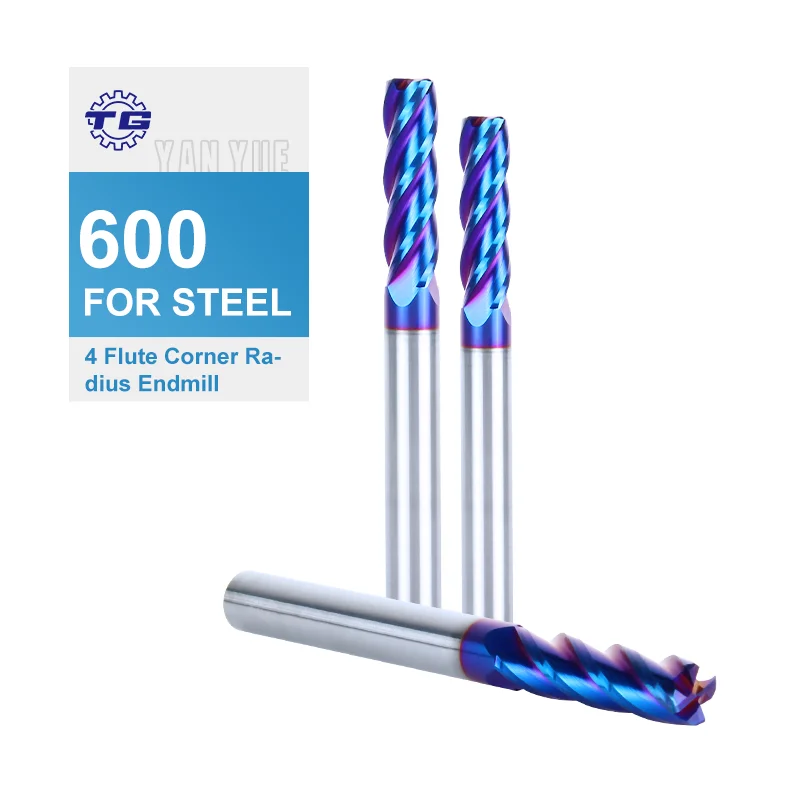
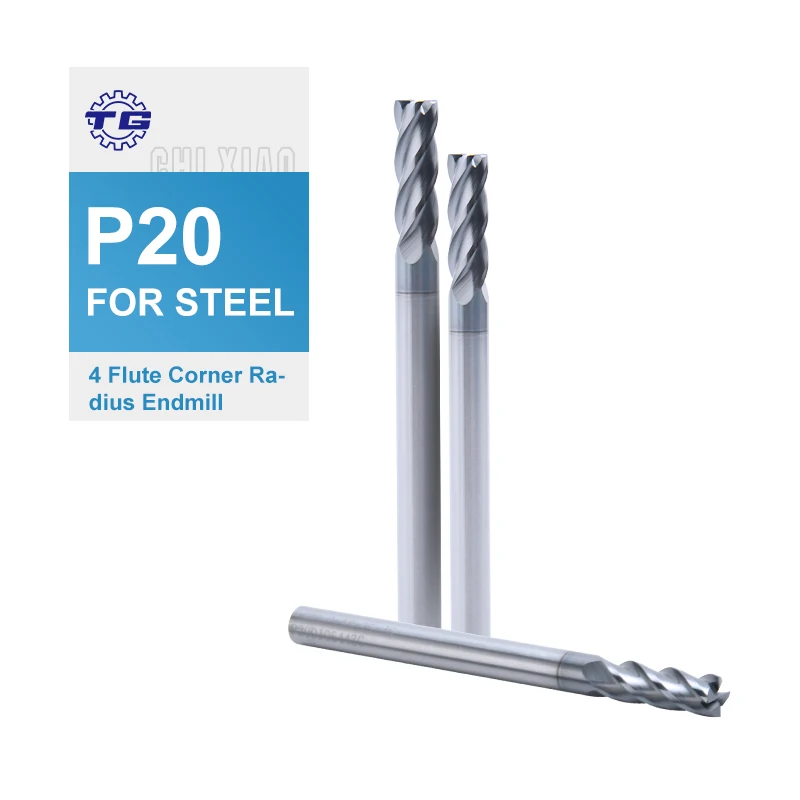
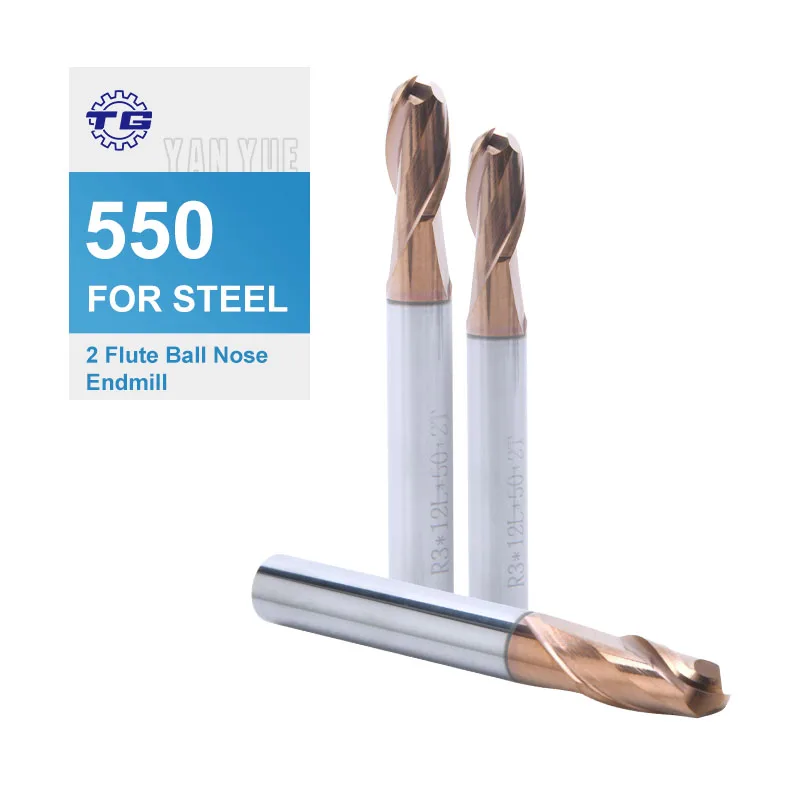
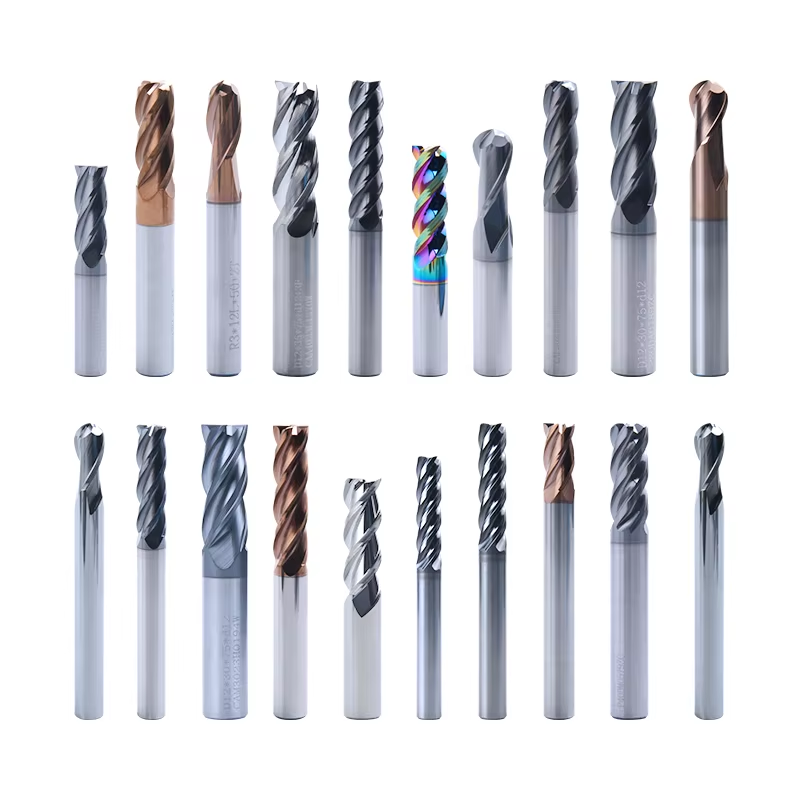
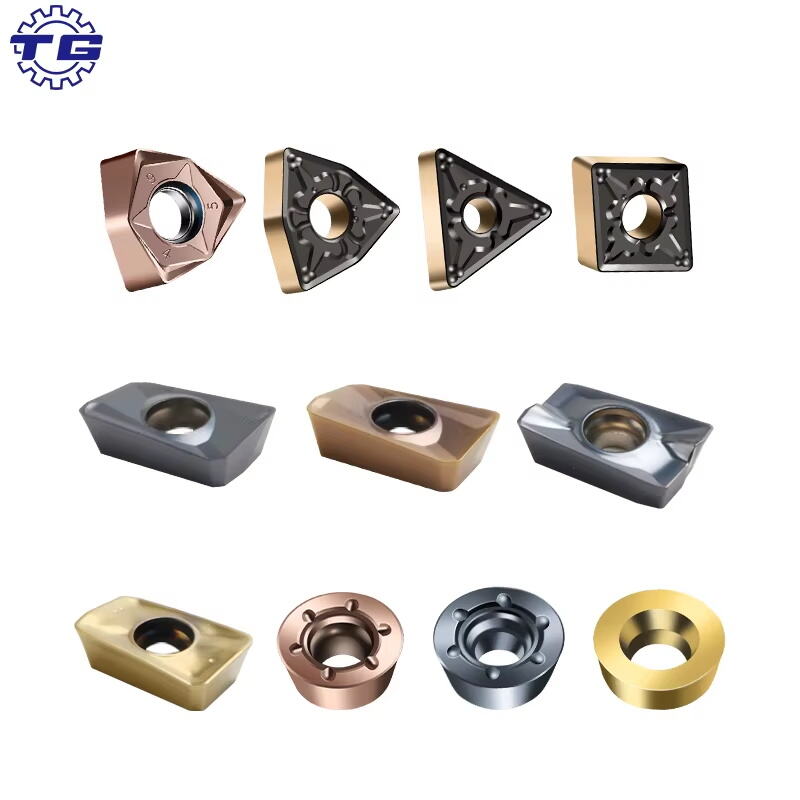
Carbide inserts for aluminium represent a specialized cutting tool solution designed specifically to address the unique challenges presented when machining aluminium and its alloys. These precision-engineered cutting components combine advanced substrate materials with optimized geometries to deliver superior performance in aluminium processing applications. The main function of carbide inserts for aluminium centers on providing efficient material removal while maintaining excellent surface finishes and dimensional accuracy throughout extended production runs. These inserts feature carefully designed rake angles, sharp cutting edges, and polished surfaces that prevent the adhesion of aluminium particles, commonly known as built-up edge formation. The technological features of carbide inserts for aluminium include ultra-fine grain carbide substrates that provide the necessary combination of hardness and toughness required for aluminium machining. Many inserts incorporate specialized coatings or surface treatments that further enhance their performance characteristics. The geometry of these inserts typically includes positive rake angles that reduce cutting forces, highly polished flute designs that facilitate chip evacuation, and precisely ground cutting edges that minimize friction during the cutting process. Applications for carbide inserts for aluminium span across numerous industries including aerospace manufacturing, automotive component production, electronics enclosure fabrication, and general metal working shops. These inserts excel in operations such as turning, milling, drilling, and threading of aluminium workpieces. They are particularly valuable in high-volume production environments where consistency, tool life, and surface finish quality directly impact profitability. Whether processing pure aluminium, aluminium-silicon alloys, or other aluminium-based materials, these specialized inserts deliver the performance characteristics necessary for modern manufacturing demands. The versatility of carbide inserts for aluminium makes them indispensable tools for manufacturers seeking to optimize their aluminium machining operations while reducing overall production costs and improving product quality.

New Products

Choosing carbide inserts for aluminium delivers numerous practical benefits that directly impact your manufacturing efficiency and bottom line. First and foremost, these specialized inserts dramatically extend tool life compared to standard cutting tools. The advanced carbide substrate resists wear even during prolonged contact with abrasive aluminium alloys, meaning you replace tools less frequently and spend less time on machine downtime for tool changes. This extended lifespan translates directly into lower tooling costs per part produced. The cutting performance of carbide inserts for aluminium enables you to achieve higher cutting speeds and feed rates than conventional tooling allows. This increased productivity means you complete jobs faster, process more parts per shift, and meet tight delivery schedules with greater confidence. The sharp, precisely manufactured cutting edges slice through aluminium with minimal resistance, reducing the power consumption of your machines and decreasing heat generation during cutting operations. Surface finish quality represents another significant advantage. Carbide inserts for aluminium produce exceptionally smooth surface finishes that often eliminate or minimize secondary finishing operations. The polished rake faces and optimized geometries prevent aluminium from welding to the cutting edge, ensuring consistent finish quality throughout the tool's service life. This consistency means fewer rejected parts, reduced inspection time, and greater customer satisfaction with your finished products. The dimensional accuracy achieved with carbide inserts for aluminium helps you maintain tight tolerances even in high-volume production runs. The inserts resist deflection under cutting forces and maintain their geometric integrity throughout their usable life, ensuring that the first part and the last part in a production batch meet the same exacting specifications. Chip control becomes significantly easier when you use carbide inserts for aluminium. The specialized geometries break chips into manageable sizes that evacuate cleanly from the cutting zone, preventing chip jamming, reducing machine cleaning requirements, and improving operator safety. Economic benefits extend beyond direct tooling costs. The reliability of carbide inserts for aluminium reduces scrap rates, minimizes unexpected production interruptions, and allows you to plan maintenance activities more predictably. Your operators spend more time producing quality parts and less time troubleshooting tool-related problems. The versatility of these inserts means you can standardize on fewer tool varieties while still handling diverse aluminium machining applications, simplifying inventory management and reducing capital tied up in tooling stock.

Tips And Tricks

How do different drill bit materials affect performance?

30

Dec

How do different drill bit materials affect performance?

Understanding the relationship between drill bit materials and their performance characteristics is crucial for professionals working in manufacturing, construction, and metalworking industries. The material composition of a drill bit directly influe...
View More
How does high speed steel differ from carbon steel?

30

Dec

How does high speed steel differ from carbon steel?

Manufacturing and machining industries rely heavily on selecting the right steel type for specific applications, with high speed steel and carbon steel representing two of the most significant categories in industrial tooling. Understanding the funda...
View More
Why Do Milling Cutters Break and How to Prevent It?

10

Feb

Why Do Milling Cutters Break and How to Prevent It?

Manufacturing precision relies heavily on the performance and reliability of cutting tools, with the milling cutter serving as one of the most critical components in modern machining operations. Despite their robust design and engineering excellence,...
View More
Which Shapes of Carbide Inserts Are Best for Steel?

28

Feb

Which Shapes of Carbide Inserts Are Best for Steel?

When machining steel components, selecting the appropriate carbide inserts for steel becomes critical for achieving optimal performance, tool life, and surface finish quality. The geometry and shape of these cutting tools directly influence chip form...
View More

Get a Free Quote

Our representative will contact you soon.
Email
Mobile
Name
Company Name
Message
0/1000

carbide inserts for aluminium

Advanced Carbide Substrate Engineering for Maximum Performance

Advanced Carbide Substrate Engineering for Maximum Performance

The foundation of superior carbide inserts for aluminium lies in the sophisticated substrate engineering that creates the perfect balance of material properties for aluminium machining. These inserts utilize ultra-fine grain carbide compositions specifically formulated to address the unique characteristics of aluminium and its alloys. The carbide substrate combines exceptional hardness with sufficient toughness to resist both abrasive wear and mechanical shock during interrupted cuts. This careful material selection ensures that carbide inserts for aluminium maintain their cutting edge sharpness throughout extended production runs, delivering consistent performance that manufacturers can depend upon. The ultra-fine grain structure provides a smooth, dense surface that minimizes friction between the tool and workpiece, which is particularly important when machining soft, sticky aluminium materials that tend to adhere to cutting tools. Many carbide inserts for aluminium incorporate specialized coatings or surface treatments that further enhance their performance characteristics. These coatings may include diamond-like carbon layers, specialized PVD coatings, or polished uncoated surfaces, each selected to optimize performance for specific aluminium alloy families and machining conditions. The coating selection process considers factors such as cutting speed ranges, feed rates, and the silicon content of aluminium alloys being processed. Higher silicon content aluminium alloys are particularly abrasive and benefit from harder coating materials, while lower silicon alloys may perform better with highly polished uncoated surfaces that prevent material adhesion. The substrate engineering extends to thermal properties as well. Carbide inserts for aluminium must efficiently dissipate heat generated during cutting to prevent thermal damage to both the tool and workpiece. The thermal conductivity of the carbide substrate helps channel heat away from the cutting edge, maintaining dimensional stability and preventing thermal expansion issues that could compromise dimensional accuracy. This thermal management capability becomes increasingly important at higher cutting speeds where heat generation intensifies. Manufacturing precision in creating these substrates ensures remarkable consistency from insert to insert, allowing you to predict tool performance and plan production schedules with confidence.
Optimized Geometry Design for Superior Chip Control and Surface Finish

Optimized Geometry Design for Superior Chip Control and Surface Finish

The geometric design of carbide inserts for aluminium represents years of research and development focused on understanding the specific requirements of aluminium machining operations. These inserts feature carefully engineered rake angles, typically positive and sometimes highly positive, that reduce cutting forces and minimize the power required for material removal. Lower cutting forces translate into reduced machine wear, lower energy consumption, and the ability to use less rigid setups for machining thin-walled or delicate aluminium components. The positive rake geometry also contributes to improved surface finish quality by creating a shearing action that cleanly separates chips from the workpiece rather than tearing or plowing through the material. Carbide inserts for aluminium incorporate precisely designed chip breaker geometries that control chip formation and evacuation. Aluminium tends to produce long, stringy chips that can tangle around cutting tools, workpieces, or machine components, creating safety hazards and potentially damaging finished surfaces. The chip breaker features built into these inserts curl, break, and direct chips away from the cutting zone in predictable patterns. This controlled chip formation keeps your work area cleaner, reduces the risk of chip-related damage to parts, and improves overall machining safety for operators. The edge preparation of carbide inserts for aluminium receives special attention during manufacturing. Cutting edges are ground to precise sharpness levels that balance initial cutting performance with edge strength. Too sharp an edge might chip when encountering hard silicon particles in aluminium alloys, while too dull an edge increases cutting forces and degrades surface finish. The optimal edge preparation varies based on the specific aluminium alloy being machined and the operation being performed. Manufacturers of carbide inserts for aluminium often provide multiple edge preparation options within their product lines, allowing you to select the perfect edge configuration for your specific application requirements. The flank clearance angles on these inserts are optimized to prevent rubbing between the tool and finished workpiece surface while maintaining adequate support for the cutting edge. Proper clearance angles are essential for achieving excellent surface finishes and preventing premature tool wear in aluminium machining applications.
Application Versatility Across Diverse Aluminium Machining Operations

Application Versatility Across Diverse Aluminium Machining Operations

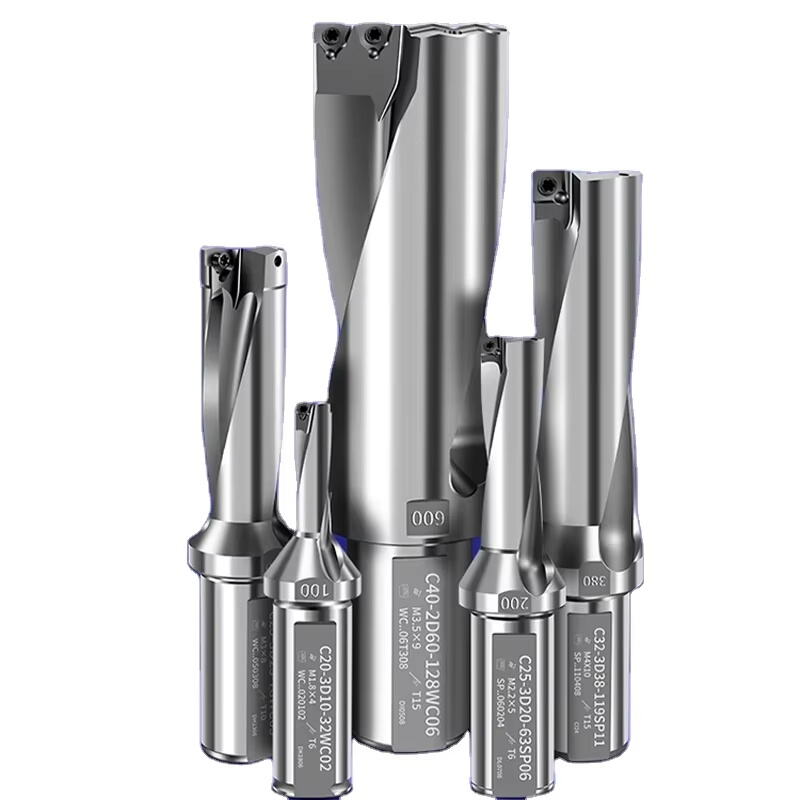
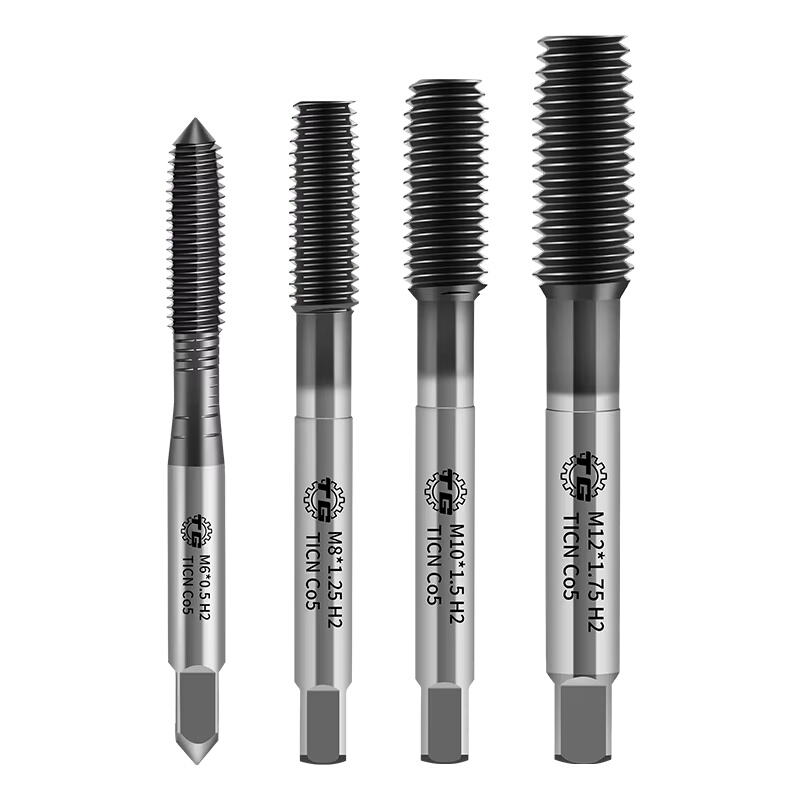
The versatility of carbide inserts for aluminium makes them valuable assets across an extraordinarily wide range of machining operations and industrial applications. These inserts excel in turning operations where they remove material from rotating aluminium workpieces to create cylindrical, conical, or contoured shapes. Whether performing rough turning to quickly remove large amounts of material or finish turning to achieve final dimensions and surface finishes, carbide inserts for aluminium deliver the performance characteristics needed for each operation phase. The same fundamental insert technology adapts to face turning, grooving, threading, and parting operations, providing manufacturers with a comprehensive tooling solution for lathe-based aluminium machining. In milling applications, carbide inserts for aluminium demonstrate equal versatility. Face milling operations benefit from the sharp cutting edges and optimized geometries that produce flat, smooth surfaces with minimal tool marks. Shoulder milling, slot milling, and profile milling operations all achieve superior results when using carbide inserts for aluminium specifically designed for these applications. The inserts handle both climb milling and conventional milling strategies, though climb milling typically produces superior surface finishes when machining aluminium. High-speed milling operations, increasingly common in aerospace and automotive manufacturing, particularly benefit from the thermal properties and wear resistance of carbide inserts for aluminium. These inserts maintain their cutting edge integrity even at the elevated temperatures generated during high-speed machining, enabling manufacturers to fully exploit the productivity potential of modern CNC machining centers. Drilling and boring operations also benefit from specialized carbide inserts for aluminium. These applications demand tools that produce accurate hole sizes, maintain positional accuracy, and generate smooth hole surfaces. Carbide inserts for aluminium designed for hole-making operations incorporate geometries that efficiently evacuate chips from deep holes while maintaining cutting edge engagement with the workpiece. The material versatility of these inserts extends across the entire spectrum of aluminium alloys. Pure aluminium, 2000 series aluminium-copper alloys, 6000 series aluminium-magnesium-silicon alloys, and 7000 series aluminium-zinc alloys all machine successfully with appropriately selected carbide inserts for aluminium. Even challenging materials like high-silicon aluminium alloys used in automotive engine components yield to the advanced capabilities of these specialized cutting tools.

carbide inserts for aluminium-0
carbide inserts for aluminium-1

Get a Free Quote

Our representative will contact you soon.
Email
Mobile
Name
Company Name
Message
0/1000