Contact me immediately if you encounter problems!

All Categories

cnc insert

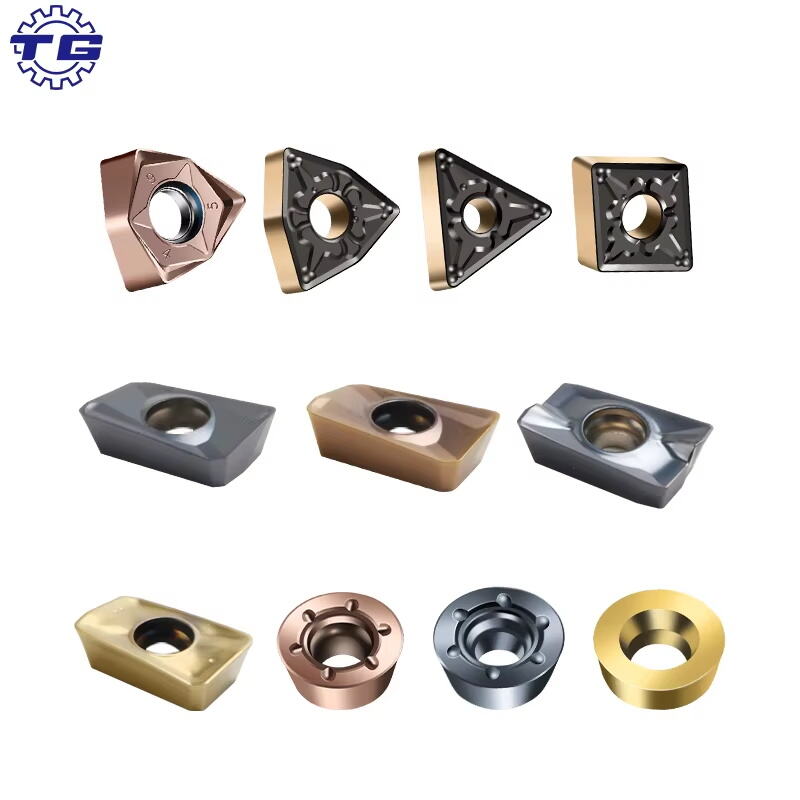
A cnc insert represents a precision-engineered cutting tool component designed to mount securely onto CNC machining equipment for material removal operations. These replaceable cutting edges serve as the primary interface between machine tools and workpieces, transforming raw materials into finished products with exceptional accuracy. Manufacturing facilities worldwide rely on cnc insert technology to achieve consistent results across diverse machining applications. The fundamental design consists of geometrically shaped carbide, ceramic, or coated materials featuring multiple cutting edges that can be indexed or rotated when one edge becomes worn. This indexable characteristic distinguishes modern cnc insert solutions from traditional solid tooling. The cnc insert fits into specially designed tool holders that secure it through mechanical clamping, ensuring stability during high-speed rotation and heavy cutting forces. Industries ranging from aerospace to automotive manufacturing depend on these components for turning, milling, drilling, and threading operations. The technological sophistication of cnc insert products has evolved dramatically, incorporating advanced substrate materials, multilayer coatings, and optimized geometries that enhance performance characteristics. Chip breaker designs molded into the insert surface control chip formation and evacuation, preventing tangling and ensuring smooth operation. Different grades accommodate various workpiece materials including steel, stainless steel, cast iron, aluminum, and exotic alloys. The cnc insert market offers extensive variety in shapes such as triangular, square, round, and diamond configurations, each optimized for specific cutting conditions. Edge preparations range from sharp to heavily honed, addressing requirements from finishing to roughing operations. Modern cnc insert manufacturing employs powder metallurgy, precision grinding, and sophisticated coating technologies like physical vapor deposition and chemical vapor deposition. These processes create cutting edges capable of withstanding temperatures exceeding 1000 degrees Celsius while maintaining dimensional stability. The economic advantages of using a cnc insert system include reduced downtime for tool changes, predictable tool life, and inventory management simplification through standardized components.

Popular Products

Choosing a cnc insert for your machining operations delivers immediate cost savings through extended tool life compared to brazed or solid carbide alternatives. Each cutting edge can be indexed to a fresh position, multiplying the useful life by the number of available edges on that particular geometry. This indexability means you extract maximum value from every component before replacement becomes necessary. Production managers appreciate how quickly operators can change a worn cnc insert without removing the entire tool holder from the machine spindle, minimizing non-productive time and maintaining tight production schedules. The consistency of a cnc insert ensures that part dimensions remain within specified tolerances throughout production runs, reducing scrap rates and improving overall quality metrics. Your machining operations benefit from the wide selection of substrate materials and coating options that match specific workpiece materials and cutting conditions. Engineers can optimize cutting parameters by selecting a cnc insert grade designed specifically for the hardness, abrasiveness, and thermal characteristics of the material being machined. Heat resistance properties of modern coatings allow faster cutting speeds, directly increasing throughput and reducing per-part production costs. The geometric precision of each cnc insert guarantees repeatable performance, eliminating variables that plague less sophisticated tooling systems. Maintenance requirements decrease because tool holder bodies last significantly longer when you simply replace the insert rather than the entire assembly. Inventory management becomes more efficient as your facility stocks fewer unique items, with standardized cnc insert products fitting multiple tool holder configurations. Training new operators becomes simpler because the process of changing a cnc insert follows straightforward procedures that reduce the learning curve. Safety improvements result from reduced handling of sharp tools and elimination of brazing operations that expose workers to high temperatures and fumes. Your facility gains flexibility to respond quickly to design changes or new product introductions by swapping to different cnc insert geometries without investing in completely new tooling systems. Environmental benefits emerge from reduced material waste and longer component lifecycles that decrease the frequency of disposal. Productivity improvements compound over time as your team masters the selection and application of appropriate cnc insert specifications for varying job requirements. The predictable wear patterns of quality inserts enable planned replacement schedules that prevent unexpected failures during critical production runs, protecting delivery commitments to customers.

Latest News

What is high speed steel and how does it work?

30

Dec

What is high speed steel and how does it work?

High speed steel represents one of the most significant innovations in metallurgy and machining technology. This specialized alloy has revolutionized manufacturing processes across countless industries, enabling precision cutting operations at speeds...
View More
Why Do Milling Cutters Break and How to Prevent It?

10

Feb

Why Do Milling Cutters Break and How to Prevent It?

Manufacturing precision relies heavily on the performance and reliability of cutting tools, with the milling cutter serving as one of the most critical components in modern machining operations. Despite their robust design and engineering excellence,...
View More
How to Choose the Right Milling Cutter for Your Project?

10

Feb

How to Choose the Right Milling Cutter for Your Project?

Selecting the appropriate milling cutter for your machining project is a critical decision that directly impacts production efficiency, surface finish quality, and overall manufacturing costs. Whether you're working with aluminum, steel, or exotic al...
View More
When should you use high speed steel cutting tools?

31

Mar

When should you use high speed steel cutting tools?

High speed steel cutting tools have revolutionized modern machining operations since their introduction in the early 1900s. These specialized alloys offer exceptional hardness, wear resistance, and heat tolerance that make them indispensable in vario...
View More

Get a Free Quote

Our representative will contact you soon.
Email
Mobile
Name
Company Name
Message
0/1000

cnc insert

Superior Material Technology and Coating Systems

Superior Material Technology and Coating Systems

The foundation of any high-performance cnc insert lies in its substrate material composition and the advanced coating systems applied to cutting surfaces. Manufacturers engineer substrates from tungsten carbide combined with cobalt binders, creating a material matrix that balances hardness with toughness to resist both wear and fracture. The specific carbide grain size and binder content determine the insert characteristics, with finer grains providing superior wear resistance for finishing operations while coarser structures offer impact resistance for interrupted cuts. Ceramic substrates composed of aluminum oxide or silicon nitride provide extreme heat resistance for high-speed machining of hardened materials where carbide grades would fail. Cubic boron nitride ranks as the second hardest material after diamond, making it ideal for cnc insert applications involving hardened steels above 45 HRC where conventional materials prove inadequate. Polycrystalline diamond delivers unmatched wear resistance when machining abrasive non-ferrous materials like aluminum-silicon alloys, composite materials, and graphite. Beyond substrate selection, coating technology revolutionizes cnc insert performance by creating protective layers that reduce friction, prevent chemical reactions with workpiece materials, and provide thermal barriers. Titanium nitride coatings display a distinctive gold color and increase surface hardness while reducing the tendency for built-up edge formation. Titanium carbonitride adds carbon to create a harder, more wear-resistant coating suitable for demanding applications. Titanium aluminum nitride excels in high-temperature environments, forming a protective aluminum oxide layer at elevated temperatures that actually increases protection as conditions become more severe. Multilayer coating architectures stack different materials in precisely controlled thicknesses, combining the beneficial properties of each layer to optimize overall performance. The outermost layers resist abrasive wear while inner layers provide toughness and adhesion to the substrate. This sophisticated materials engineering allows a single cnc insert to handle demanding cutting conditions that would quickly destroy uncoated tools, extending productive life by factors of five to ten times in many applications while enabling faster cutting speeds that dramatically improve production efficiency.
Precision Geometry and Chip Control Features

Precision Geometry and Chip Control Features

Every cnc insert incorporates carefully engineered geometric features that fundamentally influence cutting performance, surface finish quality, and operational reliability. The rake angle, which defines the orientation of the cutting face relative to the workpiece, significantly impacts cutting forces and chip formation characteristics. Positive rake angles reduce cutting forces and power requirements, making them ideal for machining softer materials or when using machines with limited rigidity. Negative rake angles provide stronger cutting edges that withstand higher pressures, proving essential for interrupted cuts and hard materials. Relief angles behind the cutting edge prevent rubbing against the machined surface, reducing friction and heat generation while improving surface finish. The nose radius represents a critical dimension that affects both surface finish and edge strength, with smaller radii producing finer finishes but creating weaker edges, while larger radii strengthen the edge at the expense of finish quality. Chip breaker geometry stands as one of the most important cnc insert features, consisting of precisely formed grooves, bumps, and channels that control chip formation and direction. Effective chip breaking prevents long, stringy chips that tangle around tools and workpieces, creating safety hazards and interrupting production. Different chip breaker designs accommodate varying feed rates and depths of cut, with finishing geometries designed for light cuts and fine feeds, while roughing geometries handle heavy material removal rates. The land width immediately adjacent to the cutting edge provides edge preparation that balances sharpness with durability, with wider lands strengthening edges for difficult materials while narrow lands reduce cutting forces. Edge preparation processes like honing or brushing create controlled micro-geometries that prevent premature chipping while maintaining adequate sharpness for efficient cutting. Wiper flats incorporated into some cnc insert designs feature extended nose radius portions that improve surface finish without requiring reduced feed rates, effectively doubling productivity in finishing operations. The overall insert shape, whether triangular, square, round, or diamond, determines the approach angles and available cutting edge lengths for different applications. Modern computer modeling and finite element analysis optimize these geometric features before manufacturing begins, ensuring that each cnc insert design delivers predictable, reliable performance across its intended application range.
Versatile Application Range and Economic Value

Versatile Application Range and Economic Value

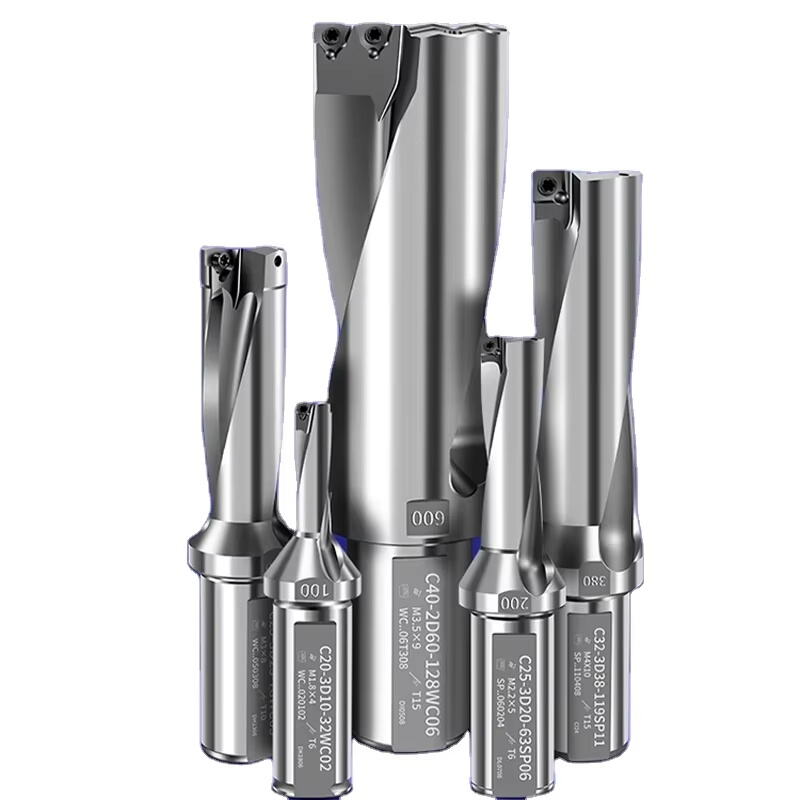
The remarkable versatility of cnc insert technology enables manufacturers to address virtually every material removal challenge with optimized tooling solutions that deliver measurable economic benefits. Turning operations represent the most common application, where cylindrical workpieces rotate against stationary cutting tools equipped with specifically designed inserts for external diameter reduction, facing, grooving, threading, and boring. Each operation demands distinct insert geometries, with turning inserts featuring geometries optimized for continuous cutting, while grooving inserts incorporate narrow profiles that fit into tight spaces. Milling applications employ cnc insert technology in face mills, shoulder mills, and indexable end mills, with insert pockets positioned at precise angles to achieve desired cutting actions. The ability to index or replace individual inserts in a milling cutter means that you maintain productivity even when a single edge fails, simply rotating to a fresh edge rather than discarding an entire expensive cutter body. Drilling operations benefit from indexable drill designs that use specialized cnc insert configurations for the center cutting action and peripheral cutting edges, dramatically reducing the cost per hole compared to solid carbide drills. Threading inserts feature precisely ground tooth forms that generate accurate thread profiles in a single pass or multiple light passes, eliminating the need for expensive thread grinding operations. Parting and cut-off operations utilize narrow inserts with chip breakers designed to handle the challenging conditions of full-width engagement and restricted chip evacuation spaces. The economic proposition of cnc insert tooling extends beyond the immediate cost savings of indexability to encompass inventory rationalization, where standardized insert sizes and grades fit multiple tool holder styles across different machine types. This standardization reduces the total number of unique items your facility must stock while ensuring that the right tool remains available when needed. Predictable tool life enables accurate cost accounting, allowing estimators to precisely calculate tooling costs per part for accurate quotation and profitability analysis. The rapid tool change capability of cnc insert systems reduces setup times when switching between jobs, improving overall equipment effectiveness and enabling smaller batch sizes that support just-in-time manufacturing philosophies. Training costs decrease because the systematic approach to insert selection and application can be documented in clear procedures that new machinists quickly master, reducing the reliance on tribal knowledge and experienced workers.
cnc insert-0
cnc insert-1

Get a Free Quote

Our representative will contact you soon.
Email
Mobile
Name
Company Name
Message
0/1000