Contact me immediately if you encounter problems!

All Categories

carbide tip inserts

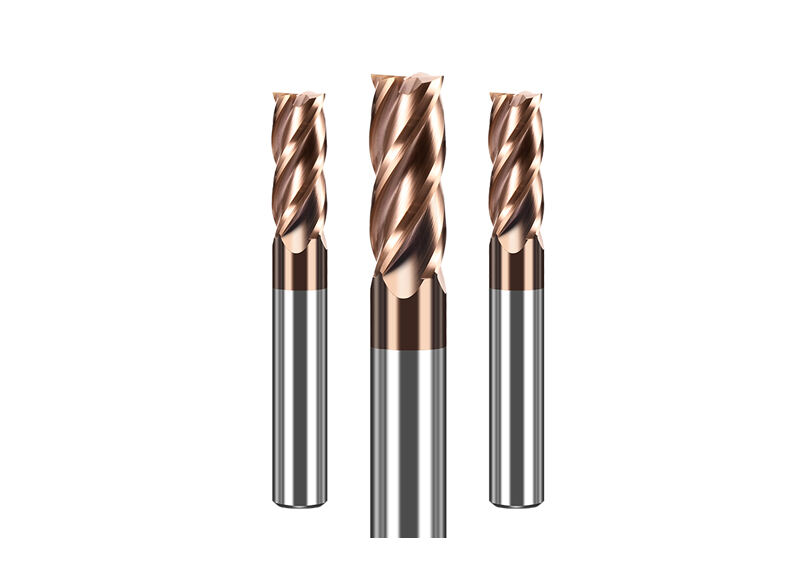
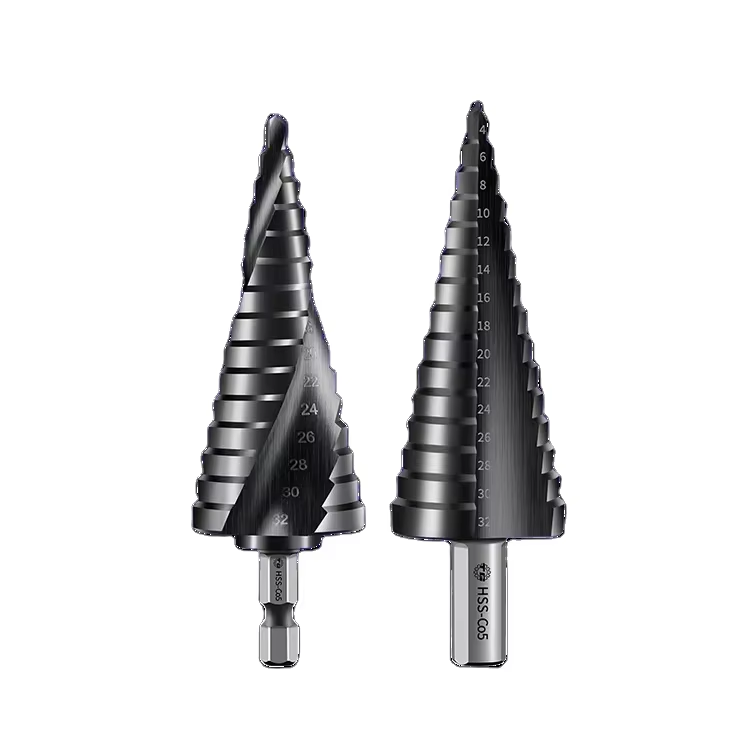
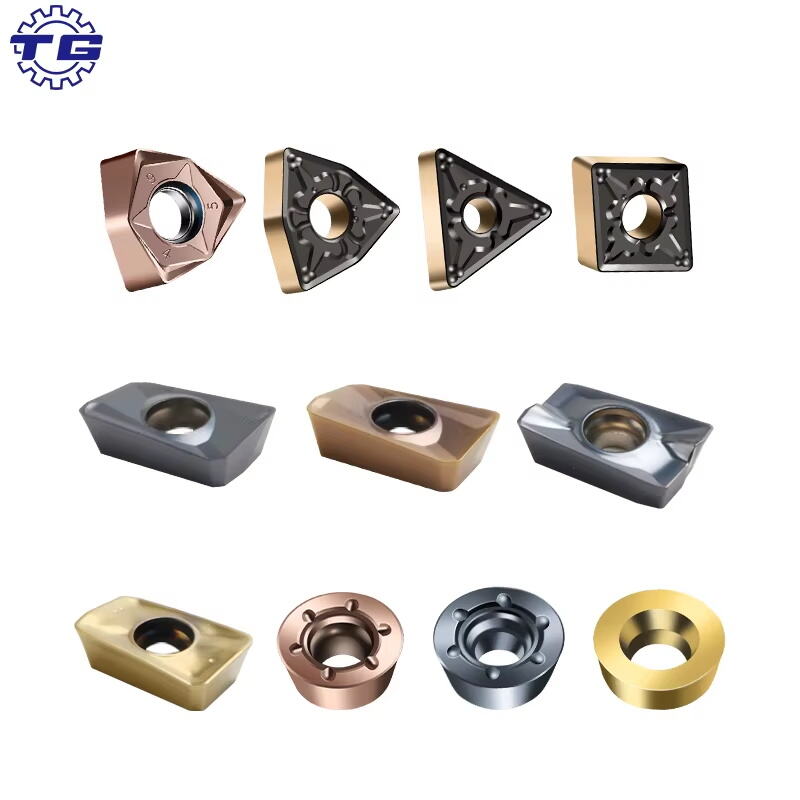
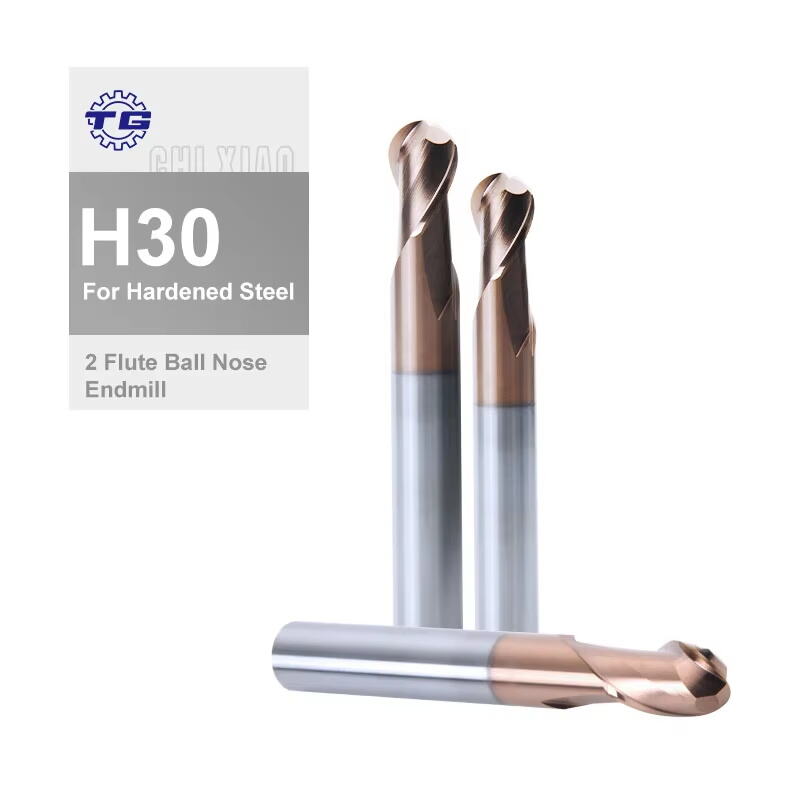
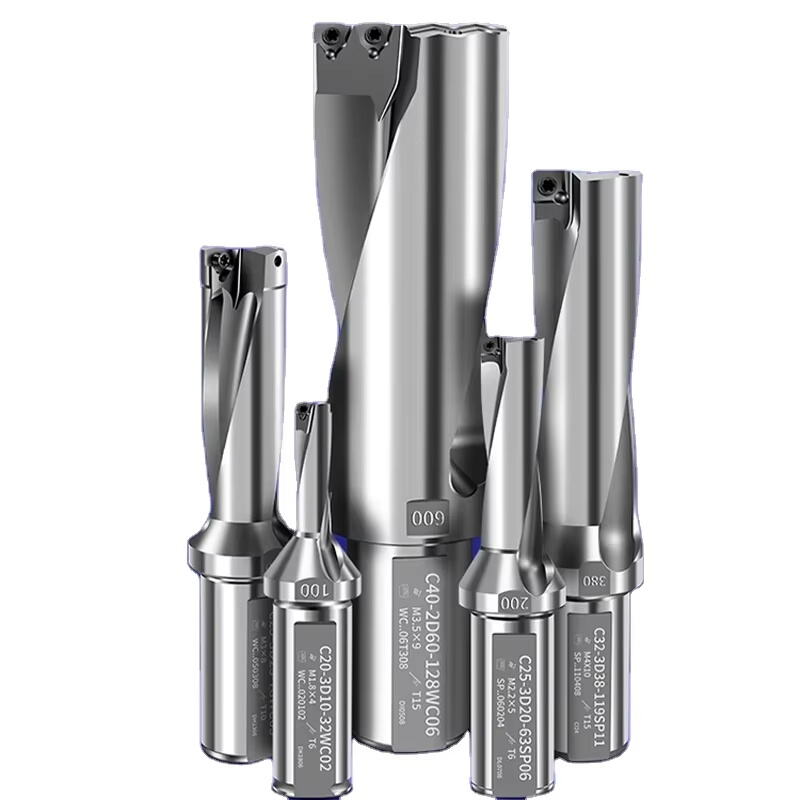
Carbide tip inserts represent a revolutionary advancement in cutting tool technology, designed to deliver exceptional performance across diverse machining operations. These precision-engineered components feature a carbide cutting edge brazed or mechanically attached to a steel body, combining the superior hardness and wear resistance of carbide with the toughness and cost-effectiveness of steel. The main functions of carbide tip inserts include efficiently removing material from workpieces, creating precise dimensions and surface finishes, and maintaining cutting performance over extended production runs. Technologically, these inserts utilize tungsten carbide compounds that exhibit remarkable hardness ratings, often exceeding 90 HRA on the Rockwell scale, enabling them to withstand extreme cutting forces and elevated temperatures generated during high-speed machining. The manufacturing process involves powder metallurgy techniques where tungsten carbide particles are combined with cobalt or nickel binders, then sintered at temperatures exceeding 1400 degrees Celsius to create a dense, homogeneous structure. Modern carbide tip inserts incorporate advanced geometries including optimized rake angles, clearance angles, and chip breaker designs that enhance chip evacuation and reduce cutting forces. Applications span numerous industries including automotive manufacturing, aerospace component production, general metalworking, woodworking operations, and mining equipment maintenance. These inserts excel in turning operations, milling processes, drilling applications, and boring tasks across materials ranging from soft aluminum alloys to hardened steels and cast iron. The versatility of carbide tip inserts makes them indispensable for both high-volume production environments and precision job shops where dimensional accuracy and surface quality are paramount. Their ability to maintain sharp cutting edges significantly longer than conventional high-speed steel tools translates to reduced downtime for tool changes, improved productivity, and lower overall machining costs for manufacturers seeking competitive advantages in today's demanding marketplace.


New Product Recommendations

Choosing carbide tip inserts for your machining operations delivers tangible benefits that directly impact your bottom line and production efficiency. First and foremost, these cutting tools offer dramatically extended tool life compared to traditional alternatives, often lasting five to twenty times longer than high-speed steel equivalents. This longevity means fewer interruptions to your production schedule for tool changes, allowing your operators to focus on running parts rather than constantly replacing worn tools. The superior wear resistance translates into consistent part quality throughout the tool's lifespan, reducing scrap rates and rework costs that eat into profit margins. Another significant advantage lies in the ability to run at higher cutting speeds without compromising tool integrity. Carbide tip inserts maintain their hardness even at elevated temperatures, enabling faster material removal rates that shorten cycle times and increase throughput. This speed advantage becomes particularly valuable in competitive manufacturing environments where delivery times make the difference between winning and losing contracts. The exceptional hardness of these inserts also permits machining of difficult materials that would quickly destroy softer cutting tools, expanding your capabilities to accept more diverse work and serve broader customer needs. From a cost perspective, while the initial investment in carbide tip inserts may exceed that of conventional tools, the total cost of ownership proves substantially lower when factoring in replacement frequency, machine downtime, and labor costs associated with frequent tool changes. The improved surface finishes achievable with properly selected carbide tip inserts often eliminate secondary finishing operations, further reducing production costs and lead times. These inserts maintain dimensional accuracy over extended cutting periods, ensuring that parts produced at the beginning of a production run match those completed near tool replacement, minimizing variation and improving quality control. The versatility of carbide tip inserts allows a single tool to handle multiple materials and applications, reducing inventory requirements and simplifying tool management systems. Environmental considerations also favor these durable tools, as their extended lifespan generates less waste and reduces the consumption of natural resources required for manufacturing replacement tools. Operators appreciate the predictable performance characteristics that make process planning more reliable and reduce the risk of unexpected tool failures during critical production runs. The combination of speed, longevity, versatility, and reliability makes carbide tip inserts an intelligent investment for operations committed to manufacturing excellence and continuous improvement initiatives.

Tips And Tricks

What is high speed steel and how does it work?

30

Dec

What is high speed steel and how does it work?

High speed steel represents one of the most significant innovations in metallurgy and machining technology. This specialized alloy has revolutionized manufacturing processes across countless industries, enabling precision cutting operations at speeds...
View More
Which drill bit type works best for concrete projects?

30

Dec

Which drill bit type works best for concrete projects?

Selecting the right drill bit for concrete projects can make the difference between a successful installation and a frustrating experience filled with broken tools and damaged materials. Concrete drilling requires specialized equipment designed to ha...
View More
Why Do Milling Cutters Break and How to Prevent It?

10

Feb

Why Do Milling Cutters Break and How to Prevent It?

Manufacturing precision relies heavily on the performance and reliability of cutting tools, with the milling cutter serving as one of the most critical components in modern machining operations. Despite their robust design and engineering excellence,...
View More
Why Advanced Holemaking Methods Improve Product Quality

31

Mar

Why Advanced Holemaking Methods Improve Product Quality

Manufacturing precision directly correlates with product quality, and nowhere is this relationship more evident than in holemaking operations. Advanced holemaking methods represent a significant evolution from traditional drilling techniques, offerin...
View More

Get a Free Quote

Our representative will contact you soon.
Email
Mobile
Name
Company Name
Message
0/1000

carbide tip inserts

Unmatched Durability That Reduces Operating Costs

Unmatched Durability That Reduces Operating Costs

The exceptional durability of carbide tip inserts stands as their most compelling attribute, fundamentally transforming how manufacturers approach production planning and cost management. Unlike conventional cutting materials that degrade rapidly under the mechanical stresses and thermal loads of modern machining, carbide tip inserts maintain their structural integrity and cutting performance across thousands of machining cycles. This remarkable endurance stems from the unique molecular structure of tungsten carbide, where extremely hard carbide particles are bound together in a tough metallic matrix that resists both abrasive wear and thermal degradation. In practical terms, this durability means a single carbide tip insert can complete production runs that would consume multiple conventional tools, dramatically reducing the frequency of tool changes that interrupt production flow. Manufacturing managers appreciate how this extended tool life simplifies production scheduling, as operators spend more time cutting parts and less time changing tools, measuring offsets, and verifying first-piece quality after each tool change. The financial implications prove equally significant, as the reduced consumption of cutting tools directly lowers tooling budgets while simultaneously decreasing labor costs associated with tool management activities. Furthermore, the consistent performance throughout the tool's extended lifespan ensures that parts produced early in the tool's life match the dimensional accuracy and surface finish of those produced near the end, reducing variation and improving overall process capability indices. This consistency proves particularly valuable in industries with stringent quality requirements where maintaining tight tolerances is non-negotiable. The durability advantage extends beyond simple wear resistance to include resistance to chipping and breakage, as the carefully engineered composition and manufacturing processes create inserts that withstand interrupted cuts and challenging machining conditions that would fracture lesser tools. Maintenance personnel value the predictability of tool wear patterns, enabling more accurate forecasting of replacement needs and preventing unexpected tool failures that can damage workpieces and delay production schedules. The environmental benefits of this durability should not be overlooked, as longer-lasting tools reduce manufacturing waste and decrease the energy consumption associated with producing, transporting, and disposing of cutting tools, aligning with corporate sustainability initiatives and environmental responsibility goals.
Superior Heat Resistance Enabling Faster Production

Superior Heat Resistance Enabling Faster Production

The remarkable heat resistance of carbide tip inserts unlocks performance capabilities that fundamentally change the economics of machining operations by enabling significantly faster cutting speeds without sacrificing tool life or part quality. During metal cutting operations, the intense friction between the tool and workpiece generates substantial heat, with temperatures at the cutting edge often exceeding 1000 degrees Celsius in demanding applications. Traditional cutting materials soften at these elevated temperatures, rapidly losing their hardness and ability to maintain a sharp cutting edge, forcing operators to reduce speeds to levels that protect the tool but compromise productivity. Carbide tip inserts demonstrate exceptional hot hardness, retaining their structural integrity and cutting ability at temperatures that would completely destroy high-speed steel tools, effectively removing the thermal constraints that limit machining productivity. This heat resistance derives from the refractory nature of tungsten carbide compounds and the careful selection of binder materials that remain stable at extreme temperatures, creating a cutting tool material that thrives in the harsh thermal environment of high-performance machining. Manufacturers leveraging this thermal advantage can program their machines to run at cutting speeds two to three times faster than conventional tooling permits, dramatically reducing the time required to produce each component and increasing the number of parts completed per shift. The productivity gains translate directly to improved equipment utilization rates, allowing manufacturers to meet increased demand without capital investment in additional machinery, or to produce existing volumes with fewer machines, reducing overhead costs and floor space requirements. Quality benefits accompany the speed advantages, as the maintained sharpness of heat-resistant carbide tip inserts produces superior surface finishes that often eliminate the need for secondary grinding or polishing operations, further reducing production costs and lead times. The ability to run at higher speeds while maintaining or improving surface quality gives manufacturers significant competitive advantages when bidding on contracts where both cost and quality factor into customer decisions. Engineering teams appreciate the flexibility that heat-resistant carbide tip inserts provide in process development, as they can optimize cutting parameters for maximum productivity without constantly worrying about thermal tool failure, enabling more aggressive strategies that fully utilize machine capabilities and reduce cycle times across diverse applications and materials.
Versatile Performance Across Multiple Materials and Applications

Versatile Performance Across Multiple Materials and Applications

The remarkable versatility of carbide tip inserts makes them invaluable assets for manufacturers handling diverse workpieces and machining requirements, eliminating the need for extensive tool inventories while expanding operational capabilities to accept broader work scopes. This adaptability stems from the ability to formulate carbide compositions with varying properties by adjusting the ratio of carbide particles to binder material and incorporating additional elements that modify performance characteristics for specific applications. Manufacturers can select carbide tip inserts optimized for machining soft, gummy materials like aluminum and copper alloys, where sharp edges and specialized geometries prevent material adhesion and built-up edge formation, or choose formulations designed for machining hardened steels and exotic alloys where maximum hardness and abrasion resistance take priority. This material versatility extends throughout the hardness spectrum, enabling a single tool material category to handle everything from free-machining brass to work-hardening stainless steels and abrasive cast irons that challenge even the most robust cutting tools. Beyond material compatibility, carbide tip inserts demonstrate exceptional application versatility, performing effectively in turning operations where continuous cutting generates steady thermal and mechanical loads, as well as in milling applications involving interrupted cuts that subject tools to repeated impact stresses that can fracture brittle materials. Drilling and boring operations benefit from the rigidity and wear resistance of carbide tip inserts, maintaining hole size accuracy and surface finish throughout extended production runs where conventional tools would wear oversized or develop chatter that compromises quality. Manufacturing facilities appreciate how this versatility simplifies tool management and reduces inventory carrying costs, as a carefully selected range of carbide tip inserts can replace dozens of specialized conventional tools, freeing capital tied up in excessive inventory while reducing the warehouse space required for tool storage. Training requirements decrease when operators work with a standardized family of carbide tip inserts rather than navigating complex arrays of application-specific conventional tools, accelerating the development of machining expertise and improving workforce flexibility. The consistent performance characteristics across applications enable manufacturers to develop standardized machining strategies and parameters that operators can confidently apply across diverse jobs, reducing setup times and improving first-piece quality. Small job shops particularly benefit from this versatility, as limited tooling budgets stretch further when invested in adaptable carbide tip inserts that handle the varied work typical of low-volume, high-mix production environments, enabling these operations to compete effectively against larger competitors with more specialized equipment and tooling resources.
carbide tip inserts-0
carbide tip inserts-1

Get a Free Quote

Our representative will contact you soon.
Email
Mobile
Name
Company Name
Message
0/1000