Contact me immediately if you encounter problems!

All Categories

carbide insert for aluminum

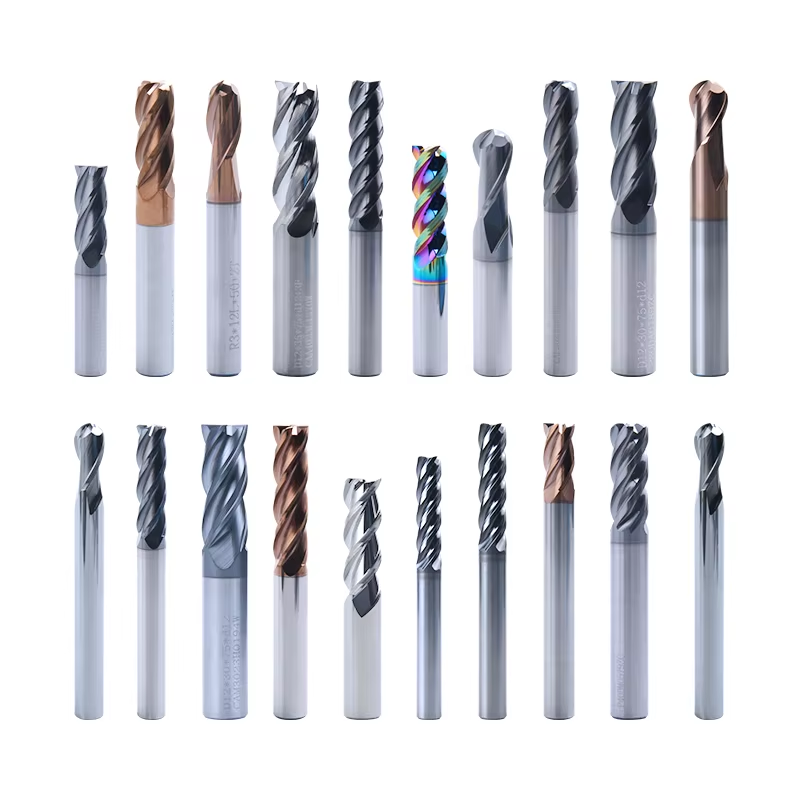
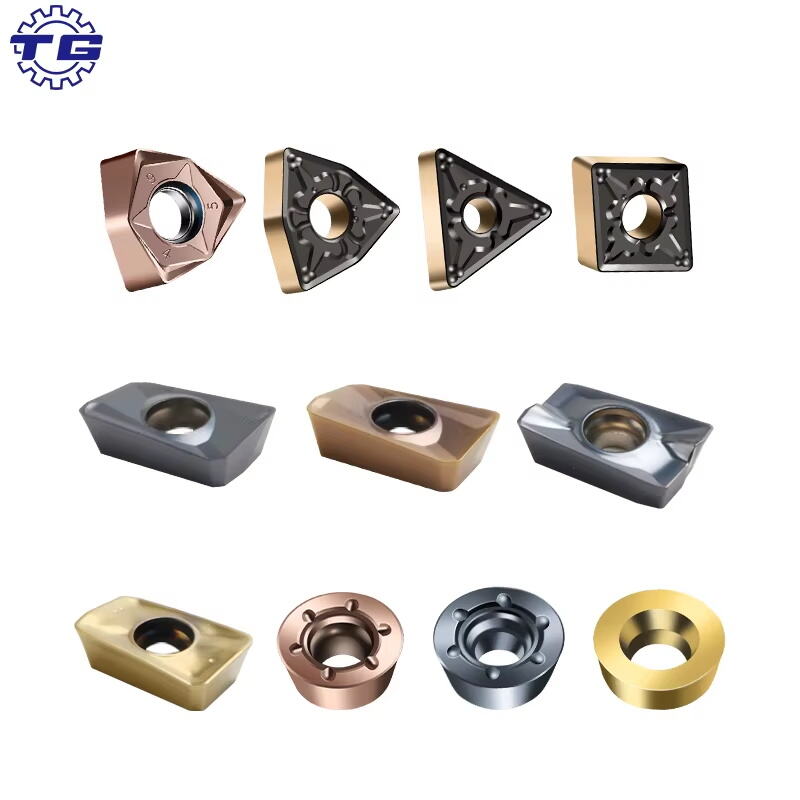
A carbide insert for aluminum represents a specialized cutting tool component engineered specifically to machine aluminum alloys with exceptional precision and efficiency. This cutting insert consists of tungsten carbide material that has been formulated with specific grain sizes and binder compositions optimized for the unique properties of aluminum workpieces. The carbide insert for aluminum serves as the replaceable cutting edge in various machining operations including turning, milling, drilling, and boring applications. Its primary function revolves around removing material from aluminum components while maintaining dimensional accuracy and producing superior surface finishes. The technological foundation of a carbide insert for aluminum incorporates advanced substrate compositions that prevent the problematic built-up edge formation common when machining soft, sticky aluminum materials. Manufacturers design these inserts with polished rake faces and specialized geometries that facilitate smooth chip evacuation, preventing the aluminum from adhering to the cutting edge. The carbide insert for aluminum features carefully engineered edge preparations and coating technologies that reduce friction during the cutting process. Modern versions incorporate diamond coatings or specialized PVD coatings that create an ultra-smooth surface, minimizing aluminum adhesion while extending tool life significantly. These inserts find extensive applications across aerospace manufacturing, automotive component production, electronics housing fabrication, and general aluminum machining workshops. The carbide insert for aluminum addresses the specific challenges presented by aluminum's low melting point, high thermal expansion coefficient, and tendency to weld to cutting tools. Industries processing aluminum extrusions, castings, and wrought aluminum products rely heavily on these specialized inserts to achieve the tight tolerances and excellent surface quality demanded by modern manufacturing standards. The carbide insert for aluminum delivers consistent performance across various aluminum grades, from pure aluminum to high-strength aerospace alloys, making it an indispensable tool in contemporary metalworking operations where aluminum components play increasingly critical roles in lightweighting initiatives and performance optimization strategies.

New Product Recommendations

Choosing a carbide insert for aluminum delivers numerous practical benefits that directly impact your bottom line and production quality. First and foremost, these specialized inserts dramatically increase your cutting speeds compared to general-purpose tools. You can run your machines faster while maintaining complete control over the cutting process, which translates into shorter cycle times and higher throughput. Your production capacity expands without requiring additional equipment investments. The carbide insert for aluminum produces exceptionally smooth surface finishes that often eliminate secondary finishing operations entirely. This means you save time, reduce handling, and lower your overall production costs while delivering parts that meet or exceed customer specifications right off the machine. Your operators will appreciate how these inserts resist the built-up edge problems that plague conventional tools when cutting aluminum. The specialized geometry and coatings prevent aluminum from sticking to the cutting edge, which means fewer interruptions for tool cleaning and more consistent part quality throughout production runs. You experience extended tool life because the carbide insert for aluminum withstands the abrasive nature of aluminum alloys, particularly those containing silicon particles. This durability means you change inserts less frequently, reducing both material costs and machine downtime. Your maintenance schedules become more predictable, and your tool inventory management becomes simpler. The precision of a carbide insert for aluminum helps you hold tighter tolerances consistently. Your scrap rates decrease because parts remain within specification throughout the entire production run. This reliability proves especially valuable when machining complex aerospace or automotive components where dimensional accuracy determines part acceptance. You gain flexibility across different aluminum grades with a single insert design. Whether working with soft pure aluminum or challenging high-silicon alloys, the carbide insert for aluminum adapts to various materials without requiring constant tool changes. This versatility simplifies your tool management and reduces the number of different inserts you need to stock. The improved chip control delivered by these inserts keeps your work area cleaner and safer. Chips evacuate efficiently without forming problematic bird nests or long stringers that create hazards and interfere with machining. Your operators work in better conditions, and your machines remain cleaner with less frequent cleanup required. Environmental benefits emerge through reduced coolant consumption because the efficient cutting action of a carbide insert for aluminum generates less heat. You can often use minimal lubrication or even dry machining techniques, lowering your coolant costs and disposal expenses while supporting sustainability initiatives. The economic impact becomes clear when you calculate total cost per part rather than just insert price, as the carbide insert for aluminum delivers superior value through all these combined advantages.

Practical Tips

How do different drill bit materials affect performance?

30

Dec

How do different drill bit materials affect performance?

Understanding the relationship between drill bit materials and their performance characteristics is crucial for professionals working in manufacturing, construction, and metalworking industries. The material composition of a drill bit directly influe...
View More
How to extend the lifespan of high-speed steel cutting tools?

20

Jan

How to extend the lifespan of high-speed steel cutting tools?

Modern manufacturing industries demand exceptional accuracy and efficiency in their machining operations, making steel precision cutting tools an indispensable component of successful production processes. These specialized instruments represent the ...
View More
When should you use high speed steel cutting tools?

31

Mar

When should you use high speed steel cutting tools?

High speed steel cutting tools have revolutionized modern machining operations since their introduction in the early 1900s. These specialized alloys offer exceptional hardness, wear resistance, and heat tolerance that make them indispensable in vario...
View More
Why Advanced Holemaking Methods Improve Product Quality

31

Mar

Why Advanced Holemaking Methods Improve Product Quality

Manufacturing precision directly correlates with product quality, and nowhere is this relationship more evident than in holemaking operations. Advanced holemaking methods represent a significant evolution from traditional drilling techniques, offerin...
View More

Get a Free Quote

Our representative will contact you soon.
Email
Mobile
Name
Company Name
Message
0/1000

carbide insert for aluminum

Advanced Substrate Technology Engineered for Aluminum Machining Excellence

Advanced Substrate Technology Engineered for Aluminum Machining Excellence

The carbide insert for aluminum incorporates cutting-edge substrate technology specifically formulated to address the unique metallurgical challenges aluminum presents during machining operations. Unlike standard carbide grades designed for steel or cast iron, this specialized substrate features an ultra-fine grain structure combined with precise cobalt binder percentages that create an exceptionally smooth, dense surface. This microscopic structure proves critical because aluminum's soft, ductile nature means it readily adheres to rougher cutting surfaces, creating the dreaded built-up edge that compromises surface finish and dimensional accuracy. The engineering team behind each carbide insert for aluminum carefully balances hardness and toughness properties to achieve optimal performance. The substrate must be hard enough to resist wear from abrasive aluminum alloys containing silicon particles, yet tough enough to withstand interrupted cuts and vibration without chipping or fracturing. This precise balance extends tool life substantially compared to inappropriate tool materials. Manufacturing processes for the carbide insert for aluminum include sophisticated sintering techniques that eliminate porosity and ensure consistent material properties throughout each insert. This consistency means predictable performance across thousands of parts, allowing manufacturers to confidently program aggressive cutting parameters without fear of premature failure. The substrate composition specifically prevents chemical affinity between the cutting edge and aluminum workpiece material. Standard carbides exhibit strong chemical attraction to aluminum at cutting temperatures, promoting adhesion and built-up edge formation. The specialized carbide insert for aluminum formulation includes elements that create a natural barrier against this chemical welding effect. Furthermore, the thermal conductivity properties of this substrate help manage heat generation during high-speed aluminum cutting operations. Efficient heat dissipation prevents thermal softening of the cutting edge while simultaneously reducing thermal distortion in thin-walled aluminum components. Manufacturers conducting extensive research and testing develop these substrate technologies through iterative refinement based on real-world machining data. Each generation of carbide insert for aluminum represents accumulated knowledge about aluminum cutting mechanics, wear mechanisms, and failure modes, translated into material science improvements that deliver measurable performance gains in production environments across diverse aluminum machining applications.
Precision Geometry and Edge Preparation Optimized for Superior Chip Control

Precision Geometry and Edge Preparation Optimized for Superior Chip Control

The geometric design of a carbide insert for aluminum represents a critical differentiator that separates exceptional performance from mediocre results. Engineers develop these geometries through extensive computational modeling and practical testing to address aluminum's specific chip formation characteristics. Aluminum creates continuous, flowing chips that can become problematic if not properly managed, potentially interfering with the cutting process, scratching finished surfaces, or creating safety hazards. The carbide insert for aluminum features specialized rake angles calculated to reduce cutting forces while promoting smooth chip flow away from the workpiece. Positive rake angles are carefully optimized to shear aluminum efficiently without excessive deformation that generates heat and promotes adhesion. These angles vary based on the specific application, with finishing inserts employing different geometries than roughing versions. Chip breaker designs integrated into the carbide insert for aluminum create controlled curl in the flowing aluminum chips, breaking them into manageable segments that evacuate cleanly from the cutting zone. These three-dimensional chip control features are mathematically designed using fluid dynamics principles, treating the plastic flow of aluminum chips similar to fluid flow patterns. The result is consistent chip formation across varying depths of cut and feed rates. Edge preparation receives extraordinary attention in manufacturing the carbide insert for aluminum. The cutting edge undergoes specialized processing to create a micro-geometry that balances sharpness with strength. Too sharp, and the edge chips easily; too blunt, and cutting forces increase while surface finish deteriorates. The optimal edge preparation for the carbide insert for aluminum typically involves precision honing or brushing processes that create a controlled edge radius measured in microns. This edge preparation directly influences the quality of surface finish achievable and the resistance to built-up edge formation. Polished rake faces on the carbide insert for aluminum reduce friction as chips slide across the tool surface. This mirror-like finish minimizes contact area and prevents aluminum particles from finding purchase points where they might begin building up. The polishing extends into the chip breaker valleys, ensuring smooth chip flow throughout the entire chip formation process. Clearance angles are precisely ground to prevent interference between the insert and newly machined aluminum surface while maintaining adequate support behind the cutting edge. These angles must accommodate aluminum's elastic recovery, which causes machined surfaces to spring back slightly after the tool passes. The comprehensive geometric optimization in each carbide insert for aluminum reflects deep understanding of aluminum cutting mechanics and translates directly into superior machining performance.
Specialized Coating Systems That Prevent Aluminum Adhesion and Extend Tool Life

Specialized Coating Systems That Prevent Aluminum Adhesion and Extend Tool Life

The coating technology applied to a carbide insert for aluminum represents the final critical layer of performance enhancement that distinguishes premium tools from standard offerings. These coatings serve multiple simultaneous functions, each contributing to improved machining outcomes. The primary challenge these coatings address involves aluminum's pronounced tendency to adhere to cutting tool surfaces, particularly at the elevated temperatures generated during high-speed machining. A carbide insert for aluminum typically features diamond-like carbon coatings, specialized PVD aluminum oxide coatings, or pure diamond coatings, each offering distinct advantages. Diamond-like carbon provides an ultra-smooth, low-friction surface with minimal chemical affinity to aluminum, effectively creating a non-stick cutting edge that resists built-up edge formation even during demanding operations. The coating thickness on a carbide insert for aluminum is carefully controlled, measured in microns, to provide protection without dulling the precision edge geometry underneath. Too thick, and the edge becomes less sharp; too thin, and the coating wears through prematurely. Manufacturers employ sophisticated deposition processes that ensure uniform coating coverage across all critical surfaces, including complex three-dimensional chip breaker features. These coating systems dramatically reduce the coefficient of friction between the chip and rake face of the carbide insert for aluminum. Lower friction means less heat generation, reduced cutting forces, and diminished tendency for aluminum to weld to the tool surface. This tribological advantage translates into faster cutting speeds, longer tool life, and superior surface finishes on machined components. The chemical stability of coatings used on a carbide insert for aluminum prevents reactive interactions between the tool and workpiece material. At cutting zone temperatures, uncoated carbide can react with aluminum, creating localized welding and accelerated wear. Premium coatings create an inert barrier that maintains separation between substrate and workpiece even under extreme conditions. Coating hardness contributes to wear resistance, particularly when machining aluminum alloys containing abrasive silicon particles. These hard ceramic particles can rapidly abrade unprotected cutting edges, but the hard coating on a carbide insert for aluminum provides a durable shield that extends tool life significantly. Modern coating processes for the carbide insert for aluminum include multiple layers with graduated properties, creating a composite coating system where each layer contributes specific benefits. An adhesion layer bonds tenaciously to the carbide substrate, intermediate layers provide toughness and crack resistance, while the outer layer delivers the critical low-friction, non-stick surface properties. Quality control during coating application ensures consistency from insert to insert, so every carbide insert for aluminum delivers the same reliable performance. Advanced metrology techniques verify coating thickness, adhesion strength, and surface properties, guaranteeing that each tool meets rigorous specifications before reaching customers who depend on consistent, predictable machining results.

carbide insert for aluminum-0
carbide insert for aluminum-1

Get a Free Quote

Our representative will contact you soon.
Email
Mobile
Name
Company Name
Message
0/1000