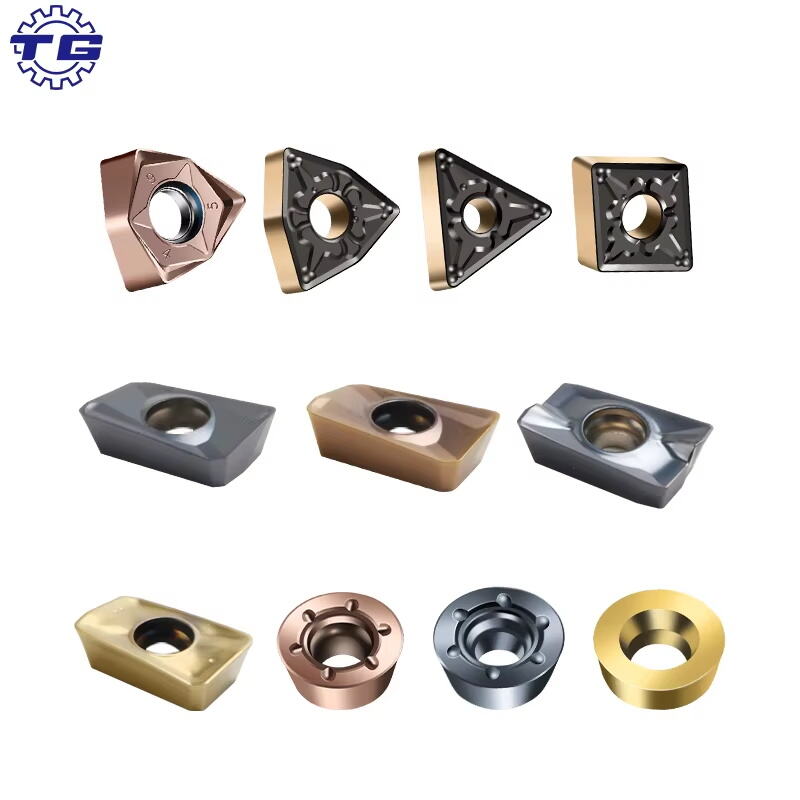
carbide milling cutter
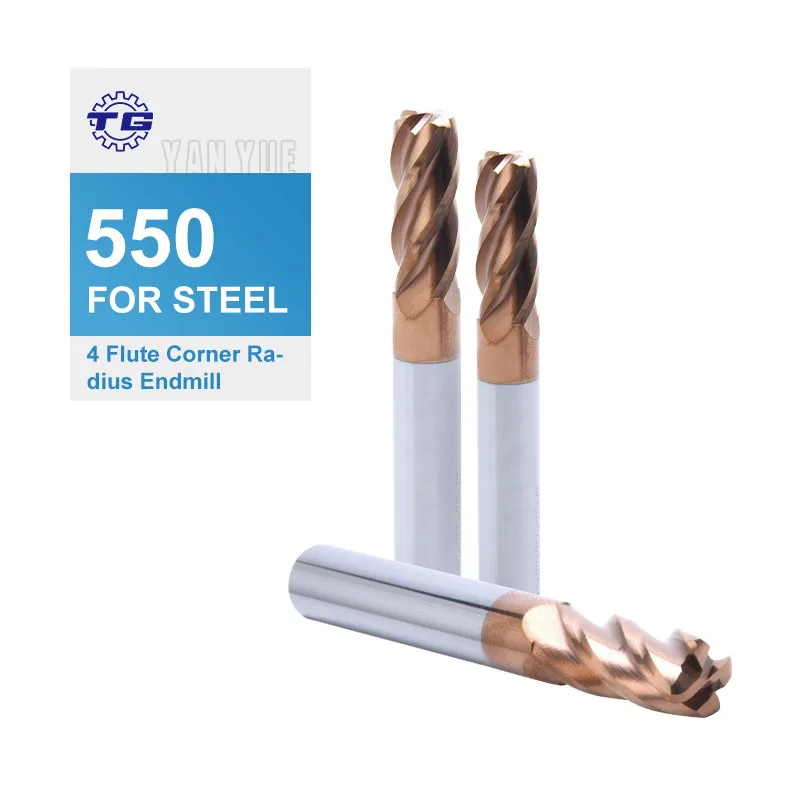
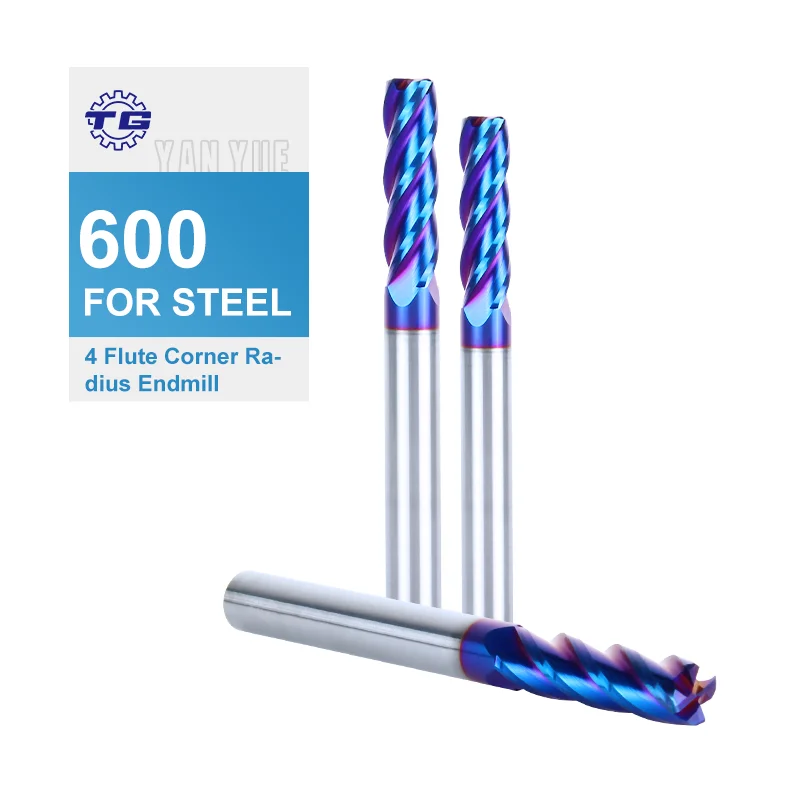
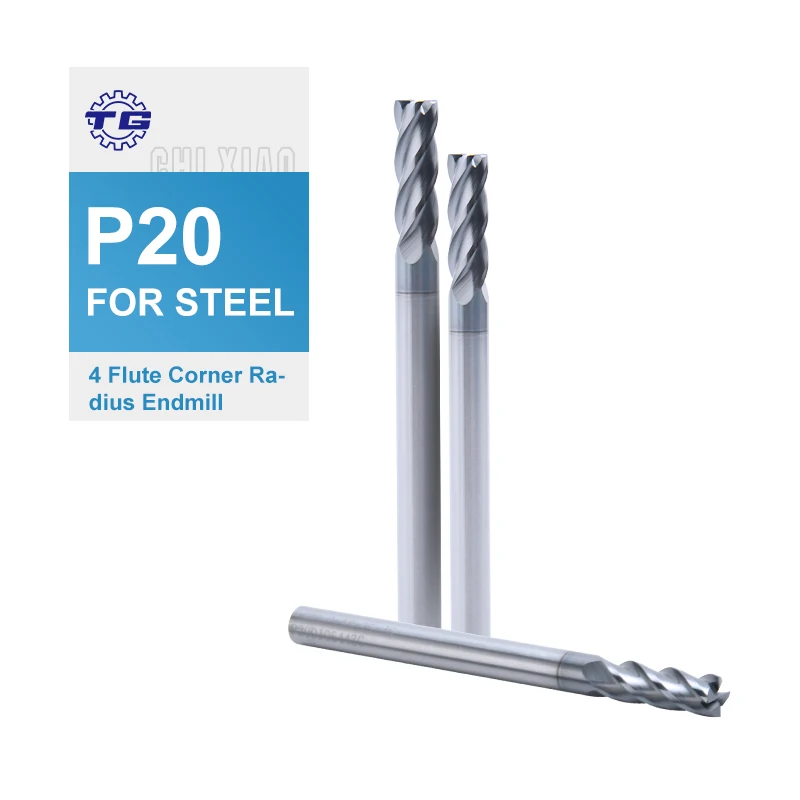
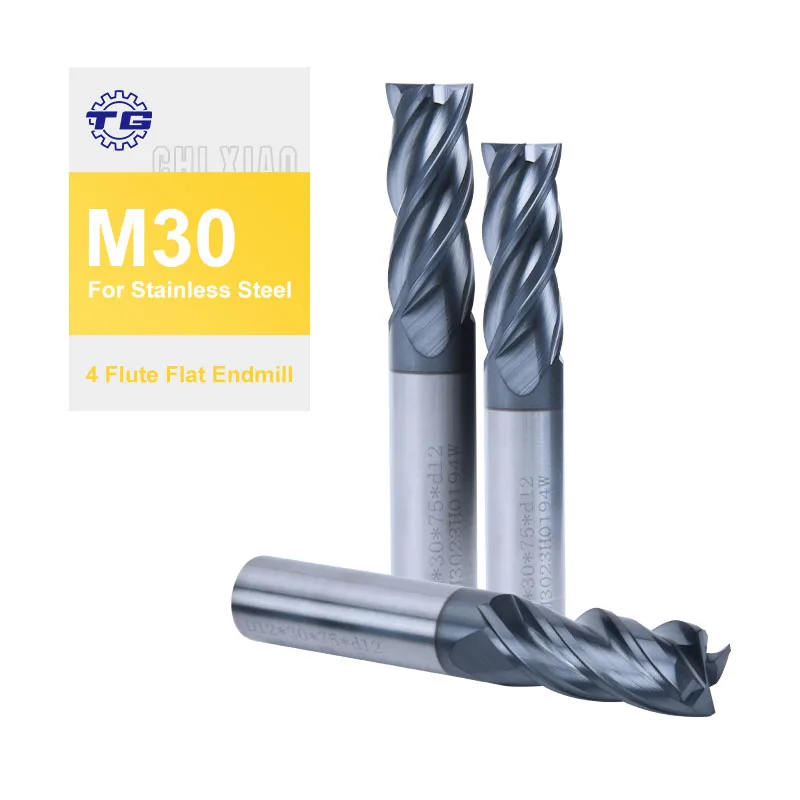
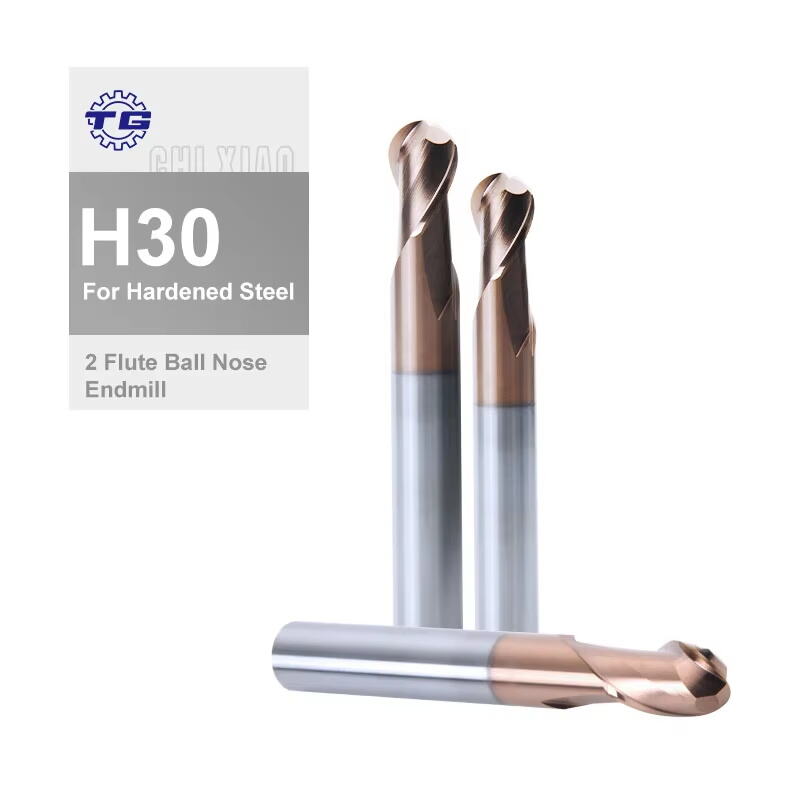
A carbide milling cutter represents a precision cutting tool engineered for machining operations across diverse manufacturing environments. This essential workshop instrument utilizes tungsten carbide material, renowned for its exceptional hardness and thermal resistance properties. The carbide milling cutter functions by removing material from workpieces through rotational cutting actions, creating precise dimensions and surface finishes on metals, composites, and other materials. Manufacturing professionals rely on these tools for operations including face milling, slot cutting, contouring, and profiling tasks. The technological foundation of carbide milling cutters stems from advanced metallurgy, where tungsten carbide particles bond with cobalt binders through sintering processes, producing cutting edges that maintain sharpness under extreme temperatures and pressures. Modern carbide milling cutter designs incorporate optimized geometries, including rake angles, helix configurations, and flute patterns that enhance chip evacuation while minimizing cutting forces. These tools demonstrate superior performance characteristics compared to traditional high-speed steel alternatives, particularly when processing hardened materials or maintaining extended production runs. Applications span automotive component fabrication, aerospace part manufacturing, die and mold production, general machining workshops, and precision engineering facilities. The carbide milling cutter adapts to various machining centers, from conventional vertical mills to sophisticated multi-axis CNC equipment. Tool manufacturers offer extensive selections encompassing end mills, face mills, ball nose cutters, and specialized profile designs, each optimized for specific applications. Coating technologies further enhance carbide milling cutter performance, with titanium nitride, titanium carbonitride, and aluminum titanium nitride layers providing additional wear resistance and reduced friction. The selection of appropriate carbide grades, ranging from fine-grain compositions for finishing operations to tougher grades for roughing applications, enables manufacturers to optimize productivity and cost-effectiveness across diverse machining challenges.

 EN
EN