Comprehensive Grade Selection for Optimized Material Compatibility
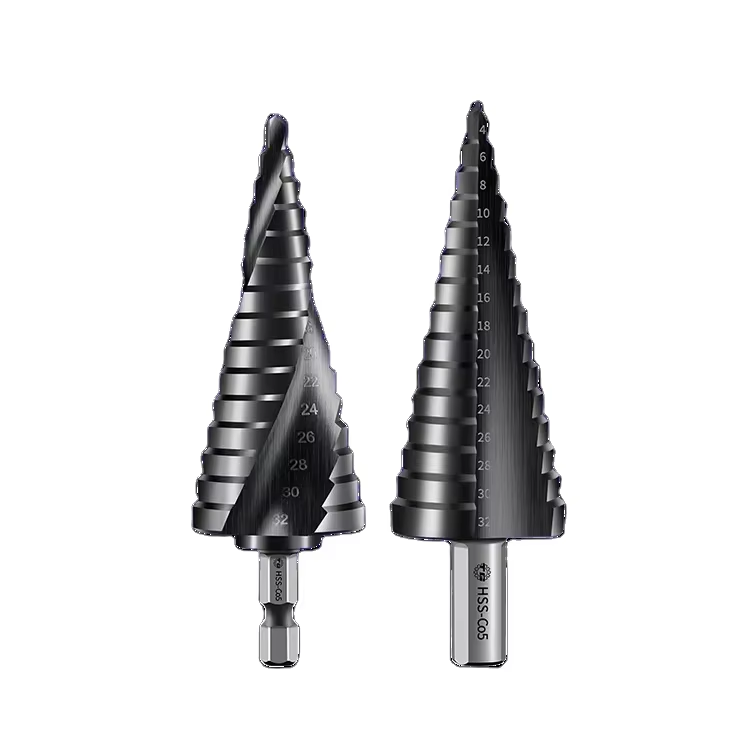
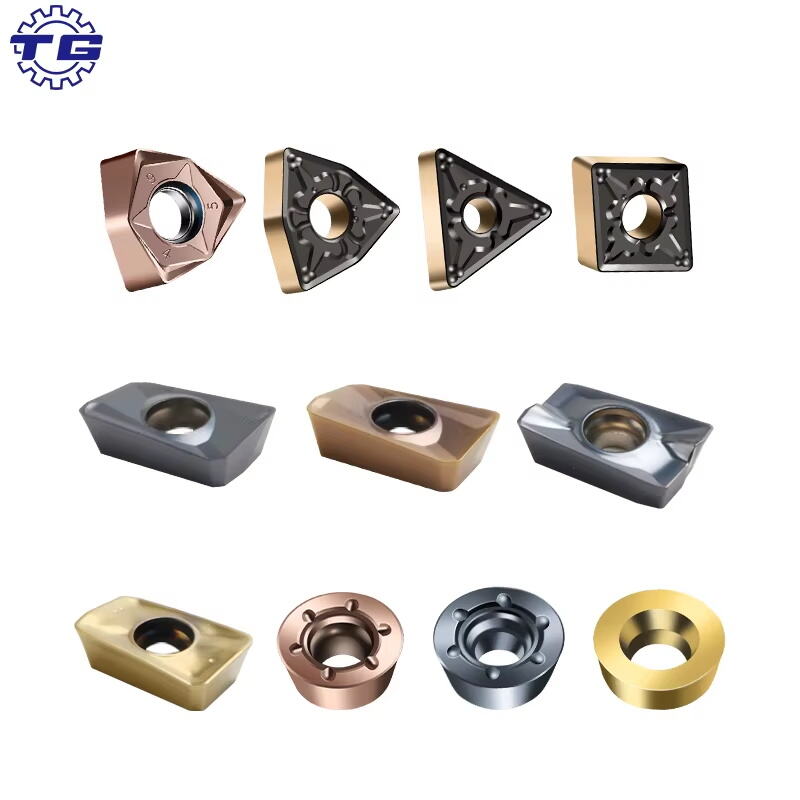
The extensive variety of carbide grades available in lathe insert form empowers you to match cutting tool properties precisely to your specific workpiece materials and machining conditions. Carbide grades differ in their composition ratios of tungsten carbide to metallic binder, the type of binder metal used, the carbide grain size, and the addition of other carbides like titanium carbide or tantalum carbide. These compositional variations create a spectrum of properties ranging from extremely hard and wear-resistant grades to tougher, more shock-resistant formulations. Understanding this grade selection enables you to optimize tool life and machining productivity. Harder carbide grades contain less binder metal and finer carbide grains, providing exceptional abrasion resistance for machining cast iron, hardened steels, and abrasive non-ferrous alloys at high cutting speeds. These grades maintain sharp cutting edges through extended cutting periods, delivering consistent dimensional accuracy and superior surface finishes. However, their increased hardness comes with reduced toughness, making them less suitable for interrupted cutting operations or unstable machining conditions. Tougher carbide grades incorporate higher binder content and coarser grain structures, absorbing impact forces without fracturing when cutting edges enter and exit the workpiece repeatedly. You would select these grades for roughing operations, machining with interrupted cuts, or when working with older machines that may vibrate during cutting. The international ISO classification system organizes carbide grades into color-coded categories based on the material groups they machine most effectively. The P group, marked in blue, addresses long-chipping steel materials and includes grades optimized for various steel machining conditions. The M group, indicated by yellow, covers stainless steels, which present unique challenges due to their work-hardening characteristics and tendency to generate high cutting temperatures. The K group, designated by red, specializes in cast iron, non-ferrous materials, and non-metallic materials. The S group handles heat-resistant super alloys and titanium, while the H group addresses hardened steels above 45 HRC. Within each group, numerical subcategories refine the selection further, with lower numbers indicating harder, more wear-resistant grades for finishing operations at higher speeds, and higher numbers representing tougher grades for roughing at lower speeds with higher feed rates. Coated carbide lathe inserts add another dimension to grade selection, with various coating materials and structures addressing specific performance requirements. Coatings increase effective hardness at the cutting edge, reduce friction, provide thermal barriers, and prevent chemical reactions between the chip and insert substrate. By carefully selecting carbide lathe insert grades that align with your workpiece materials, cutting parameters, and machining conditions, you maximize tool life, improve part quality, and reduce overall manufacturing costs through optimized performance.

 EN
EN