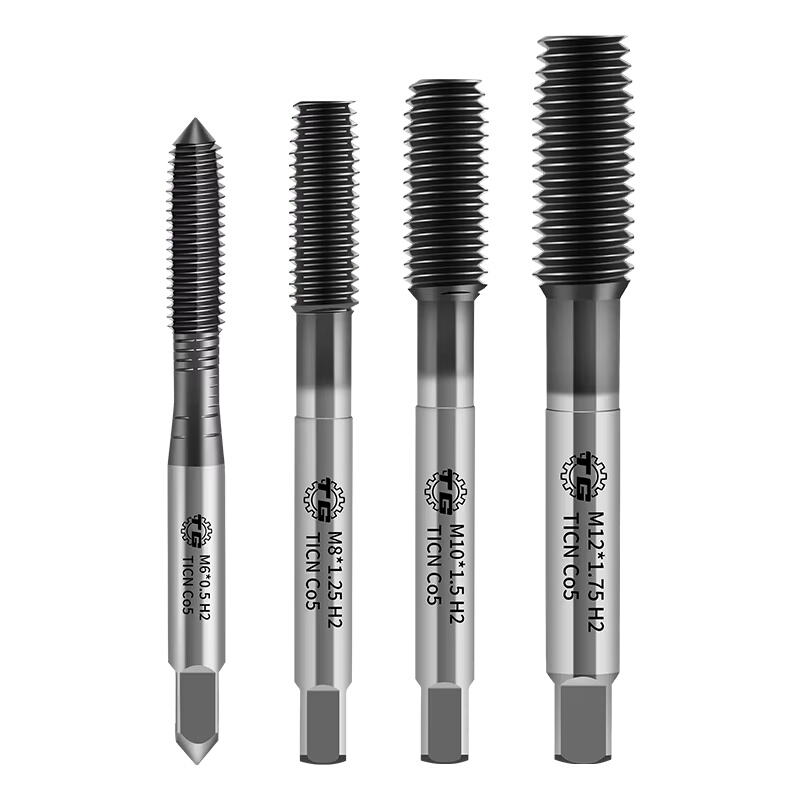
carbide cutting tools
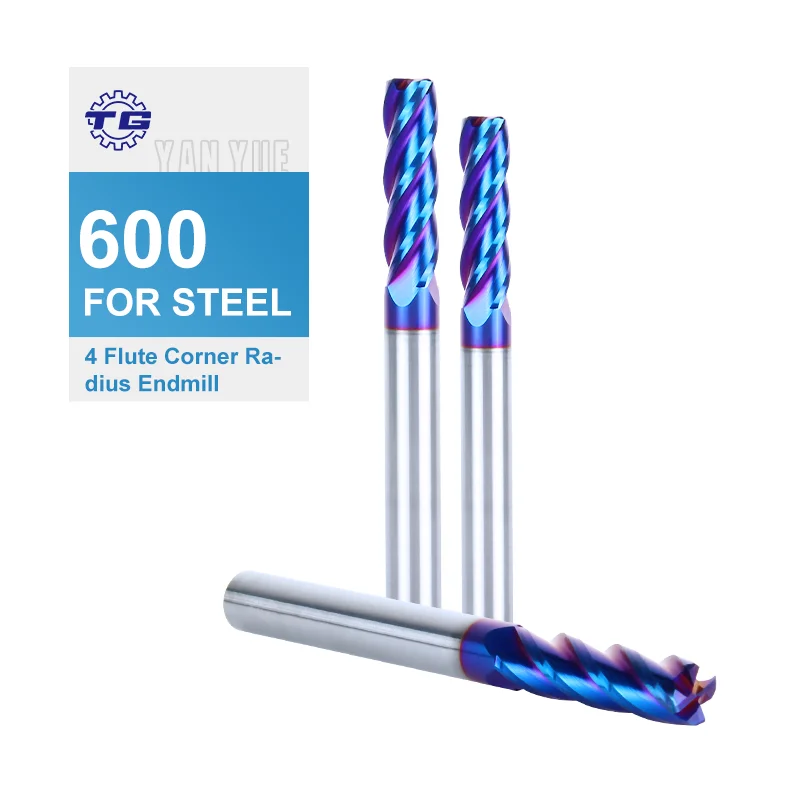
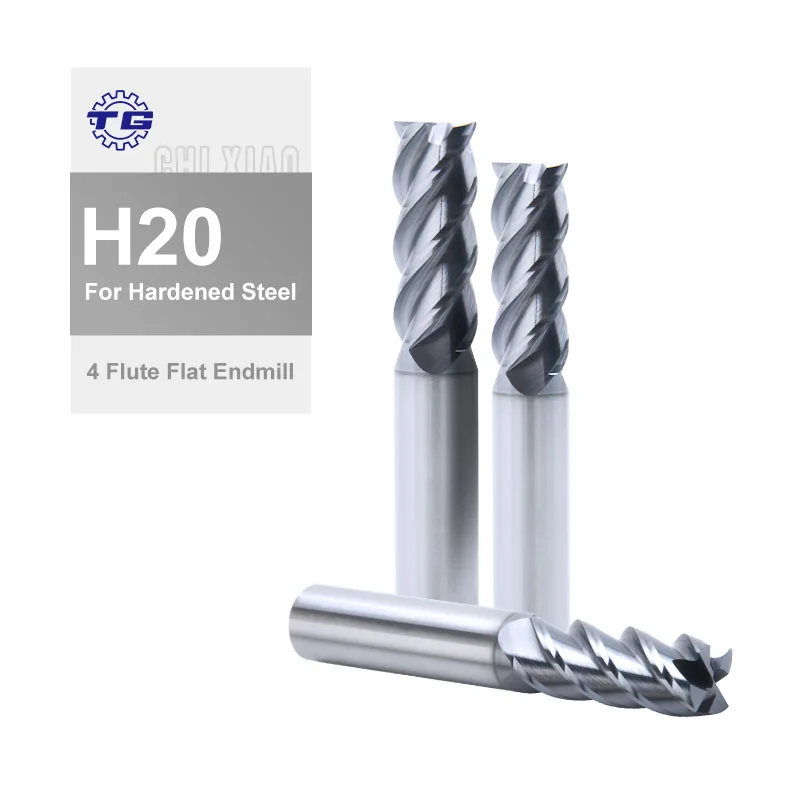
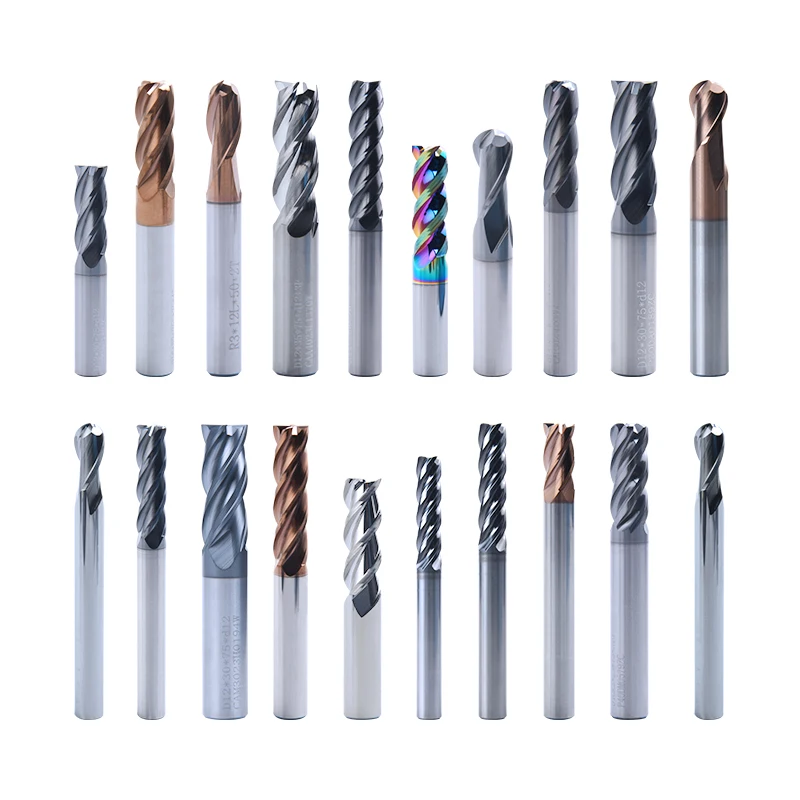
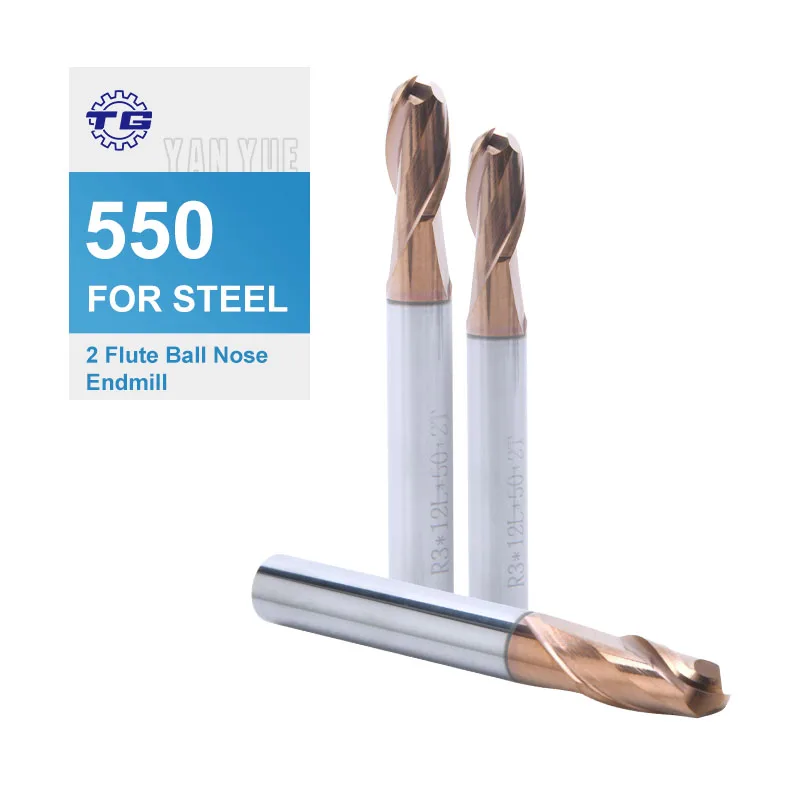
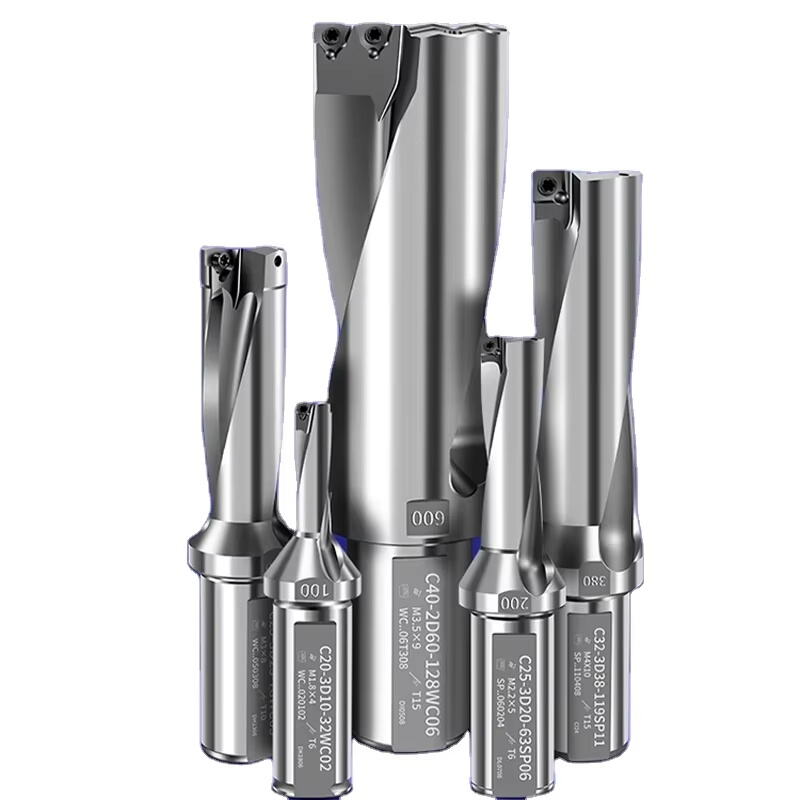
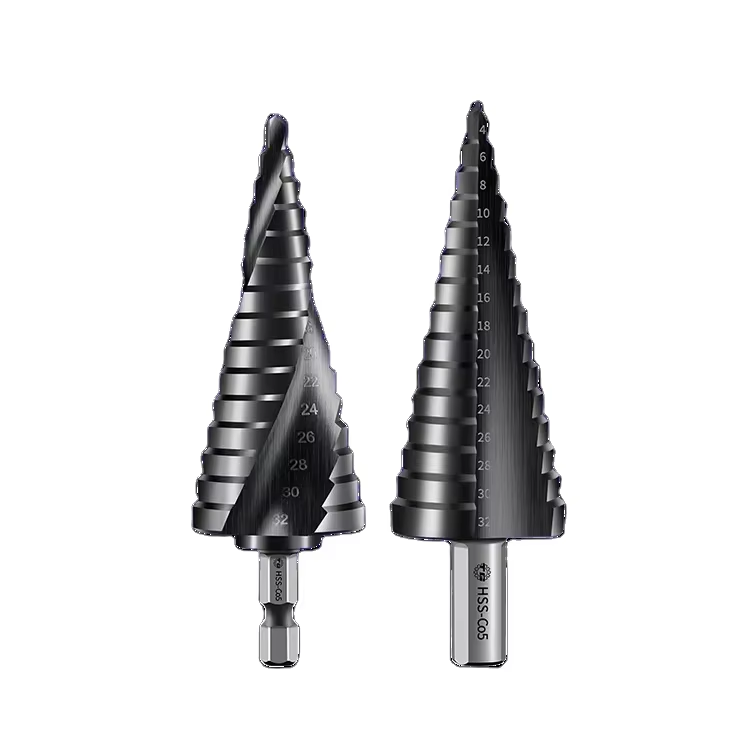
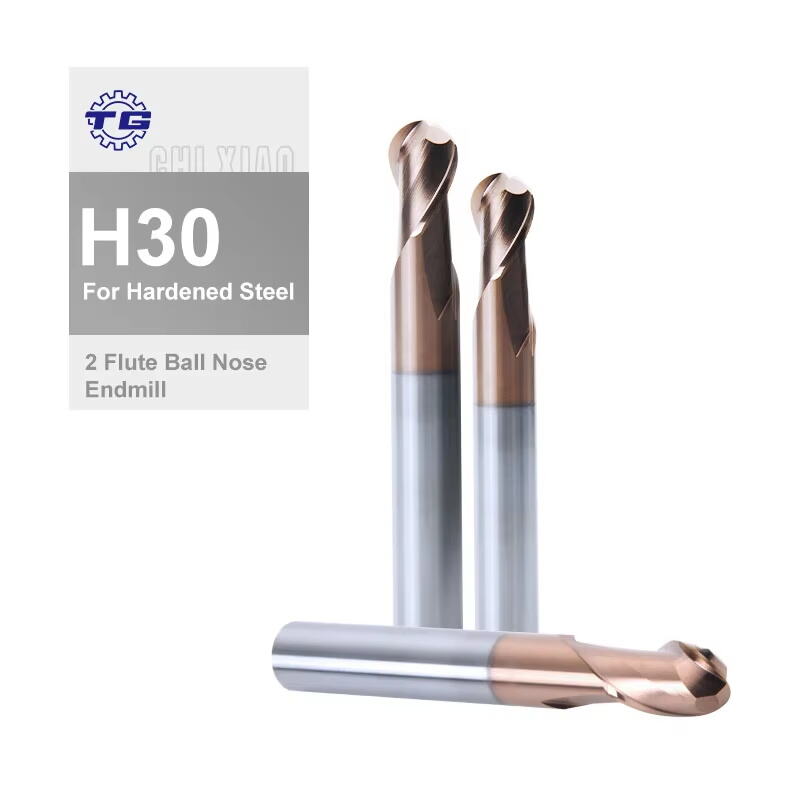
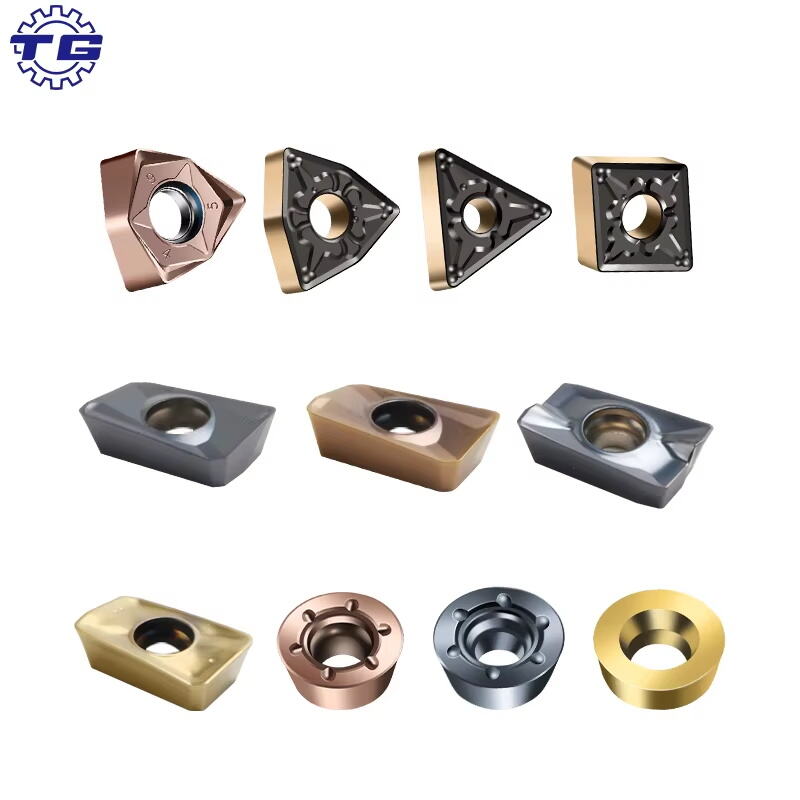
Carbide cutting tools represent a revolutionary advancement in modern machining and manufacturing processes, offering exceptional performance characteristics that have transformed industrial production worldwide. These precision-engineered implements are manufactured from tungsten carbide, a remarkably hard compound created by combining tungsten and carbon atoms at extremely high temperatures. The resulting material exhibits hardness levels second only to diamond, making carbide cutting tools indispensable for metalworking operations across diverse industries. The main functions of carbide cutting tools encompass turning, milling, drilling, boring, threading, and grooving operations on various materials including steel, stainless steel, cast iron, aluminum alloys, titanium, and exotic superalloys. Their technological features include superior wear resistance, excellent heat resistance up to 1000 degrees Celsius, and the ability to maintain sharp cutting edges under demanding conditions. Modern carbide cutting tools incorporate advanced coatings such as titanium nitride, titanium carbonitride, and aluminum oxide, which further enhance performance by reducing friction and increasing tool life. The microstructure of these tools consists of hard carbide particles bonded together with metallic cobalt, creating a composite material that balances hardness with toughness. Applications span automotive manufacturing, aerospace component production, medical device fabrication, oil and gas equipment manufacturing, and general engineering workshops. These tools enable manufacturers to achieve tight tolerances, superior surface finishes, and consistent part quality while operating at higher cutting speeds than traditional high-speed steel alternatives. The versatility of carbide cutting tools extends from roughing operations that rapidly remove large amounts of material to finishing passes that produce mirror-like surfaces. Their implementation has enabled production facilities to reduce cycle times, minimize tool changes, and achieve substantial cost savings through extended tool life and improved productivity metrics.

 EN
EN