Contact me immediately if you encounter problems!

All Categories

carbide insert drill

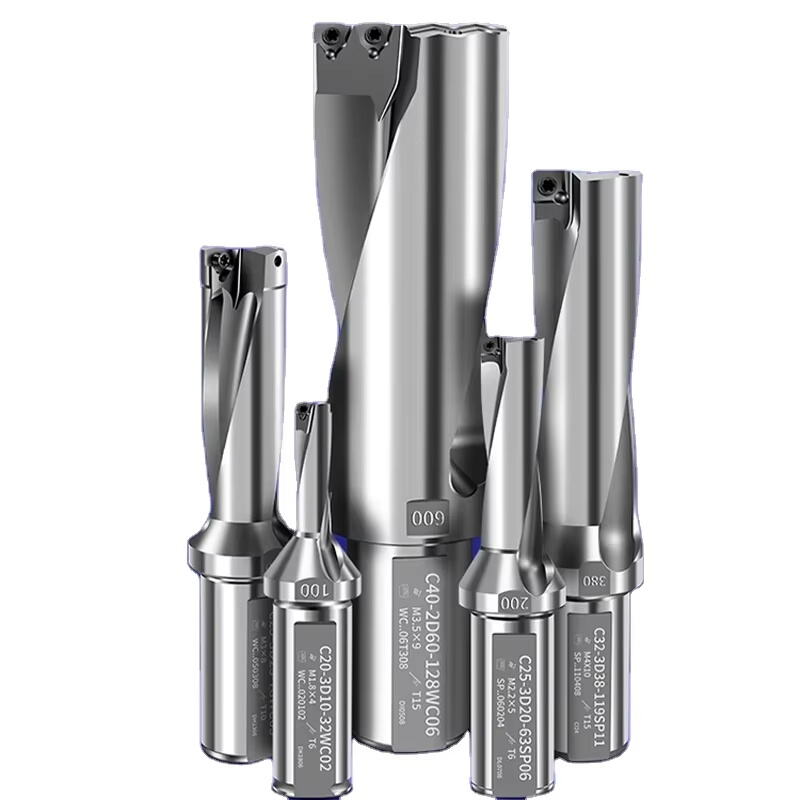
The carbide insert drill represents a revolutionary advancement in metalworking and precision drilling technology. This specialized cutting tool features replaceable carbide inserts that are securely mounted onto a drill body, creating a highly efficient and cost-effective drilling solution. Unlike traditional solid drills, the carbide insert drill allows operators to simply replace worn inserts rather than discarding the entire tool, making it an economically smart choice for manufacturing facilities and machine shops. The main functions of this innovative tool include creating precise holes in various materials, from soft aluminum to hardened steel, while maintaining exceptional dimensional accuracy and surface finish quality. Technological features include advanced carbide grades that offer superior wear resistance, specialized geometries designed for chip evacuation, and coolant delivery systems that ensure optimal cutting conditions. The insert design incorporates multiple cutting edges, which means each insert can be indexed or rotated to present a fresh cutting edge, effectively multiplying the tool's lifespan. Applications for the carbide insert drill span numerous industries including aerospace, automotive manufacturing, energy sector operations, general engineering, and mold making. These tools excel in high-volume production environments where consistency and reliability are paramount. The modular design philosophy behind the carbide insert drill provides manufacturers with flexibility to adapt quickly to different materials and hole specifications by simply changing inserts rather than investing in entirely new tooling systems. Modern carbide insert drills incorporate sophisticated coating technologies such as TiAlN, TiCN, and AlCrN that further enhance performance by reducing friction and heat generation during cutting operations, thereby extending tool life and improving productivity metrics across production facilities.

New Products

The carbide insert drill delivers substantial benefits that directly impact your bottom line and operational efficiency. First and foremost, you will experience dramatic cost savings compared to traditional drilling methods. When a cutting edge wears out, you simply replace the small insert rather than throwing away an expensive complete drill. This replacement process takes only minutes, keeping your machines running and your production schedules on track. Your tooling inventory becomes simpler to manage because one drill body can accommodate different insert grades and geometries, giving you versatility without cluttering your tool crib with dozens of specialized drills. Production speed increases significantly because carbide materials allow for much higher cutting speeds than conventional high-speed steel tools. You can drill more holes per shift, meeting tight deadlines and accepting larger orders without adding equipment or overtime hours. The consistency you achieve with a carbide insert drill surpasses other drilling methods because each new insert delivers predictable performance, eliminating the variables that come with resharpening traditional drills. Your quality control becomes easier as hole dimensions remain within tight tolerances batch after batch. Downtime decreases substantially since changing an insert happens at the machine in moments, whereas sending tools out for regrinding means hours or days of waiting. Your operators will appreciate the simplicity of the indexing system, which requires minimal training and reduces the chance of setup errors. Heat resistance inherent in carbide materials means the cutting edge maintains its hardness even under demanding conditions, preventing the softening and rapid wear that plagues lesser materials. You gain environmental advantages too, as the reduced waste from replaceable inserts rather than disposable complete tools aligns with sustainability initiatives many companies now prioritize. The superior chip evacuation designed into modern carbide insert drills prevents chip packing and the subsequent tool breakage that causes scrapped parts and machine damage. Your maintenance costs drop because the drill body itself experiences minimal wear and can last for years with proper care. Surface finish quality improves dramatically, often eliminating secondary operations like reaming or honing, which saves processing time and labor costs. When working with difficult materials like stainless steel, titanium, or hardened alloys, the carbide insert drill performs where other tools simply fail, opening new capabilities for your shop. The predictable tool life allows for better production planning as you can reliably estimate when insert changes will be needed based on actual hole counts rather than guesswork.

Latest News

How does high speed steel differ from carbon steel?

30

Dec

How does high speed steel differ from carbon steel?

Manufacturing and machining industries rely heavily on selecting the right steel type for specific applications, with high speed steel and carbon steel representing two of the most significant categories in industrial tooling. Understanding the funda...
View More
Why Endmills Are Crucial in CNC Milling Operations

28

Feb

Why Endmills Are Crucial in CNC Milling Operations

CNC milling operations form the backbone of modern manufacturing, transforming raw materials into precision components that power industries worldwide. At the heart of these sophisticated machining processes lie endmills, cutting tools that define th...
View More
When should you use high speed steel cutting tools?

31

Mar

When should you use high speed steel cutting tools?

High speed steel cutting tools have revolutionized modern machining operations since their introduction in the early 1900s. These specialized alloys offer exceptional hardness, wear resistance, and heat tolerance that make them indispensable in vario...
View More
What industries rely most on high-speed steel tools?

31

Mar

What industries rely most on high-speed steel tools?

High-speed steel tools have become indispensable across numerous industrial sectors due to their exceptional hardness, heat resistance, and cutting performance. These specialized cutting implements maintain their sharpness and structural integrity ev...
View More

Get a Free Quote

Our representative will contact you soon.
Email
Mobile
Name
Company Name
Message
0/1000

carbide insert drill

Revolutionary Insert Indexing System Maximizes Value

Revolutionary Insert Indexing System Maximizes Value

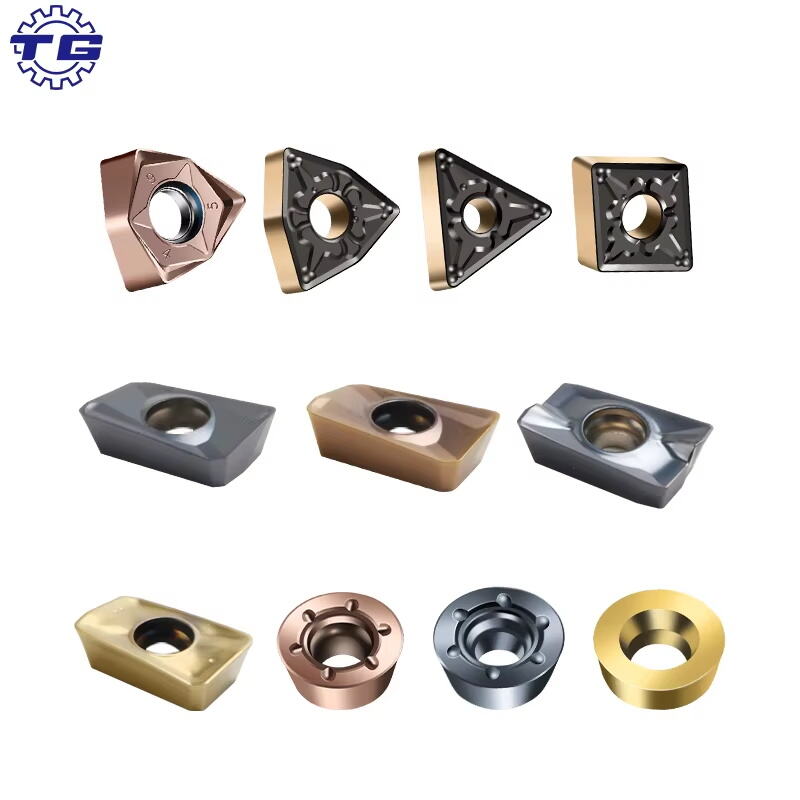
The indexing capability built into every carbide insert drill represents a fundamental shift in how drilling economics work in modern manufacturing environments. Traditional drill bits offer a single cutting edge that once dulled requires complete tool replacement or time-consuming regrinding operations. The carbide insert drill transforms this paradigm by incorporating inserts with multiple cutting edges, typically ranging from two to eight usable edges depending on the insert geometry. When one edge shows signs of wear, operators simply loosen the mounting screw, rotate the insert to present a fresh edge, and resume drilling within minutes. This elegant solution multiplies your tooling investment by the number of available edges, delivering extraordinary value from each insert purchased. The indexing process requires no specialized skills or complex procedures, empowering machine operators to maintain peak productivity without waiting for toolroom support or supervisory intervention. Quality remains absolutely consistent across all indexed positions because manufacturing precision ensures each cutting edge meets identical specifications. Your production planning becomes more predictable as you can calculate exact tool life based on the number of edges multiplied by the expected holes per edge for your specific application. The financial advantages extend beyond the insert itself because the drill body, which represents the larger portion of the initial investment, continues serving reliably through hundreds of insert changes. Companies implementing carbide insert drill technology report tooling cost reductions of forty to sixty percent compared to previous methods, with some applications showing even more dramatic savings. The indexing system also provides strategic flexibility during production runs, allowing quick edge changes during natural breaks in machining cycles rather than forcing unplanned downtime when a tool suddenly fails. Environmental responsibility improves substantially as the waste generated consists of small worn inserts rather than complete large tools, reducing landfill burden and supporting corporate sustainability commitments. The psychological benefit to your workforce should not be underestimated either, as operators appreciate having immediate control over tool condition rather than nursing along marginal cutting edges and risking part rejection or machine damage. Storage and organization become vastly simpler when your tool crib stocks a reasonable variety of insert styles rather than maintaining extensive inventories of complete drills in every conceivable size and specification.
Advanced Carbide Materials Deliver Unmatched Performance

Advanced Carbide Materials Deliver Unmatched Performance

The carbide materials engineered into modern insert drills represent decades of metallurgical research focused on achieving the optimal balance between hardness, toughness, and thermal stability. These advanced materials allow your operation to achieve cutting speeds and feed rates impossible with conventional tooling, directly translating to reduced cycle times and increased throughput. Carbide maintains its cutting edge integrity at temperatures exceeding one thousand degrees Celsius, meaning the tool continues performing effectively even under the intense heat generated during aggressive machining operations. This thermal stability prevents the edge softening and rapid wear that limits high-speed steel tools to much more conservative cutting parameters. The hardness of carbide materials, typically ranging from 1500 to 2000 on the Vickers scale, ensures the cutting edge resists abrasive wear when drilling materials containing hard particles or inclusions that would quickly destroy softer tool materials. Your versatility expands dramatically because different carbide grades are formulated for specific material families, allowing optimization whether you are drilling aluminum, steel, stainless alloys, cast iron, or exotic aerospace materials. Substrate compositions vary from straight tungsten carbide for maximum wear resistance to carefully balanced cobalt-enriched grades that provide the toughness needed when interrupted cuts or challenging conditions exist. Modern coating technologies applied to carbide insert drills add another performance dimension, with multi-layer coatings creating barriers against heat transfer, reducing friction, and preventing chemical reactions between the workpiece and tool. These coatings, applied through physical vapor deposition or chemical vapor deposition processes, typically increase tool life by two to five times compared to uncoated carbide while also enabling higher cutting speeds that boost productivity. The micro-grain carbide structures developed in recent years provide even finer edge definition, supporting the precision required for demanding tolerance applications while maintaining the material strength needed to prevent chipping or fracture. Consistency in carbide manufacturing ensures that replacement inserts perform identically to their predecessors, eliminating the performance variations that complicate production planning with less sophisticated tooling. Your competitive position strengthens when you can accept jobs requiring difficult-to-machine materials that other shops avoid, knowing your carbide insert drills will reliably handle these challenging assignments.
Precision Geometry Optimizes Chip Control and Hole Quality

Precision Geometry Optimizes Chip Control and Hole Quality

The sophisticated geometries engineered into carbide insert drill designs separate professional-grade tooling from basic drilling solutions, delivering measurable improvements in hole quality, tool life, and process reliability. Chip formation and evacuation represent critical factors in drilling success, as chips that are not efficiently removed will pack into flutes, generate excessive heat, and ultimately cause tool failure or workpiece damage. Modern carbide insert drill geometries incorporate specially designed chip breakers, flute profiles, and point angles that work synergistically to form manageable chips and guide them smoothly out of the hole. The chip breaker features molded into insert surfaces control chip curl radius and breaking frequency, preventing the long stringy chips that tangle around tooling and create safety hazards while ensuring chips remain small enough for easy evacuation. Flute design balances the need for chip capacity against maintaining body strength, with advanced computer modeling optimizing these competing requirements for each drill diameter and application category. Point geometry selection allows customization for specific materials, with steeper point angles providing the strength needed for hard materials while shallower angles reduce thrust forces when drilling softer alloys. The margin width and relief angles are precisely calculated to provide adequate support preventing deflection while minimizing rubbing friction that generates heat and accelerates wear. Coolant delivery systems integrated into carbide insert drill bodies ensure cutting fluids reach the cutting zone effectively, providing lubrication, cooling, and chip flushing action that together extend tool life and improve surface finish. Through-coolant capability, where fluid is delivered under pressure directly through the drill body and out ports near the cutting edges, represents the most advanced approach, especially valuable when drilling deep holes where chip evacuation challenges intensify. The self-centering characteristics built into quality carbide insert drill points ensure holes begin accurately without the walking or wandering that creates oversized or mislocated holes requiring rework. Precision grinding of insert pockets within the drill body guarantees each insert seats with exact repeatability, maintaining concentricity and preventing the runout that causes poor hole quality and premature wear. Your inspection reports will show consistent hole dimensions, proper cylindricity, and surface finishes that often eliminate secondary operations, as the stability and precision inherent in well-designed carbide insert drill geometry delivers first-pass quality that satisfies even demanding specifications.

carbide insert drill-0
carbide insert drill-1

Get a Free Quote

Our representative will contact you soon.
Email
Mobile
Name
Company Name
Message
0/1000