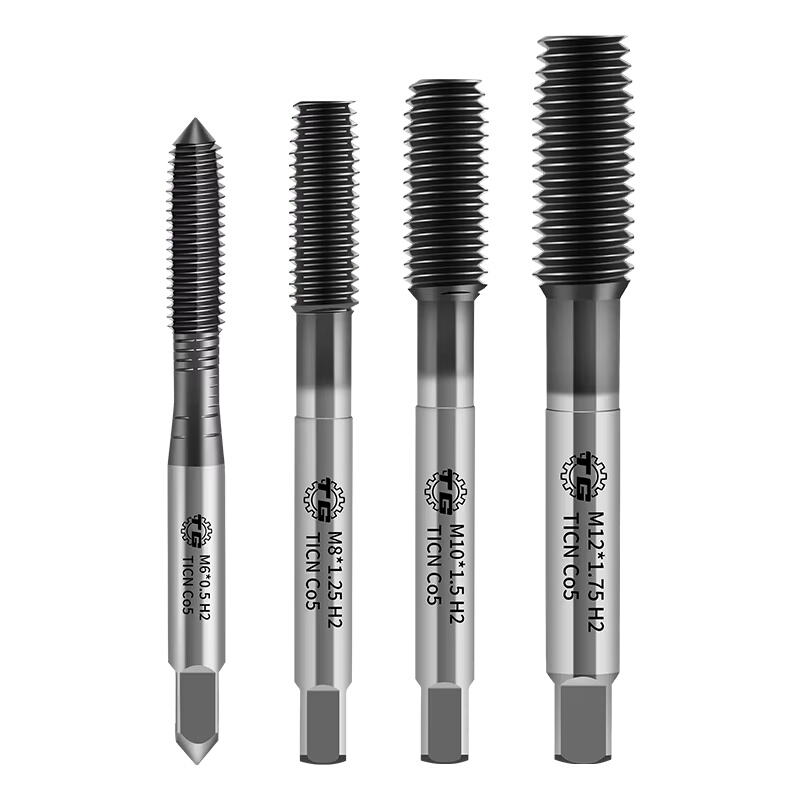
carbide blanks
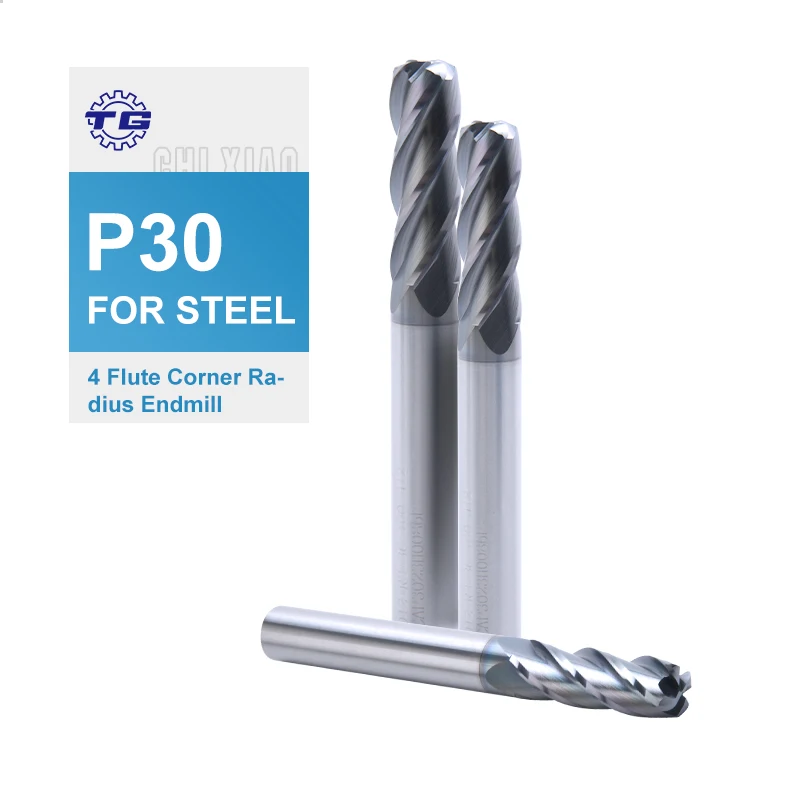
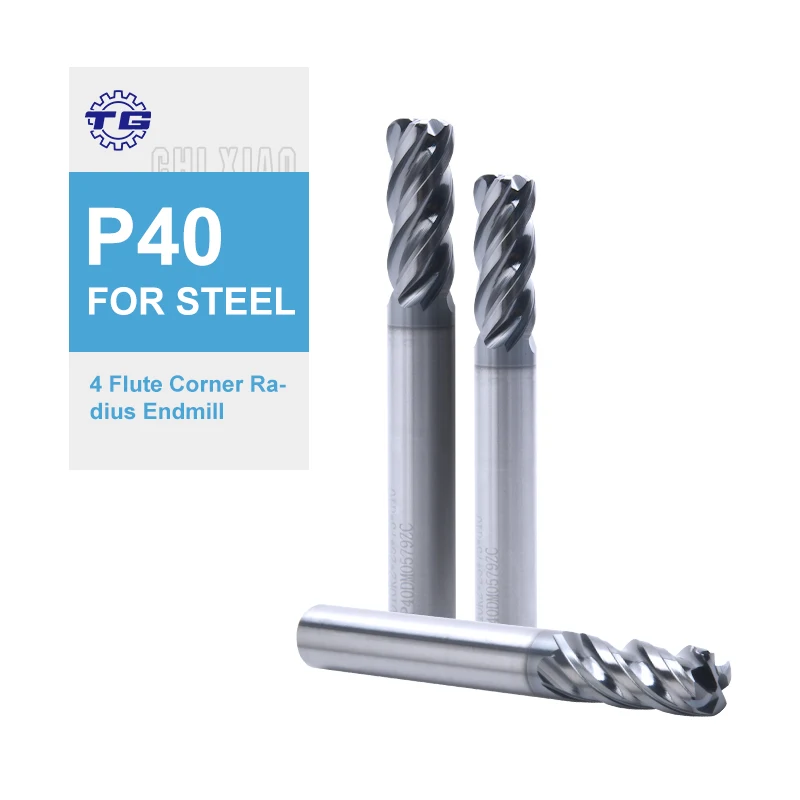
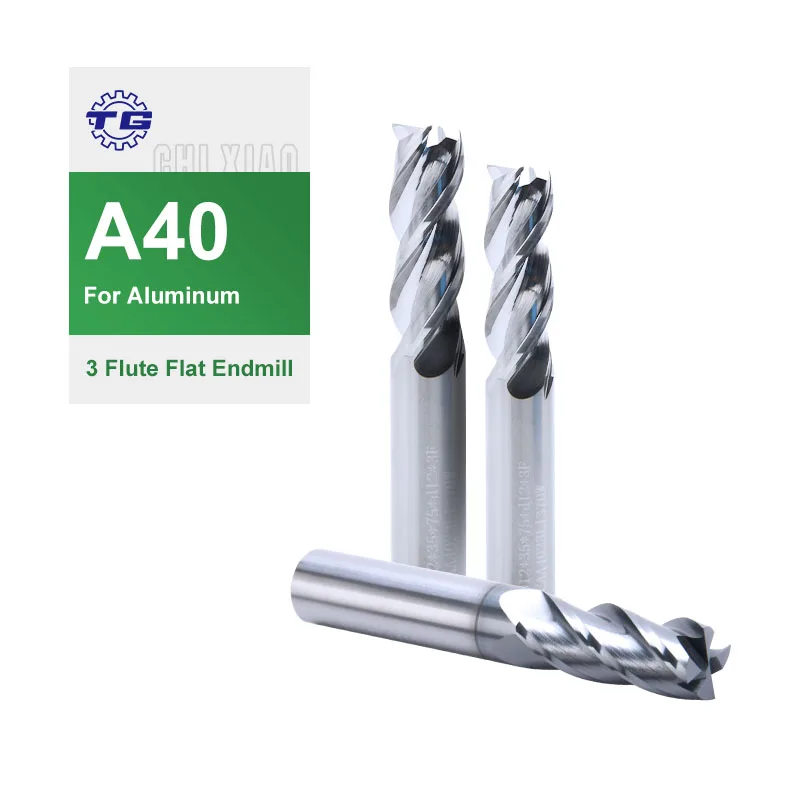
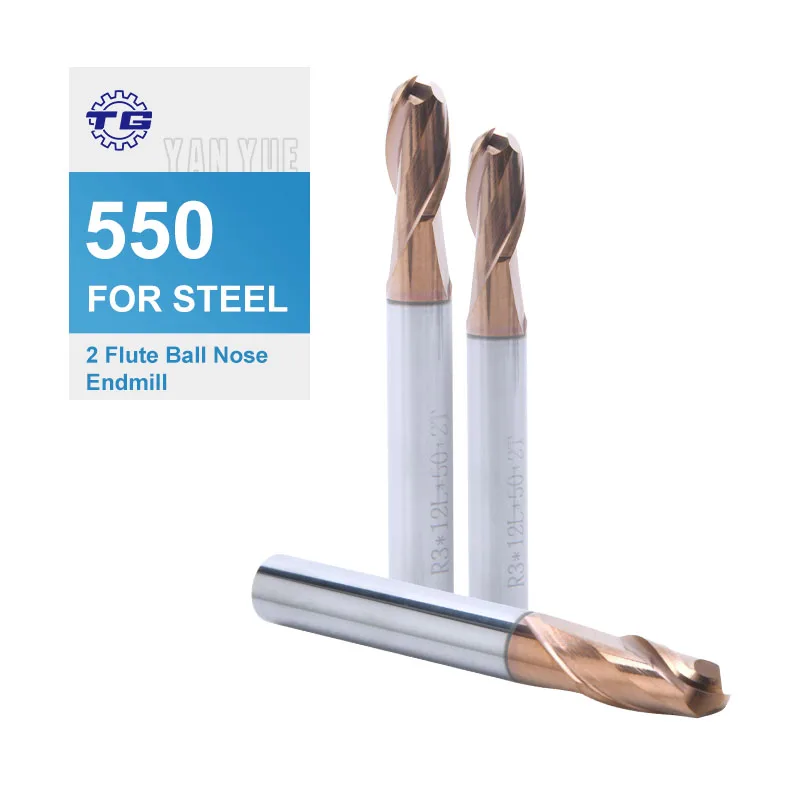
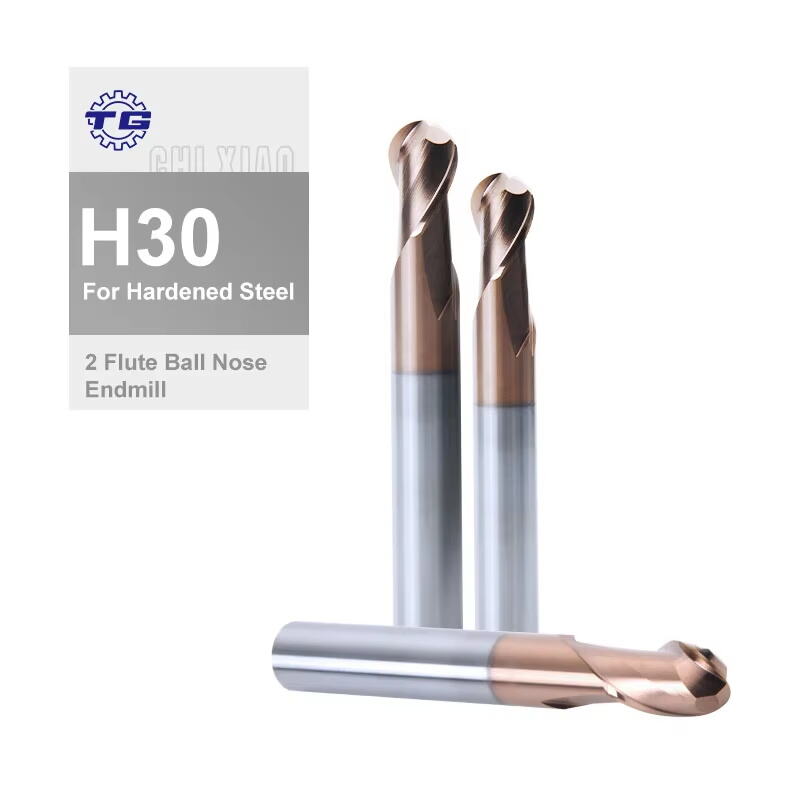
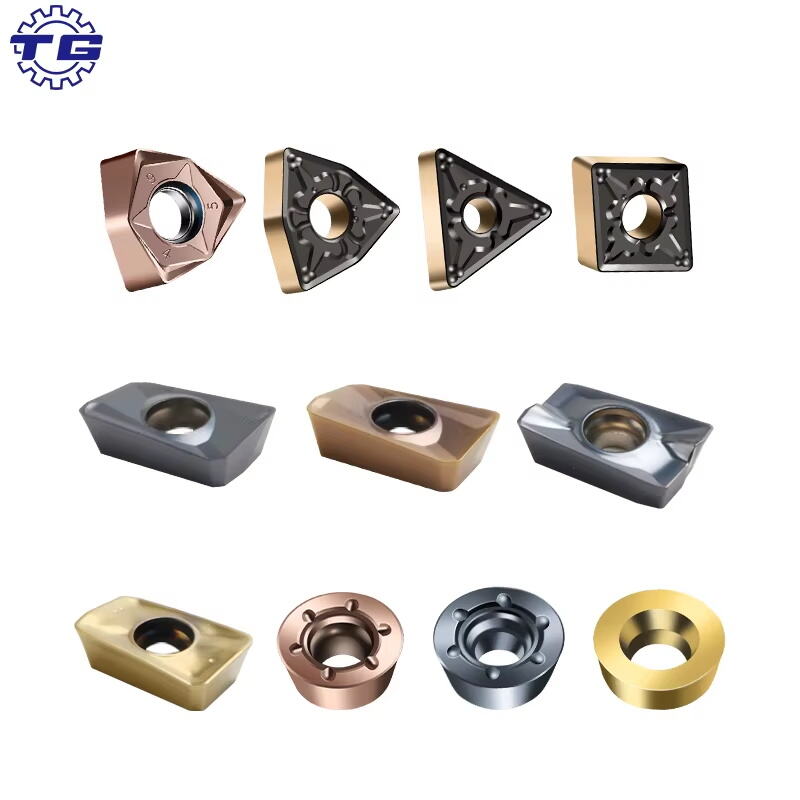
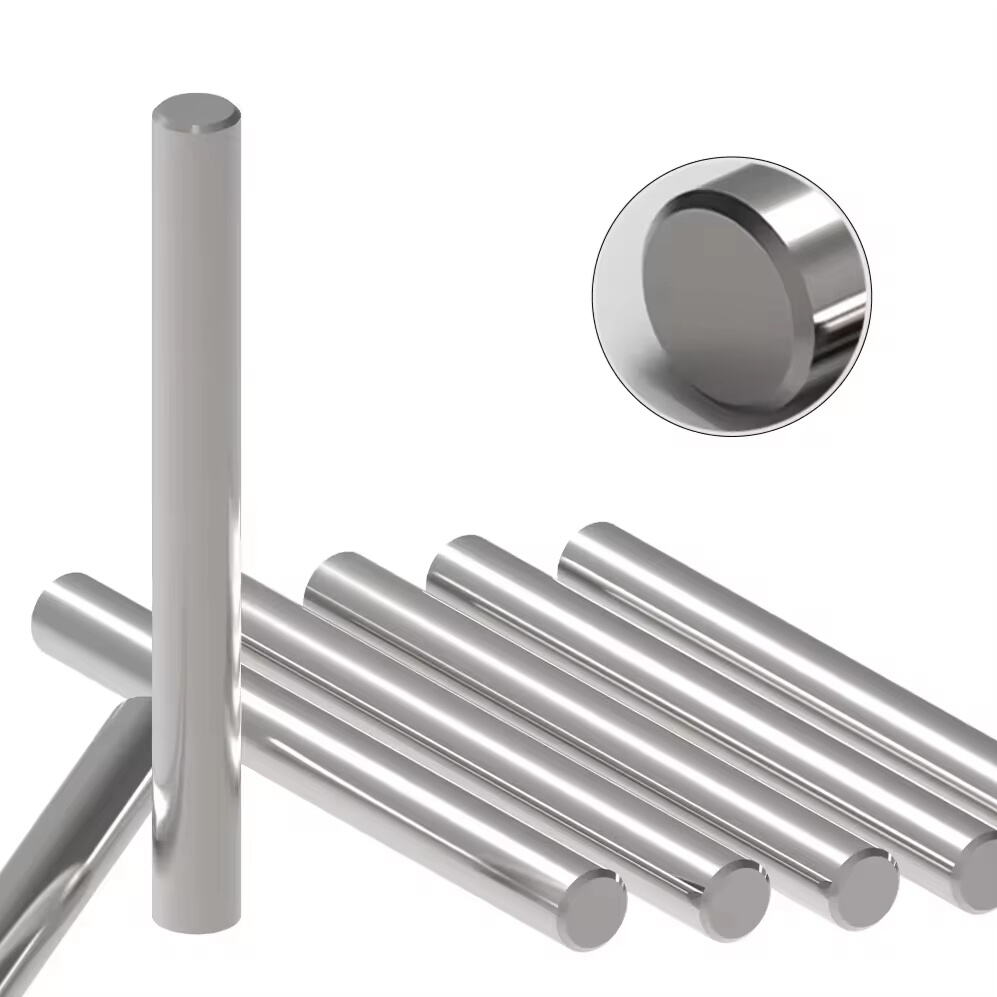
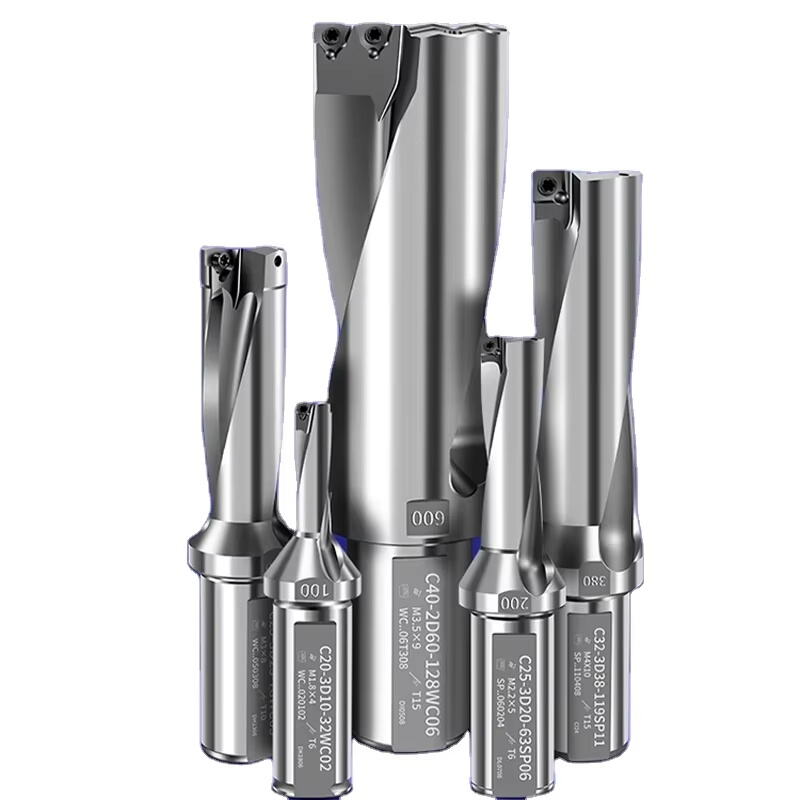
Carbide blanks represent a fundamental component in modern manufacturing and metalworking industries, serving as the foundation for creating precision cutting tools, wear-resistant parts, and specialized industrial components. These solid pieces of cemented carbide material are manufactured through a sophisticated powder metallurgy process that combines tungsten carbide particles with metallic binders, typically cobalt, to create exceptionally hard and durable substrates. The main functions of carbide blanks include providing raw material for tool manufacturers to machine into specific shapes such as end mills, drills, inserts, and custom cutting tools. They serve as the starting point for producing components that require superior hardness, heat resistance, and wear characteristics that conventional steel cannot provide. The technological features of carbide blanks are remarkable, with hardness levels reaching 87-93 HRA on the Rockwell scale, significantly outperforming traditional tool steels. Their composition allows them to maintain structural integrity at temperatures exceeding 800 degrees Celsius, making them ideal for high-speed machining operations. The grain size of the tungsten carbide particles can be precisely controlled during manufacturing, ranging from submicron to several microns, which directly influences the final properties of the blank. Finer grain sizes yield harder materials with better edge retention, while coarser grains provide enhanced toughness for heavy-duty applications. Carbide blanks find extensive applications across numerous industries including aerospace, automotive, medical device manufacturing, electronics, woodworking, and general metalworking. They are essential in producing cutting tools that machine hardened steels, cast iron, non-ferrous metals, composites, and even exotic superalloys. Beyond cutting applications, these blanks are transformed into wear parts such as nozzles, bushings, guides, and punches that operate in abrasive environments. The versatility of carbide blanks stems from their availability in various grades, each formulated with specific carbide-to-binder ratios and grain structures to optimize performance for particular applications, ensuring manufacturers can select the most appropriate material for their specific requirements.

 EN
EN