carbide blanks round
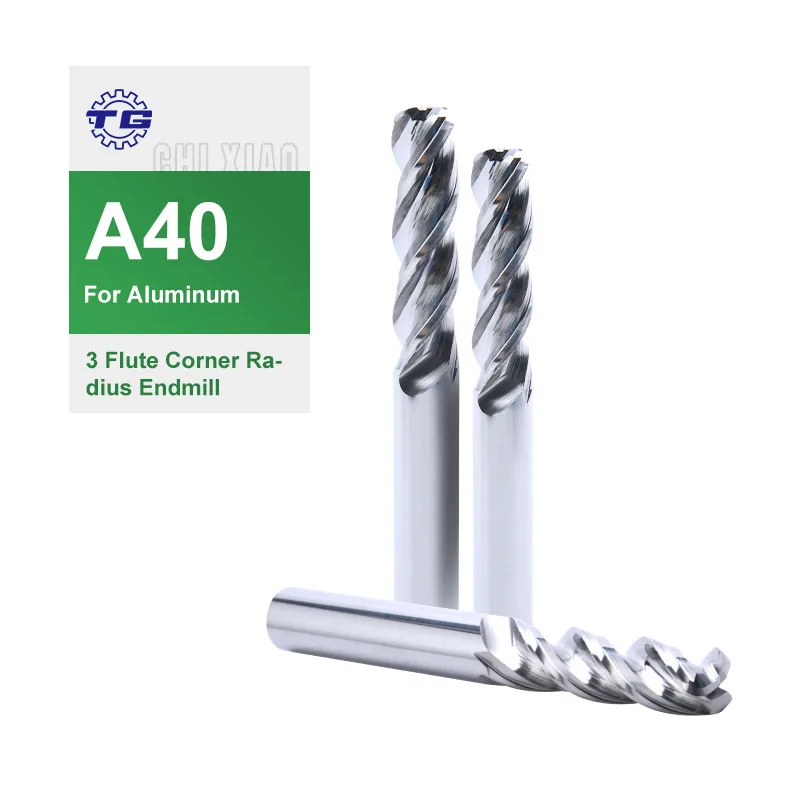
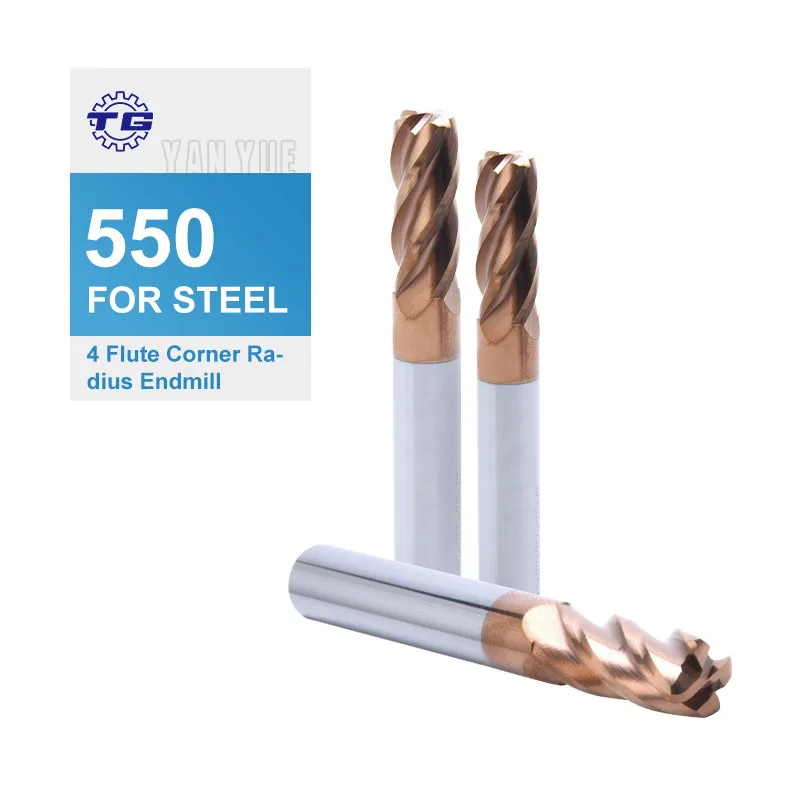
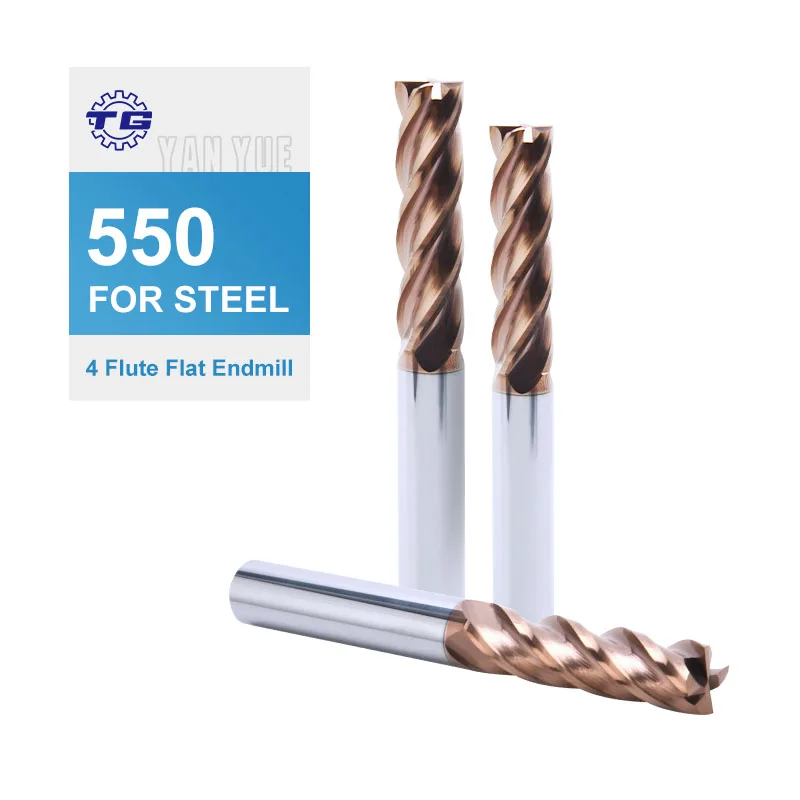
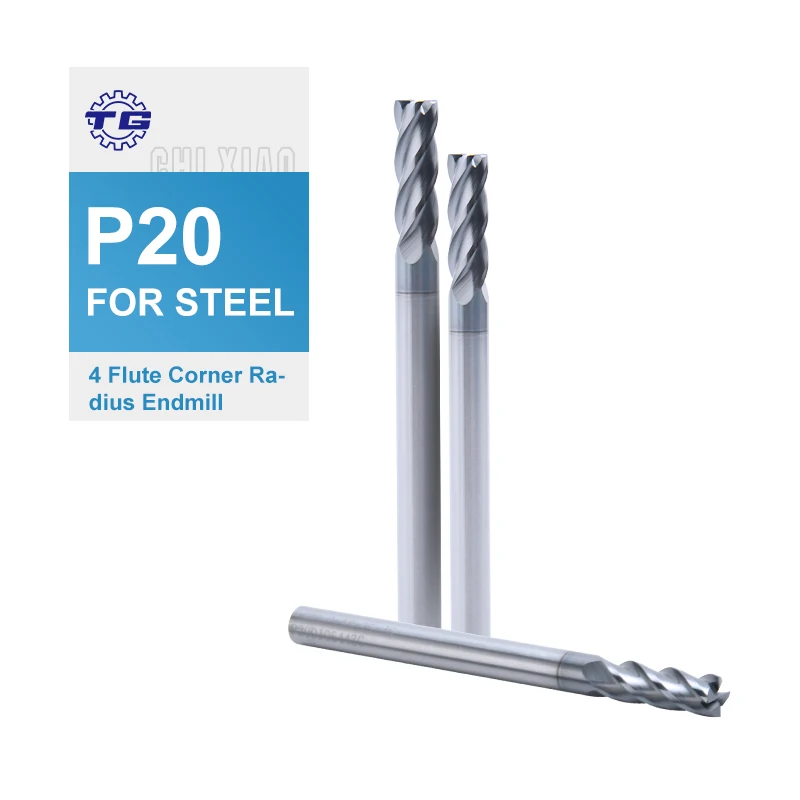
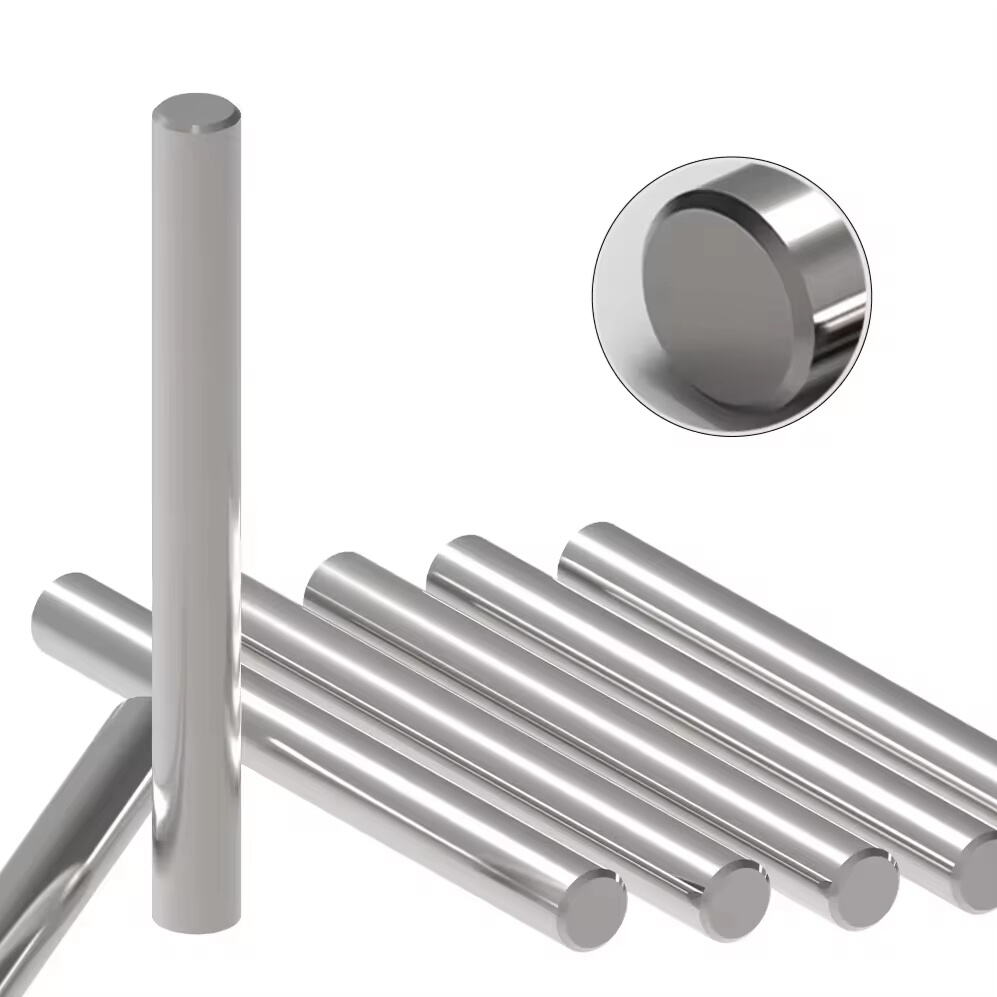
Carbide blanks round represent essential semi-finished products in modern manufacturing, serving as foundational materials for creating precision tools and components across diverse industrial sectors. These cylindrical forms are manufactured from tungsten carbide, a material renowned for its exceptional hardness and durability. The production process involves powder metallurgy techniques where tungsten carbide powder is mixed with metallic binders, typically cobalt, then pressed into round shapes and sintered at extremely high temperatures to achieve maximum density and strength. Carbide blanks round come in various diameters and lengths to accommodate different manufacturing requirements, providing flexibility for toolmakers and manufacturers who need to create custom cutting tools, wear parts, or specialized components. The main functions of these blanks include serving as raw material for grinding into drills, end mills, reamers, and other rotary cutting tools, as well as forming the basis for punches, dies, and wear-resistant components in demanding applications. Technological features that distinguish quality carbide blanks round include uniform grain structure throughout the material, consistent hardness levels, minimal porosity, and precise dimensional tolerances. The manufacturing precision ensures that when machinists and tool manufacturers process these blanks, they can achieve tight tolerances and superior surface finishes in their final products. Applications span metalworking, woodworking, mining, construction, aerospace, automotive manufacturing, and electronics industries where tools must withstand extreme conditions including high temperatures, abrasive materials, and repetitive stress. The versatility of carbide blanks round makes them indispensable in production environments where standard tools cannot meet specific requirements, allowing manufacturers to develop customized solutions that optimize performance for particular materials or operations while maintaining cost-effectiveness through efficient material utilization and extended tool life.

 EN
EN