carbide blanks manufacturers
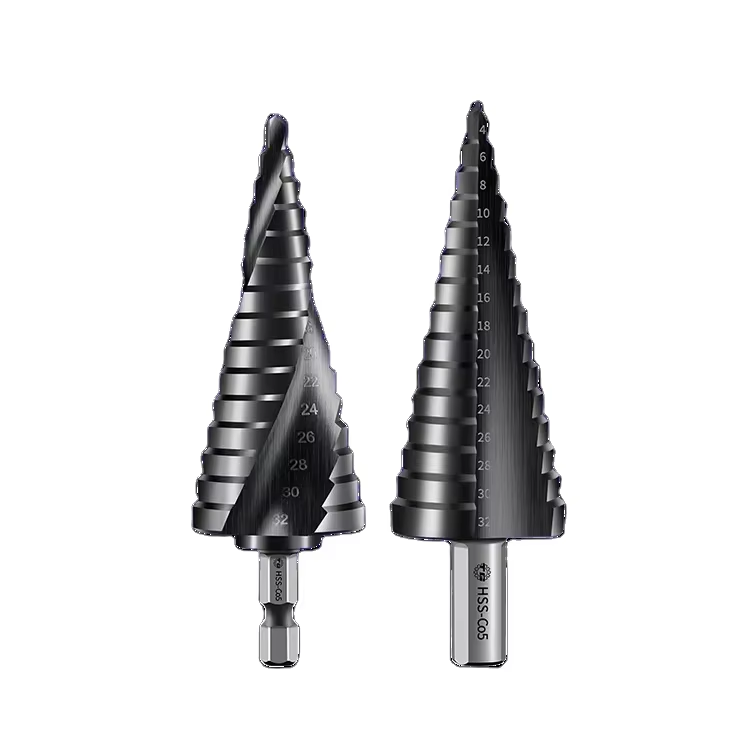
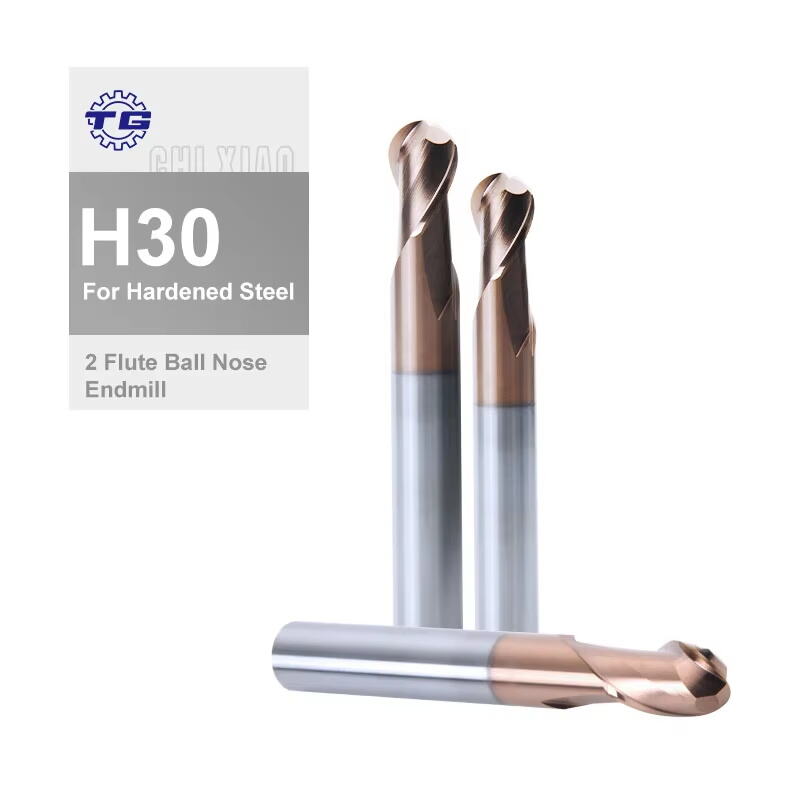
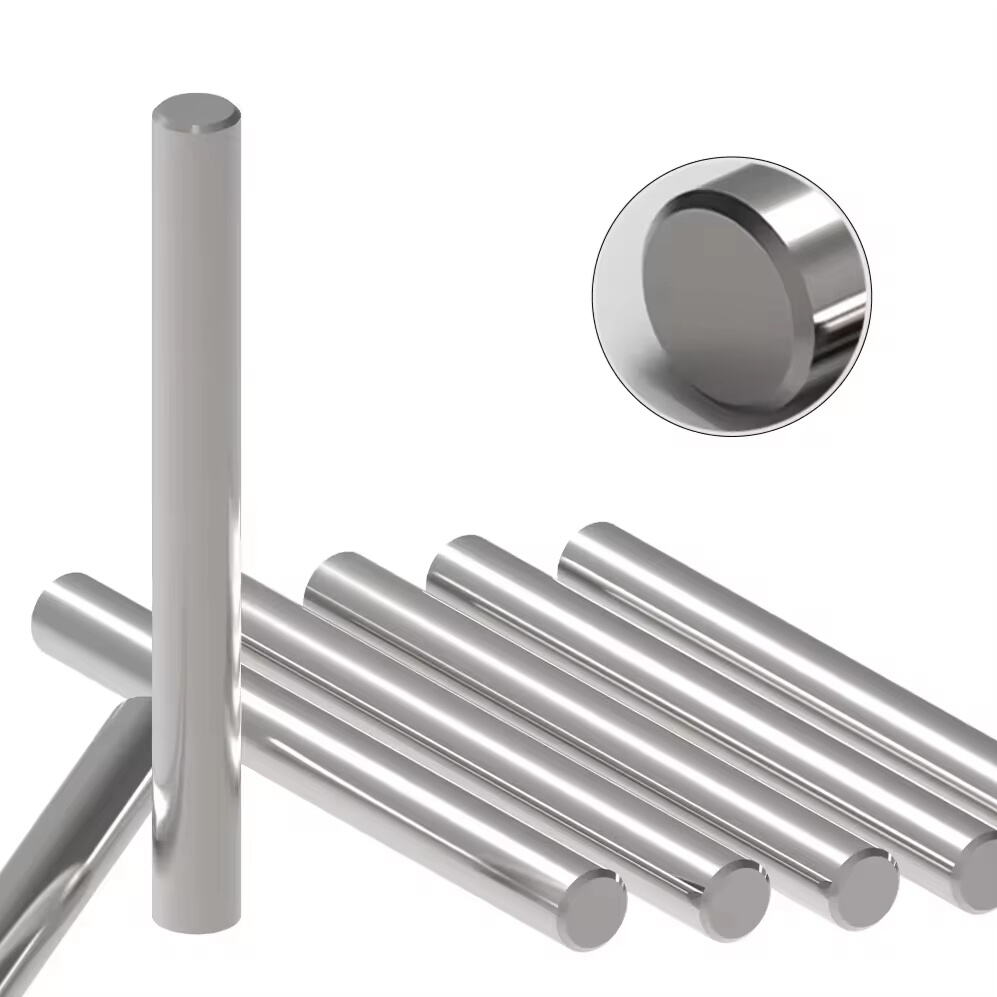
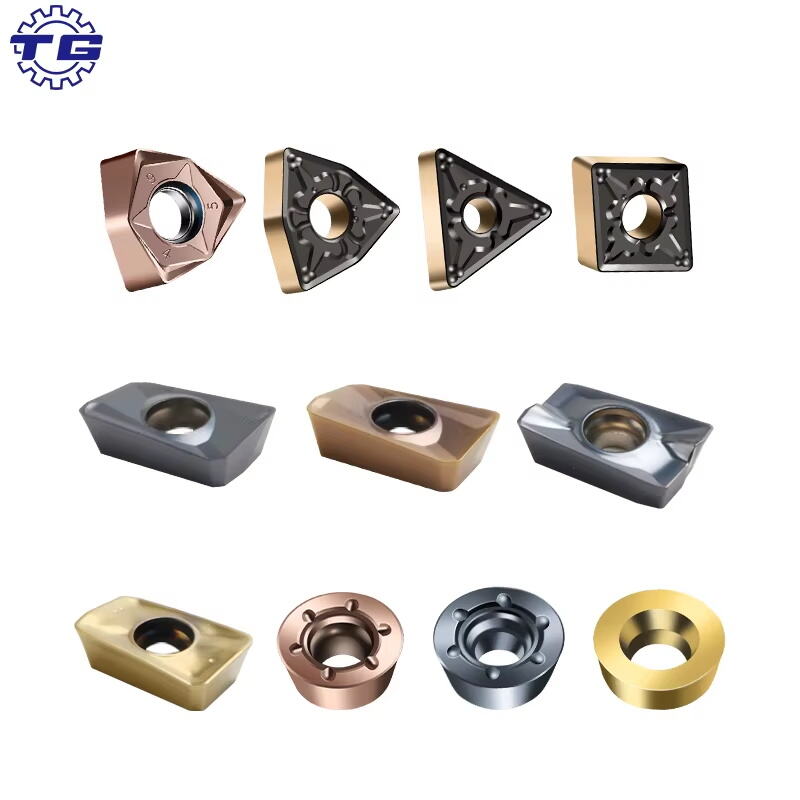
Carbide blanks manufacturers play a pivotal role in modern industrial production by supplying high-quality tungsten carbide materials that serve as foundational components for countless cutting tools, wear parts, and precision instruments. These specialized producers transform raw tungsten carbide powder through advanced pressing and sintering techniques into solid blanks of various shapes and sizes. The main function of carbide blanks manufacturers is to create semi-finished products that other companies can then machine, grind, or shape into final tools such as end mills, drills, inserts, punches, dies, and specialized components. The technological features employed by carbide blanks manufacturers include precision powder metallurgy processes, controlled atmosphere sintering at temperatures exceeding 1400 degrees Celsius, and strict quality control measures that ensure consistent density, hardness, and grain structure throughout each blank. Advanced manufacturers utilize computer-controlled mixing systems to create custom carbide compositions with specific cobalt binder percentages ranging from 6 to 25 percent, allowing customers to select blanks optimized for different applications. The applications of products from carbide blanks manufacturers span numerous industries including metalworking, woodworking, mining, oil and gas drilling, construction, automotive manufacturing, aerospace engineering, and medical device production. Manufacturing facilities rely on these blanks to produce tools that cut steel, aluminum, titanium, and exotic alloys with superior wear resistance and extended tool life. Carbide blanks manufacturers also supply the die and mold industry with materials for stamping operations, wire drawing, and cold heading applications where extreme hardness and toughness are essential. The versatility of carbide blanks extends to producing wear parts like nozzles, guides, bushings, and seals that withstand abrasive environments. Leading carbide blanks manufacturers invest heavily in research and development to create specialized grades incorporating additives like titanium carbide, tantalum carbide, or chromium carbide for enhanced performance characteristics tailored to specific customer requirements and challenging operational conditions.

 EN
EN