Contact me immediately if you encounter problems!

All Categories

solid carbide round blanks

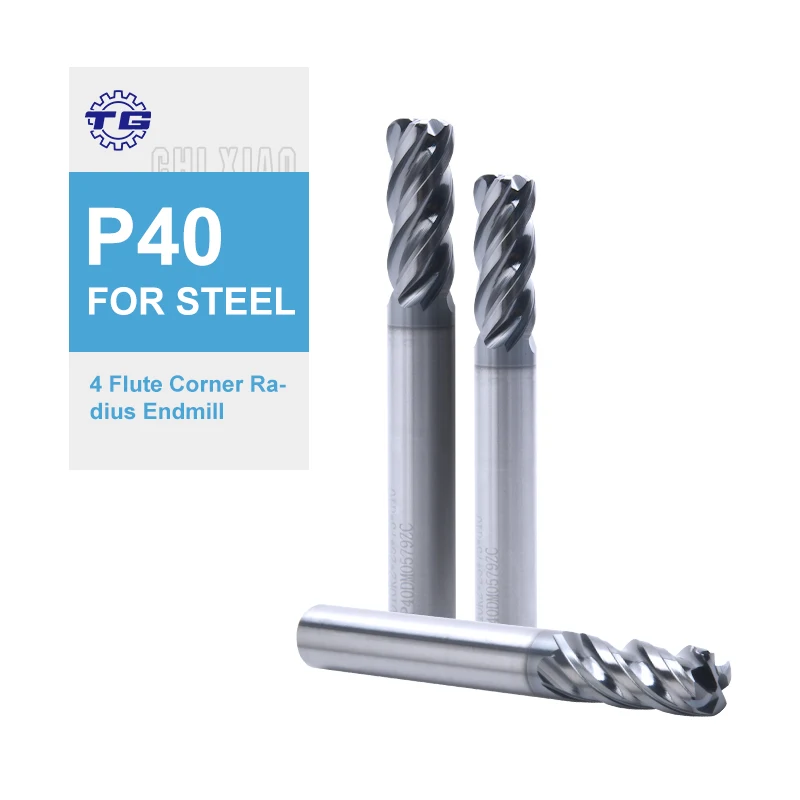
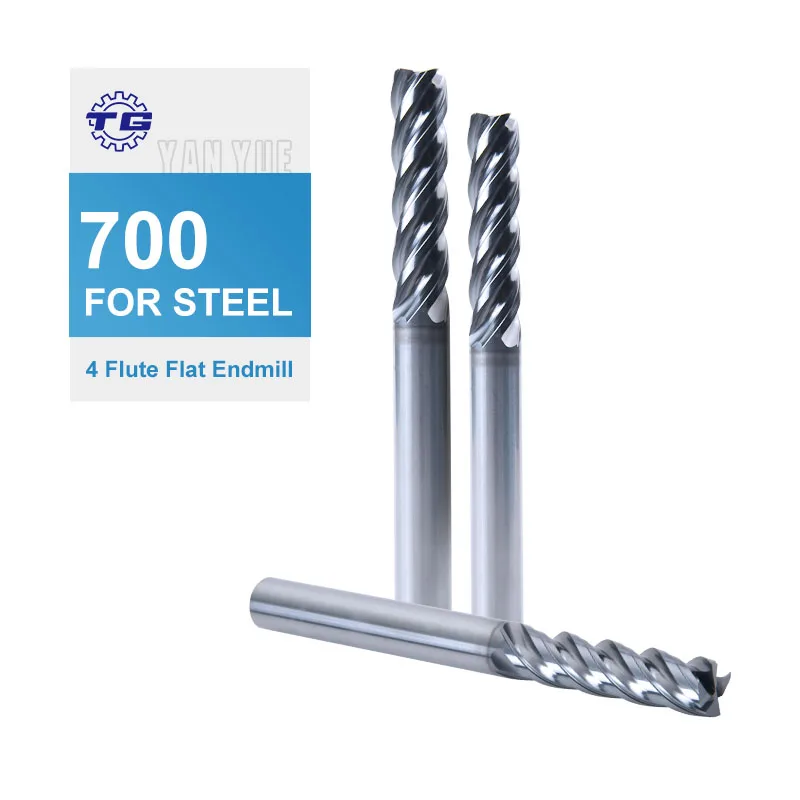
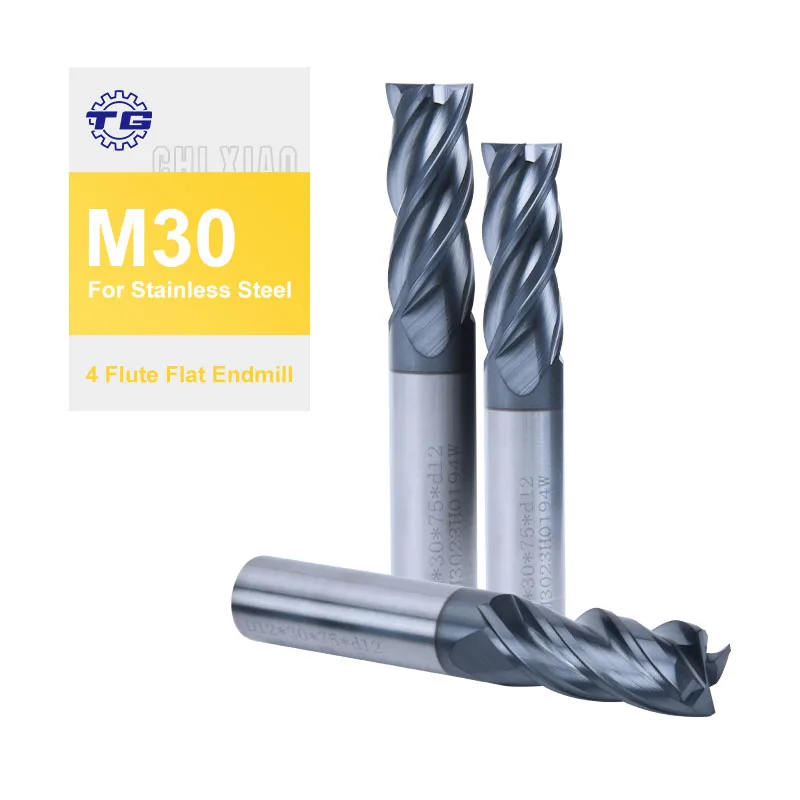
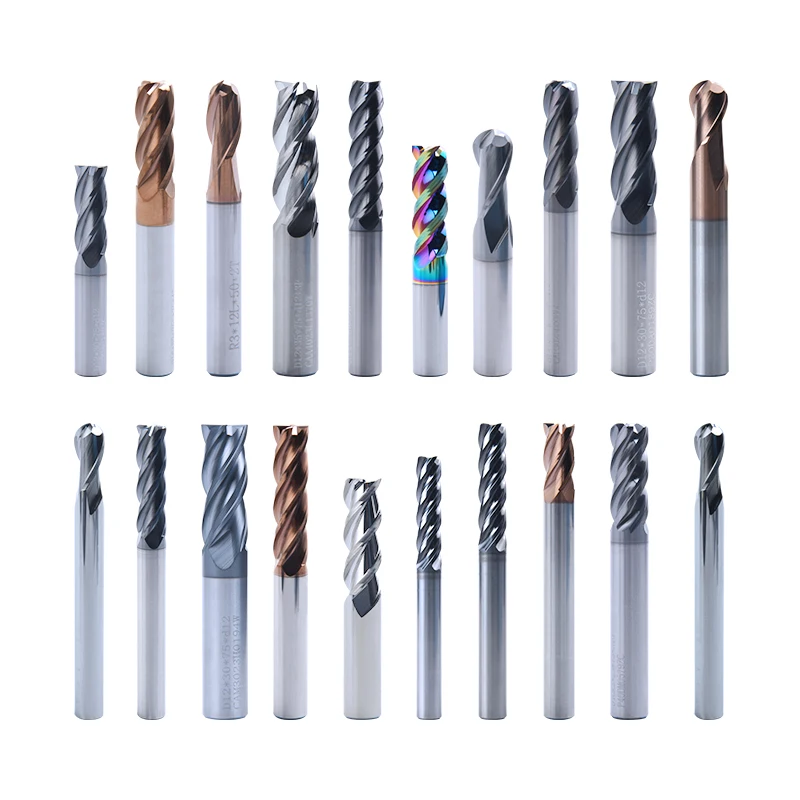
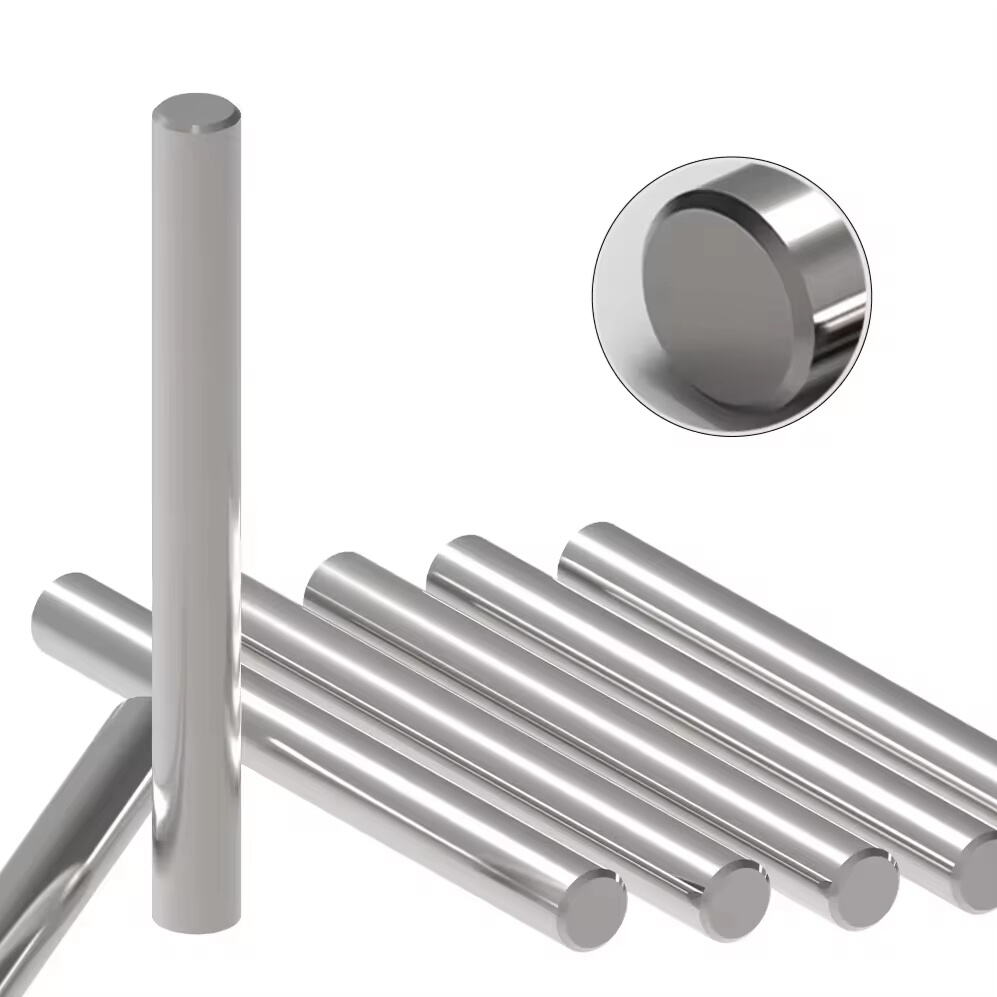
Solid carbide round blanks represent precision-engineered cylindrical components manufactured from high-grade tungsten carbide material, serving as essential starting materials for producing cutting tools, wear parts, and specialized industrial components. These round blanks are created through advanced powder metallurgy processes that combine tungsten carbide powder with cobalt or other metallic binders, resulting in exceptionally hard and durable cylindrical forms. The main functions of solid carbide round blanks include providing raw material stock for manufacturing end mills, drills, reamers, punches, and custom tooling solutions across diverse manufacturing sectors. Their technological features encompass superior hardness ratings typically ranging from 88 to 93 HRA, excellent wear resistance that extends operational lifespan significantly, and dimensional stability that maintains precise tolerances even under extreme conditions. The manufacturing process involves careful selection of carbide grain sizes, precise control of cobalt content, and sophisticated sintering techniques that create uniform material properties throughout the blank. Solid carbide round blanks are available in various diameters ranging from small precision sizes of 3mm up to substantial industrial dimensions exceeding 100mm, with length options customizable to specific manufacturing requirements. Applications span multiple industries including aerospace component fabrication, automotive parts production, medical device manufacturing, electronics production, and general metalworking operations. The blanks serve as fundamental building blocks for tool and die makers who machine them into specialized cutting geometries, precision gauges, and wear-resistant components. Their consistent material composition ensures predictable machining characteristics and reliable performance in demanding applications. Manufacturers rely on solid carbide round blanks for creating tools that must withstand high temperatures, resist abrasive materials, and maintain sharp cutting edges throughout extended production runs. The versatility of these blanks allows engineers and toolmakers to design custom solutions for unique machining challenges while benefiting from carbide's inherent material advantages of hardness, heat resistance, and dimensional stability.


New Product Releases

Choosing solid carbide round blanks delivers substantial practical benefits that directly impact your manufacturing efficiency and bottom-line profitability. First and foremost, these blanks dramatically extend tool life compared to conventional high-speed steel alternatives, often lasting five to twenty times longer depending on application conditions. This extended lifespan translates directly into reduced tool replacement costs and fewer production interruptions for tool changes, allowing your operations to maintain consistent output levels. The exceptional hardness of solid carbide round blanks enables them to maintain sharp cutting edges far longer than softer materials, resulting in superior surface finishes on machined parts and tighter dimensional tolerances throughout the tool's working life. You will notice immediate improvements in part quality consistency, reducing scrap rates and rework expenses that cut into profit margins. Another significant advantage lies in the material's ability to withstand elevated temperatures generated during high-speed machining operations. Solid carbide round blanks retain their hardness and structural integrity at temperatures where other tool materials would soften and fail, enabling you to increase cutting speeds and feed rates for faster production cycles. This heat resistance means you can push your machining parameters further, completing jobs quicker and increasing throughput without sacrificing quality. The dimensional stability of solid carbide round blanks proves invaluable when manufacturing precision components requiring tight tolerances. Unlike materials that expand or contract significantly with temperature variations, carbide maintains consistent dimensions across wide temperature ranges, ensuring your finished tools produce accurate parts regardless of operating conditions. This stability reduces the need for frequent recalibration and adjustment, saving valuable production time. The versatility of solid carbide round blanks allows you to create custom tooling solutions tailored precisely to your specific manufacturing challenges. Rather than compromising with off-the-shelf tools that may not perfectly suit your needs, you can machine these blanks into exact geometries that optimize performance for your particular applications. This customization capability enables innovation in tool design that can provide competitive advantages through improved efficiency or capability to machine difficult materials. The uniform material composition throughout solid carbide round blanks ensures predictable and consistent performance across your entire tool inventory. You eliminate variables related to material inconsistencies that can cause unexpected tool failures or performance variations. This reliability allows for more accurate production planning and reduces costly surprises during manufacturing runs. Additionally, the superior wear resistance of solid carbide round blanks makes them ideal for machining abrasive materials that quickly destroy conventional tools, opening opportunities to expand your service offerings into demanding applications that competitors may avoid.

Tips And Tricks

Which Shapes of Carbide Inserts Are Best for Steel?

28

Feb

Which Shapes of Carbide Inserts Are Best for Steel?

When machining steel components, selecting the appropriate carbide inserts for steel becomes critical for achieving optimal performance, tool life, and surface finish quality. The geometry and shape of these cutting tools directly influence chip form...
View More
Why Endmills Are Crucial in CNC Milling Operations

28

Feb

Why Endmills Are Crucial in CNC Milling Operations

CNC milling operations form the backbone of modern manufacturing, transforming raw materials into precision components that power industries worldwide. At the heart of these sophisticated machining processes lie endmills, cutting tools that define th...
View More
When should you use high speed steel cutting tools?

31

Mar

When should you use high speed steel cutting tools?

High speed steel cutting tools have revolutionized modern machining operations since their introduction in the early 1900s. These specialized alloys offer exceptional hardness, wear resistance, and heat tolerance that make them indispensable in vario...
View More
What industries rely most on high-speed steel tools?

31

Mar

What industries rely most on high-speed steel tools?

High-speed steel tools have become indispensable across numerous industrial sectors due to their exceptional hardness, heat resistance, and cutting performance. These specialized cutting implements maintain their sharpness and structural integrity ev...
View More

Get a Free Quote

Our representative will contact you soon.
Email
Mobile
Name
Company Name
Message
0/1000

solid carbide round blanks

Unmatched Material Hardness for Extended Performance Durability

Unmatched Material Hardness for Extended Performance Durability

The extraordinary hardness characteristics of solid carbide round blanks stand as their most compelling attribute, fundamentally transforming tool performance expectations across manufacturing applications. With hardness ratings consistently measuring between 88 and 93 on the Rockwell A scale, these blanks achieve levels of hardness that surpass virtually all other tool material options available in the market. This exceptional hardness emerges from the unique crystalline structure created when tungsten carbide particles bond with metallic binders during the sintering process, forming an incredibly dense and resistant material matrix. The practical implications of this hardness translate directly into measurable benefits for your operations. Tools manufactured from solid carbide round blanks maintain their cutting edge geometry far longer than alternatives, meaning each tool completes substantially more parts before requiring replacement or resharpening. This extended edge retention reduces your per-part tooling costs dramatically, as you spread the initial tool investment across a much larger production quantity. The hardness also enables these tools to cut through tough materials that would quickly dull or damage lesser tool materials, expanding your manufacturing capabilities to include challenging alloys, hardened steels, and abrasive composites. Beyond simple wear resistance, the hardness of solid carbide round blanks provides remarkable resistance to deformation under cutting forces. Even when subjected to substantial mechanical stress during interrupted cuts or heavy material removal operations, tools made from these blanks maintain their dimensional accuracy and geometric precision. This resistance to deformation ensures consistent part quality throughout the tool's lifespan, eliminating the gradual dimensional drift that occurs with softer tool materials as they slowly compress or bend under operational stresses. The hardness advantage becomes particularly valuable in production environments where uninterrupted operation is critical, as it minimizes unexpected tool failures that halt production lines and disrupt manufacturing schedules. Furthermore, this superior hardness allows manufacturers to design tools with more aggressive geometries and sharper cutting edges that would be impractical with softer materials, enabling innovation in tool design that achieves better chip evacuation, reduced cutting forces, and improved surface finishes on machined components.
Superior Thermal Stability Enabling High-Performance Machining Operations

Superior Thermal Stability Enabling High-Performance Machining Operations

Solid carbide round blanks demonstrate exceptional thermal stability that fundamentally enables modern high-speed machining strategies and advanced manufacturing techniques. This thermal performance characteristic distinguishes carbide from conventional tool materials through its ability to maintain structural integrity and hardness at elevated temperatures where other materials experience rapid degradation. The tungsten carbide composition retains approximately 80 percent of its room-temperature hardness even when heated to 800 degrees Celsius, a temperature range where high-speed steel tools have already softened catastrophically and lost virtually all cutting capability. This remarkable heat resistance emerges from the strong atomic bonds within the tungsten carbide crystal structure, which require tremendous thermal energy to disrupt. For manufacturers, this thermal stability unlocks significant competitive advantages through increased productivity and expanded processing capabilities. You can operate cutting tools made from solid carbide round blanks at substantially higher cutting speeds than conventional materials permit, directly reducing cycle times and increasing throughput from existing equipment. The ability to maintain hardness at elevated temperatures means these tools continue cutting efficiently even as friction and plastic deformation in the workpiece generate intense heat at the cutting interface. This capability proves especially valuable when machining difficult materials with poor thermal conductivity that trap heat in the cutting zone, conditions that would quickly destroy tools lacking adequate thermal stability. The thermal properties of solid carbide round blanks also contribute to better surface finish quality on machined parts by maintaining consistent cutting edge geometry despite temperature fluctuations during operation. Tools that soften with heat tend to develop irregular wear patterns and lose their precise edge definition, producing progressively degraded surface quality as the tool heats during extended cuts. Carbide tools maintain their sharpness and geometric accuracy throughout the thermal cycles of production, delivering consistent surface finishes from the first part to the last. Additionally, this thermal stability reduces the thermal shocking and cracking that plagues tools subjected to interrupted cutting operations where temperatures rapidly cycle between extremes. Solid carbide round blanks withstand these thermal stresses without developing the micro-cracks that propagate into catastrophic failures, providing reliable performance in demanding applications like milling and gear cutting where thermal cycling is unavoidable.
Exceptional Versatility Supporting Custom Tool Manufacturing Solutions

Exceptional Versatility Supporting Custom Tool Manufacturing Solutions

The remarkable versatility of solid carbide round blanks positions them as ideal starting materials for creating custom precision tooling solutions tailored to specific manufacturing challenges and unique application requirements. This adaptability stems from the material's machinability through specialized grinding and EDM processes that allow tool manufacturers to transform cylindrical blanks into virtually any geometric configuration required for optimal cutting performance. Unlike pre-formed tool geometries that constrain design options to standard configurations, solid carbide round blanks provide a blank canvas for innovation, enabling engineers to develop proprietary tool designs that deliver competitive advantages through superior performance characteristics. Manufacturers can specify exact diameters, create custom flute geometries, incorporate specialized relief angles, and develop unique cutting edge configurations that perfectly match the demands of particular workpiece materials or machining operations. This design freedom proves invaluable when confronting manufacturing challenges that standard tooling cannot adequately address, such as machining complex geometries in difficult materials, achieving specific surface finish requirements, or optimizing tool life in high-volume production scenarios. The availability of solid carbide round blanks in extensive size ranges further enhances their versatility, with diameter options spanning from miniature precision sizes suitable for micro-machining applications through substantial diameters appropriate for heavy industrial cutting operations. This size variety ensures that manufacturers can source appropriate blank dimensions regardless of their specific tooling requirements, eliminating compromises that degrade performance when adapting inappropriate tool sizes to applications. The material composition of solid carbide round blanks can also be specified to match application demands, with variations in carbide grain size and cobalt content available to optimize either toughness for interrupted cutting or maximum hardness for continuous operations in abrasive materials. Finer grain carbide structures provide superior edge sharpness and surface finish capability for precision applications, while coarser grain compositions offer enhanced toughness and fracture resistance for demanding operations involving impact loads or interrupted cuts. This material flexibility allows toolmakers to fine-tune performance characteristics to specific operational conditions, extracting maximum value from each tool investment. The versatility extends to coating compatibility, as solid carbide round blanks accept various advanced coating technologies including TiN, TiAlN, and diamond coatings that further enhance performance for specific material combinations or operating conditions, multiplying the already substantial advantages these blanks provide.
solid carbide round blanks-0
solid carbide round blanks-1

Get a Free Quote

Our representative will contact you soon.
Email
Mobile
Name
Company Name
Message
0/1000