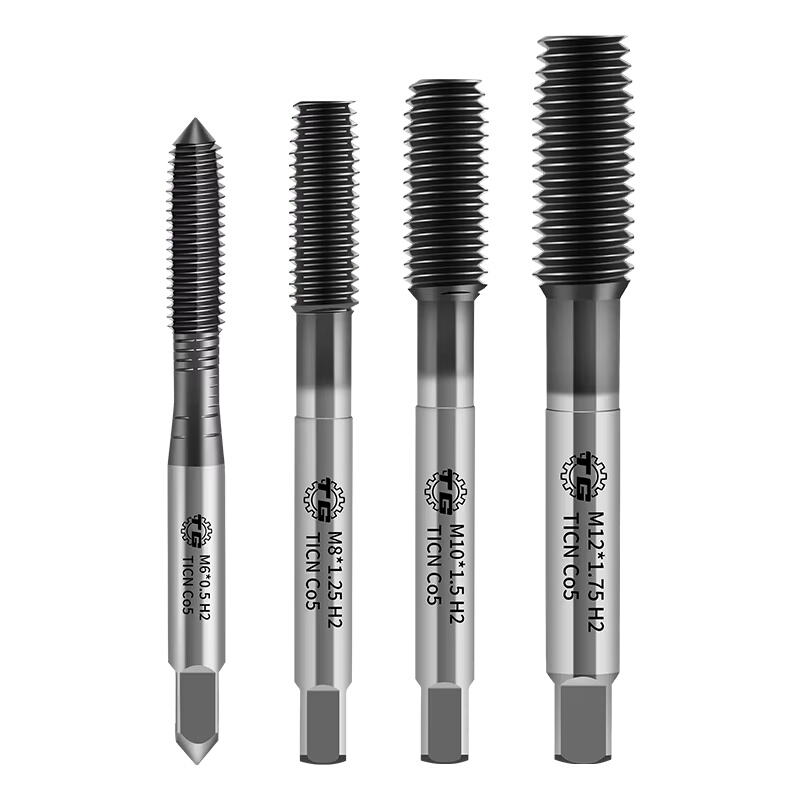
solid carbide inserts
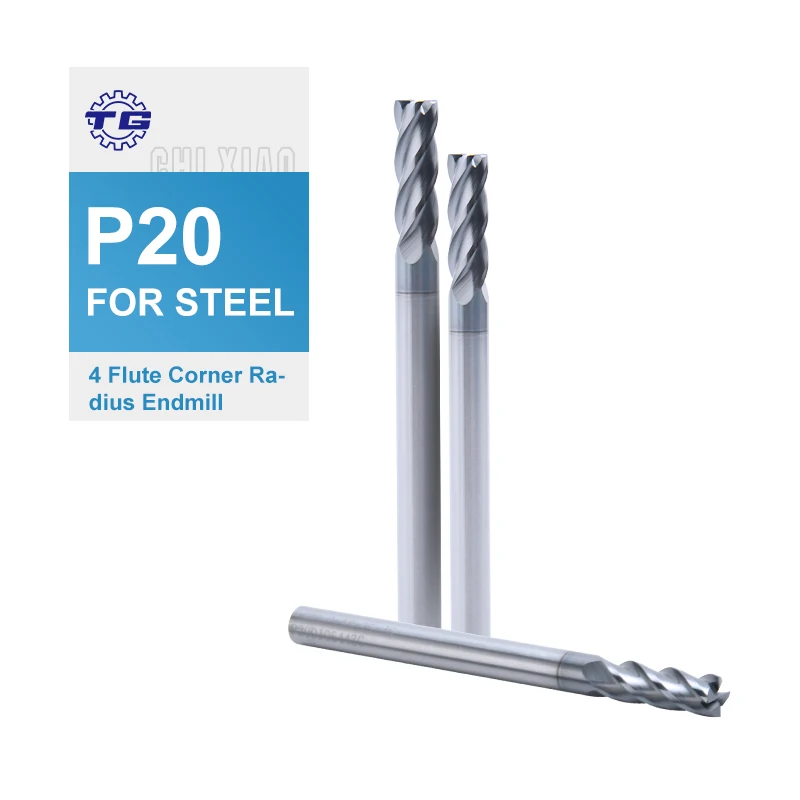
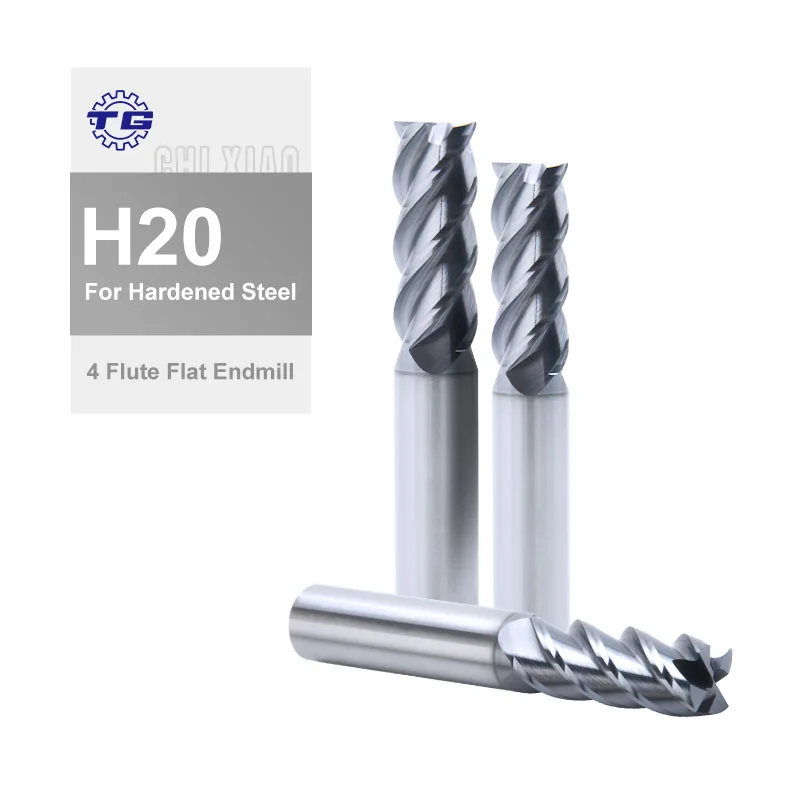
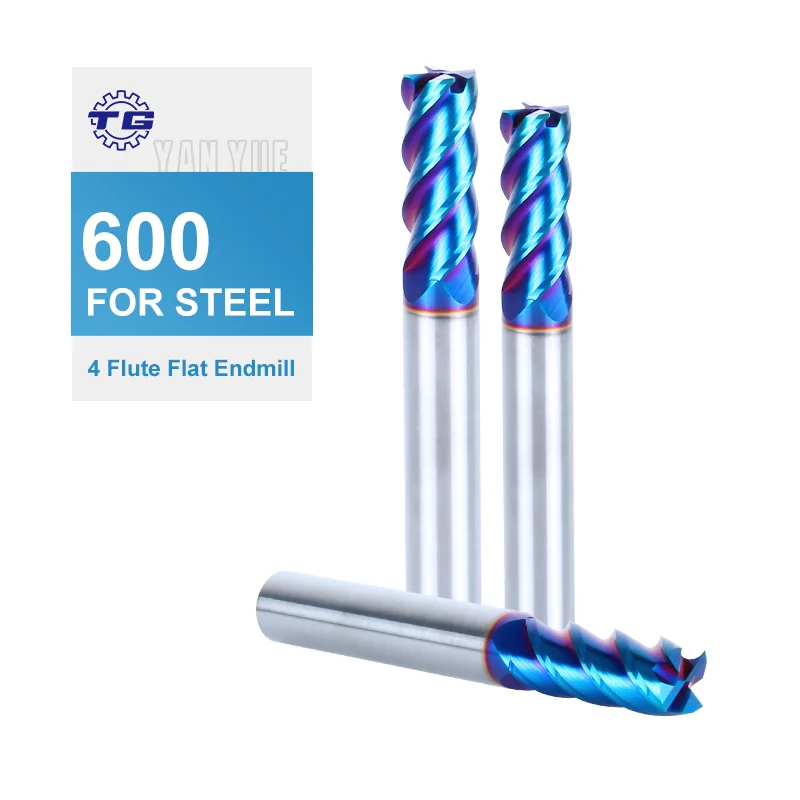
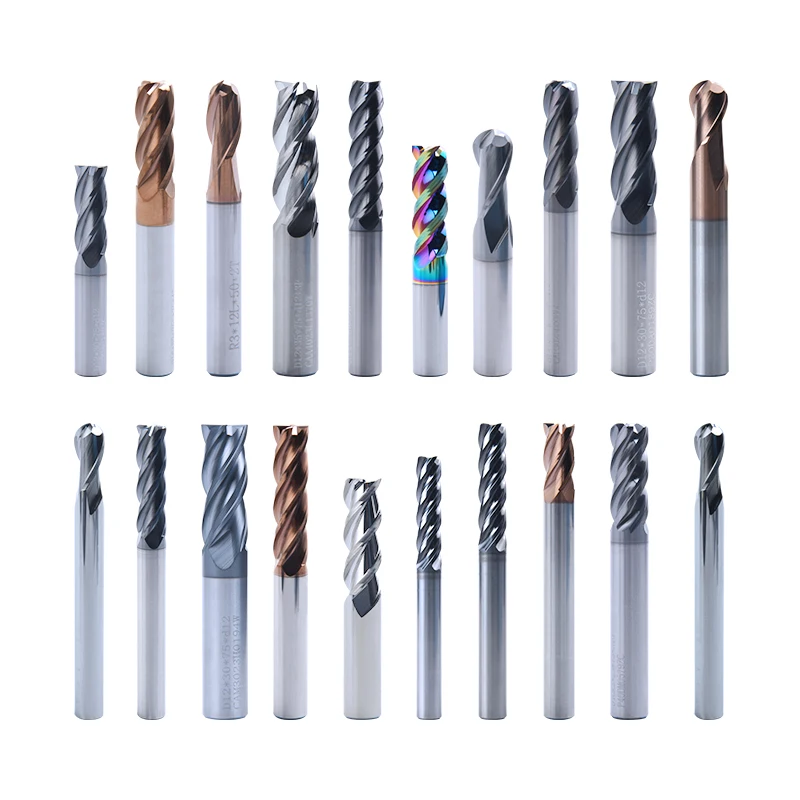
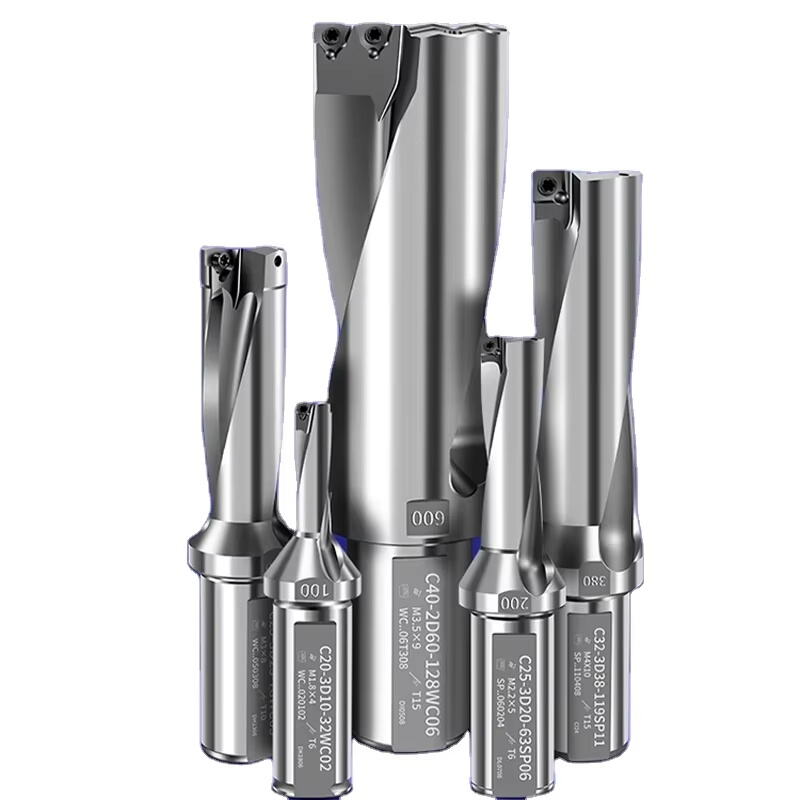
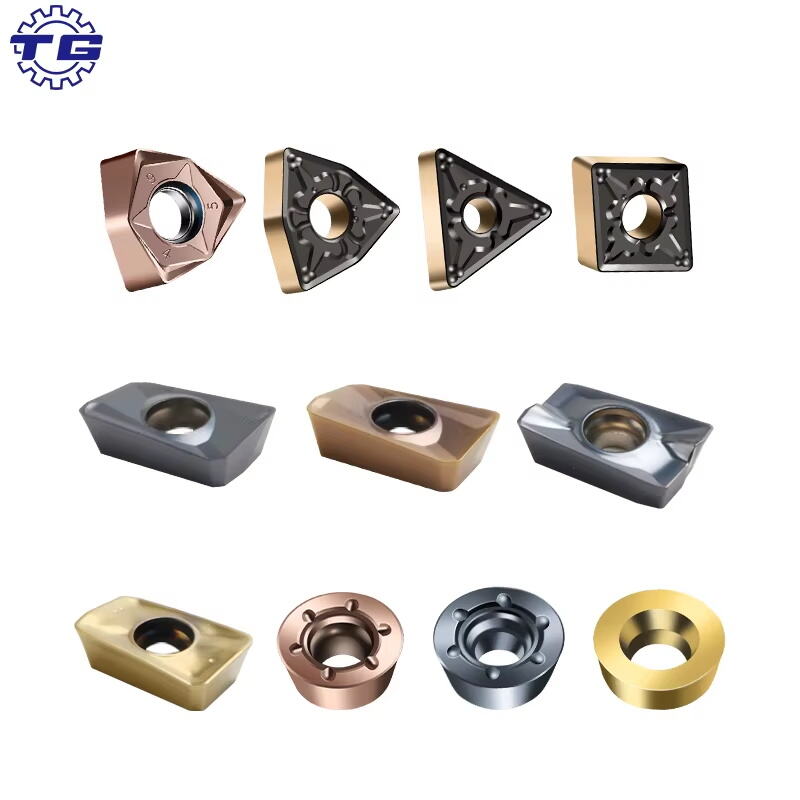
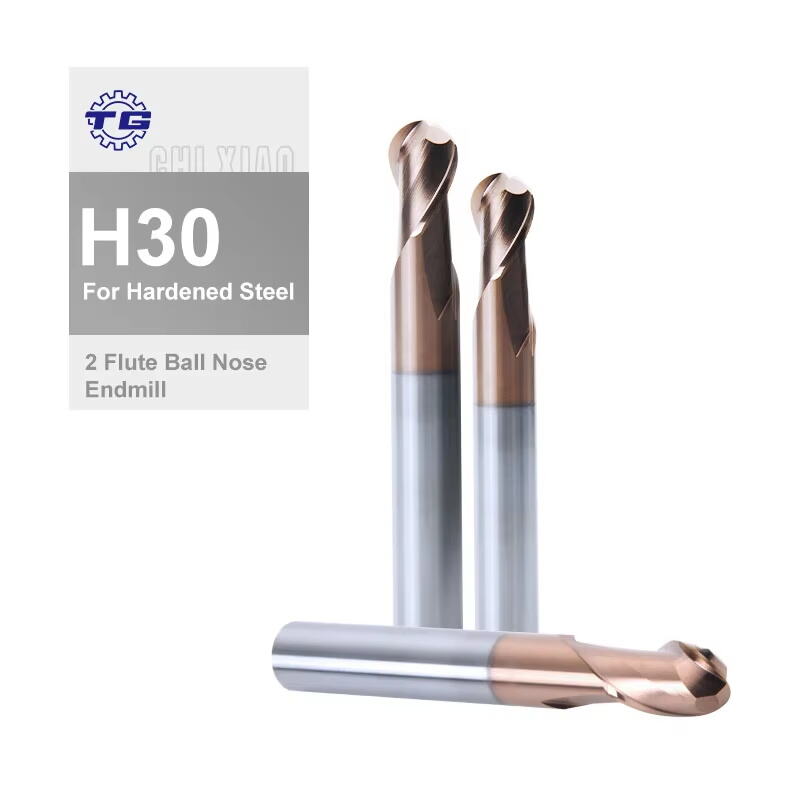
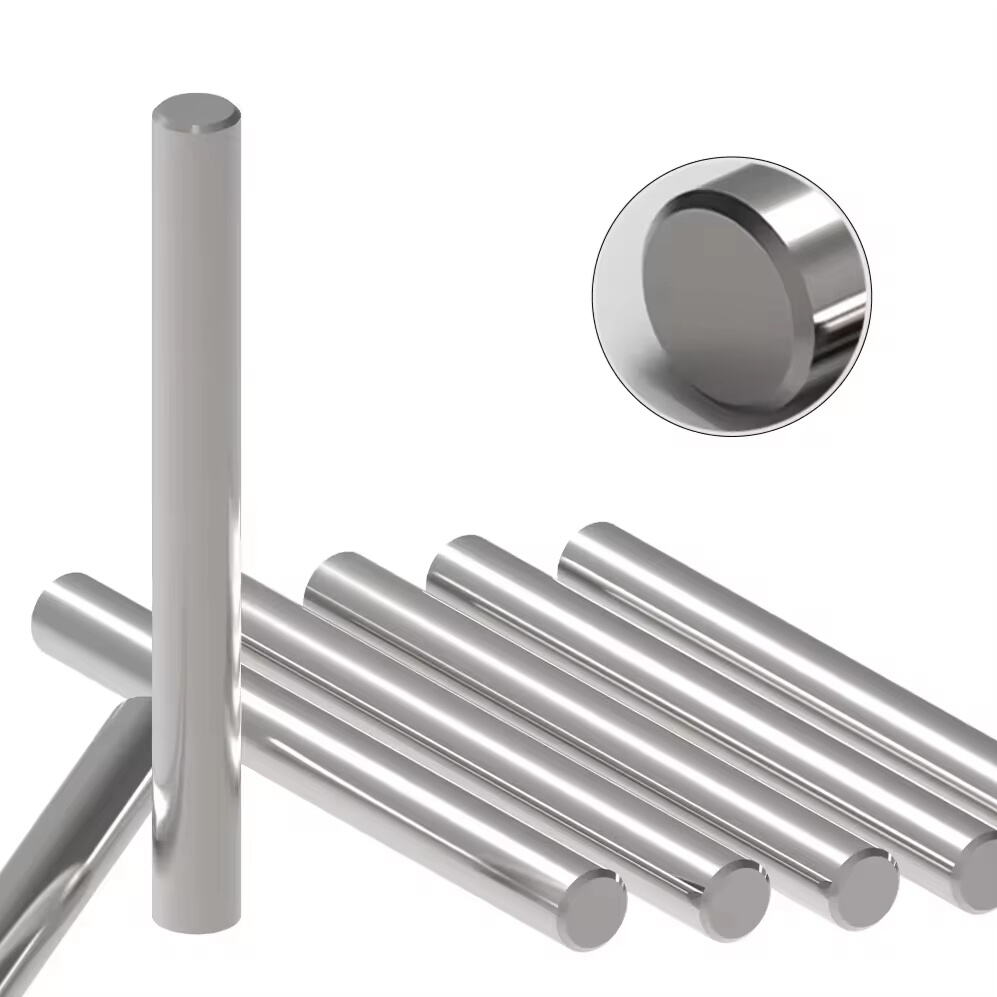
Solid carbide inserts represent a pinnacle of precision cutting technology in modern manufacturing, delivering exceptional performance across diverse machining operations. These cutting tools are manufactured from solid carbide material throughout their entire structure, distinguishing them from coated or brazed alternatives. Solid carbide inserts feature superior hardness ratings, typically ranging between 89-93 HRA on the Rockwell scale, enabling them to maintain sharp cutting edges even under extreme operational conditions. The main functions of solid carbide inserts encompass precision metal removal, surface finishing, and high-speed machining across ferrous and non-ferrous materials. These inserts excel in applications requiring tight tolerances, minimal tool deflection, and consistent dimensional accuracy throughout extended production runs. Technological features include advanced grain structures achieved through sintering processes that bond tungsten carbide particles with metallic binders, typically cobalt, creating a homogeneous material with exceptional wear resistance. The manufacturing process involves powder metallurgy techniques where fine carbide powders are compressed and sintered at temperatures exceeding 1400 degrees Celsius, resulting in a dense, uniform structure. Solid carbide inserts incorporate precisely engineered geometries including chip breakers, rake angles, and clearance angles optimized for specific materials and cutting conditions. Applications span automotive component production, aerospace part manufacturing, mold and die fabrication, medical device production, and general engineering workshops. These inserts prove particularly valuable in CNC turning centers, milling machines, and automated manufacturing cells where consistency and reliability directly impact productivity. The solid carbide construction eliminates brazed joints that can fail under thermal stress, providing structural integrity throughout the insert body. Industries benefit from solid carbide inserts when machining hardened steels, stainless alloys, titanium, heat-resistant superalloys, and composite materials that demand cutting tools capable of withstanding elevated temperatures and mechanical stresses without premature failure or dimensional changes.

 EN
EN