custom carbide inserts
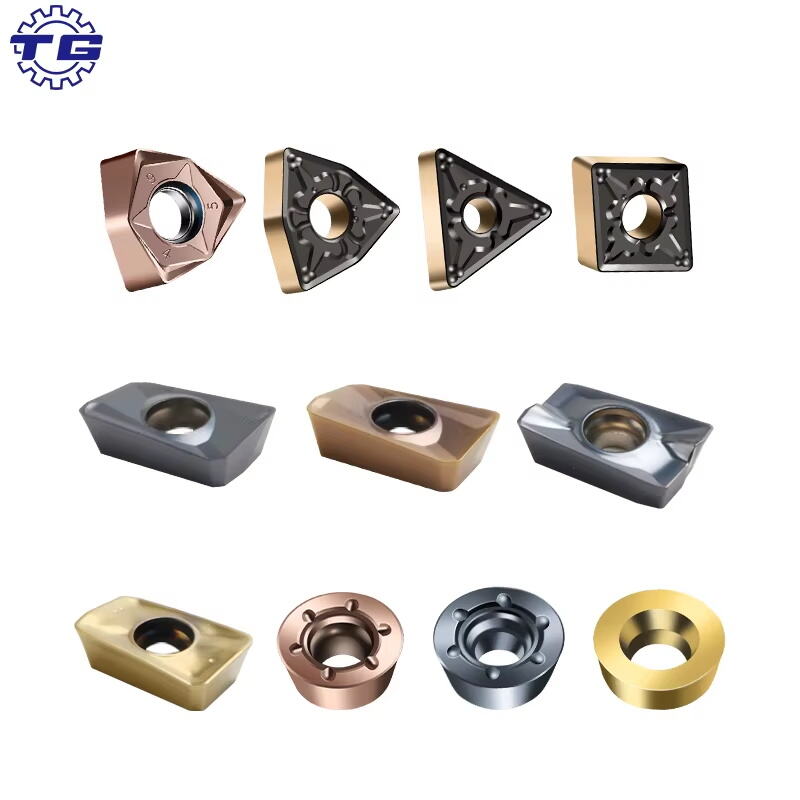
Custom carbide inserts represent a specialized category of cutting tools designed to meet specific machining requirements that standard inserts cannot adequately address. These precision-engineered components are manufactured from tungsten carbide, a material renowned for its exceptional hardness, wear resistance, and ability to maintain sharp cutting edges even under extreme operational conditions. The primary function of custom carbide inserts is to provide tailored cutting solutions for unique manufacturing challenges, enabling businesses to achieve optimal performance in their specific applications. Unlike off-the-shelf alternatives, custom carbide inserts are meticulously crafted to match exact specifications, including precise geometries, specialized coatings, and unique edge preparations that align perfectly with individual machining operations. The technological features of these inserts encompass advanced material compositions, where carbide grains are bonded with cobalt or other binding agents to create the ideal balance between hardness and toughness. Manufacturers employ sophisticated production methods including powder metallurgy, precision grinding, and state-of-the-art coating technologies to ensure each custom carbide insert delivers consistent, reliable performance. Applications for custom carbide inserts span across diverse industries including aerospace, automotive, medical device manufacturing, oil and gas exploration, and general metalworking. These inserts excel in operations such as turning, milling, drilling, boring, and threading where standard tooling falls short. They prove particularly valuable when machining difficult materials like hardened steels, exotic alloys, titanium, inconel, and composite materials that demand specialized cutting tool properties. The customization process allows engineers to specify critical parameters including chip breaker designs, nose radius configurations, rake angles, and clearance angles that directly influence cutting efficiency, surface finish quality, and tool life expectancy. This level of personalization ensures that manufacturers can optimize their production processes, reduce cycle times, minimize tool changes, and ultimately enhance their competitive advantage in demanding manufacturing environments.

 EN
EN