Contact me immediately if you encounter problems!

All Categories

insert milling cutter

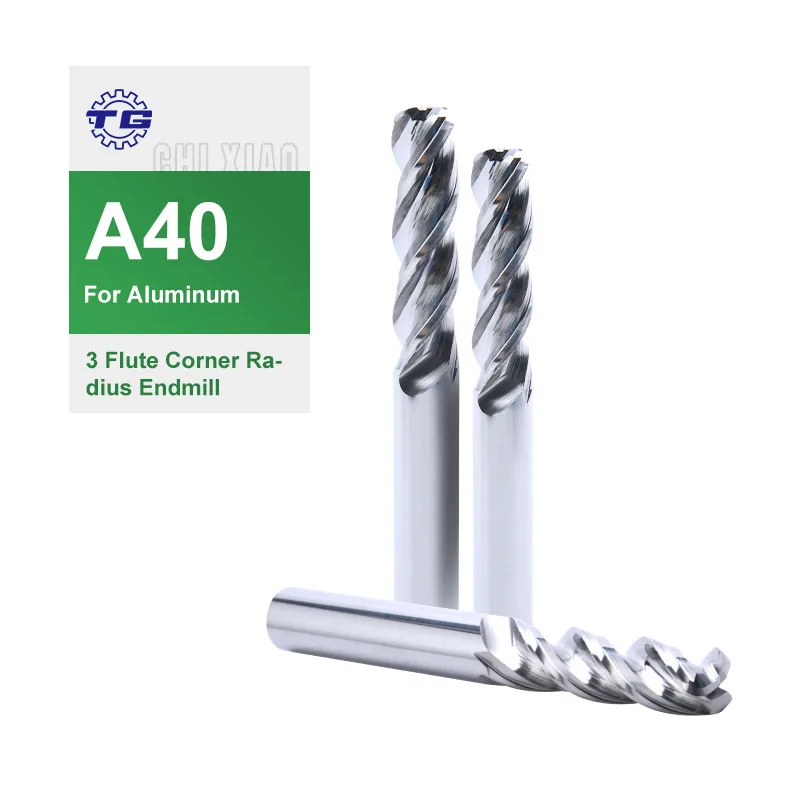
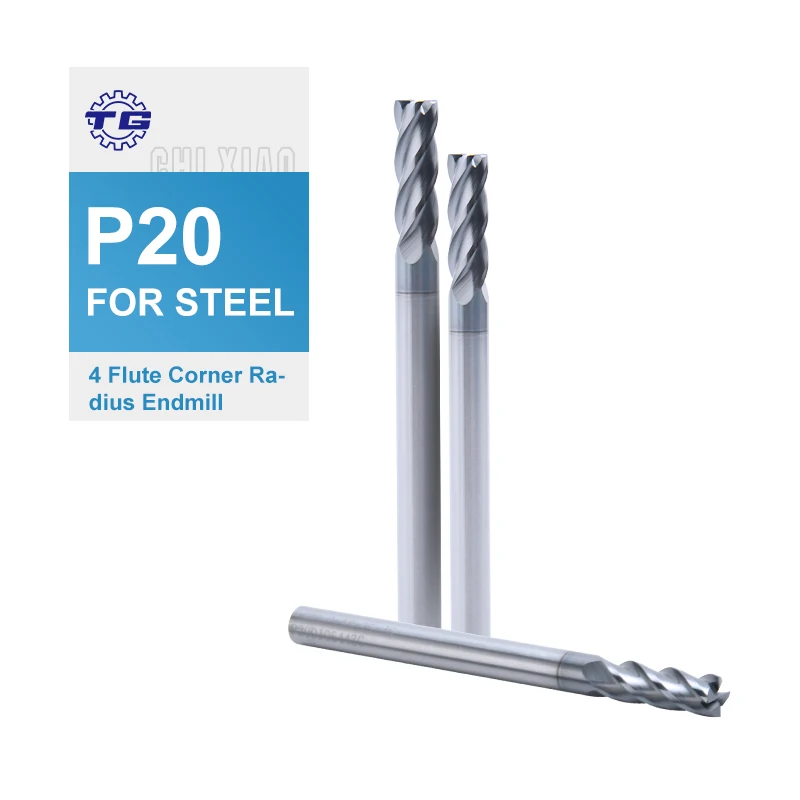
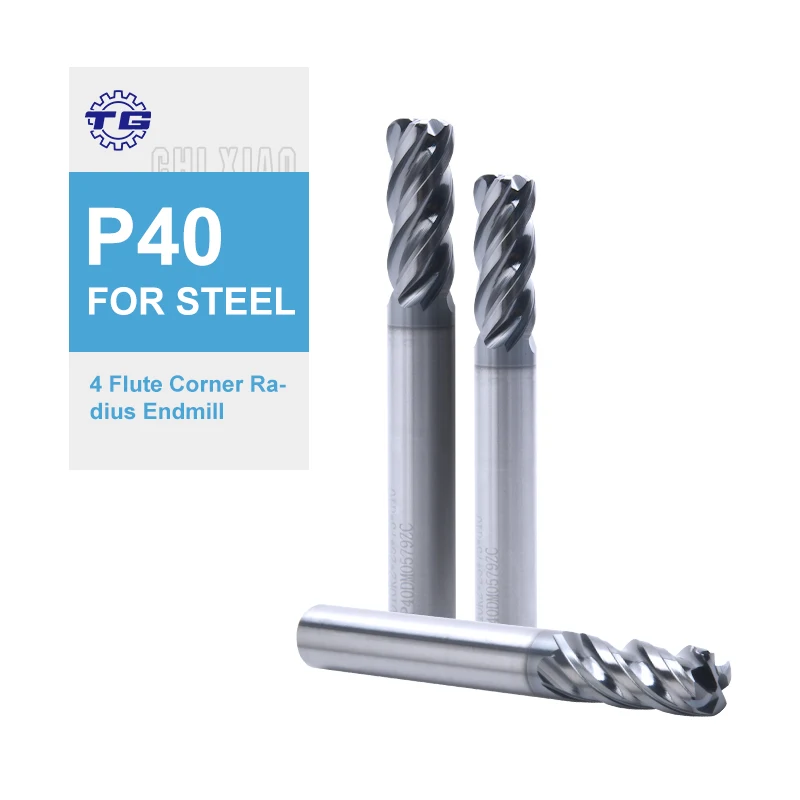
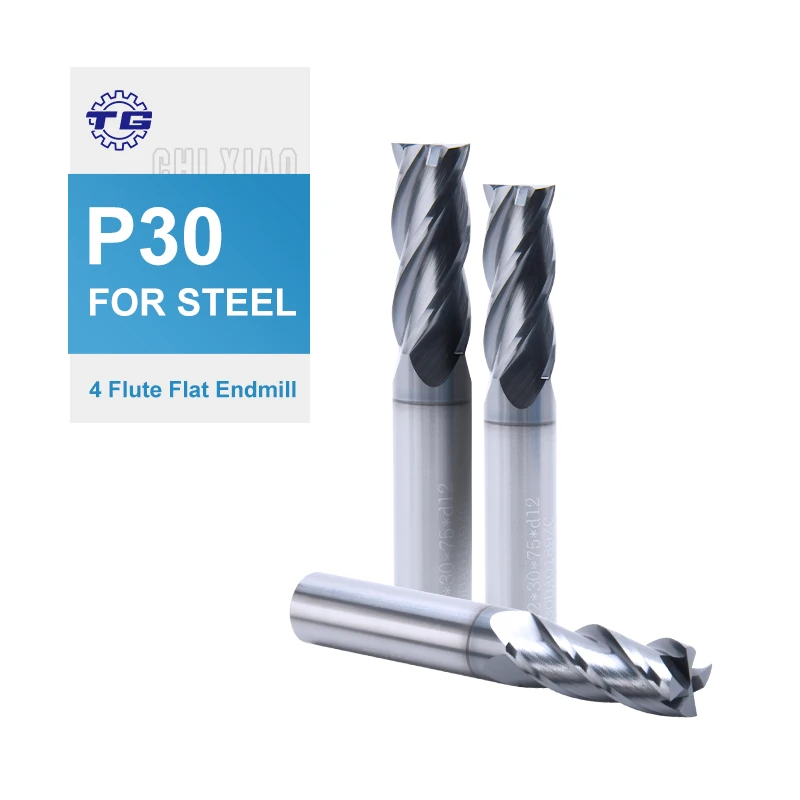
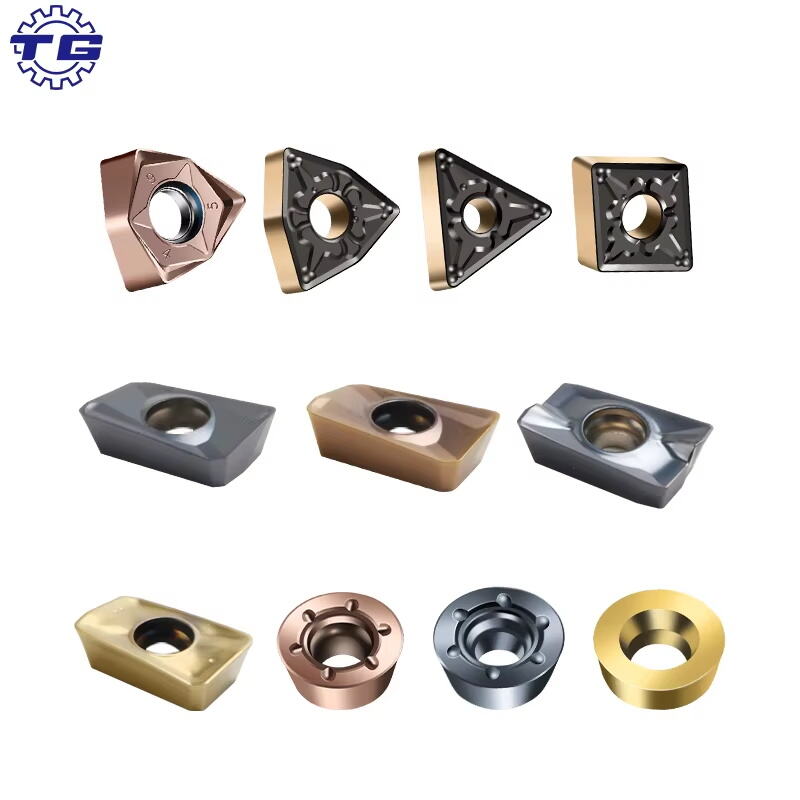
An insert milling cutter represents a sophisticated cutting tool designed for precision machining operations in modern manufacturing environments. This innovative tool features replaceable cutting inserts that can be quickly exchanged when worn, eliminating the need to replace the entire cutter body. The insert milling cutter consists of a sturdy tool body made from high-grade steel or specialized alloys, along with precisely engineered insert pockets that securely hold carbide or ceramic cutting inserts. These inserts are manufactured from advanced materials including tungsten carbide, cermet, or polycrystalline diamond, providing exceptional hardness and heat resistance during demanding cutting operations. The primary function of an insert milling cutter involves removing material from workpieces through rotational cutting action, creating flat surfaces, slots, contours, and complex geometric shapes with remarkable accuracy. Technological features include precise insert positioning systems, optimized chip evacuation geometries, and balanced designs that minimize vibration during high-speed operations. The tool body incorporates multiple insert seats arranged strategically around its circumference or face, allowing for efficient material removal rates while distributing cutting forces evenly. Modern insert milling cutters utilize advanced coating technologies on their inserts, such as titanium nitride, titanium carbonitride, or aluminum oxide layers, which significantly extend tool life and improve cutting performance. Applications span across diverse industries including aerospace, automotive, mold making, die manufacturing, and general engineering sectors. These cutters excel at machining various materials ranging from soft aluminum alloys to hardened steels, stainless steel, cast iron, and exotic superalloys. The versatility of insert milling cutters makes them indispensable for face milling, shoulder milling, slot cutting, ramping operations, and three-dimensional contouring tasks. Manufacturing facilities rely on these tools for both roughing operations that quickly remove large volumes of material and finishing operations that achieve tight tolerances and superior surface quality, making the insert milling cutter an essential component in contemporary metalworking operations.

New Products

The insert milling cutter delivers substantial cost savings for manufacturing operations by allowing users to replace only the worn cutting edges rather than purchasing entirely new tools. When an insert becomes dull, operators simply index it to a fresh cutting edge or replace it with a new insert, keeping the expensive tool body in continuous service for years. This approach reduces tooling expenditure significantly compared to solid carbide cutters that must be discarded or reground when worn. Time efficiency represents another compelling benefit, as changing inserts takes only minutes without removing the cutter from the machine spindle, minimizing downtime and maximizing productive machining hours. The quick-change capability means production schedules remain on track even during tool maintenance, directly impacting profitability and delivery commitments. Performance consistency stays remarkably high throughout the cutting process because fresh insert edges maintain optimal geometry and sharpness, ensuring dimensional accuracy and surface finish quality remain within specification. Manufacturing teams appreciate the predictable tool life that insert milling cutters provide, enabling better production planning and inventory management for replacement inserts. The versatility factor cannot be overstated, as a single cutter body accommodates different insert grades and geometries suited for various materials and cutting conditions. Operators can switch from machining aluminum to steel simply by changing insert types, making the insert milling cutter adaptable to diverse production requirements without investing in multiple specialized tools. Safety improvements come from reduced handling requirements since operators work with small inserts rather than large, heavy cutting tools during changeouts. The ergonomic advantages reduce workplace injuries and make tool management more accessible for all team members. Environmental benefits emerge from the reduced material waste associated with insert replacement versus disposing of entire cutting tools, aligning with sustainable manufacturing practices that modern companies prioritize. Heat dissipation characteristics of insert milling cutters prove superior because the insert seat design allows efficient thermal management, preventing excessive temperature buildup that could damage workpieces or compromise dimensional accuracy. Cutting speeds can be increased safely, boosting productivity without sacrificing quality. The standardization of insert formats across manufacturers provides supply chain flexibility, ensuring businesses can source replacement inserts from multiple vendors, avoiding production disruptions due to supply constraints. Inventory management becomes simpler as facilities stock compact inserts rather than bulky complete cutting tools, reducing storage space requirements and capital tied up in tooling inventory. Training new operators becomes easier since insert changing procedures follow straightforward protocols that can be learned quickly, reducing the skill barrier for workforce development and improving operational flexibility during staff changes or expansion.

Tips And Tricks

Why Do Milling Cutters Break and How to Prevent It?

10

Feb

Why Do Milling Cutters Break and How to Prevent It?

Manufacturing precision relies heavily on the performance and reliability of cutting tools, with the milling cutter serving as one of the most critical components in modern machining operations. Despite their robust design and engineering excellence,...
View More
When should you use carbide vs HSS end mill cutters?

10

Feb

When should you use carbide vs HSS end mill cutters?

Selecting the right cutting tool for machining operations is crucial for achieving optimal performance, surface finish, and tool longevity. The choice between carbide and high-speed steel (HSS) end mill cutters significantly impacts manufacturing eff...
View More
What are the main uses of tungsten carbide?

28

Feb

What are the main uses of tungsten carbide?

Tungsten carbide represents one of the most versatile and durable materials in modern industrial applications, combining exceptional hardness with remarkable wear resistance. This compound material, formed by combining tungsten and carbon atoms in eq...
View More
Why Are Carbide End Mills Better for Metal Cutting?

31

Mar

Why Are Carbide End Mills Better for Metal Cutting?

When it comes to precision metal cutting operations, the choice of cutting tool directly impacts productivity, surface finish quality, and overall manufacturing costs. Carbide end mills have emerged as the preferred solution for demanding metal cutti...
View More

Get a Free Quote

Our representative will contact you soon.
Email
Mobile
Name
Company Name
Message
0/1000

insert milling cutter

Revolutionary Replaceable Insert Technology Maximizes Tooling Investment

Revolutionary Replaceable Insert Technology Maximizes Tooling Investment

The insert milling cutter incorporates groundbreaking replaceable insert technology that fundamentally transforms how manufacturing facilities approach cutting tool economics and operational efficiency. Unlike traditional solid cutting tools that become unusable once their edges dull, this innovative design separates the cutting element from the tool body, creating a sustainable system where only the consumable insert requires replacement. The engineering behind this concept involves precision-machined insert pockets within the cutter body, designed to tolerances measured in microns, ensuring each insert seats with perfect repeatability and stability. Mechanical or screw clamping mechanisms secure inserts firmly against centrifugal forces during high-speed rotation, while precise locating features guarantee consistent cutting edge positioning relative to the tool centerline. This technological approach delivers exceptional value by extending the useful life of the expensive tool body indefinitely, as it never contacts the workpiece and suffers no wear. Manufacturers can amortize the initial investment across thousands of insert changes, dramatically reducing per-part tooling costs compared to disposable alternatives. The system accommodates multiple cutting edges on each insert, typically ranging from four to twelve usable edges depending on insert geometry, multiplying the value proposition further. When one edge dulls, operators simply loosen the clamping mechanism, rotate or flip the insert to expose a fresh edge, and resume cutting within minutes. This indexing capability means each insert purchase provides multiple complete tool lives, compounding the economic advantages. The standardized insert formats enable compatibility across different cutter bodies and even between various manufacturers, providing procurement flexibility and reducing inventory complexity. Facilities stock a manageable variety of insert types rather than maintaining extensive inventories of complete cutting tools in every size and configuration. The technology also facilitates rapid response to changing production requirements, as switching between materials or cutting strategies often requires only an insert grade change rather than complete tool replacement. Advanced coating technologies applied to inserts enhance performance characteristics specifically for different material families, optimizing cutting efficiency without requiring different cutter bodies. The thermal management benefits prove substantial, as the insert seat design creates controlled contact areas that channel heat away from critical cutting zones while allowing efficient coolant access. This thermal control extends both insert life and maintains workpiece integrity during demanding machining operations, particularly when processing heat-sensitive materials or achieving tight tolerances where thermal expansion could cause dimensional errors.
Superior Cutting Performance Across Diverse Materials and Operations

Superior Cutting Performance Across Diverse Materials and Operations

The insert milling cutter demonstrates exceptional cutting performance versatility that addresses the varied demands of modern manufacturing environments where facilities must process multiple material types and accomplish diverse machining tasks efficiently. Engineering advancements in insert geometry, substrate materials, and surface coatings have created cutting tools capable of handling everything from soft non-ferrous metals to hardened tool steels and challenging superalloys used in aerospace applications. The geometric design of cutting inserts incorporates sophisticated features including precisely calculated rake angles that control chip formation, clearance angles that prevent rubbing and heat buildup, and chip breaker patterns that curl and fracture chips into manageable sizes for easy evacuation. These geometric elements are optimized for specific applications, with different insert styles available for roughing operations requiring aggressive material removal, finishing operations demanding superior surface quality, or general-purpose machining balancing both requirements. Substrate materials have evolved beyond conventional tungsten carbide to include fine-grain and ultra-fine-grain carbides offering increased toughness for interrupted cuts, cermet compositions providing excellent wear resistance for cast iron machining, and polycrystalline diamond or cubic boron nitride for extreme hardness when processing abrasive materials or hardened workpieces. Coating technologies add another performance dimension, with multi-layer coatings engineered to provide wear resistance, reduced friction, thermal barriers, and chemical stability. Titanium aluminum nitride coatings excel at high-temperature stability for dry machining or high-speed operations, while diamond-like carbon coatings reduce friction when cutting sticky materials like aluminum alloys. The insert milling cutter achieves remarkable material removal rates during roughing operations, clearing large volumes of metal quickly to reduce cycle times and improve productivity. Simultaneously, the same tool platform can accommodate finishing inserts with polished surfaces and tight edge preparations that generate mirror-like surface finishes, eliminating secondary operations. This dual capability simplifies tool management and reduces the number of different cutters required on the production floor. Cutting parameter flexibility allows operators to optimize feeds and speeds for specific combinations of material, insert grade, and quality requirements, tailoring performance to exact application needs. The balanced design of insert milling cutters minimizes vibration even at high rotational speeds, maintaining stability that translates directly into dimensional accuracy and extended tool life. Interrupted cutting conditions, such as milling operations where inserts repeatedly enter and exit the cut, are handled confidently through careful insert edge preparation and substrate toughness that resist chipping and fracture. Coolant delivery systems integrated into many cutter designs direct cutting fluid precisely to the insert cutting edge, improving chip evacuation, reducing temperatures, and extending insert life while improving surface finish quality on the machined workpiece.
Enhanced Productivity Through Reduced Downtime and Simplified Tool Management

Enhanced Productivity Through Reduced Downtime and Simplified Tool Management

The insert milling cutter revolutionizes manufacturing productivity by dramatically minimizing non-cutting time and streamlining tool management processes that traditionally consume significant portions of production schedules. Conventional cutting tools require removal from machine spindles for sharpening or replacement when worn, involving time-consuming tasks including tool measurement, offset adjustments, and potential re-qualification of cutting parameters. This approach interrupts production flow, creates scheduling complications, and reduces the percentage of time machines spend actually cutting material. The insert replacement methodology eliminates these productivity barriers through rapid insert changes performed without removing the cutter body from the spindle. Operators access the insert using standard hex keys or torque wrenches, loosen the clamping screw, replace or index the insert, and torque the clamp to specification in typically under two minutes. Machine spindles remain undisturbed, preserving tool length offsets and eliminating re-measurement requirements. This capability proves particularly valuable in high-mix manufacturing environments where frequent changeovers between different parts or materials occur regularly. The predictability of insert life enables proactive tool management strategies where inserts are changed on schedule rather than waiting for failure, preventing scrapped parts from unexpected tool breakage and eliminating emergency interruptions. Manufacturing execution systems can incorporate planned insert changes into production schedules, treating them as brief, manageable events rather than disruptive crises. The standardization inherent in insert systems simplifies training requirements, as new operators learn universal procedures applicable across numerous cutting tools rather than tool-specific protocols. This standardization accelerates workforce development and cross-training initiatives, improving operational flexibility when staffing challenges arise. Inventory management becomes more efficient as facilities consolidate stocking around insert varieties rather than complete cutting tools, reducing capital investment in tooling inventories while improving availability of needed components. The compact size of inserts compared to complete tools means storage space requirements decrease substantially, freeing valuable floor space for productive equipment or additional inventory of other critical components. Supplier relationships simplify as purchasing departments work with fewer SKUs and can often source compatible inserts from multiple manufacturers, reducing supply chain risks and improving negotiating positions. Quality consistency improves because fresh insert cutting edges maintain geometry and sharpness throughout their usable life, producing parts within specification without the gradual degradation associated with resharpened tools. Statistical process control becomes more reliable when tool condition remains consistent, reducing process variation and improving capability indices. The economic model shifts from unpredictable tool consumption based on failure patterns to planned consumption based on known insert life characteristics, improving cost forecasting and budget management. Maintenance personnel spend less time on tool preparation activities like grinding and measuring, redirecting their expertise toward machine optimization and preventive maintenance that further enhances overall equipment effectiveness.
insert milling cutter-0
insert milling cutter-1

Get a Free Quote

Our representative will contact you soon.
Email
Mobile
Name
Company Name
Message
0/1000