Contact me immediately if you encounter problems!

All Categories

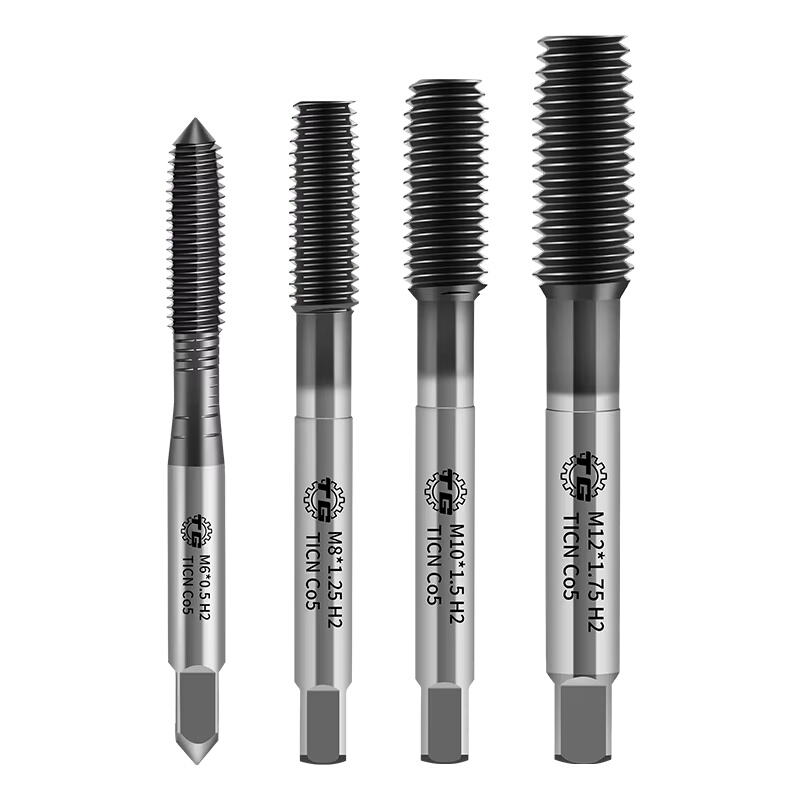
machine screw tap

A machine screw tap represents an essential cutting tool engineered specifically for creating precise internal threads within pre-drilled holes in various materials. This threading instrument operates through rotational cutting action, removing material systematically to form accurate thread profiles that accommodate machine screws and bolts. The machine screw tap distinguishes itself from other tapping tools through its standardized thread configurations, which align with universal fastening specifications used across manufacturing industries worldwide. These taps feature multiple flutes, which are helical or straight grooves machined along the tap body that serve dual purposes: they create the cutting edges necessary for thread formation and provide channels for chip evacuation during the threading process. The design incorporates a shank section for secure attachment to tapping equipment, a square drive end for manual operation or power tool engagement, and a chamfered cutting section that gradually engages the workpiece material. Machine screw taps are manufactured from high-speed steel, cobalt steel alloys, or carbide materials, each offering distinct performance characteristics suited to different operational requirements. The surface treatments applied to these tools, including titanium nitride coatings or steam tempering, significantly enhance wear resistance and extend operational lifespan. Thread sizes available span from miniature dimensions used in electronics assembly to larger formats employed in heavy machinery construction. The machine screw tap functions optimally when paired with appropriate cutting fluids, proper rotational speeds, and correct hole sizing, ensuring thread quality meets exacting standards. Industries ranging from automotive manufacturing to aerospace engineering rely extensively on machine screw taps for producing threaded connections that maintain structural integrity under demanding conditions. The versatility of the machine screw tap extends across materials including steel, aluminum, brass, plastics, and composite substances, making it indispensable for both production environments and maintenance operations.

New Products

The machine screw tap delivers numerous practical benefits that directly impact your production efficiency and cost management. First, this tool creates threads rapidly compared to alternative methods like thread milling or die threading, reducing cycle times significantly in manufacturing workflows. You can complete threading operations in seconds rather than minutes, multiplying your output capacity without requiring additional machinery investments. The precision offered by a quality machine screw tap ensures consistent thread dimensions across thousands of repetitions, eliminating variations that could compromise assembly quality or cause fastener compatibility issues. This consistency translates to fewer rejected parts and reduced waste in your production line. Another substantial advantage involves the cost-effectiveness of machine screw taps compared to other threading solutions. The initial investment remains modest, and the tool longevity means you replace cutting instruments less frequently, lowering your operational expenses over time. Maintenance requirements stay minimal, as the machine screw tap needs only periodic inspection and proper storage to maintain peak performance. The versatility these tools provide allows you to handle diverse threading tasks with a single equipment type, reducing inventory complexity and storage space requirements. You gain flexibility to work with various materials without switching to completely different tooling systems, streamlining your workshop organization. Operator training becomes straightforward because the machine screw tap utilizes intuitive operational principles, enabling new personnel to achieve proficiency quickly and reducing the learning curve associated with complex manufacturing processes. Safety features inherent in modern machine screw tap designs minimize workplace accidents, as the controlled cutting action reduces sudden tool breakage risks that could endanger operators. The compact size of these tools permits threading operations in confined spaces where larger equipment cannot access, expanding your capability to handle challenging workpiece geometries. Environmental considerations favor the machine screw tap as well, since the process generates minimal waste beyond metal chips that are easily recyclable, and modern cutting fluid formulations reduce ecological impact. Quality control becomes simpler because threaded holes produced by machine screw taps can be quickly verified using standard gauges, ensuring specifications are met without elaborate inspection procedures. The reliability of this threading method supports lean manufacturing principles by minimizing unexpected downtime and enabling predictable production scheduling that meets delivery commitments consistently.

Practical Tips

What is high speed steel and how does it work?

30

Dec

What is high speed steel and how does it work?

High speed steel represents one of the most significant innovations in metallurgy and machining technology. This specialized alloy has revolutionized manufacturing processes across countless industries, enabling precision cutting operations at speeds...
View More
How do different drill bit materials affect performance?

30

Dec

How do different drill bit materials affect performance?

Understanding the relationship between drill bit materials and their performance characteristics is crucial for professionals working in manufacturing, construction, and metalworking industries. The material composition of a drill bit directly influe...
View More
Why Do Milling Cutters Break and How to Prevent It?

10

Feb

Why Do Milling Cutters Break and How to Prevent It?

Manufacturing precision relies heavily on the performance and reliability of cutting tools, with the milling cutter serving as one of the most critical components in modern machining operations. Despite their robust design and engineering excellence,...
View More
What Types of Milling Cutter Tools Are Best for Different Materials?

28

Feb

What Types of Milling Cutter Tools Are Best for Different Materials?

Modern manufacturing relies heavily on precision machining to create complex components across various industries. The selection of appropriate milling cutter tools forms the cornerstone of successful CNC operations, directly impacting surface finish...
View More

Get a Free Quote

Our representative will contact you soon.
Email
Mobile
Name
Company Name
Message
0/1000

machine screw tap

Superior Thread Accuracy and Consistency

Superior Thread Accuracy and Consistency

The machine screw tap excels in delivering exceptional thread accuracy that meets or exceeds international standards such as ISO metric specifications and Unified Thread Standards. This precision stems from advanced manufacturing processes that create tap geometry with tolerances measured in micrometers, ensuring each thread cut matches exact specifications required for proper fastener engagement. When you use a machine screw tap in production, every threaded hole maintains identical pitch dimensions, major and minor diameters, and thread angles, regardless of whether you are creating the first thread or the ten-thousandth. This consistency proves crucial in assembly operations where components from different production batches must interchange seamlessly without adjustments or compatibility concerns. The uniform thread quality eliminates situations where fasteners bind, strip, or fail to achieve proper torque values during installation. Manufacturing facilities benefit substantially from this predictability because quality assurance processes become streamlined, reducing inspection time and associated labor costs. The machine screw tap achieves this accuracy through carefully engineered cutting edge geometries that distribute cutting forces evenly across multiple flutes, preventing deflection that could distort thread profiles. The chamfer design at the tap entry point gradually introduces cutting action, avoiding sudden loading that might cause dimensional variations in the initial thread convolutions. Material removal occurs in controlled increments, producing smooth thread surfaces with minimal burrs or torn metal that could interfere with fastener performance. This surface quality directly impacts the functional lifespan of threaded connections, as smoother threads distribute stress more evenly and resist fatigue failures that plague poorly formed threads. Additionally, the machine screw tap maintains accuracy even as it progresses through its operational life, with gradual wear patterns that remain predictable and measurable. You can establish tool replacement schedules based on documented performance degradation rather than experiencing unexpected quality failures. This reliability supports statistical process control initiatives and continuous improvement programs that depend on stable, repeatable manufacturing outcomes to identify genuine process variations rather than tool-induced inconsistencies.
Enhanced Productivity Through Efficient Chip Management

Enhanced Productivity Through Efficient Chip Management

The machine screw tap incorporates sophisticated chip evacuation technology that dramatically improves productivity by preventing the operational disruptions caused by chip accumulation during threading processes. The flute design engineered into these tools creates pathways that actively channel metal chips away from the cutting zone as threads form, maintaining clear access for cutting edges to engage fresh material continuously. This chip management capability becomes increasingly important when threading deeper holes or working with materials that produce long, stringy chips rather than breaking into manageable fragments. Without effective evacuation, chips pack into the flutes and blind holes, creating pressure that can break taps, damage threads, or force operation cessation for manual chip removal. The machine screw tap addresses these challenges through flute geometries optimized for specific materials and applications, with options including straight flutes for through-holes, spiral flutes that pull chips upward out of blind holes, and spiral pointed designs that push chips ahead of the tap into the hole bottom. Selecting the appropriate flute configuration for your application eliminates chip-related interruptions that fragment production flow and reduce equipment utilization rates. Productivity gains extend beyond avoiding stoppages, as efficient chip evacuation allows higher cutting speeds without compromising thread quality or tool life. You can increase spindle speeds within recommended parameters, completing each threading operation faster and multiplying throughput across work shifts. The thermal management benefits accompanying proper chip removal also contribute to productivity, since evacuated chips carry heat away from the cutting zone rather than allowing temperature buildup that accelerates tool wear and degrades thread surface finish. Cutting fluid reaches the working surfaces more effectively when chips do not obstruct fluid flow, enhancing lubrication and cooling that sustain optimal cutting conditions throughout extended production runs. Manufacturing operations experience fewer unexpected tool failures because chip-induced stress concentrations are eliminated, allowing predictable tool life that supports planned maintenance schedules rather than reactive responses to broken taps. The time saved by avoiding tap extraction procedures, hole repair operations, and workpiece scrapping accumulates substantially over production volumes, directly improving your bottom-line profitability while maintaining delivery schedule integrity.
Exceptional Versatility Across Materials and Applications

Exceptional Versatility Across Materials and Applications

The machine screw tap demonstrates remarkable versatility by accommodating an extensive range of materials and threading applications that would otherwise require multiple specialized tools or alternative processes. This adaptability originates from the availability of machine screw taps in various material compositions and coating options, each optimized for specific workpiece characteristics and operational demands. High-speed steel taps handle general-purpose threading in common metals like mild steel, aluminum, and brass, providing cost-effective solutions for standard production requirements. Cobalt-enriched high-speed steel variants extend capability into harder materials including stainless steels and heat-treated alloys where standard taps would wear prematurely. Carbide machine screw taps address the most demanding applications involving abrasive materials, high-volume production requiring extended tool life, or automated operations where tool changes disrupt efficiency. Surface coatings such as titanium nitride, titanium carbonitride, or diamond-like carbon further expand material compatibility by reducing friction, preventing chip welding to cutting edges, and creating thermal barriers that protect tool substrates from heat damage. This range of options means you can select machine screw taps specifically matched to your workpiece materials and production volumes, optimizing performance and economics simultaneously. The versatility extends to thread sizes, with machine screw taps available in comprehensive size ranges from miniature threads used in precision instruments and electronics to larger dimensions required for industrial machinery and structural applications. Standard, fine, and extra-fine pitch options accommodate different strength requirements and adjustment precision needs within your designs. Thread form versatility includes standard metric and unified threads plus specialized profiles for specific industries, all achievable with machine screw tap technology. Application environments spanning manual workshops to CNC machining centers can utilize machine screw taps effectively, with designs suited to hand tapping, drill press operations, or fully automated multi-spindle production systems. This flexibility reduces capital equipment requirements since threading capability integrates into existing machinery rather than demanding dedicated threading machines. The machine screw tap handles both through-holes and blind holes competently, with appropriate flute styles selected based on hole configuration, eliminating the need for completely different tooling approaches depending on workpiece geometry. Temperature extremes present in some manufacturing environments, from cold working of cryogenically treated components to threading operations on warm workpieces, remain within machine screw tap operational capabilities when proper tool selection and cutting parameters are applied.

machine screw tap-0
machine screw tap-1

Get a Free Quote

Our representative will contact you soon.
Email
Mobile
Name
Company Name
Message
0/1000