tap and die tools
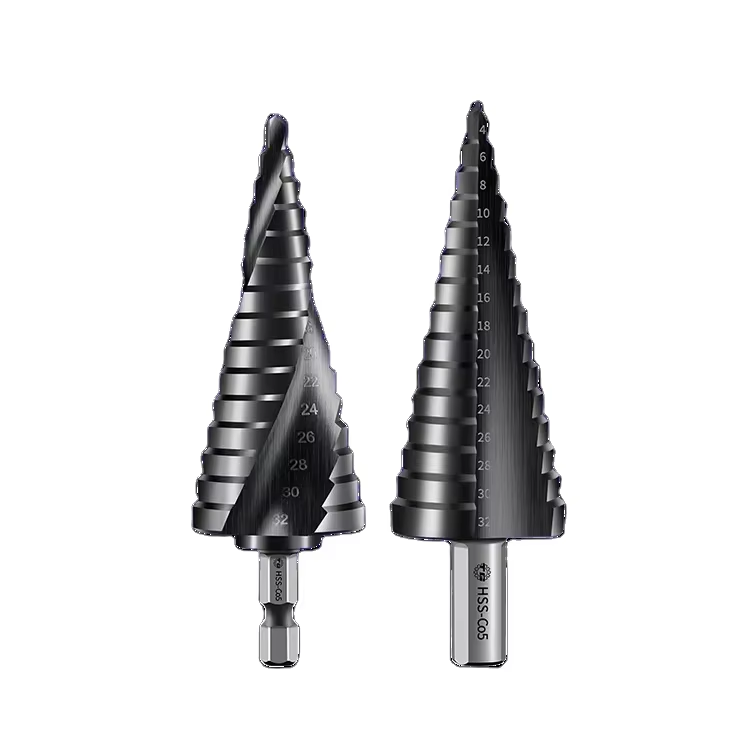
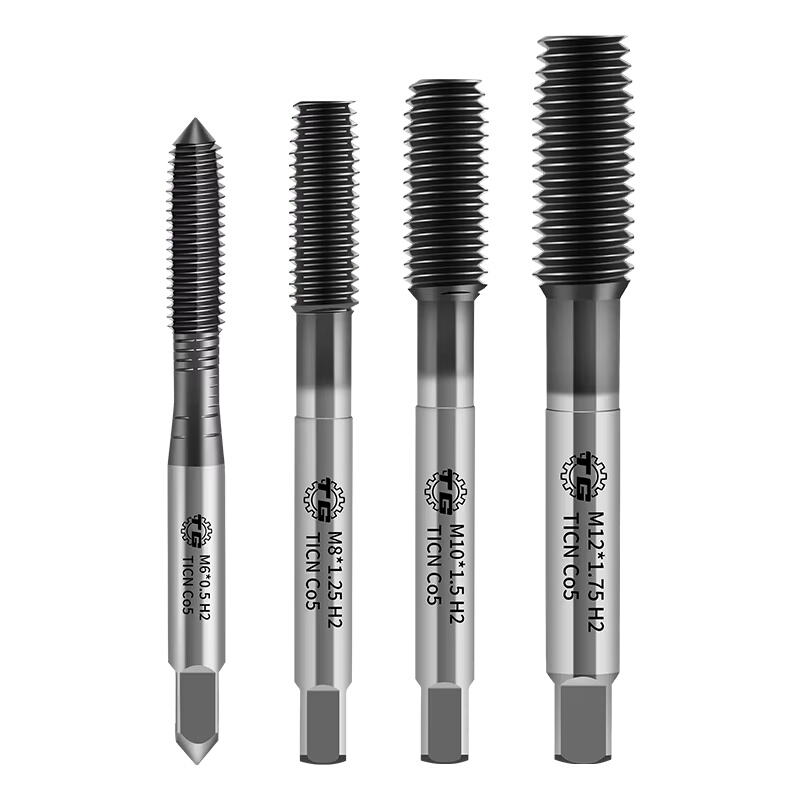
Tap and die tools represent essential equipment for anyone working with threaded fasteners, whether in professional workshops, manufacturing facilities, or home garages. These precision instruments enable users to create or repair threads on bolts, screws, and various metal components with remarkable accuracy. A tap is designed to cut internal threads inside holes, allowing screws and bolts to be inserted securely, while a die creates external threads on rods, pipes, and cylindrical workpieces. Together, tap and die tools form a comprehensive threading solution that addresses virtually every fastening challenge. The primary function of these tools centers on thread formation through material removal. Taps feature fluted cutting edges that gradually remove metal as they rotate into pre-drilled holes, forming precise helical grooves. Dies operate similarly but work on the outside of cylindrical stock, using adjustable cutting mechanisms to achieve desired thread specifications. Modern tap and die tools incorporate advanced metallurgy, typically manufactured from high-speed steel or carbon steel with specialized heat treatments that ensure longevity and consistent performance. The technological features include progressive cutting geometries that reduce torque requirements, spiral flute designs that efficiently evacuate chips, and standardized sizing that corresponds to international threading specifications like metric, UNC, and UNF standards. Applications span numerous industries including automotive repair, plumbing installations, machinery maintenance, construction projects, and aerospace manufacturing. Professional mechanics rely on tap and die tools to restore damaged threads on engine components, while plumbers use them to modify pipe fittings for custom installations. Hobbyists and DIY enthusiasts find these tools invaluable for furniture assembly, equipment modifications, and general repair tasks. The versatility of tap and die tools extends to working with various materials including steel, aluminum, brass, copper, and certain plastics, making them indispensable across diverse technical disciplines and skill levels.

 EN
EN