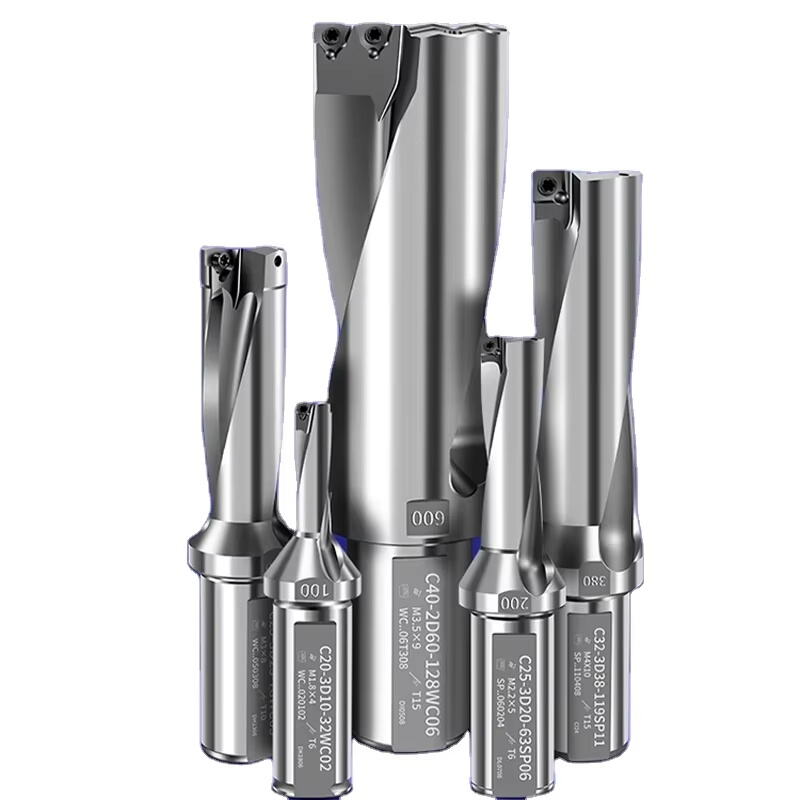
Exceptional Versatility Across Materials and Applications
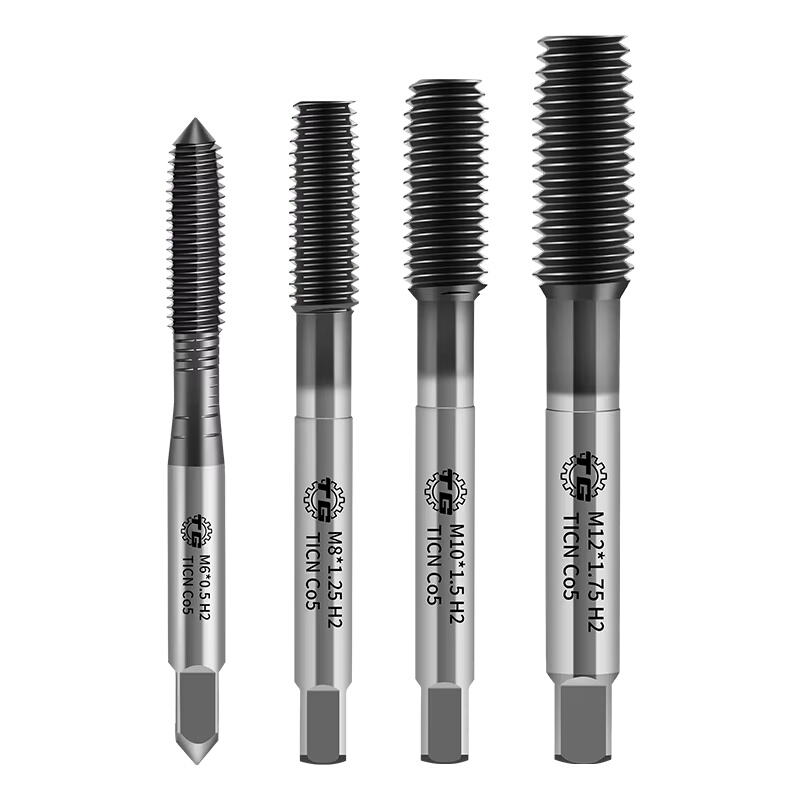
The helical tap demonstrates exceptional versatility that makes it the preferred threading solution across an remarkably wide spectrum of materials, hole configurations, and manufacturing applications, providing both flexibility and reliability that modern production environments require. This adaptability stems from fundamental design characteristics that accommodate varying material properties and machining conditions without requiring specialized variants for each specific situation. When working with aluminum alloys commonly found in automotive and aerospace components, the helical tap efficiently manages the soft, gummy chips these materials produce, preventing the buildup that often causes problems with other tap designs. The same tool transitions seamlessly to cutting threads in stainless steel, where its optimized geometry and available coating options handle the work-hardening tendencies and higher cutting forces these tougher alloys present. Cast iron applications benefit from the helical tap's ability to fracture and evacuate the brittle, abrasive chips this material generates, while operations involving titanium alloys rely on its efficient cutting action to minimize the heat buildup that damages both tool and workpiece. This material versatility means your tool inventory can consolidate around helical taps rather than stocking multiple specialized tap types, simplifying procurement, reducing storage requirements, and minimizing the confusion that occurs when operators must select from numerous similar-appearing tools. The geometric adaptability of helical taps extends to various hole depths and configurations. Through-hole applications maximize the chip evacuation advantages as chips exit completely from the opposite end, while blind-hole tapping still benefits from improved chip management even though chips must eventually reverse direction. Different helix angles available in helical tap product lines allow matching tool specifications to specific requirements, with standard angles serving general purposes and specialized angles optimizing performance for particular challenging applications. Manufacturing processes ranging from small job shops producing custom components to high-volume automated production lines incorporate helical taps successfully. In manual operations, the reduced cutting resistance makes tapping easier for operators using hand tools, decreasing fatigue and improving safety by reducing the likelihood of sudden tool breakage or slipping that causes injuries. CNC machining centers and dedicated tapping machines achieve higher productivity with helical taps because the reliable chip evacuation permits lights-out operation without risk of chip-related failures requiring intervention. Rigid tapping cycles, synchronous tapping, and conventional tapping methods all work effectively with these versatile tools. Industry applications span automotive engine and transmission manufacturing, aerospace structural component production, medical device fabrication, mold and die construction, general machinery assembly, maintenance and repair operations, and countless other scenarios where reliable internal threads are essential. Whether you are tapping M6 threads in thin aluminum brackets or creating large-diameter threads in thick steel flanges, helical tap technology adapts to your specific requirements while delivering the consistent quality and performance that distinguish professional-grade threading operations from amateur attempts, making it an indispensable tool for any serious manufacturing operation.

 EN
EN