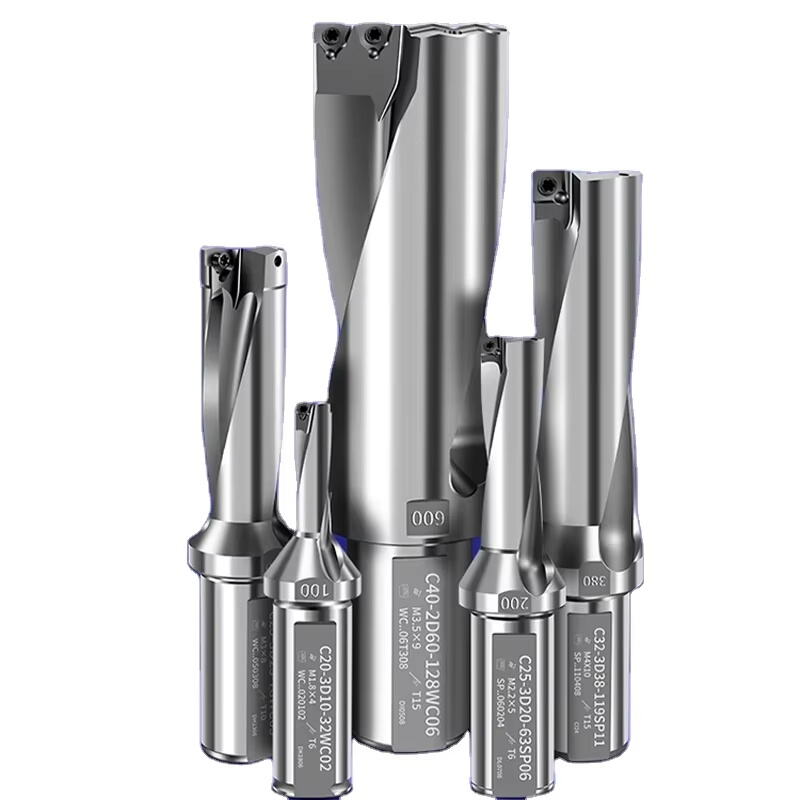
carbide spade drill inserts
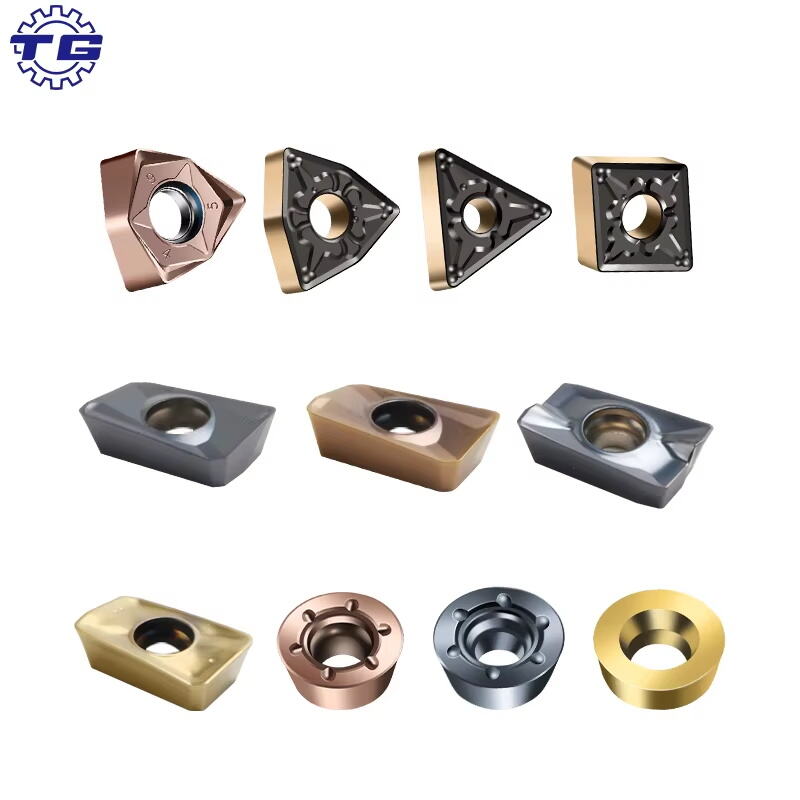
Carbide spade drill inserts represent a revolutionary advancement in precision drilling technology, designed to deliver exceptional performance in deep hole drilling operations across various industrial applications. These specialized cutting tools feature a unique flat, spade-like geometry that distinguishes them from conventional twist drills, making them ideal for producing straight, accurate holes in demanding metalworking environments. The carbide spade drill inserts are manufactured from high-grade tungsten carbide material, which provides superior hardness, wear resistance, and thermal stability compared to traditional high-speed steel alternatives. The fundamental design consists of a replaceable insert that mounts onto a steel blade body, creating an economical solution that allows operators to replace only the worn cutting edge rather than the entire tool assembly. This modular construction significantly reduces operational costs while maintaining consistent drilling precision throughout production runs. The main functions of carbide spade drill inserts encompass deep hole drilling, rough boring, and semi-finishing operations in materials ranging from soft aluminum alloys to hardened steels and exotic super alloys. Their technological features include precisely ground cutting edges, optimized chip evacuation channels, and advanced coating options such as TiN, TiAlN, or AlCrN that further enhance tool life and performance. The geometric configuration allows for effective coolant delivery directly to the cutting zone, ensuring efficient heat dissipation and chip removal during high-speed machining operations. Industries such as aerospace, automotive, oil and gas, mold making, and general manufacturing rely heavily on carbide spade drill inserts for producing critical components requiring tight tolerances and excellent surface finishes. These inserts excel in applications where hole depth-to-diameter ratios exceed conventional drilling capabilities, typically handling ratios from 10:1 up to 40:1 or greater depending on specific operational parameters and workpiece materials.

 EN
EN