Contact me immediately if you encounter problems!

All Categories

indexable drill

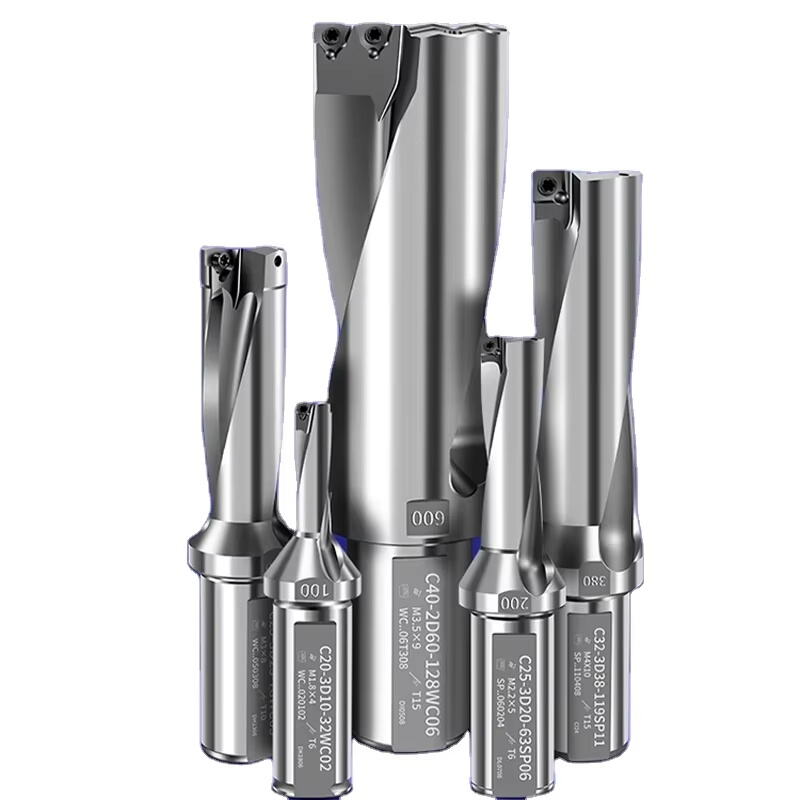
The indexable drill represents a significant advancement in modern metalworking and precision drilling operations. This innovative cutting tool features replaceable carbide inserts that mount securely onto a steel drill body, creating a highly efficient and cost-effective drilling solution for manufacturing environments. Unlike traditional solid carbide drills or brazed-tip designs, the indexable drill allows operators to simply rotate or replace worn cutting edges without discarding the entire tool body. This modular approach transforms how businesses manage their drilling operations and tool inventories. The primary functions of an indexable drill include creating precise holes in various materials such as steel, stainless steel, cast iron, aluminum, and exotic alloys used across aerospace, automotive, energy, and general manufacturing sectors. The technological features incorporated into these tools reflect decades of engineering research and practical application knowledge. Advanced geometries optimize chip evacuation, while precisely engineered insert pockets ensure repeatable positioning and secure clamping forces. Coolant delivery systems integrated within the drill body direct cutting fluid precisely to the cutting edge, reducing heat buildup and extending tool life significantly. The drill body itself is manufactured from high-strength steel alloys that provide excellent rigidity and vibration dampening characteristics essential for achieving superior hole quality and dimensional accuracy. Applications for the indexable drill span numerous industries and drilling scenarios, from through-hole drilling in structural components to precision boring operations requiring tight tolerances. Manufacturing facilities appreciate the versatility these tools bring to both CNC machining centers and manual drilling machines. The indexable drill excels particularly in production environments where consistent hole quality, rapid tool changes, and predictable tool life directly impact profitability and operational efficiency.

New Product Recommendations

Businesses that adopt indexable drill technology discover numerous practical benefits that directly improve their bottom line and operational capabilities. The most immediate advantage comes from dramatically reduced tooling costs compared to traditional drilling methods. When a cutting edge wears out on a conventional drill, the entire tool becomes scrap metal. With an indexable drill, you simply rotate the insert to a fresh cutting edge or replace only the small carbide insert, preserving the expensive drill body for continued use. This approach can reduce your per-hole tooling costs by seventy percent or more in high-volume production scenarios. Your maintenance teams will appreciate how quickly they can change inserts, typically completing the entire process in under two minutes without removing the drill from the machine spindle. This speed translates to minimal production downtime and keeps your manufacturing schedule on track even during tool changes. The consistent performance of fresh cutting edges means your operators can rely on predictable tool life and plan tool changes during natural production breaks rather than experiencing unexpected tool failures that halt production lines. Quality improvements represent another significant advantage that impacts your final product and customer satisfaction. The precision-ground carbide inserts maintain sharp cutting edges that produce cleaner holes with superior surface finishes and tighter dimensional tolerances. Your inspection department will notice fewer rejected parts due to hole quality issues, and downstream assembly operations benefit from properly sized and positioned holes that facilitate easier component fitting. The indexable drill also enables your shop to tackle a broader range of materials and drilling conditions without investing in completely different tool systems. By selecting appropriate insert grades and geometries for specific materials, you can optimize one drill body for multiple applications, reducing your tool inventory requirements and simplifying your tool management processes. Environmental and safety considerations also favor indexable drill adoption. The reduced carbide consumption means less mining of raw materials and lower manufacturing energy inputs across your supply chain. Your facility generates less tooling waste, and the simplified tool changing procedures reduce operator exposure to sharp edges and potential injury risks. Training new operators becomes easier because the indexable drill system standardizes procedures across different hole sizes and applications, building operator confidence and competency more quickly than managing dozens of different solid drill designs.

Latest News

How do different drill bit materials affect performance?

30

Dec

How do different drill bit materials affect performance?

Understanding the relationship between drill bit materials and their performance characteristics is crucial for professionals working in manufacturing, construction, and metalworking industries. The material composition of a drill bit directly influe...
View More
How to Choose the Right Milling Cutter for Your Project?

10

Feb

How to Choose the Right Milling Cutter for Your Project?

Selecting the appropriate milling cutter for your machining project is a critical decision that directly impacts production efficiency, surface finish quality, and overall manufacturing costs. Whether you're working with aluminum, steel, or exotic al...
View More
When should you use carbide vs HSS end mill cutters?

10

Feb

When should you use carbide vs HSS end mill cutters?

Selecting the right cutting tool for machining operations is crucial for achieving optimal performance, surface finish, and tool longevity. The choice between carbide and high-speed steel (HSS) end mill cutters significantly impacts manufacturing eff...
View More
What are the differences between high-speed steel and carbide tools?

31

Mar

What are the differences between high-speed steel and carbide tools?

Manufacturing professionals constantly face critical decisions about cutting tool selection, with material choice being perhaps the most fundamental consideration. The choice between high-speed steel and carbide tools directly impacts machining perfo...
View More

Get a Free Quote

Our representative will contact you soon.
Email
Mobile
Name
Company Name
Message
0/1000

indexable drill

Revolutionary Insert Technology Delivers Unmatched Cost Efficiency

Revolutionary Insert Technology Delivers Unmatched Cost Efficiency

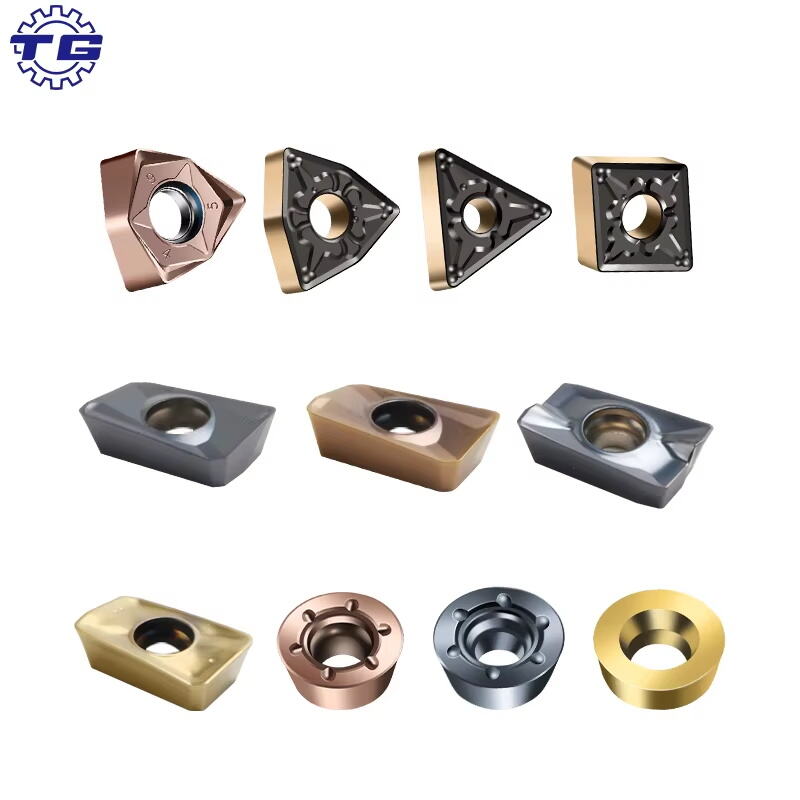
The heart of every indexable drill system lies in its sophisticated carbide insert technology, which fundamentally changes the economics of drilling operations. These precision-engineered inserts feature multiple cutting edges, typically two to four depending on the design, allowing you to index to a fresh edge when wear occurs rather than discarding the entire cutting tool. Each insert undergoes rigorous manufacturing processes including powder metallurgy carbide formation, precision grinding of cutting geometries, and application of advanced coating systems that enhance wear resistance and reduce friction. The coatings applied to modern inserts include titanium aluminum nitride, diamond-like carbon, and multilayer compositions that withstand extreme temperatures and abrasive wear conditions encountered during drilling. The geometric design of each insert cutting edge incorporates carefully calculated rake angles, clearance angles, and chip-breaking features that control chip formation and evacuation. This engineering optimization ensures that metal chips flow smoothly away from the cutting zone rather than packing into the hole or welding to the cutting edge, conditions that cause premature failure in poorly designed tools. The indexable drill insert seats within a precision-machined pocket in the drill body, held securely by mechanical clamping screws that generate tremendous holding forces while allowing quick release for insert rotation or replacement. The pocket design ensures that each indexed position locates the cutting edge in exactly the same spatial relationship to the drill centerline, maintaining consistent hole size and quality throughout the insert life cycle. From a financial perspective, the cost advantages become compelling when you calculate total drilling costs rather than simply comparing initial tool prices. A quality indexable drill body represents a higher upfront investment than a disposable solid drill, but this body remains productive through hundreds of insert changes over many years of service. The small carbide inserts cost a fraction of a complete solid drill, and their multiple cutting edges multiply the value further. Production managers who track cost per hole consistently find that indexable drill systems deliver the lowest total cost in medium to high volume applications, often paying back the initial investment within weeks of implementation in busy manufacturing environments.
Superior Hole Quality Through Advanced Engineering Design

Superior Hole Quality Through Advanced Engineering Design

Achieving consistent, high-quality holes requires more than just sharp cutting edges; it demands a comprehensive engineering approach that addresses every aspect of the drilling process. The indexable drill accomplishes this through integrated design features that work together to control cutting forces, manage heat generation, evacuate chips efficiently, and maintain precise tool positioning throughout the drilling cycle. The drill body geometry plays a crucial role in hole quality outcomes. Engineers design these bodies with optimal length-to-diameter ratios that provide necessary reach while maximizing rigidity to resist deflection under cutting loads. Deflection during drilling produces oversized, out-of-round, or poorly positioned holes that create assembly problems and may require expensive secondary operations to correct. The robust construction of indexable drill bodies minimizes these issues, delivering holes that consistently meet dimensional specifications without additional processing. Coolant delivery systems integrated into the indexable drill represent another critical quality-enhancing feature. Internal coolant passages route cutting fluid from the machine spindle through the drill body and direct it precisely at the cutting edge-workpiece interface. This targeted coolant delivery accomplishes multiple objectives simultaneously. The fluid removes heat generated by the cutting process, preventing thermal expansion that affects hole size and reducing the risk of heat-related workpiece distortion. The pressurized coolant stream also flushes chips away from the cutting zone and out of the hole, preventing chip recutting and the surface damage it causes. Proper coolant application extends insert life substantially while improving surface finish quality. The self-centering characteristics of well-designed indexable drills contribute significantly to hole position accuracy. The drill point geometry and the balanced cutting forces generated by symmetrically positioned inserts help the tool resist walking across the workpiece surface during initial engagement. This characteristic proves especially valuable when drilling angled surfaces or locations without center drilling preparation. Operators appreciate how these drills reliably produce holes in the programmed positions without requiring multiple attempts or special fixturing. The combination of sharp carbide cutting edges, rigid tool construction, optimized geometries, and effective coolant delivery creates a drilling system that consistently produces holes meeting the most demanding quality standards across a wide range of materials and operating conditions.
Operational Flexibility That Adapts to Diverse Manufacturing Needs

Operational Flexibility That Adapts to Diverse Manufacturing Needs

Modern manufacturing environments demand tools that accommodate changing production requirements, diverse material specifications, and varying batch sizes without requiring extensive retooling or process redevelopment. The indexable drill system delivers this operational flexibility through its modular design philosophy and extensive range of available configurations. A single drill body can accept different insert grades optimized for specific material families, allowing your shop to switch from drilling mild steel to stainless steel or aluminum simply by changing inserts rather than investing in completely different drill designs. This adaptability proves invaluable for job shops and contract manufacturers who face constantly changing workpiece materials and specifications. The insert selection available for indexable drill systems spans an impressive range of grades, geometries, and coating options. Inserts designed for steel cutting feature tough carbide substrates and wear-resistant coatings that withstand the heat and pressure of drilling ferrous materials. Aluminum-specific inserts incorporate sharper cutting edges and polished surfaces that prevent material adhesion and built-up edge formation common when machining soft, sticky metals. Inserts for hardened materials and exotic alloys use ultra-hard carbide grades and specialized coatings that maintain cutting edge integrity under extreme conditions. This extensive selection means you can optimize drilling performance for each specific application rather than accepting compromised results from general-purpose tools. The size range available in indexable drill systems covers virtually every common hole diameter from small precision holes to large-diameter drilling operations. Manufacturers offer bodies in incremental sizes, and adjustable designs allow fine-tuning of hole diameter by precisely positioning inserts within their pockets. This adjustability helps compensate for insert wear during production runs or accommodate tight tolerance requirements without tool replacement. The indexable drill also integrates seamlessly with modern CNC machine tools and Industry 4.0 manufacturing concepts. Tool identification systems can track insert usage and predict remaining tool life, triggering automatic tool change routines before insert failure occurs. Data collected during drilling operations provides insights into process optimization opportunities and helps establish best practices that improve consistency across multiple machines and operators. The standardization that indexable drill systems bring to your drilling operations simplifies programming, reduces setup time, and builds institutional knowledge that persists even as workforce composition changes. Maintenance personnel appreciate the straightforward service procedures and the reduced spare parts inventory required compared to managing extensive collections of solid drills in numerous sizes and specifications.
indexable drill-0
indexable drill-1

Get a Free Quote

Our representative will contact you soon.
Email
Mobile
Name
Company Name
Message
0/1000