Contact me immediately if you encounter problems!

All Categories

insert drill bit

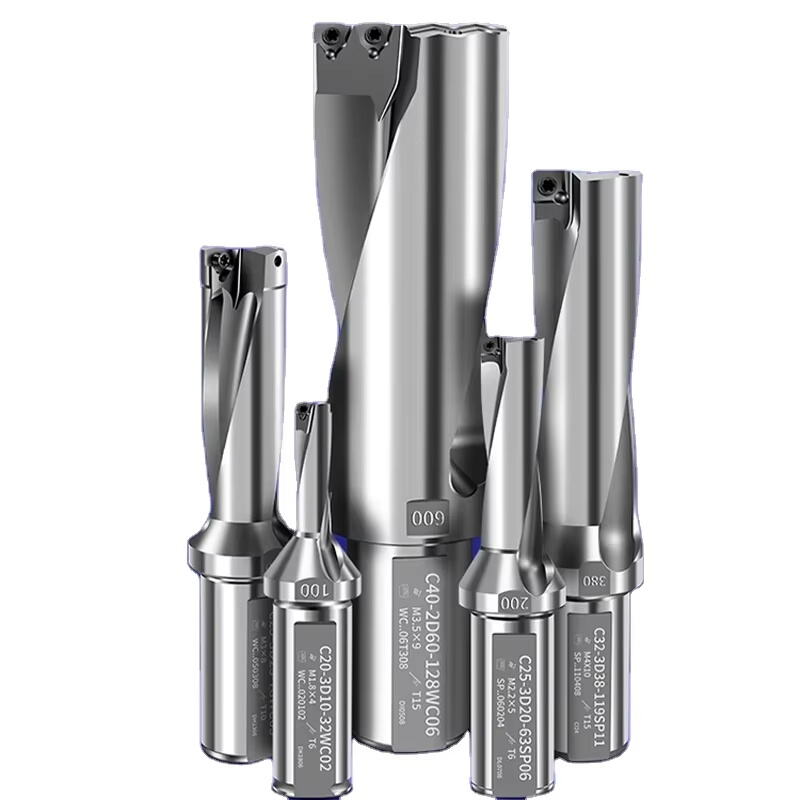
The insert drill bit represents a significant advancement in drilling technology, offering professionals and industrial operators a reliable solution for demanding applications. This specialized cutting tool features replaceable carbide inserts strategically positioned along the bit body, enabling efficient material removal across various substrates. Unlike traditional twist bits or solid carbide options, the insert drill bit provides a modular approach to drilling operations, where worn cutting edges can be replaced individually without discarding the entire tool body. The main functions of this innovative drilling solution include creating precise holes in hard materials such as steel, cast iron, stainless steel, and various alloys. The technological features distinguish this tool from conventional alternatives through its robust construction and intelligent design. Each carbide insert undergoes precision grinding to achieve optimal geometry, ensuring consistent cutting performance throughout extended operational periods. The bit body itself is manufactured from high-grade steel, providing the necessary rigidity to withstand substantial drilling forces while maintaining accuracy. The indexable nature of the inserts allows operators to rotate or replace cutting edges quickly, minimizing downtime and maximizing productivity. Applications for the insert drill bit span multiple industries, including automotive manufacturing, aerospace component production, heavy equipment fabrication, and general metalworking operations. Oil and gas sectors rely on these tools for pipeline construction and maintenance, while construction professionals utilize them for structural steel preparation. The versatility of the insert drill bit makes it suitable for both through-hole drilling and spot-facing operations. Machine shops benefit from the extended tool life and consistent hole quality that these bits deliver. The cooling channels integrated into many insert drill bit designs facilitate efficient chip evacuation and heat dissipation, further enhancing performance during high-speed operations. This combination of replaceable cutting technology and durable construction creates a cost-effective solution for operations requiring frequent drilling in challenging materials.

New Product Recommendations

Choosing the insert drill bit delivers immediate financial benefits by significantly reducing tool replacement costs over time. When cutting edges wear down, you simply replace the small carbide inserts rather than purchasing an entirely new drill bit, which translates to substantial savings, especially in high-volume production environments. This economic advantage becomes even more pronounced when working with expensive large-diameter bits where replacement costs can be considerable. The quick-change capability of the insert drill bit transforms your operational efficiency by eliminating lengthy tool changes. Workers can swap out inserts in minutes without removing the bit from the machine spindle in many cases, keeping production lines moving smoothly and meeting tight deadlines. This time-saving feature directly impacts your bottom line by increasing the number of parts produced per shift. Your drilling operations gain remarkable consistency because each new insert provides the same sharp cutting edge as the original, ensuring uniform hole quality across production runs. This predictability helps maintain tight tolerances and reduces rejection rates, protecting your reputation for quality workmanship. The superior heat resistance of carbide inserts means the insert drill bit performs exceptionally well in continuous operation scenarios where traditional bits would fail prematurely. The material properties of carbide allow these tools to maintain their cutting edge geometry even under extreme temperatures generated during high-speed drilling. You will notice improved surface finishes on drilled holes because the precision-ground inserts create cleaner cuts with less vibration and chatter. This enhanced finish quality often eliminates secondary finishing operations, saving additional processing time and labor costs. The versatility of the insert drill bit extends your capability to tackle diverse materials without maintaining separate tool inventories for each substrate type. By selecting appropriate insert grades, the same bit body can drill everything from soft aluminum to hardened tool steels. Your maintenance requirements decrease substantially because the robust steel body of the insert drill bit withstands years of service when properly maintained. The separation of cutting function and structural support means the expensive carbide material is used only where needed at the cutting edges, while the less costly steel body provides strength and rigidity. Environmental considerations favor the insert drill bit as well, since replacing small inserts generates far less waste than discarding entire drill bits. This sustainability aspect aligns with modern manufacturing goals while providing practical benefits. Your operators will appreciate the reduced physical effort required during tool changes, as handling small inserts is easier than managing full-size drill bits, particularly in larger diameters. The standardized insert geometries mean you can stock fewer varieties while still covering a wide range of drilling applications, simplifying inventory management and reducing capital tied up in tooling.

Tips And Tricks

How to choose the right drill bit size for your needs?

10

Feb

How to choose the right drill bit size for your needs?

Selecting the appropriate drill bit size is crucial for achieving precise holes, maintaining material integrity, and ensuring project success across various applications. Whether you're working with wood, metal, plastic, or composite materials, under...
View More
When should you use carbide vs HSS end mill cutters?

10

Feb

When should you use carbide vs HSS end mill cutters?

Selecting the right cutting tool for machining operations is crucial for achieving optimal performance, surface finish, and tool longevity. The choice between carbide and high-speed steel (HSS) end mill cutters significantly impacts manufacturing eff...
View More
What are the main uses of tungsten carbide?

28

Feb

What are the main uses of tungsten carbide?

Tungsten carbide represents one of the most versatile and durable materials in modern industrial applications, combining exceptional hardness with remarkable wear resistance. This compound material, formed by combining tungsten and carbon atoms in eq...
View More
Why Advanced Holemaking Methods Improve Product Quality

31

Mar

Why Advanced Holemaking Methods Improve Product Quality

Manufacturing precision directly correlates with product quality, and nowhere is this relationship more evident than in holemaking operations. Advanced holemaking methods represent a significant evolution from traditional drilling techniques, offerin...
View More

Get a Free Quote

Our representative will contact you soon.
Email
Mobile
Name
Company Name
Message
0/1000

insert drill bit

Extended Tool Life Through Replaceable Insert Technology

Extended Tool Life Through Replaceable Insert Technology

The fundamental advantage that sets the insert drill bit apart from traditional drilling tools lies in its revolutionary approach to cutting edge renewal. This innovative design philosophy recognizes that only the small carbide inserts at the cutting points actually wear during drilling operations, while the steel body remains structurally sound for years of service. When you invest in an insert drill bit, you are essentially purchasing a permanent tool holder that accepts multiple generations of cutting inserts throughout its operational lifetime. This concept transforms the economics of drilling operations by dramatically lowering the cost per hole drilled. Consider a typical manufacturing scenario where conventional drill bits require complete replacement after drilling several hundred holes in hardened steel. The insert drill bit operating under identical conditions simply needs fresh inserts installed, with the original bit body continuing service without performance degradation. The precision-engineered mounting pockets within the bit body ensure that each replacement insert seats with perfect repeatability, maintaining the original drilling accuracy and concentricity. This mechanical consistency proves critical in industries where hole position and diameter tolerances directly affect assembly processes and final product quality. The carbide material used in these inserts exhibits exceptional wear resistance due to its extreme hardness and ability to maintain sharp edges at elevated temperatures. Modern insert manufacturing employs advanced coating technologies that further enhance performance, with options including titanium aluminum nitride, titanium carbonitride, and diamond-like carbon coatings. These surface treatments reduce friction between the insert and workpiece material, lowering cutting forces and heat generation while extending the interval between insert changes. The economic impact becomes particularly significant when drilling large-diameter holes where the cost difference between replacing inserts versus entire bits can reach hundreds of dollars per tool change. Production managers appreciate how this technology stabilizes tooling budgets by making costs more predictable and controllable. The environmental benefits complement the financial advantages, as the reduced material consumption and waste generation align with corporate sustainability initiatives. Maintenance personnel find that stocking replacement inserts requires minimal storage space compared to maintaining inventories of complete drill bits in various sizes. The standardization of insert styles across different bit sizes further simplifies procurement and inventory management processes.
Superior Performance in Demanding Materials and Applications

Superior Performance in Demanding Materials and Applications

The insert drill bit demonstrates exceptional capabilities when confronting the challenging materials and conditions that frequently cause traditional drilling tools to fail prematurely. The fundamental design principle behind this superior performance centers on the carbide insert material itself, which possesses hardness values approaching that of diamond while maintaining sufficient toughness to resist fracture under impact loads. This unique combination of properties enables the insert drill bit to maintain sharp cutting edges when drilling through work-hardened stainless steels, high-temperature alloys, and abrasive cast irons that quickly dull conventional high-speed steel bits. The geometry of the carbide inserts can be optimized for specific applications, with manufacturers offering various cutting edge angles, chip breaker designs, and relief angles to match different material characteristics. When drilling ductile materials like aluminum or mild steel, inserts with aggressive rake angles and polished surfaces facilitate smooth chip flow and prevent material adhesion to cutting edges. Conversely, when working with brittle materials such as cast iron, inserts featuring reinforced cutting edges and modest rake angles provide the edge strength necessary to prevent chipping while still achieving efficient material removal. The thermal management capabilities of the insert drill bit surpass those of solid tool designs because the modular construction allows for sophisticated coolant delivery systems. Many advanced insert drill bit designs incorporate internal coolant passages that direct high-pressure cutting fluid directly to the cutting zone, effectively removing heat and chips from the hole being drilled. This targeted cooling approach prevents the thermal damage that compromises hole quality and accelerates tool wear in conventional drilling operations. The rigid construction of the insert drill bit body minimizes deflection during drilling, which proves especially important when creating deep holes or working with long tool overhangs. This stability translates directly to improved hole straightness and positional accuracy, reducing scrap rates and rework requirements. Industries such as aerospace manufacturing, where component tolerances are measured in thousandths of an inch, rely on this precision capability to meet stringent quality standards. The insert drill bit also excels in interrupted cutting applications, where the drill periodically exits and re-enters the workpiece material. The toughness of carbide inserts allows them to withstand the impact forces generated during these challenging conditions without fracturing, whereas brittle solid carbide drills often fail catastrophically in similar situations.
Simplified Operations and Reduced Downtime Enhance Productivity

Simplified Operations and Reduced Downtime Enhance Productivity

The practical benefits of the insert drill bit extend far beyond raw cutting performance to encompass significant improvements in operational efficiency and machine utilization rates. The rapid insert change capability fundamentally alters the economics of tool management by converting what was traditionally a time-consuming process into a simple maintenance task accomplished in minutes. Production supervisors recognize that every minute a machine sits idle waiting for tool changes represents lost production capacity that can never be recovered. The insert drill bit addresses this challenge by enabling operators to restore full cutting performance without removing the tool from the machine spindle in many configurations. This in-position insert indexing or replacement capability proves especially valuable in manufacturing cells utilizing horizontal machining centers or multi-spindle drilling machines where tool access is restricted. The standardized design of insert mounting systems means that operators can be trained quickly on proper insert installation procedures, reducing the specialized knowledge required for tool maintenance. This democratization of tool management distributes maintenance capabilities more broadly across the workforce, preventing production bottlenecks when specialized personnel are unavailable. The visual inspection of insert condition becomes straightforward even for less experienced operators, as the clearly visible wear patterns on carbide cutting edges provide obvious indicators of when replacement is necessary. This transparency helps organizations implement effective predictive maintenance programs that change inserts based on actual condition rather than arbitrary time intervals, optimizing tool life while preventing unexpected failures. The reduced tool change frequency made possible by durable carbide inserts means operators spend more time running productive cycles and less time managing tools. This productivity enhancement directly impacts production costs by improving the ratio of value-added activities to non-productive tasks. The simplified inventory management associated with the insert drill bit system reduces the capital investment tied up in tooling while simultaneously decreasing the storage space required for tool cribs. Rather than stocking complete drill bits in multiple sizes and styles, facilities maintain a smaller inventory of bit bodies supplemented by an assortment of replacement inserts. The financial impact of this inventory rationalization extends beyond the obvious reduction in tool purchase costs to include lower carrying costs and reduced risk of obsolescence. The modularity of the system provides flexibility to adapt to changing production requirements by simply stocking different insert grades or geometries rather than acquiring entirely new drill bits. Organizations appreciate how this flexibility supports agile manufacturing approaches that respond quickly to market demands and customer specifications.
insert drill bit-0
insert drill bit-1

Get a Free Quote

Our representative will contact you soon.
Email
Mobile
Name
Company Name
Message
0/1000