Contact me immediately if you encounter problems!

All Categories

indexable insert drill

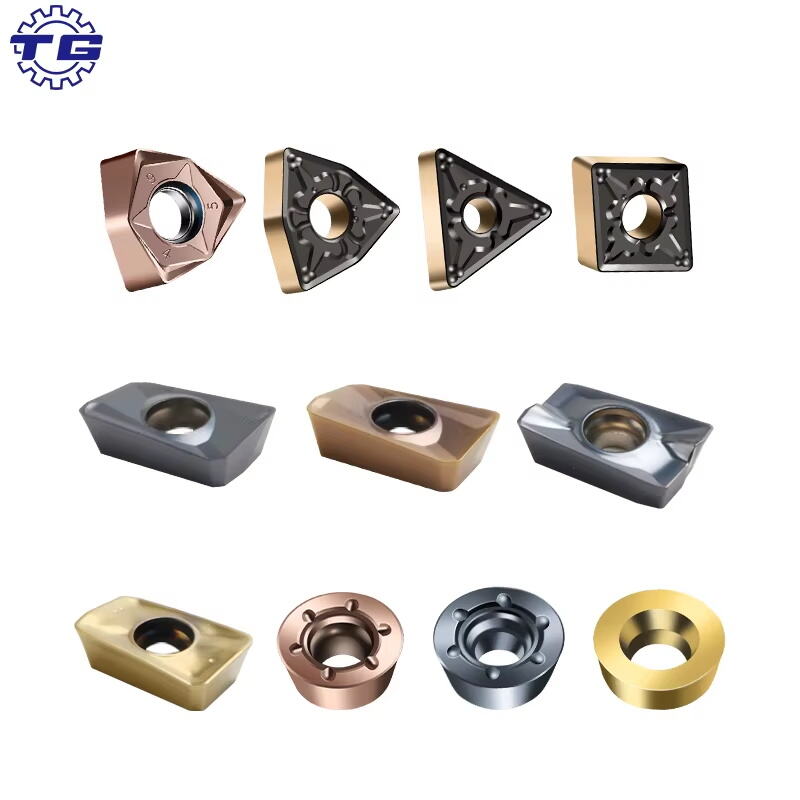
The indexable insert drill represents a significant advancement in modern metal cutting technology, offering manufacturers and machinists a versatile solution for precision hole-making operations. This innovative drilling tool features replaceable cutting inserts that can be quickly exchanged when worn, eliminating the need to replace the entire drill body. The indexable insert drill consists of a steel body designed to hold one or more carbide inserts secured by mechanical clamping mechanisms, allowing operators to change cutting edges in minutes without removing the tool from the machine spindle. These drills are engineered to handle a wide range of materials, including steel, stainless steel, cast iron, aluminum, and exotic alloys commonly found in aerospace and automotive manufacturing. The main functions of the indexable insert drill include creating accurate holes with excellent surface finishes, maintaining tight tolerances, and providing exceptional tool life through multiple insert indexes. Technological features incorporate advanced insert geometries with specialized chip-breaking designs that facilitate efficient chip evacuation, reducing heat buildup and preventing chip clogging during deep hole drilling operations. The coolant delivery system integrated into many indexable insert drill designs directs cutting fluid precisely to the cutting zone, enhancing cooling effectiveness and extending insert lifespan. Applications span across industries such as automotive engine block manufacturing, aerospace structural component production, mold and die fabrication, energy sector equipment, and general machining operations. The indexable insert drill excels in both roughing and finishing operations, capable of drilling holes ranging from small diameters to large-diameter applications exceeding several inches. Modern designs incorporate internal coolant channels that deliver lubricant directly to the cutting edges, significantly improving performance in difficult-to-machine materials. The versatility of the indexable insert drill makes it an indispensable tool in contemporary manufacturing environments where productivity, precision, and cost-effectiveness are paramount considerations for maintaining competitive advantages in global markets.

Popular Products

The indexable insert drill delivers substantial cost savings by allowing users to replace only the worn cutting inserts rather than purchasing entirely new drills, reducing tooling expenses by up to seventy percent compared to solid carbide alternatives. This economic advantage becomes particularly significant in high-volume production environments where tooling costs directly impact profitability margins. Machine operators appreciate the quick insert replacement process that takes mere minutes, minimizing downtime and maximizing productive machining hours throughout each shift. The simplicity of changing inserts means that even less experienced operators can perform tool maintenance without specialized training or complex procedures. Another practical benefit centers on inventory management, as facilities can stock a smaller variety of drill bodies while maintaining multiple insert grades and geometries to address different material requirements, freeing valuable storage space and reducing capital tied up in tooling inventory. The indexable insert drill provides consistent hole quality throughout the insert life cycle, with each cutting edge delivering predictable performance characteristics that enable precise process planning and quality control. Users gain flexibility to optimize cutting parameters for specific applications by selecting from various insert grades designed for different material hardness levels, cutting speeds, and feed rates. The robust construction of the drill body ensures long service life, often lasting through hundreds of insert changes before replacement becomes necessary, representing a sound long-term investment. Improved chip evacuation through engineered flute designs and chip-breaking geometries prevents chip packing and reduces the risk of tool breakage, resulting in fewer scrapped workpieces and enhanced overall process reliability. The precision ground insert pockets ensure accurate insert positioning and repeatable performance, eliminating concerns about runout or concentricity issues that plague resharpened conventional drills. Environmental benefits emerge from reduced material waste, as the indexable insert drill system discards only small carbide inserts rather than entire tool bodies, supporting sustainability initiatives and responsible resource management. Enhanced safety features include secure insert clamping mechanisms that prevent insert ejection during operation, protecting operators and expensive workpieces from potential damage. The ability to quickly adapt to changing production requirements by switching insert types provides manufacturing agility that helps companies respond rapidly to customer demands without significant retooling investments or production delays.

Latest News

How to Choose the Right Milling Cutter for Your Project?

10

Feb

How to Choose the Right Milling Cutter for Your Project?

Selecting the appropriate milling cutter for your machining project is a critical decision that directly impacts production efficiency, surface finish quality, and overall manufacturing costs. Whether you're working with aluminum, steel, or exotic al...
View More
What Types of Milling Cutter Tools Are Best for Different Materials?

28

Feb

What Types of Milling Cutter Tools Are Best for Different Materials?

Modern manufacturing relies heavily on precision machining to create complex components across various industries. The selection of appropriate milling cutter tools forms the cornerstone of successful CNC operations, directly impacting surface finish...
View More
Why Endmills Are Crucial in CNC Milling Operations

28

Feb

Why Endmills Are Crucial in CNC Milling Operations

CNC milling operations form the backbone of modern manufacturing, transforming raw materials into precision components that power industries worldwide. At the heart of these sophisticated machining processes lie endmills, cutting tools that define th...
View More
What Safety Measures Are Essential in Holemaking Operations?

31

Mar

What Safety Measures Are Essential in Holemaking Operations?

Holemaking operations represent one of the most fundamental yet potentially hazardous processes in manufacturing environments. These operations involve creating precise holes in various materials using drilling, reaming, boring, and related machining...
View More

Get a Free Quote

Our representative will contact you soon.
Email
Mobile
Name
Company Name
Message
0/1000

indexable insert drill

Revolutionary Insert Exchange System for Maximum Productivity

Revolutionary Insert Exchange System for Maximum Productivity

The insert exchange system built into the indexable insert drill transforms tool maintenance from a time-consuming challenge into a streamlined process that takes only minutes to complete. Traditional solid drills require complete removal from the machine, transportation to a tool crib or grinding facility, and lengthy resharpening procedures before returning to production, creating substantial downtime that disrupts manufacturing schedules. The indexable insert drill eliminates these productivity losses through its ingenious quick-change insert design that allows operators to perform tool changes directly at the machine without disturbing setup parameters or workpiece positioning. This revolutionary approach means that when a cutting edge becomes worn, the operator simply loosens the insert clamping screw, rotates or replaces the insert to present a fresh cutting edge, retightens the securing mechanism, and resumes drilling operations immediately. The economic implications prove substantial when calculating cumulative downtime savings across multiple machines and production shifts throughout a fiscal year. Manufacturing facilities running three-shift operations particularly benefit from this rapid tool change capability, as it prevents bottlenecks that cascade through production schedules and threaten delivery commitments. The insert indexing feature provides multiple cutting edges on each insert, typically offering two to four usable edges depending on insert geometry, effectively multiplying tool life before requiring a complete insert replacement. This multi-edge capability reduces insert consumption and further decreases per-hole tooling costs, strengthening the economic case for adopting the indexable insert drill technology. The precision-engineered insert pocket ensures that each indexed edge positions accurately relative to the drill centerline, maintaining hole location accuracy and eliminating the dimensional variations that often accompany tool changes with conventional drilling methods. Quality assurance personnel appreciate this consistency, as it reduces the need for first-piece inspections after tool changes and provides confidence that parts machined throughout the entire production run will meet specifications. The mechanical insert clamping system proves remarkably reliable, securing inserts firmly against cutting forces while allowing easy removal when needed, striking an ideal balance between security during operation and convenience during maintenance.
Advanced Cooling Technology for Superior Performance

Advanced Cooling Technology for Superior Performance

The advanced cooling technology incorporated into modern indexable insert drill designs represents a quantum leap forward in managing the thermal challenges inherent in metal cutting operations. Effective heat management stands as one of the most critical factors determining tool life, surface finish quality, and dimensional accuracy in drilling applications, yet conventional external coolant application methods prove inadequate for deep hole drilling where coolant cannot reach the cutting zone effectively. The indexable insert drill addresses this limitation through sophisticated internal coolant delivery passages engineered directly into the drill body, channeling high-pressure cutting fluid through carefully positioned outlets that direct coolant streams precisely where thermal loads concentrate most intensely. These strategically placed coolant jets target the insert cutting edges and the chip-tool interface, simultaneously cooling the cutting zone and facilitating chip evacuation from the hole being produced. The cooling effectiveness achieved through this internal delivery system allows operators to increase cutting speeds and feed rates substantially compared to externally cooled tools, boosting productivity by twenty to forty percent in many applications. Higher cutting parameters translate directly to reduced cycle times, increased throughput, and improved manufacturing efficiency that strengthens competitive positioning in price-sensitive markets. The controlled coolant flow also contributes to extended insert life by preventing thermal shock damage that occurs when coolant sporadically contacts extremely hot cutting edges, a common failure mode with external coolant application. Users drilling difficult materials such as stainless steels, titanium alloys, and heat-resistant superalloys find this cooling technology particularly valuable, as these materials generate excessive heat that rapidly degrades cutting tools lacking adequate thermal management. The improved chip evacuation facilitated by the coolant flow prevents chip recutting, which generates additional heat and accelerates tool wear while potentially degrading hole surface finish. Clean holes free from chip scoring and heat-affected zones demonstrate the effectiveness of this cooling approach, reducing or eliminating secondary finishing operations that add cost and complexity to manufacturing processes. The coolant delivery system design also addresses environmental and workplace safety considerations by containing cutting fluid within the machining zone rather than creating mist and spray that contaminate the work environment and create slip hazards on shop floors.
Exceptional Versatility Across Materials and Applications

Exceptional Versatility Across Materials and Applications

The exceptional versatility demonstrated by the indexable insert drill across diverse materials and applications establishes it as a universal solution capable of consolidating tool inventories while expanding machining capabilities within manufacturing facilities. This adaptability stems from the availability of numerous insert grades and geometries specifically engineered to optimize performance in particular material families, allowing a single drill body to handle everything from soft aluminum alloys to hardened steels by simply changing inserts. Manufacturers developing specialized carbide grades and coating technologies have created insert options tailored for specific cutting challenges, including grades optimized for high-temperature resistance when machining heat-resistant alloys, toughness-enhanced grades for interrupted cuts and difficult entry conditions, and ultra-sharp geometries for non-ferrous materials requiring superior surface finishes. This material versatility proves invaluable in job shop environments where diverse workpiece materials arrive daily, eliminating the need to maintain extensive drill inventories covering every possible material combination. Production facilities manufacturing assemblies from multiple materials similarly benefit, as operators can quickly switch between steel structural components, aluminum housings, and stainless steel fittings without changing drill bodies or machine setups. The application range extends from shallow hole drilling in thin sheet materials to deep hole operations exceeding ten times the drill diameter, demonstrating remarkable capability across the drilling depth spectrum. Aerospace manufacturers drilling titanium airframe components rely on the indexable insert drill to achieve the precision and surface finish requirements critical for flight safety while managing the challenging cutting characteristics inherent in titanium alloys. Automotive powertrain facilities use these tools for drilling engine blocks, cylinder heads, transmission cases, and suspension components, benefiting from the consistent performance and economic advantages during high-volume production runs. Mold and die shops appreciate the ability to drill hardened tool steels without annealing, saving significant time and energy costs while maintaining production schedules for time-sensitive tooling projects. The size range available in indexable insert drill designs spans from small diameter tools for precision applications to large diameter drills exceeding four inches for heavy equipment manufacturing, ensuring suitable options exist for virtually any drilling requirement encountered in modern manufacturing.
indexable insert drill-0
indexable insert drill-1

Get a Free Quote

Our representative will contact you soon.
Email
Mobile
Name
Company Name
Message
0/1000