Contact me immediately if you encounter problems!

All Categories

rectangular carbide blanks

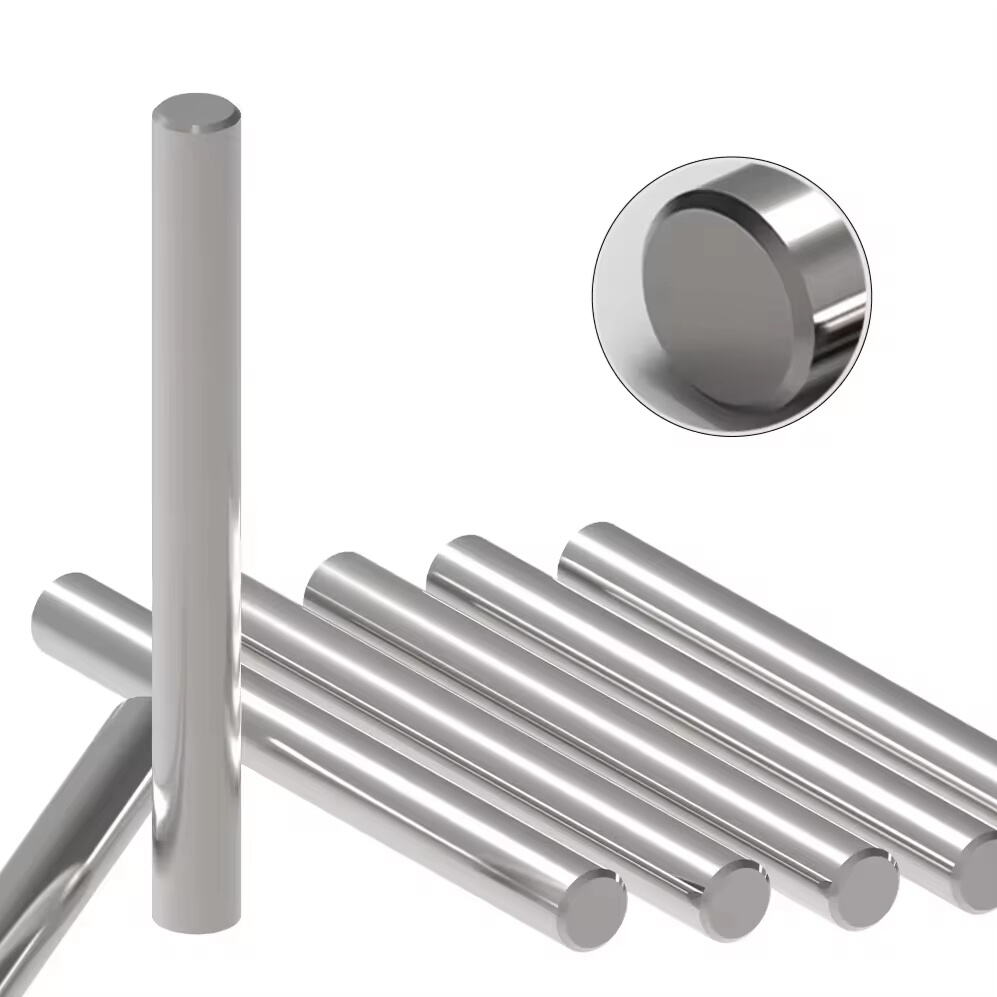
Rectangular carbide blanks represent a fundamental component in modern manufacturing and metalworking industries, serving as versatile starting materials for creating precision cutting tools, wear parts, and specialized industrial components. These blanks are manufactured from tungsten carbide, a compound known for exceptional hardness and durability, combined with metallic binders such as cobalt to create a material that withstands extreme conditions. The primary function of rectangular carbide blanks is to provide manufacturers with pre-formed blocks that can be machined, ground, or shaped into custom tooling solutions tailored to specific production requirements. Their rectangular geometry offers distinct advantages in terms of material utilization, ease of handling, and compatibility with standard machining equipment. Technologically, these blanks are produced through powder metallurgy processes involving careful mixing of carbide powders with binding agents, followed by pressing into rectangular shapes and sintering at high temperatures exceeding 1400 degrees Celsius. This manufacturing method ensures uniform density throughout the blank, eliminating internal voids and achieving consistent mechanical properties. The resulting material exhibits hardness levels ranging from 87 to 93 HRA on the Rockwell scale, making it significantly harder than high-speed steel while maintaining adequate toughness to resist fracture during machining operations. Applications for rectangular carbide blanks span numerous industries including automotive manufacturing, aerospace component production, woodworking tool fabrication, metalworking operations, mining equipment production, and general engineering. Manufacturers utilize these blanks to produce end mills, drill bits, router bits, inserts for turning operations, wear plates, punches, dies, and countless other precision components. The standardized rectangular format allows purchasing departments to maintain inventory of common sizes while providing engineering teams the flexibility to create custom solutions without investing in expensive pre-shaped forms. The material composition can be adjusted to emphasize specific properties such as wear resistance, impact toughness, or corrosion resistance, enabling selection of optimal grades for particular working environments and material removal applications.


New Products

Rectangular carbide blanks deliver substantial cost savings compared to purchasing finished tools or custom-shaped carbide forms, allowing manufacturing operations to reduce tooling expenses while maintaining production quality standards. By starting with blank rectangular blocks, tool rooms and machine shops gain the flexibility to create exactly the dimensions and geometries required for specific applications without paying premiums for specialized shapes. This approach proves particularly economical when producing custom tooling for unique production requirements or replacing worn components in existing equipment. The durability advantage cannot be overstated, as carbide material maintains cutting edges and wear surfaces far longer than conventional tool steels, directly translating to reduced downtime for tool changes and lower overall consumption of tooling materials. Production managers appreciate how this extended tool life contributes to consistent part quality throughout longer production runs, eliminating variations that occur as conventional tools degrade. The superior heat resistance of these blanks enables cutting operations at higher speeds and feeds, directly improving productivity and reducing cycle times in manufacturing processes. Unlike traditional tool materials that soften at elevated temperatures, carbide maintains hardness and structural integrity even when cutting edges reach several hundred degrees during heavy material removal operations. This thermal stability allows machinists to push cutting parameters beyond what would be possible with high-speed steel, achieving faster production rates without sacrificing dimensional accuracy or surface finish quality. The versatility of rectangular carbide blanks extends across diverse machining operations, accommodating everything from precision grinding to electrical discharge machining and traditional milling processes. Manufacturing facilities can stock a limited range of blank sizes yet address a wide spectrum of tooling needs through in-house fabrication capabilities. This inventory efficiency reduces capital tied up in specialized tooling while ensuring quick response to production requirements. The standardized rectangular format simplifies handling, storage, and measurement procedures compared to irregular shapes, streamlining workflow in tool manufacturing departments. Quality control becomes more straightforward when working with uniform geometries, as inspection procedures and measurement protocols can be standardized across different blank sizes. Environmental considerations also favor these blanks, as their exceptional longevity means fewer tools end up in waste streams, and carbide material can often be reclaimed and recycled through specialized processors. The predictable material properties resulting from controlled manufacturing processes give design engineers confidence when calculating tool geometries and selecting operating parameters, reducing trial-and-error approaches that waste time and materials. For businesses seeking to bring tooling production in-house rather than relying on external suppliers, rectangular carbide blanks provide an accessible entry point that builds internal capabilities while controlling costs and lead times for critical production tooling.

Practical Tips

How do different drill bit materials affect performance?

30

Dec

How do different drill bit materials affect performance?

Understanding the relationship between drill bit materials and their performance characteristics is crucial for professionals working in manufacturing, construction, and metalworking industries. The material composition of a drill bit directly influe...
View More
When should you use carbide vs HSS end mill cutters?

10

Feb

When should you use carbide vs HSS end mill cutters?

Selecting the right cutting tool for machining operations is crucial for achieving optimal performance, surface finish, and tool longevity. The choice between carbide and high-speed steel (HSS) end mill cutters significantly impacts manufacturing eff...
View More
How CNC Tools Improve Accuracy in Precision Manufacturing

28

Feb

How CNC Tools Improve Accuracy in Precision Manufacturing

Precision manufacturing has revolutionized modern industry by delivering components with unprecedented accuracy and consistency. At the heart of this technological advancement lies the sophisticated world of CNC tools, which have transformed how manu...
View More
What Safety Measures Are Essential in Holemaking Operations?

31

Mar

What Safety Measures Are Essential in Holemaking Operations?

Holemaking operations represent one of the most fundamental yet potentially hazardous processes in manufacturing environments. These operations involve creating precise holes in various materials using drilling, reaming, boring, and related machining...
View More

Get a Free Quote

Our representative will contact you soon.
Email
Mobile
Name
Company Name
Message
0/1000

rectangular carbide blanks

Exceptional Hardness and Wear Resistance for Extended Service Life

Exceptional Hardness and Wear Resistance for Extended Service Life

The outstanding hardness characteristic of rectangular carbide blanks fundamentally transforms tooling economics and production efficiency across manufacturing operations. This hardness, typically measuring between 87 and 93 on the Rockwell A scale, positions carbide approximately three times harder than hardened tool steel, creating cutting edges and wear surfaces that maintain their geometry through extended service periods. When tools manufactured from these blanks engage workpiece materials, the superior hardness prevents the microscopic deformation and abrasive wear that rapidly degrades softer tool materials. This resistance to wear translates directly into longer intervals between tool changes, meaning production lines run continuously for extended periods without interruption for tooling maintenance. Manufacturing managers recognize that each tool change represents not just the cost of replacement tooling but also lost production time, setup verification, and potential quality variations as new tools bed in. By extending the service life of cutting tools by factors of ten or more compared to conventional materials, rectangular carbide blanks enable leaner inventory practices and reduce the labor hours dedicated to tool changing activities. The wear resistance proves particularly valuable in applications involving abrasive materials such as composites, hardened steels, cast iron, and non-ferrous alloys containing hard particulates. In these demanding applications, conventional tool materials wear rapidly, requiring frequent replacement that disrupts production schedules and increases manufacturing costs. Tools created from carbide blanks maintain dimensional stability throughout their service life, ensuring consistent part dimensions from the first component to the last before tool replacement becomes necessary. This consistency eliminates the gradual dimensional drift that occurs with softer tools, reducing scrap rates and minimizing the need for compensatory adjustments to machining programs. The economic impact extends beyond direct tool costs to encompass improved surface finish quality, tighter tolerances, and reduced secondary operations, all contributing to enhanced competitiveness in manufacturing markets where precision and efficiency determine profitability.
Superior Thermal Stability Enabling High-Performance Machining Operations

Superior Thermal Stability Enabling High-Performance Machining Operations

Rectangular carbide blanks exhibit remarkable thermal stability that revolutionizes cutting performance in high-speed manufacturing environments where conventional tool materials fail. During metalworking operations, friction between cutting edges and workpiece materials generates substantial heat, with cutting zone temperatures frequently exceeding 800 degrees Celsius in heavy material removal applications. Traditional tool steels lose hardness and strength at temperatures above 600 degrees, leading to rapid edge breakdown, dimensional changes, and catastrophic tool failure. Carbide material maintains its structural integrity and hardness at temperatures where conventional materials would completely fail, enabling sustained cutting performance under thermal conditions that would destroy alternative tooling. This thermal resilience allows manufacturing operations to implement aggressive cutting parameters including higher spindle speeds, increased feed rates, and deeper cuts, directly improving metal removal rates and reducing cycle times for machined components. The productivity gains achieved through elevated cutting speeds compound throughout production runs, enabling manufacturers to produce more parts per shift without additional capital equipment investment. Beyond simple speed increases, the thermal stability of carbide blanks enables dry machining operations or minimal lubrication strategies that eliminate or reduce cutting fluid usage, addressing both environmental concerns and operating costs associated with coolant purchase, disposal, and maintenance. Manufacturers pursuing sustainable production practices find that tools made from these blanks support green manufacturing initiatives while maintaining or improving production efficiency. The consistent performance across varying thermal conditions also simplifies process planning and reduces the technical expertise required to set machining parameters, as operators need not adjust speeds and feeds to compensate for tool material limitations. Quality considerations benefit substantially from this thermal stability, as dimensional accuracy remains consistent even as cutting zones heat during extended operations. Components machined with carbide tools maintain tighter tolerances with less variation between first-piece and last-piece dimensions, reducing inspection requirements and improving process capability indices. The heat resistance also prevents thermal expansion issues that can cause dimensional errors when machining precision components, ensuring parts meet specifications throughout production runs regardless of thermal cycling during manufacturing operations.
Versatile Rectangular Geometry Optimizing Material Utilization and Manufacturing Flexibility

Versatile Rectangular Geometry Optimizing Material Utilization and Manufacturing Flexibility

The standardized rectangular geometry of these carbide blanks provides manufacturing operations with exceptional versatility and material efficiency that irregular shapes cannot match. This uniform format allows tool designers and manufacturing engineers to optimize blank selection for specific applications, minimizing material waste while ensuring adequate stock for finished tool dimensions. When planning custom tooling fabrication, engineers can calculate required blank sizes with precision, selecting dimensions that provide necessary clearances and grinding allowances without excessive material that becomes waste during machining operations. The rectangular format facilitates efficient nesting and arrangement during storage, maximizing warehouse space utilization compared to irregular shapes that create void spaces between stored items. This storage efficiency reduces facility costs and simplifies inventory management, as standardized sizes can be organized systematically with clear identification and accessibility. Manufacturing processes benefit from the ease of fixturing and workholding that rectangular shapes provide, as standard vises, magnetic chucks, and clamping systems accommodate these blanks without specialized fixtures or setup procedures. This compatibility with conventional equipment reduces setup times and allows tool room personnel to transition quickly between different fabrication projects without elaborate changeovers. The flat parallel surfaces inherent to rectangular geometry serve as reliable reference planes during machining operations, enabling precise dimensional control and simplifying measurement procedures for quality verification. Grinding operations proceed efficiently when working with rectangular blanks, as flat surfaces provide stable support during surface grinding and the predictable geometry allows straightforward programming for CNC grinding operations. Design flexibility reaches its peak with rectangular blanks, as tool designers face no constraints from pre-formed shapes that might limit creative solutions to manufacturing challenges. Whether producing simple cutting tools or complex dies requiring intricate geometries, starting with rectangular stock provides a blank canvas for innovation. The standardization also supports supply chain efficiency, as manufacturers can source rectangular carbide blanks from multiple suppliers with confidence that dimensions and material properties will remain consistent across sources. This supplier flexibility provides procurement advantages including competitive pricing, reduced lead times, and supply security through vendor diversification. Training benefits emerge as well, since tool room personnel working with standardized rectangular formats develop transferable skills applicable across diverse tooling projects rather than specializing in handling unique geometries. The rectangular configuration also accommodates various machining processes including milling, turning, grinding, EDM, and laser cutting, ensuring compatibility with whatever fabrication methods best suit specific tooling requirements and available equipment capabilities within manufacturing facilities.
rectangular carbide blanks-0
rectangular carbide blanks-1

Get a Free Quote

Our representative will contact you soon.
Email
Mobile
Name
Company Name
Message
0/1000