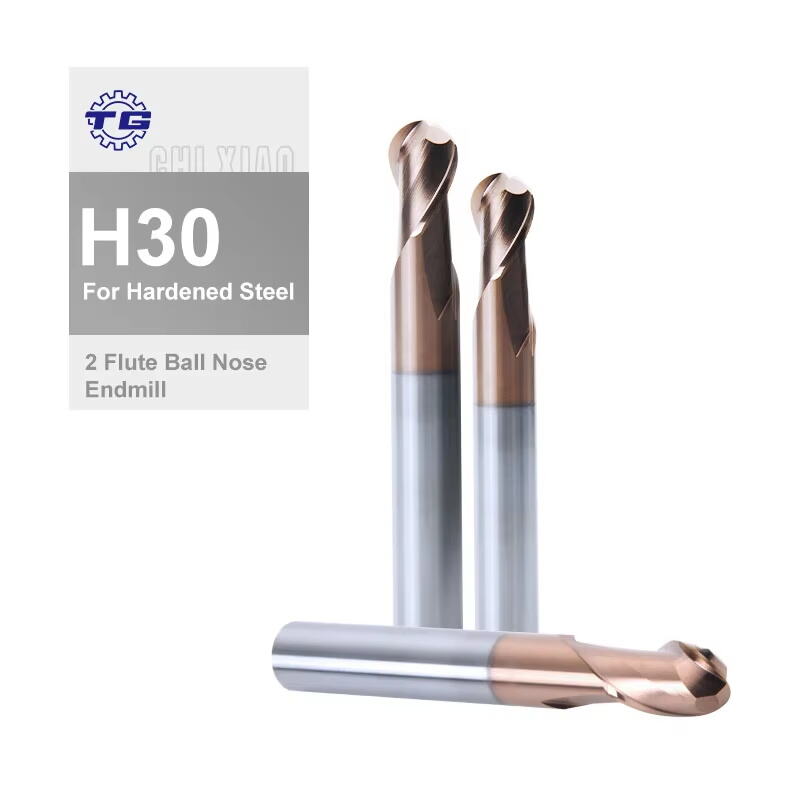
tungsten carbide rod blanks
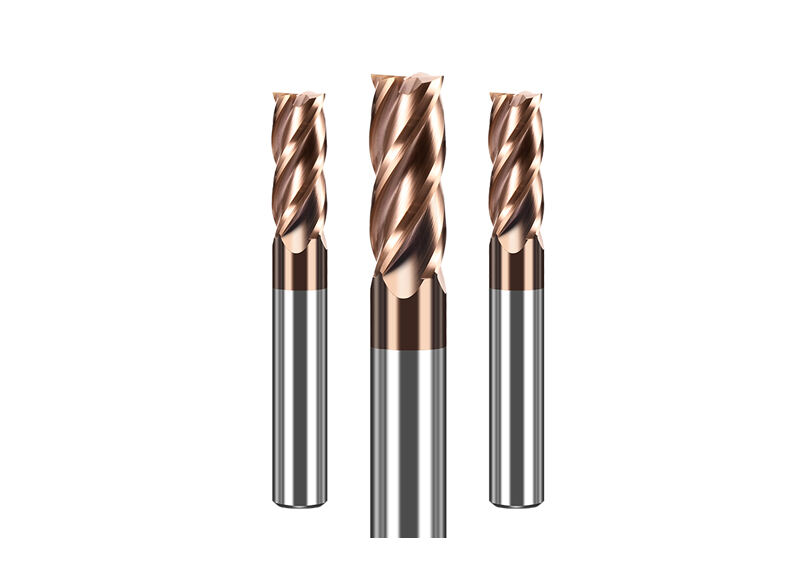
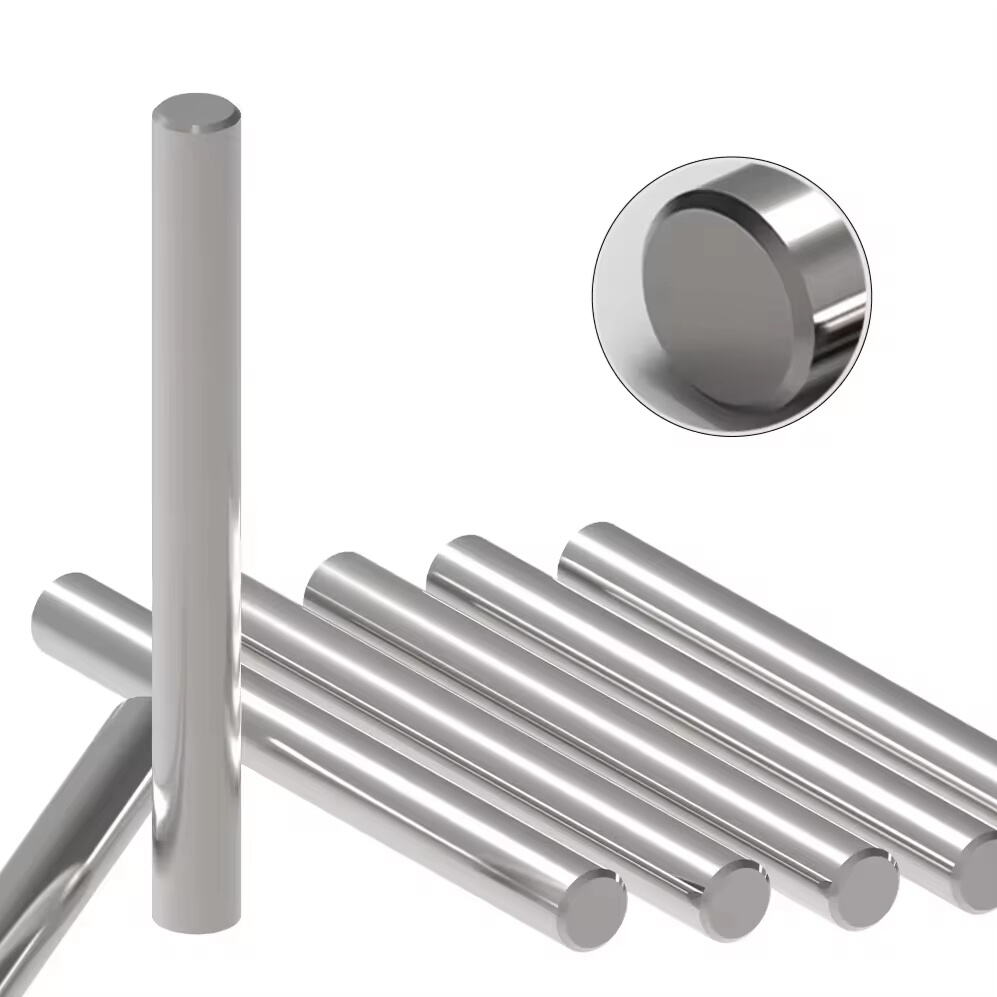
Tungsten carbide rod blanks represent a cornerstone material in modern manufacturing and precision tooling applications. These cylindrical blanks are produced through advanced powder metallurgy processes, combining tungsten carbide particles with metallic binders, typically cobalt, to create an exceptionally hard and durable composite material. The main function of tungsten carbide rod blanks is to serve as raw material for manufacturing cutting tools, wear-resistant components, and precision instruments that demand superior performance under extreme conditions. These blanks provide manufacturers with a versatile starting point for creating custom tools including end mills, drills, reamers, and specialized cutting implements. Technologically, tungsten carbide rod blanks feature a unique microstructure where hard tungsten carbide grains are uniformly distributed within a tough metallic matrix, delivering an optimal balance between hardness and toughness. The manufacturing process involves carefully controlled sintering at high temperatures, resulting in near-full density products with minimal porosity and exceptional dimensional stability. Modern tungsten carbide rod blanks are available in various grades, each formulated with specific grain sizes and binder content to suit different applications. Fine-grain grades offer superior edge sharpness and surface finish for precision machining, while coarser grades provide enhanced toughness for heavy-duty operations. Applications span numerous industries including aerospace, automotive, medical device manufacturing, oil and gas exploration, and general metalworking. In the aerospace sector, tungsten carbide rod blanks are transformed into cutting tools that machine titanium alloys and heat-resistant superalloys. Automotive manufacturers rely on these blanks for producing tools that process hardened steels and cast iron components. The medical industry utilizes tungsten carbide rod blanks for creating surgical instruments and bone drilling tools that require biocompatible coatings. Additionally, the mining and construction sectors employ tungsten carbide rod blanks in manufacturing rock drilling bits and excavation tools that withstand abrasive conditions. The versatility of tungsten carbide rod blanks makes them indispensable across virtually every manufacturing sector requiring precision, durability, and consistent performance.

 EN
EN