
 EN
EN
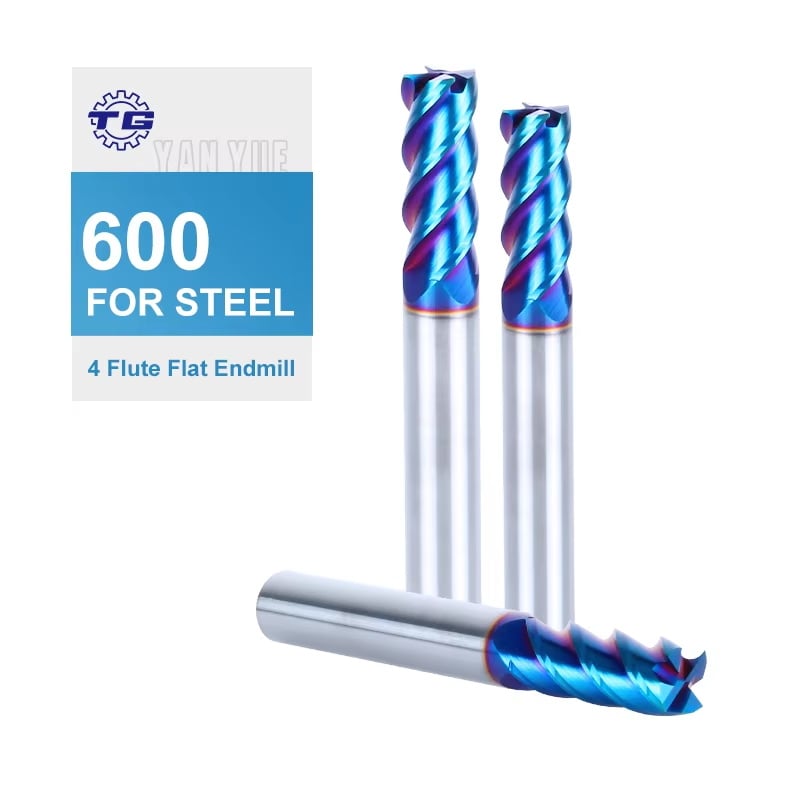
In metal machining, few challenges test a tool's resilience more severely than interrupted cutting — a condition where the cutting edge repeatedly enters and exits the workpiece, absorbing sudden mechanical shocks with every pass. It is precisely in these demanding scenarios that HSS cutting tools consistently demonstrate their value. Understanding why HSS cutting tools perform so well under these conditions requires a close look at their material properties, structural design, and the physics of interrupted cutting itself.
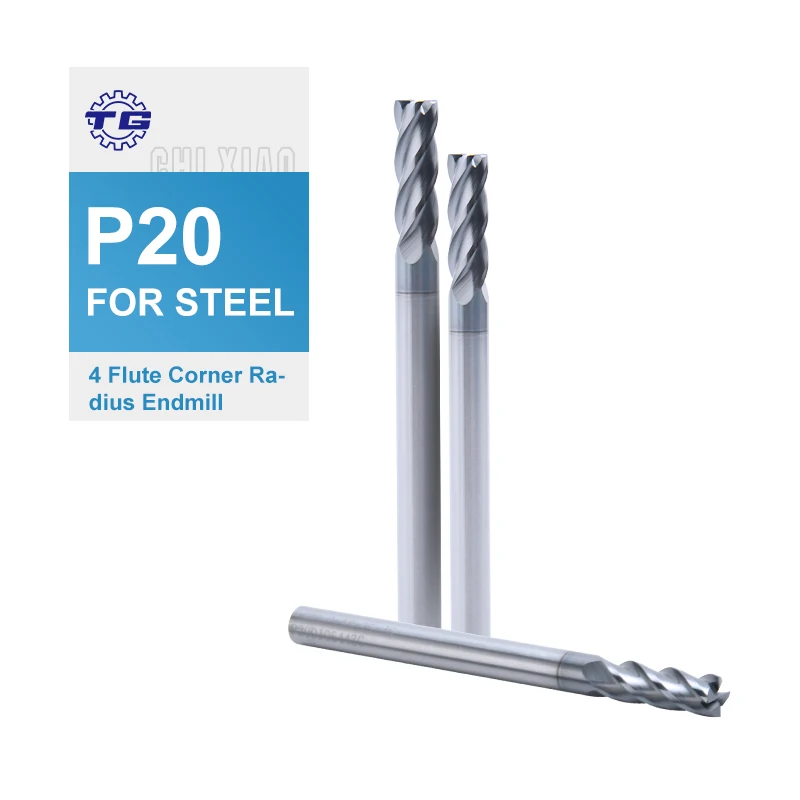
Unlike continuous cutting operations, interrupted cutting subjects HSS cutting tools to cyclical thermal and mechanical stress. Each time the cutting edge re-engages with the workpiece, it absorbs an impact load that would fracture brittle tooling materials. HSS cutting tools are engineered with a unique combination of hardness and toughness that allows them to absorb these repeated shocks without catastrophic failure. This article explores the specific reasons why HSS cutting tools are the preferred solution for interrupted metal cutting in industrial and precision machining environments.
The Material Toughness Advantage of HSS Cutting Tools
Hardness and Toughness in Balance
One of the most important reasons HSS cutting tools excel in interrupted cutting is their exceptional balance of hardness and toughness. Carbide tools, while extremely hard, are brittle by nature and prone to chipping or fracturing when subjected to the impact loads typical of interrupted cuts. HSS cutting tools, by contrast, maintain sufficient hardness to cut through steel and cast metal while retaining the ductile toughness needed to flex slightly under impact without breaking. This mechanical balance is a defining characteristic of HSS cutting tools and makes them fundamentally more suitable for unstable cutting conditions.
The composition of high-speed steel — typically including tungsten, molybdenum, chromium, vanadium, and cobalt — gives HSS cutting tools a microstructure that resists crack propagation. When an interrupted cut delivers a sudden impulse to the cutting edge, HSS cutting tools absorb and redistribute that energy rather than concentrating it at the tip. This behavior directly reduces the likelihood of premature tool failure, which is one reason machinists specifically choose HSS cutting tools for keyways, splined shafts, and cross-drilled components.
Thermal Shock Resistance During Re-Entry
Interrupted cutting also generates severe thermal cycling. The cutting edge heats rapidly during contact and cools quickly during the exit phase, creating thermal gradients that stress the tool material. HSS cutting tools handle this thermal shock far better than many ceramic or carbide alternatives because their composition supports moderate thermal conductivity and controlled heat dissipation. For HSS cutting tools with surface coatings such as TiN or TiAlN, the thermal protection layer adds an additional barrier against heat-induced wear, further extending tool life in interrupted applications.
Structural Design Features That Support Interrupted Cutting
Flute Geometry and Edge Preparation
The performance of HSS cutting tools in interrupted cutting is not solely a function of material — geometry plays an equally critical role. HSS cutting tools designed for interrupted cuts often feature robust core diameters, positive or neutral rake angles, and reinforced cutting edges that distribute impact loads more evenly across the flute. A four-flute HSS cutting tool with a corner radius, for example, eliminates the sharp corner vulnerability that leads to chipping under interrupted conditions. The corner radius geometry distributes the initial contact stress across a larger surface, allowing HSS cutting tools to begin each re-engagement with reduced edge loading.
Additionally, the flute design of HSS cutting tools influences chip evacuation efficiency during interrupted operations. When workpiece surfaces are uneven, slotted, or contain cavities, chips must clear reliably to prevent re-cutting and secondary tool damage. HSS cutting tools with well-designed helical flutes maintain consistent chip flow even when the cut is intermittent, reducing heat buildup at the cutting zone and supporting longer tool engagement cycles.
Coating Compatibility and Surface Hardness
Modern HSS cutting tools benefit significantly from advanced surface coatings applied via physical vapor deposition. These coatings increase surface hardness, reduce friction, and improve oxidation resistance — all properties that matter during the high-stress entry phase of interrupted cutting. Coated HSS cutting tools also maintain sharper edges for longer periods compared to uncoated versions, because the coating shields the steel substrate from abrasive and adhesive wear mechanisms. When HSS cutting tools are used to machine cast iron, hardened steel, or composite metals with interrupted surfaces, the coating acts as the first line of defense before the base material's toughness takes over.
Practical Applications Where HSS Cutting Tools Prove Their Worth
Machining Slotted, Keyed, and Cross-Drilled Workpieces
HSS cutting tools are particularly valued in job shops and production environments where workpieces contain keyways, slots, drilled holes, or cast-in pockets. These features create interrupted surfaces that carbide tools struggle to handle reliably without chipping. HSS cutting tools absorb the entry shock at each interruption and continue cutting with consistent geometry, enabling machinists to hold tight tolerances across the full profile. This reliability reduces scrap rates and rework time, making HSS cutting tools a cost-effective choice even when compared to more expensive carbide options for these specific applications.
Low-to-Medium Volume Production Scenarios
In low-to-medium volume production, the economics of HSS cutting tools become even more favorable. HSS cutting tools are significantly easier to resharpen than carbide alternatives, meaning that after the cutting edge wears from repeated interrupted cuts, the tool can be reground and returned to service at a fraction of replacement cost. This characteristic makes HSS cutting tools especially practical for prototype machining, repair workshops, and small-batch production where the cost of tool breakage carries a high proportional impact. The predictable wear behavior of HSS cutting tools also supports better tool life management, allowing machinists to schedule maintenance before failure rather than reacting to unexpected breakage.
FAQ
Why do HSS cutting tools handle interrupted cuts better than carbide?
HSS cutting tools have a higher toughness-to-hardness ratio compared to carbide. This means HSS cutting tools can absorb mechanical shock at the cutting edge during interrupted re-entry without fracturing, whereas carbide's brittleness makes it vulnerable to chipping under the same conditions.
Can coated HSS cutting tools improve performance in interrupted metal cutting?
Yes. Coated HSS cutting tools offer enhanced surface hardness and reduced friction at the cutting interface. These properties allow coated HSS cutting tools to withstand the abrasive and thermal stresses of interrupted cutting more effectively than uncoated versions, extending service life in demanding operations.
What workpiece materials are best suited for HSS cutting tools in interrupted cutting?
HSS cutting tools perform well in interrupted cutting of steel, cast iron, cast metal, and lower-hardness alloys. For workpieces that combine hardness above 45 HRC with interrupted surfaces, selecting HSS cutting tools with appropriate coatings and reinforced edge geometry is strongly recommended to maintain cutting performance and tool integrity.