
 EN
EN
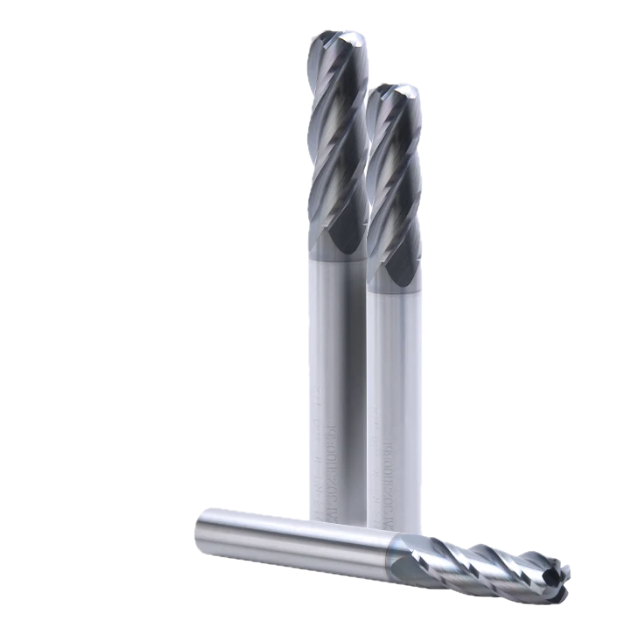
When cutting through hardened steel, stainless alloys, or high-tensile materials, heat is the single greatest threat to your tooling. A cobalt HSS drill bit is specifically engineered to address that threat. Unlike standard high-speed steel bits, a cobalt HSS drill bit maintains its hardness and cutting edge integrity even as temperatures climb well beyond what ordinary tooling can tolerate. Understanding why this happens requires a closer look at the metallurgy, geometry, and design philosophy behind a premium cobalt HSS drill bit.
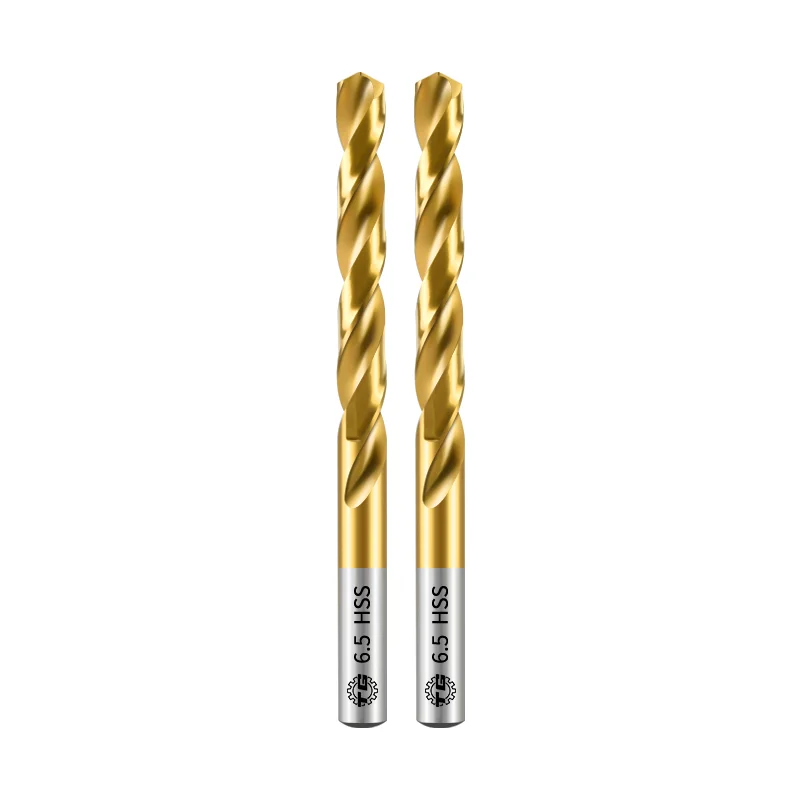
Every professional machinist who has worked with tough steels understands the frustration of a drill bit that dulls quickly, burns out, or loses dimensional accuracy under load. A cobalt HSS drill bit solves these problems by combining the toughness of high-speed steel with the thermal stability that cobalt provides. The result is a cobalt HSS drill bit that performs consistently across a wide range of difficult materials, making it the preferred choice in demanding industrial and fabrication environments. This article explains exactly why a cobalt HSS drill bit resists overheating and why that resistance matters so much on tough steels.
The Metallurgical Foundation of Heat Resistance
How Cobalt Alters the Steel Matrix
The secret behind a cobalt HSS drill bit starts at the atomic level. Cobalt is added to the high-speed steel base material at a concentration typically ranging from 5% to 8%, which is why the M35 grade cobalt HSS drill bit is one of the most widely used standards in precision machining. When cobalt is introduced into the steel matrix, it raises the hot hardness of the alloy significantly. Hot hardness refers to the material's ability to retain its structural hardness even at elevated temperatures. A cobalt HSS drill bit retains this hardness at temperatures exceeding 600 degrees Celsius, whereas a standard HSS bit begins to soften much earlier. This means a cobalt HSS drill bit keeps cutting cleanly even when friction-generated heat builds up rapidly during aggressive feed rates.
Thermal Conductivity and Heat Dissipation
Beyond hot hardness, a cobalt HSS drill bit benefits from the thermal properties of the cobalt-enriched alloy. Cobalt improves the thermal conductivity of the drill body, allowing heat to travel away from the cutting edge more efficiently. This is a critical advantage because heat that lingers at the cutting tip degrades the edge geometry and accelerates wear. A cobalt HSS drill bit disperses this thermal energy through its flutes and shank, reducing the peak temperature at the point of contact. The combination of high hot hardness and better heat dissipation is what allows a cobalt HSS drill bit to sustain cutting performance on tough steels without the rapid dulling that plagues lower-grade tooling.
Design Features That Amplify Heat Resistance
Geometry Optimized for Tough Materials
A premium cobalt HSS drill bit does not rely on material composition alone. Its geometry plays an equally important role in managing heat during cutting. The point angle of a cobalt HSS drill bit designed for tough steels is typically set at 135 degrees rather than the standard 118 degrees. This wider point angle reduces the thrust force required to initiate a cut and distributes the cutting load across a larger portion of the tip. By reducing concentrated stress and friction at the cutting edge, the 135-degree geometry allows a cobalt HSS drill bit to generate less heat from the outset. This proactive heat reduction works alongside the cobalt alloy's thermal properties to keep the cobalt HSS drill bit performing within safe temperature ranges.
Surface Treatments and Flute Design
Many premium cobalt HSS drill bit products are finished with surface treatments such as bright finish or gold-oxide coatings that further improve heat resistance and reduce friction. The flute design of a cobalt HSS drill bit is also precision-ground to evacuate chips efficiently. When chips are cleared quickly, they carry frictional heat away from the cutting zone, preventing heat accumulation. A cobalt HSS drill bit with well-designed flutes maintains a cleaner cutting interface, which directly reduces the thermal load on the tool. These design refinements make the cobalt HSS drill bit a comprehensive thermal management system, not merely a material upgrade over standard bits.
Why Tough Steels Demand a Cobalt HSS Drill Bit
The Nature of Hard and Abrasive Materials
Tough steels such as stainless steel, tool steel, high-carbon steel, and hardened alloy steel present unique challenges during drilling. Their high tensile strength means greater resistance to cutting, which translates directly into more friction and heat at the tool-workpiece interface. A standard HSS drill bit cannot sustain this level of thermal stress over multiple holes without losing its edge. A cobalt HSS drill bit, however, is matched to these conditions by design. Its elevated hot hardness ensures that the cutting edge does not deform or round off under the intense localized heat generated when drilling these materials. Professionals who regularly work with such steels rely on a cobalt HSS drill bit precisely because it reduces downtime from premature tool failure.
Consistency Across High-Volume Applications
In production environments where dozens or hundreds of holes must be drilled into tough steel components, the thermal durability of a cobalt HSS drill bit translates into measurable productivity gains. Each cobalt HSS drill bit maintains its cutting geometry for a significantly longer operational life compared to standard alternatives. This longevity reduces the frequency of tool changes, lowers per-hole costs, and ensures consistent hole quality throughout a production run. The cobalt HSS drill bit's resistance to overheating is therefore not just a physical property — it is a direct contributor to operational efficiency and cost management in industrial settings.
FAQ
What makes a cobalt HSS drill bit better than a standard HSS drill bit for tough steels?
A cobalt HSS drill bit contains a cobalt-enriched alloy that gives it significantly higher hot hardness and better heat dissipation compared to standard HSS tooling. This means a cobalt HSS drill bit retains its cutting edge at much higher temperatures, which is exactly what tough steels demand during aggressive drilling operations.
Can a cobalt HSS drill bit be used without cutting fluid on hard materials?
While a cobalt HSS drill bit is designed to handle elevated heat better than standard bits, using cutting fluid is still recommended when drilling tough steels. Cutting fluid reduces friction and carries heat away from the cutting zone, extending the service life of the cobalt HSS drill bit and improving hole quality. Dry cutting is possible in some situations, but fluid use maximizes the tool's performance and longevity.
How do I know when a cobalt HSS drill bit needs replacement?
Signs that a cobalt HSS drill bit needs replacement include increased cutting resistance, visible edge rounding, burning or discoloration at the drill tip, or a noticeable decline in hole quality. A cobalt HSS drill bit that is properly used and maintained will last considerably longer than standard HSS tooling, but regular inspection ensures consistent results and prevents damage to workpieces.