
 EN
EN
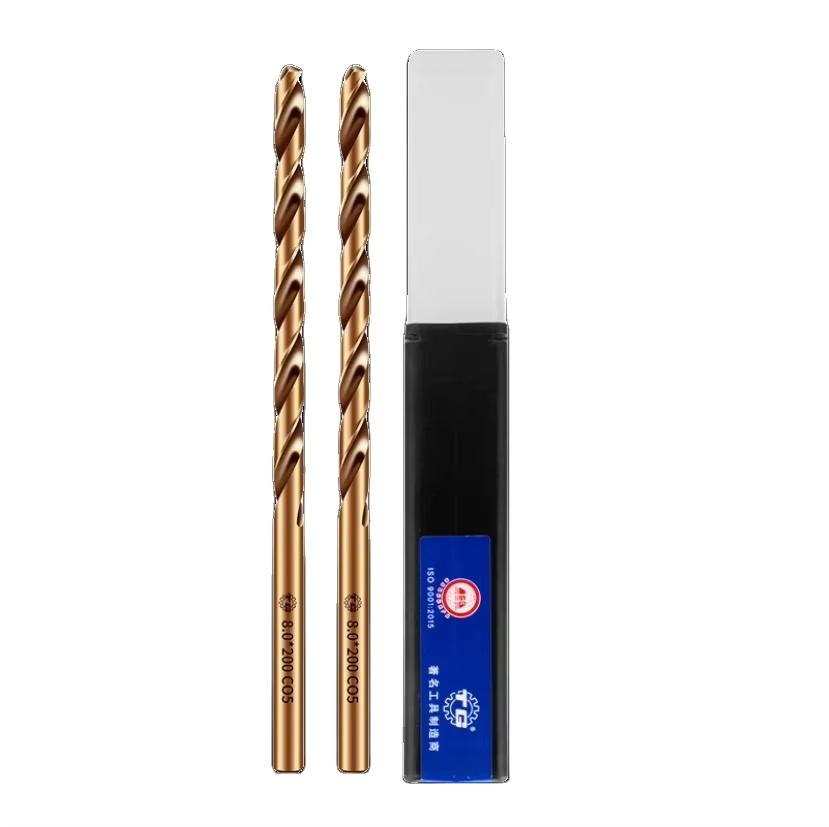
Buying a straight shank twist drill online can feel overwhelming when you are faced with dozens of listings, varying specifications, and technical language that is not always easy to decode. A straight shank twist drill is one of the most commonly used cutting tools in metal fabrication, engineering workshops, and industrial maintenance operations. Understanding how to evaluate your options before placing an order saves time, reduces waste, and ensures the tool performs exactly as your application demands. This guide is designed to walk you through the most important selection criteria so you can buy with clarity and confidence.
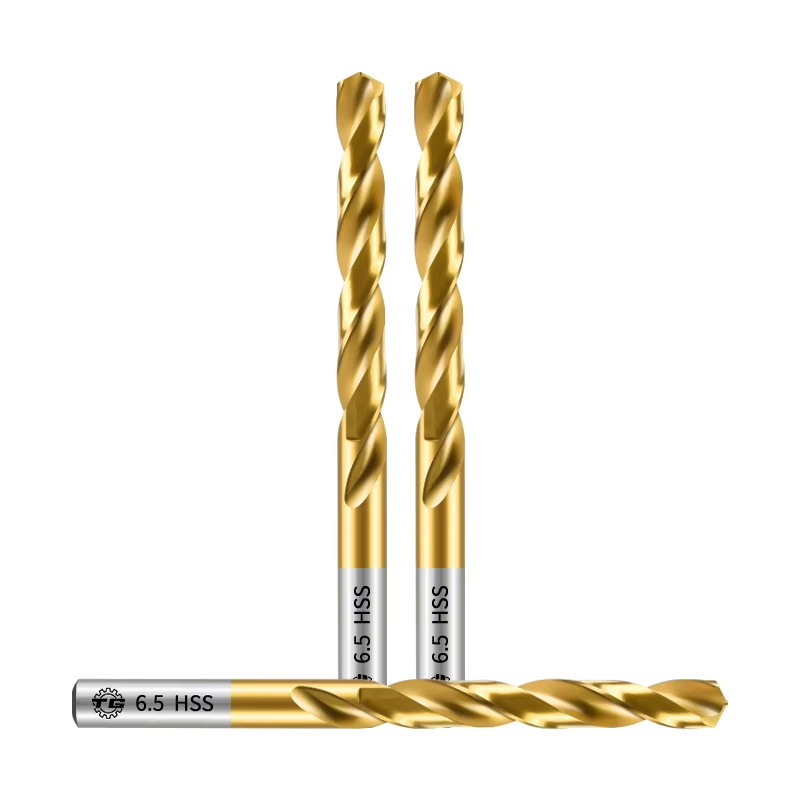
Whether you are sourcing a straight shank twist drill for occasional workshop use or for high-volume production, the process of choosing the right one online requires more than a quick price comparison. Material grade, shank diameter, flute geometry, coating type, and workpiece compatibility all play a direct role in how well the straight shank twist drill will perform and how long it will last. This article covers each of these factors in a structured way so that your next online purchase is an informed one.
Understanding Material Grades for a Straight Shank Twist Drill
HSS vs Cobalt Alloy Construction
The material used to manufacture a straight shank twist drill is the single most critical factor affecting its performance. High-Speed Steel, commonly abbreviated as HSS, is the standard baseline material for most general-purpose applications. An HSS straight shank twist drill handles mild steel, aluminum, wood, and plastics with reliable results at a reasonable cost. However, when the workpiece is harder or more abrasion-resistant, a standard HSS straight shank twist drill may wear prematurely or struggle to maintain dimensional accuracy over repeated use.
Cobalt-alloyed variants, particularly those meeting the M35 grade with five percent cobalt content, offer significantly better heat resistance and hardness retention. A cobalt straight shank twist drill is especially suited for cutting stainless steel, hardened alloys, and materials that generate substantial heat during machining. When browsing online, always check whether the straight shank twist drill is labeled HSS, HSS-Co, or M35, as these designations indicate meaningfully different performance tiers. Choosing the wrong material grade is one of the most common and costly mistakes buyers make when selecting a straight shank twist drill online.
Fully Ground Geometry and Its Impact on Precision
Beyond material, the manufacturing process used to shape the straight shank twist drill matters greatly. A fully ground straight shank twist drill is produced by grinding the entire flute and cutting edge from solid bar stock, which results in tighter tolerances and a sharper, more consistent cutting geometry. Rolled or milled alternatives may cost less but often sacrifice dimensional accuracy and surface finish quality. For precision engineering tasks, always look for the term 'fully ground' in the product description when selecting a straight shank twist drill online.
Key Specifications to Verify Before Buying Online
Shank Diameter and Chuck Compatibility
One of the most practical checks when purchasing a straight shank twist drill online is confirming that the shank diameter matches your drill chuck's capacity. A straight shank twist drill is designed to be held directly in a standard drill chuck, which makes it compatible with a wide range of drilling machines, including bench drills, CNC machining centers, and handheld power drills. However, if the shank diameter exceeds your chuck's maximum holding capacity, the straight shank twist drill simply will not fit. Always cross-reference the listed shank diameter in the product specification against your equipment's chuck range before completing a purchase.
Some listings for a straight shank twist drill will specify whether the shank is a reduced shank or a parallel shank. A parallel shank straight shank twist drill maintains the same diameter along its entire shank length, while a reduced shank version tapers down to fit smaller chucks even when the cutting diameter is larger. Knowing which configuration your machine requires prevents unnecessary returns and project delays.
Overall Length and Flute Length Considerations
The overall length and flute length of a straight shank twist drill directly affect both reach and chip evacuation. Extra-long versions of a straight shank twist drill are valuable when drilling deep holes in thick materials or when accessing recessed areas that a standard-length drill cannot reach. However, a longer straight shank twist drill is also more susceptible to deflection under side loads, so using appropriate feed rates and supporting the workpiece correctly becomes more important. When reviewing online listings, check both the total length and the active flute length to ensure the straight shank twist drill suits the depth requirements of your specific application.
Practical Tips for Evaluating Online Listings
Reading Product Specifications Critically
Online product listings for a straight shank twist drill vary widely in the quality and completeness of their specifications. Reputable suppliers will list the material grade, diameter tolerance, coating type, helix angle, and point angle for each straight shank twist drill in their catalog. Listings that omit key technical details are a warning sign. When evaluating a straight shank twist drill online, prioritize suppliers who provide comprehensive data sheets or specification tables rather than vague marketing descriptions.
Coating type is another specification that buyers often overlook. A straight shank twist drill with a TiN, TiAlN, or black oxide coating will exhibit better lubricity and wear resistance than an uncoated version. This is particularly valuable when using a straight shank twist drill on abrasive materials or in high-cycle production environments. Confirming coating details online before ordering ensures the straight shank twist drill you receive is appropriate for your specific working conditions.
Matching the Straight Shank Twist Drill to Your Workpiece
Not every straight shank twist drill is suitable for every material. A straight shank twist drill designed for mild steel will underperform on stainless steel or titanium if it lacks sufficient cobalt content or appropriate geometry. Before finalizing an online order, confirm that the straight shank twist drill is rated for the specific material you intend to cut. The product description should clearly state whether the straight shank twist drill is suitable for metal, stainless steel, cast iron, or non-ferrous materials. Mismatching the straight shank twist drill to the workpiece reduces tool life and negatively affects hole quality.
FAQ
What is the difference between a straight shank and a tapered shank twist drill?
A straight shank twist drill features a cylindrical shank that fits directly into a standard drill chuck, making it compatible with most common drilling equipment. A tapered shank version uses a Morse taper to seat directly into a matching spindle socket, which provides more torque transfer but requires specific machine compatibility. For general online purchasing purposes, a straight shank twist drill is the more versatile and widely applicable choice.
How do I know if an M35 cobalt straight shank twist drill is worth the extra cost?
An M35 cobalt straight shank twist drill is worth the additional investment when working with materials that generate high cutting heat or resist standard HSS cutting edges, such as stainless steel, duplex alloys, or hardened metals. For softer materials like aluminum or mild steel, a standard HSS straight shank twist drill will perform adequately at a lower price point. Evaluate your workpiece material first, then decide which grade of straight shank twist drill offers the best cost-to-performance ratio for your application.
Can I use a straight shank twist drill on a CNC machining center?
Yes, a straight shank twist drill can be used on a CNC machining center when held in a suitable collet chuck or drill chuck toolholder. The key requirement is that the straight shank twist drill shank diameter matches the collet or chuck capacity available on the machine. For CNC applications, it is advisable to select a fully ground straight shank twist drill with tight dimensional tolerances to ensure accurate hole positioning and consistent performance across repeated cycles.